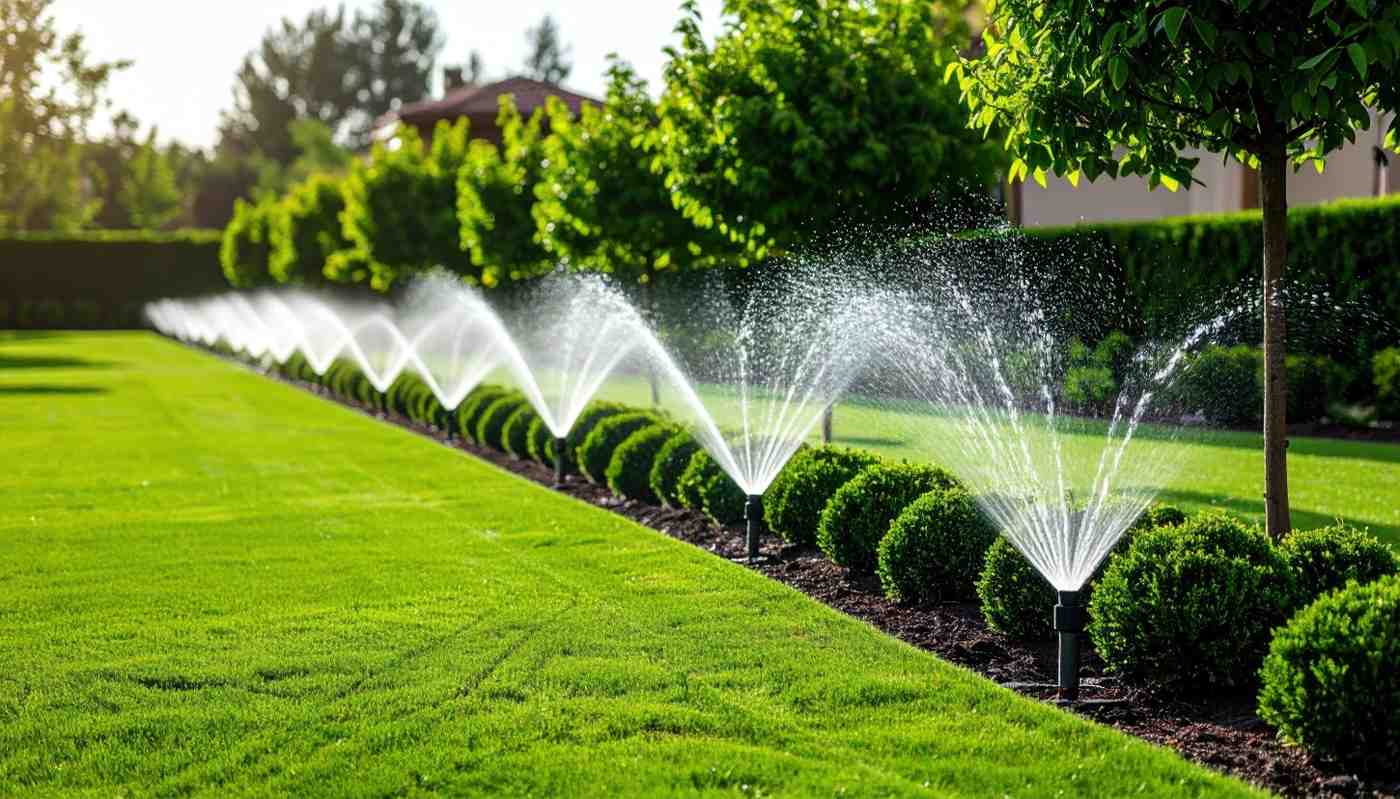
Having worked extensively on crop systems at ICAR, I’ve observed how conventional agriculture often relies on groundwater and nearby water sources, leading to severe depletion when extraction outpaces recharge. The high water usage and resulting inefficiency challenge long-term sustainability, putting immense pressure on the environment. Years of unchecked extraction have caused declining water tables, directly affecting agriculture and the wellbeing of local communities.
10 Agricultural Techniques for Water Conservation to Boost Yields
Through 10 agricultural techniques rooted in water conservation, modern farms are transforming soil management, irrigation, and sustainability practices. By implementing targeted techniques, farmers can enhance water efficiency and achieve better-yield crops without straining hydrological systems. Each drop saved strengthens our food systems, ensuring that water conservation principles guide future farming toward saving water, preserving nature, and protecting our valuable resources for generations to come.
1.Drip Irrigation
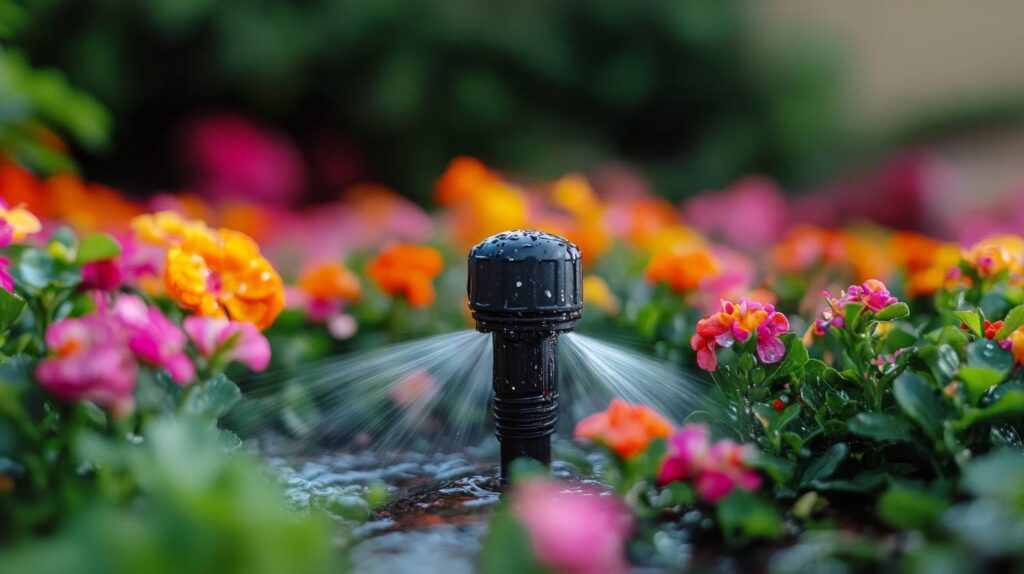
During my field trials with ICAR projects, I found drip irrigation to be the most efficient method in modern agriculture, as it delivers necessary water and nutrients directly to the root zone of each plant in precise amounts at the right time. This targeted application ensures optimal growth while reducing waste and maximising both water use and nutrient use. Many farmers who adopted this system noticed higher yields from crops grown with less water, fertiliser, and energy consumption. The technology transforms traditional irrigation into a controlled process, conserving resources while sustaining productivity even in challenging climatic conditions.
2.Capturing and Storing Water
-
Water harvesting plays a key role in promoting water conservation and sustainable water management, especially in regions struggling with erratic rainfall.
-
Farmers can collect and store runoff and stormwater for later use, ensuring sufficient supply for irrigation and other purposes during dry periods.
-
Setting up reuse systems on farms helps in reducing reliance on freshwater sources while creating local benefits and supporting environmental balance.
-
Using collected water for irrigation not only promotes future use but also improves local water availability and contributes to enhanced water resource management.
-
By reducing runoff and preventing water quality degradation downstream, this method ensures improved water quality for both farms and ecosystems.
-
In my field experience, farms that practiced water harvesting consistently recorded better yields and ecological stability, proving that local innovation can drive large-scale sustainability.
3.Irrigation Scheduling
-
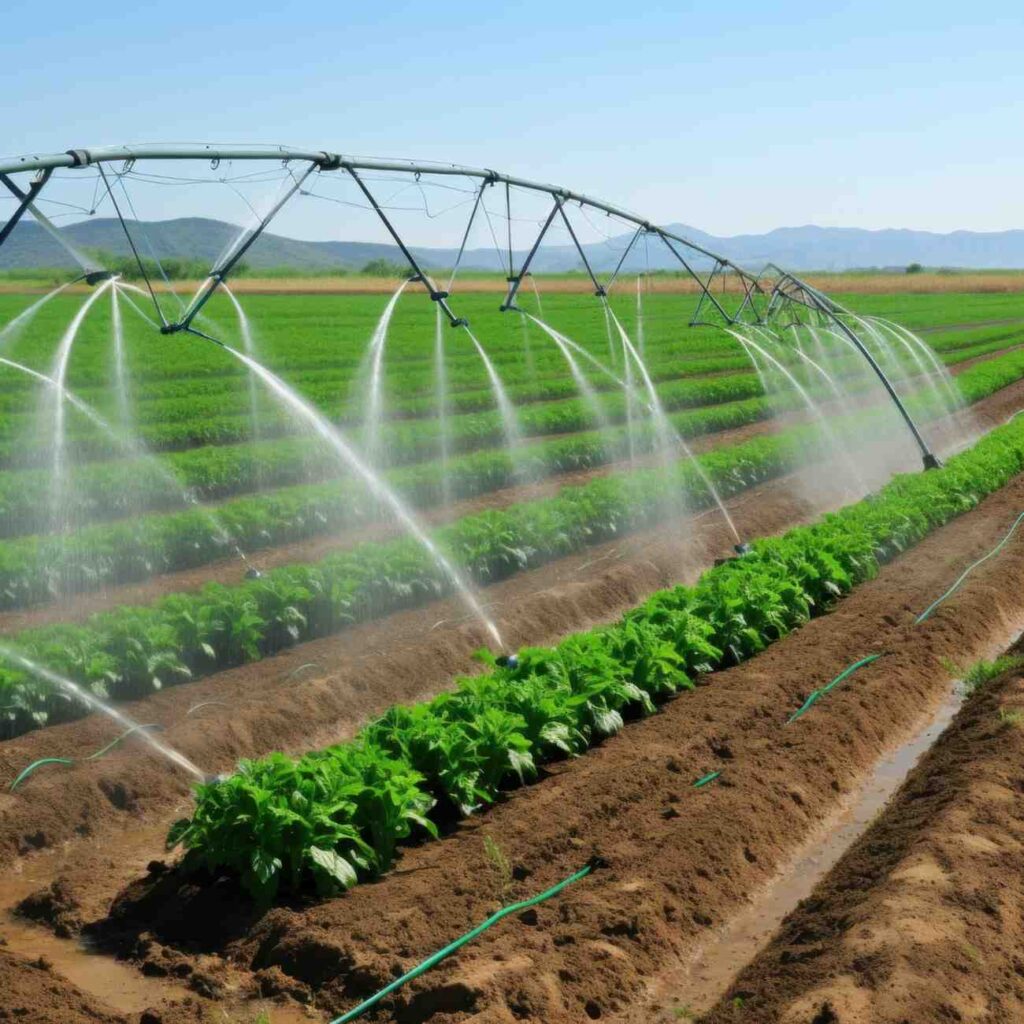
Irrigation system managers who maintain precise irrigation schedules achieve effective water management and sustain higher crop yields.
-
This method helps farmers decide on the ideal frequency, duration, and timing of watering to deliver the right amount of water application for optimal growth.
-
By consistently monitoring soil moisture, plant conditions, and weather forecasts, they can adjust watering cycles to prevent under-watering and over-watering.
-
Implementing a proactive approach allows farmers to optimise water use, reduce water waste, and improve plant health.
-
Proper scheduling minimizes negative impacts on soil and ensures better productivity of crops without compromising sustainability.
-
From my field experience, timely irrigation decisions rooted in data enhance precision, conserve resources, and boost system efficiency.
4.Crops Resistant to Drought
-
Farmers adopting drought-resistant crops have found it highly advantageous for maintaining crop productivity under water scarcity conditions.
-
These adapted crops are well-suited to the local climate and require less water, helping to optimise the unit of water used for irrigation.
-
By cultivating varieties that reduce risk of crop failure during drought, growers can improve yields and enhance economic stability.
-
This practice contributes directly to water conservation, sustainable agriculture, and environmental preservation.
-
Selecting resilient species helps mitigate risks associated with dry spells and promote long-term sustainability in farming systems.
-
From my field experience, integrating drought-tolerant genetics ensures consistent output even when rainfall patterns are unpredictable.
5.Dry Farming
-
Dry farming is a low-input strategy ideal for regions with climate constraints and limited rainfall.
-
It focuses on growing crops using the natural moisture content stored in the soil from the previous rainy season.
-
This approach supports crop production during dry seasons with minimal irrigation, reducing dependency on external water sources.
-
Farmers adopt location-specific management practices and make suitable crop choices based on the local climate to ensure success.
-
The method promotes sustainable crop production and emphasizes minimal water use while preserving moisture in the root zone.
-
Based on my field observations, adopting dryland techniques maintains crop stability and enhances resilience against prolonged drought.
6.Rotational Grazing
-
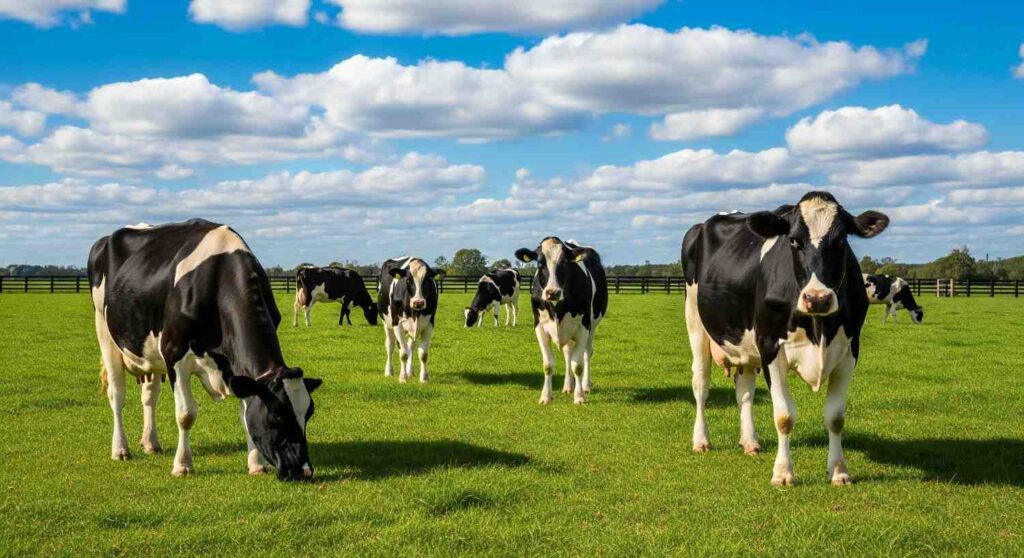
Rotational grazing supports sustainable livestock management by moving livestock across fields in a planned manner.
-
This practice promotes pasture regeneration and efficient grazing management, allowing the soil to absorb water better and minimise runoff.
-
It encourages the growth of drought-resistant pastures, improving fodder coverage and overall pasture quality.
-
Enhanced soil organic matter leads to higher water retention, supporting long-term landscape health and productivity.
-
Strategic grazing patterns help optimise pasture water use and strengthen drought resilience in dry conditions.
-
From my field experience, well-managed grazing systems increase water resource utilisation efficiency and sustain productivity even during water stress.
7.Compost and Mulch
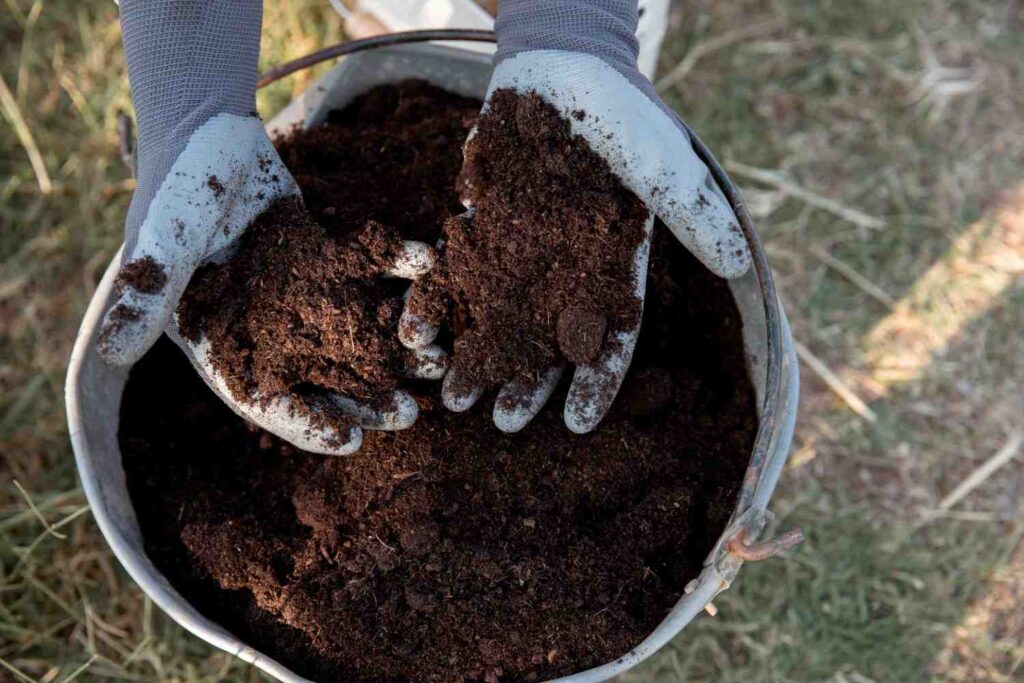
From my practical experience in soil improvement studies, using compost and mulch has proven to be a highly cost-effective technique for farmers aiming to conserve water and enhance soil health. When compost is incorporated into the soil before planting, it enriches soil fertility by adding organic matter and essential nutrients, ultimately boosting soil quality and water-holding capacity. Similarly, applying mulch once plants are established helps conserve moisture by reducing evaporation from the soil surface.
On several on-farm trials, I’ve observed that strategically applied organic layers not only suppress weeds but also moderate soil temperature, keeping the environment favorable for microbial activity. By adopting this simple practice, farmers can maintain productive soils and achieve sustainable growth with minimal external inputs, reinforcing the ecological value of conservation-oriented farming systems.
8.Conservation Tillage
-
Conservation tillage is one of the most effective farming techniques for conserving water and enhancing soil health.
-
It leaves a protective layer of crop residue on the soil surface, which helps retain moisture, reduce water runoff, and prevent erosion.
-
This method is ideal for regions facing limited water availability or frequent drought conditions, ensuring better resilience.
-
By reducing how much tools disturb soil, it helps maintain soil structure and improves organic matter levels in the ground.
-
Compared to traditional tillage, this system minimises degradation, reduces soil erosion, and sustains long-term fertility.
-
In field experiments, farmers have observed healthier soils and improved yields due to better water retention and reduced environmental stress.
9.Cover Crops
In my several seasons of working with agrarian trials, I’ve understood that cover crops play a vital role in protecting bare soil from erosion, water loss, and compaction. When carefully planted between primary crop cycles, they act as a protective layer that shields the ground from wind and water erosion, while improving infiltration and reducing runoff. These living covers hold moisture, conserve water, and support overall soil health, which are crucial in water-stressed regions.
One of the most significant benefits I’ve observed is their ability to compete with weeds naturally, thus reducing the need for herbicides and other chemical inputs. This not only promotes weed suppression but also aligns with carbon farming principles, contributing to lower emissions and improved soil structure.
Additionally, cover crops substantially improve soil fertility, boost water retention, and enhance water preservation across farm systems. Their consistent presence transforms soil ecosystems into self-sustaining networks that support long-term resilience and reduce water dependency in arid or semi-arid conditions.
10.Organic Farming
Through years of soil research and farmer training programs, I’ve found organic farming to be one of the most holistic farming techniques for achieving long-term sustainability and conserve water effectively. It relies on natural methods and materials that nurture soil fertility and reduce reliance on synthetic chemicals, allowing the soil to thrive without losing its natural structure. By encouraging healthier soils, this approach also enhances the soil’s ability to retain water, which becomes crucial in drought-prone regions.
Practices such as crop rotation help diversify crops, preventing nutrient depletion and controlling pest buildup naturally. Over time, the balanced biological activity in organically managed soils not only improves productivity but builds resilience against water stress. In my field observations, farms using organic inputs consistently demonstrated higher moisture levels and better crop adaptability, proving that ecology-driven farming is indeed the foundation of sustainable food systems.
The Importance of Water Conservation in Agriculture
Over the years of working in agriculture, I’ve realised that water conservation is not merely a practice but a crucial responsibility toward the health of the environment and overall sustainability. By adopting techniques such as drip irrigation, capturing and storing water, crop rotation, conservation tillage, and organic farming, farmers can optimise water use and ensure that every drop contributes meaningfully to production. These approaches help maximise crop yields while maintaining soil balance and ecological harmony, forming the backbone of resilient farming systems.
Farmers who recognise importance of efficient water practices consistently achieve higher yields with less water, fertilisers, and energy, strengthening the link between productivity and resource management. Emphasising long-term sustainability through such integrated systems ultimately safeguards farming livelihoods and leads toward a truly sustainable future where both nature and agricultural communities thrive together.
Conclusion
Drawing from years of field experience and research, it’s clear that embracing agricultural techniques for water conservation is the foundation for a resilient and productive farming future. From drip irrigation to organic farming, each method contributes uniquely to preserving limited water resources while enhancing soil health, improving crop yields, and strengthening the sustainability of rural livelihoods. By integrating these practices into everyday agriculture, farmers not only secure their own productivity but also protect the environment, reduce dependency on external inputs, and ensure that future generations inherit land capable of thriving with less water and greater ecological balance.
FAQS
What is the Water Conservation Technology in Agriculture?
In agriculture, water conservation relies on common methods like capturing and storing water from rainwater, surface runoff, or treated wastewater for later use, where farmers practice various methods such as constructing ponds, reservoirs, and tanks to store collected water efficiently for irrigation and sustainable production.
What Are Some Agricultural Practices That Can Help Conserve Water?
Effective agricultural practices such as drip irrigation, cover crops, compost, and conservation tillage help conserve water by reducing evaporation and improving soil structure. Farmers also rely on capturing and storing rainwater, adopting smart irrigation schedules, and planting drought-tolerant crops to ensure efficient water use and sustainable farming.
What Are 4 Ways Water Can Be Conserved?
To reduce water usage, one can fix leaks promptly and install water-saving fixtures like low-flow showerheads and aerators indoors. Simple actions such as taking shorter showers or turning off the tap while brushing teeth make a big difference. Practicing water-wise outdoors by using a broom instead of a hose for cleaning and watering only when necessary further strengthens water conservation habits.
What Are the Four Methods of Conservation?
From my environmental field studies, I’ve seen that core conservation techniques like reforestation, habitat restoration, and establishing wildlife corridors play a crucial role to protect the earth and its ecosystems. Equally important are marine protected areas (MPAs), along with sustainable harvesting and invasive species management, all of which maintain ecological balance and preserve natural resources for future generations.
What Are the 7 Benefits of Water?
From my experience studying the role of water in both plants and humans, it’s remarkable how it lubricates joints, forms saliva and mucus, and delivers oxygen throughout the body. It also boosts skin health, cushions the brain, spinal cord, and other sensitive tissues, while helping to regulate body temperature and support the digestive system. Importantly, water also flushes body waste, maintaining balance and overall well-being essential for life.