A successful farm demands a blend of the right equipment and a thorough understanding of how to use them to maximize productivity and profitability. The correct set of tools, when used effectively, can make even the most challenging farming tasks manageable. As a modern farmer, you need a comprehensive approach that combines both traditional farming wisdom and the latest advancements in technology. Having the right tools for the job will elevate your farming operations, allowing you to work with precision in every aspect, from planting and fertilizing to harvesting. The tools you select should not only enhance accuracy but also support a smooth workflow, leading to better farming results in terms of both output and financial gain.
10 Must-Have Tools for Efficient Farm Management and Success
In today’s competitive agricultural landscape, precision farming is more than just a trend; it’s a necessity. With the help of GPS-based guidance systems, farmers now have access to unparalleled accuracy, allowing them to optimize planting patterns, manage irrigation efficiently, and reduce resource wastage. These systems enable you to get real-time insights into your farm’s performance, adjusting operations to the correct requirements as you go. This technology not only enhances the precision of your planting but also ensures that fertilizing and harvesting are done at the most opportune times, boosting both crop yield and sustainability. If you’ve ever felt the difference these tools make, you know that technology is no longer a luxury; it’s a key element in transforming the way we farm.
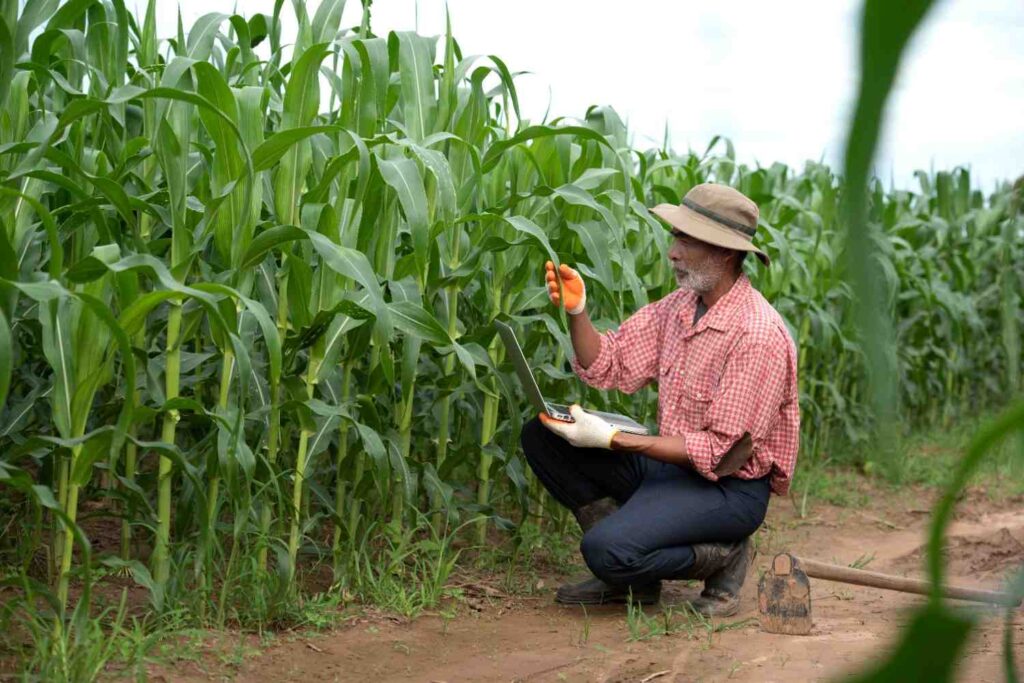
1.Precision Agriculture Tools
-
Precision agriculture tools use GPS-based guidance systems to target specific areas of the field, providing unparalleled accuracy.
-
Advanced models and variable rate technology (VRT) help adjust the amount of inputs like seeds and fertilizers, optimizing their use for better crop yields.
-
These tools enable real-time adjustments based on field conditions, leading to more efficient operations and reduced waste.
-
Fuel costs are cut by eliminating overlaps in planting and spraying, maximizing material use.
-
By integrating technology into the farming process, you can save time, reduce costs, and ultimately achieve optimal results with precise planting and input application.
-
With precision tools, farmers can make more informed decisions, leading to increased profitability and sustainability.
2.Soil Sensors
-
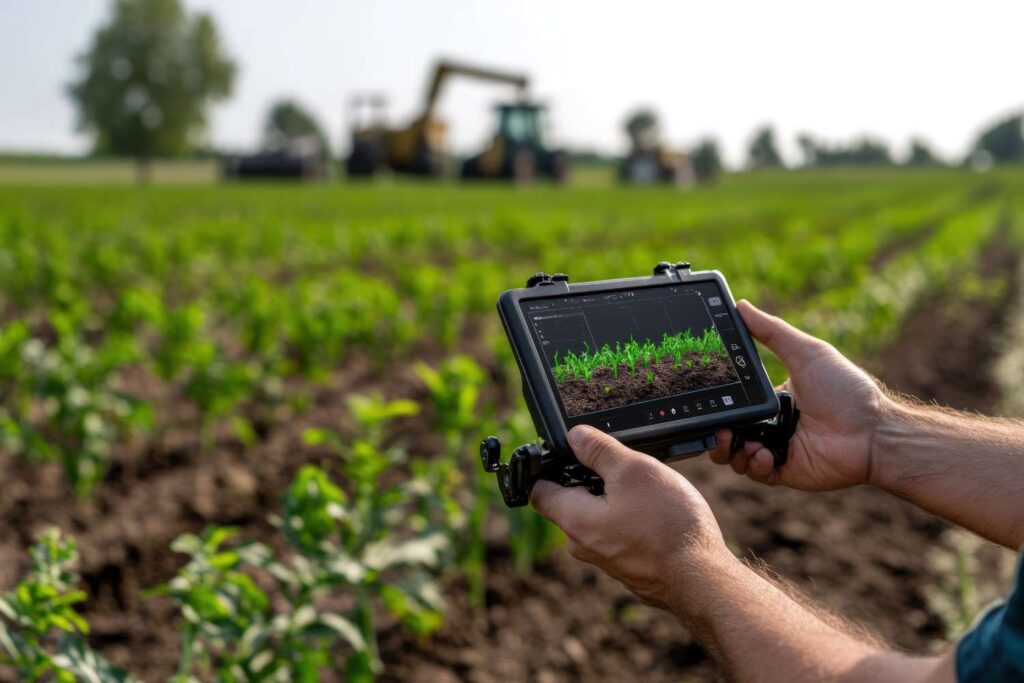
Soil sensors provide critical data on moisture levels, temperature, and nutrient content.
-
They measure electrical conductivity and salinity, giving farmers valuable information about the soil’s texture and health.
-
Advanced sensors help farmers make informed decisions about irrigation and fertilization, applying resources exactly where they are needed.
-
By using soil sensors, farmers can avoid over-irrigation, conserving water and reducing costs.
-
They help prevent root diseases by ensuring proper water distribution and enhancing crop health.
-
Soil sensors enable site-specific management, identifying different zones on the farm for optimized resource allocation and improved crop performance.
3.Automated Irrigation Systems
-
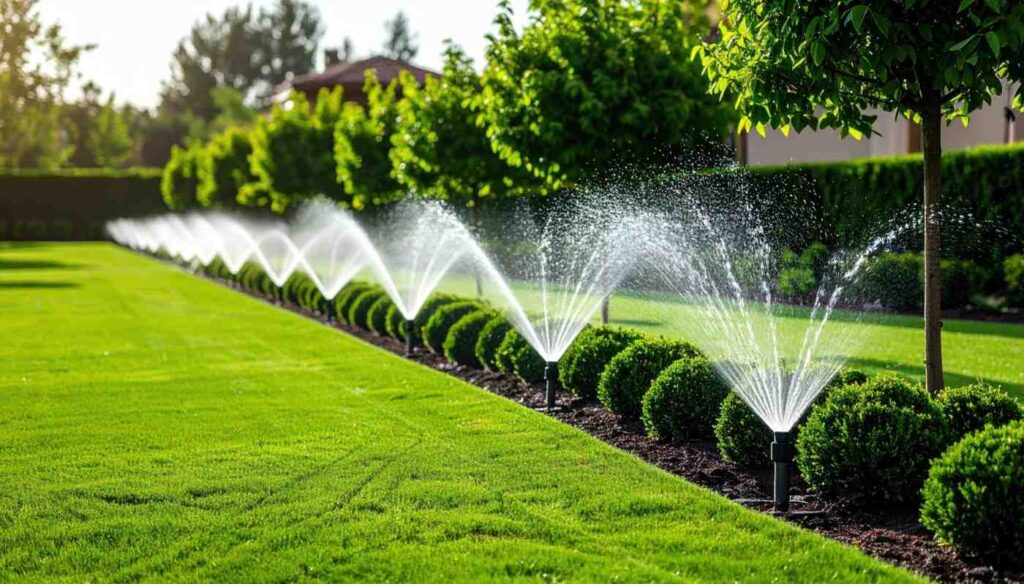
Automated irrigation systems deliver precise amounts of water to crops, reducing waste and labor costs.
-
These systems are programmed to operate at specific times, responding to soil moisture levels detected by sensors.
-
By automatically adjusting the watering schedule, they prevent over-irrigation, ensuring optimal soil conditions.
-
Weather forecasting services can be integrated, allowing the system to adjust to predicted rainfall, saving water and costs.
-
Drip irrigation or sprinklers save hours of manual watering, freeing up time for other important tasks.
-
On rainy days, the system automatically adjusts the watering schedule, reducing waste and saving money.
4.Drones
-
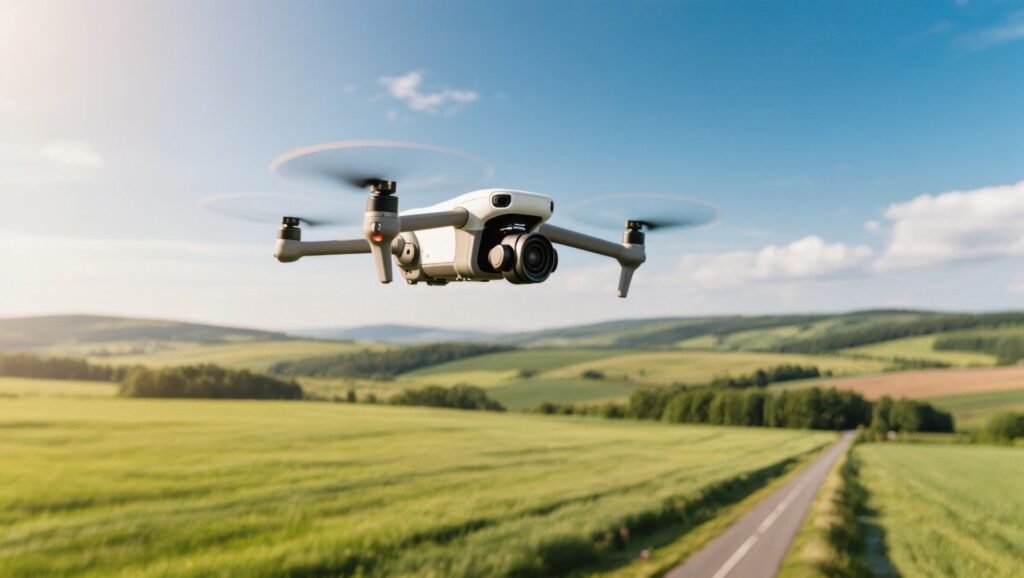
Drones provide a bird’s-eye view of fields, offering valuable insights into crop health and pest issues.
-
Equipped with advanced multispectral sensors, drones capture high-resolution images that reveal plant stress, nutrient deficiencies, and other issues invisible to the naked eye.
-
They can cover large areas quickly and efficiently, providing real-time data for farmers to monitor their crops.
-
Drones can spot areas suffering from infestations or disease outbreaks, enabling early intervention and targeted treatments.
-
By monitoring irrigation needs, drones help ensure crops are cared for properly, reducing the need for manual inspections and saving time.
5.Livestock Monitoring Systems
-
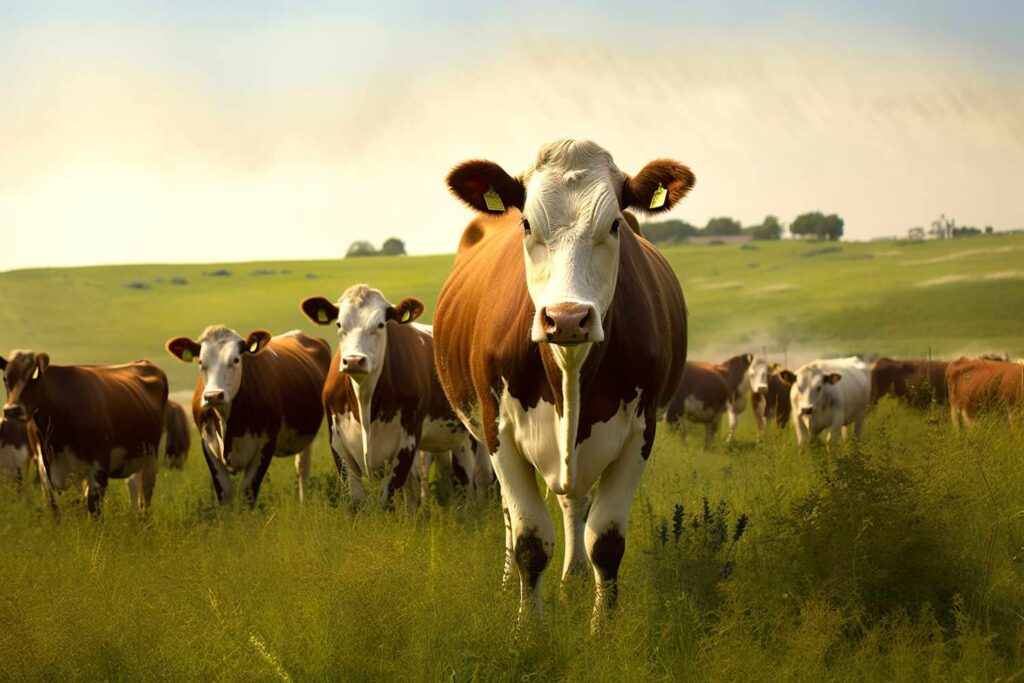
Livestock monitoring systems help track animal health, movement, and behavior in real-time, sending alerts for any potential issues.
-
These systems use sophisticated algorithms to predict changes in patterns, helping detect early signs of illness or abnormal behavior in livestock.
-
By identifying problems early, farmers can provide prompt treatment, preventing the spread of disease.
-
Predictive analytics can also identify animals likely to experience birthing difficulties, allowing preemptive measures to ensure the health of both the mother and calf.
-
Livestock monitoring enhances welfare and productivity, improving the overall farm operation and reducing costs.
6.Electric Fencing
-
Electric fencing is a reliable and cost-effective tool for managing livestock and protecting crops from wildlife.
-
The ability to adjust voltage remotely via smartphone apps allows for precision in monitoring and control.
-
Tools like fencing pliers and wire cutters are essential for quicker and more efficient installations and repairs.
-
The ergonomic design of tools makes maintenance easier, even when dealing with tough weather or obstacles like fallen branches.
-
Electric fencing offers constant protection, reducing the need for manual checks and saving time on repairs.
-
It ensures that deer, pests, and livestock are securely contained, with automatic notifications in case of a breach.
7.Farm Management Software
-
Farm management software helps farmers plan, monitor, and analyze different aspects of their operations.
-
It enables farmers to track expenses, manage crop schedules, and improve decision-making.
-
By integrating drones and sensors, it offers a holistic view of the farm’s health and real-time insights.
-
Predictive analytics leverage current weather patterns and historical data to predict yield and optimize harvest times.
-
The software helps in tracking soil health and conditions, allowing for proactive management of crops.
-
It boosts efficiency in crop management, ensuring maximum output while minimizing waste.
8.Compact Tractors
-
Compact tractors are versatile machines that can handle a wide variety of tasks like plowing fields and hauling materials.
-
They are ideal for smaller farms, as they can perform specific tasks that larger tractors may find impractical.
-
Equipped with attachments like front loaders, rotary tillers, and mowers, they can move heavy loads like manure and feed.
-
These tractors reduce the need for additional machinery, enhancing utility and cutting overall costs.
-
They perform multiple functions, reducing the manual effort needed and making farm operations more efficient.
9.Post-Harvest Processing Equipment
-
Post-harvest processing equipment is essential for preserving the quality of harvested crops and storing them properly until sale.
-
Grain dryers and storage solutions help reduce spoilage and loss, ensuring crops retain their market value.
-
Automated systems with monitoring capabilities for temperature and humidity levels optimize storage conditions.
-
Investing in these systems extends the life of harvested crops, ensuring they stay fresh until they are sold in the market.
-
Monitoring conditions prevents damage, ultimately leading to higher market prices by maintaining optimal storage conditions.
10.Renewable Energy Solutions
-
Renewable energy solutions like solar panels and wind turbines reduce reliance on traditional power grids and lower energy costs.
-
Solar-powered water pumps and wind-powered ventilation systems help improve operations, such as irrigation and air quality in barns.
-
Installing these solutions on barn roofs can drastically reduce electricity bills while ensuring a reliable supply of energy in remote areas.
-
These sustainable energy sources promote environmental sustainability, making farms more eco-friendly.
-
By integrating advanced tools and innovations, farms can improve efficiency, boost productivity, and enhance animal health through better air quality.
In conclusion, the 10 game-changing tools every farm needs for success offer innovative solutions to modern farming challenges, improving efficiency, productivity, and sustainability. From precision agriculture tools and automated irrigation systems to renewable energy solutions, these technologies empower farmers to manage their crops, livestock, and resources more effectively. By integrating advanced tools like soil sensors and drones, along with investing in compact tractors and post-harvest processing equipment, farmers can reduce costs, boost yields, and ensure a healthier, more profitable future. With these tools, the farming industry can embrace cutting-edge methods that not only enhance daily operations but also promote long-term environmental sustainability.
FAQS
What are the must-have tools on a farm?
Some must-have tools for efficient farming include a tractor, trailers, wagons, harvesters, and an irrigation system to maintain optimal crop growth. Additionally, fertilizer spreaders ensure even distribution, boosting yields during critical stages of the season. These tools, essential for streamlining operations, enhance productivity and minimize labor.
What are the 7 different types of farms?
-
Grain farms – Focused on the production of cereals like wheat, corn, and barley.
-
Oilseed farms – Grow crops like soybeans and canola for oil extraction.
-
Potato farms – Specialize in growing potatoes for various uses.
-
Vegetable farms – Produce a wide variety of vegetables for market distribution.
-
Melon and fruit farms – Grow melons, fruits, and other sweet crops.
-
Nut farms – Focus on the cultivation of nut trees like almonds, walnuts, and pistachios.
-
Greenhouse and nursery operations – Grow plants in controlled environments, including floriculture farms for flowers.
What tool is used for farming?
Farmers rely on various essential tools such as tractors, plows, harrows, and seeders for tasks like soil preparation, planting, and irrigation. Balers and harvesters are crucial for harvesting and transporting crops, while tools like tillers, wheelbarrows, and machetes are used for boosting productivity and efficiency. These tools significantly enhance the overall farming process, from the initial planting stage to the final harvest.
What equipment is needed on a farm?
On a farm, tractors are essential for handling various front-mounted and rear tools like mowers, loaders, and tillers. Seeders, sprayers, and hay balers are also crucial for efficient planting, spraying, and harvesting. Investing in the right oversized equipment ensures the job gets done quicker, offering flexibility and versatility for multiple tasks like manure spreading and crop management.
What is the concept of farm management?
Farm management is a professional discipline focused on organizing and optimizing the operating aspects of a farm to ensure profit and sustainability. It involves making strategic decisions about crops, livestock, and the use of resources, while also handling finance, planning, and executing day-to-day operations like planting, harvesting, and animal care. Monitoring and maintaining equipment and financial health through accounting and marketing are also key to achieving goals.