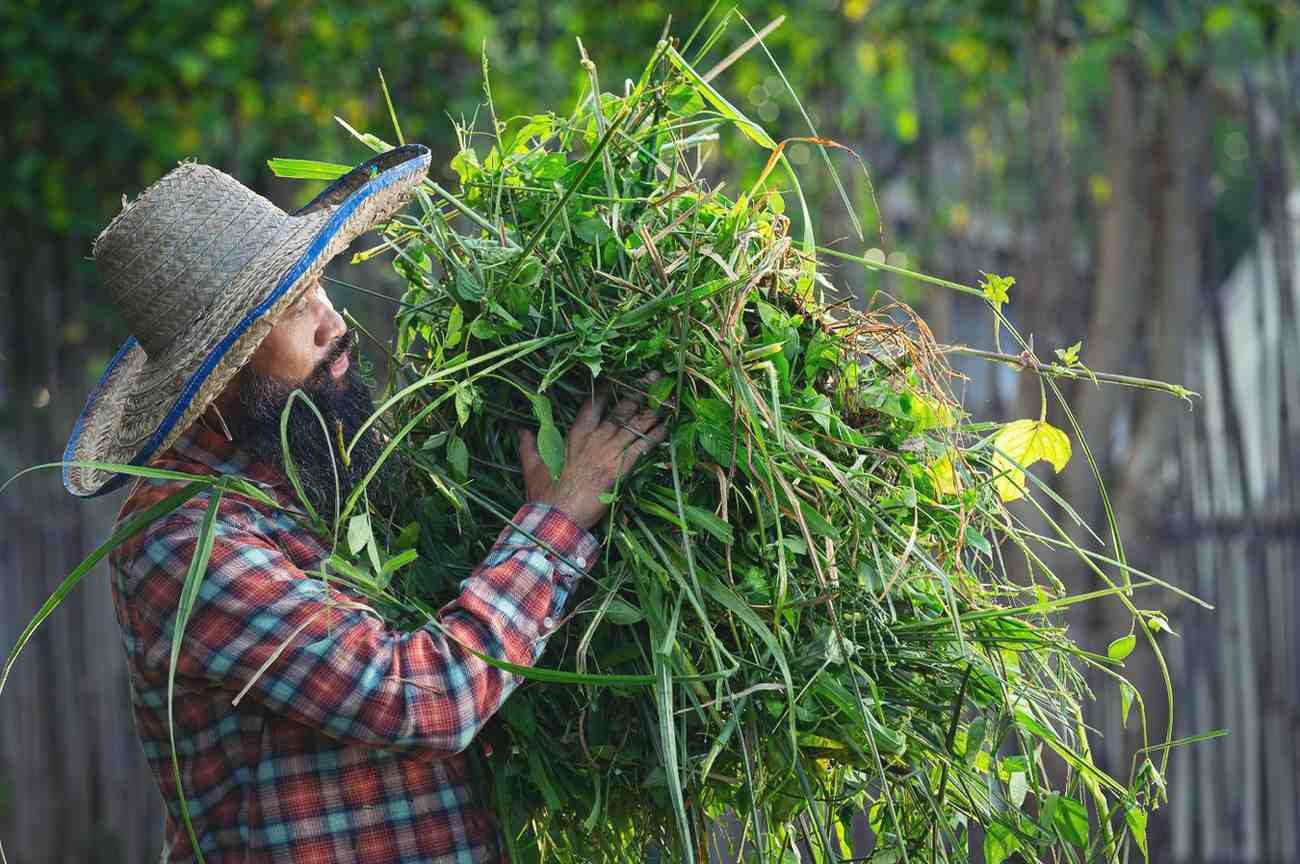
Learn how to banish weeds naturally with these eco-friendly techniques
When it comes to eliminating weeds in your garden, tackling them in the first 4 weeks of their life is essential. Early intervention can stop the weeds before they have a chance to spread and drain the vital nutrients from the soil. One of the most effective ways to achieve this is by removing weeds manually, which not only kills them but also ensures you don’t disrupt the balance of your garden ecosystem. Naturally controlling weeds is a more sustainable approach than relying on chemicals. Using mulch or compost can help smother emerging weeds, while at the same time, improving the health of your plants by retaining moisture in the soil. With some patience and consistent care over the season, you’ll save your plants from the strain of weed competition and have a thriving garden.
12 Natural Ways to Banish Weeds from Your Garden
1. Mulch Over Them
-
Mulch is an excellent natural method to eliminate weeds by covering the soil around your plants.
-
Use materials like shredded leaves, straw, wood chips, or brown cardboard to block sunlight and prevent weed seeds from germinating.
-
A layer of mulch, about an inch thick, helps inhibit weed growth and conserves moisture and nutrients for your plants.
-
Organic materials like shredded leaves will decompose over time, enriching the soil and improving plant health.
-
Black plastic or landscaping fabric can be used for a long-lasting cover that discourages weed growth.
-
Mulch also helps moderate soil temperatures, protecting plants from extreme fluctuations.
-
Adding mulch around the base of your plants can prevent soil erosion, keep weeds from growing, and maintain a tidy garden.
-
Mulch helps prevent insect invasions and rot, protecting both your plants and soil health.
-
This method saves you time and effort while creating a healthier garden environment in the long term.
2. Exclude the Light!
One of the simplest yet highly effective methods to kill weeds naturally is to exclude light from reaching their roots, which prevents them from growing. A practical way to do this is by covering the soil with materials like dampened newspaper, brown cardboard, or straw. These options create a barrier that blocks out sunlight, ultimately ensuring that even the most persistent weeds, including perennial varieties, cannot survive. A layer of compost can also help retain water while promoting healthy soil for your plants. When using dampened newspaper, make sure the layers are stacked well and avoid leaving any gaps. You can even use black ink on the newspaper to add an extra layer of protection. The tape removed method ensures that weeds won’t creep through gaps in the newspaper or cardboard. This method not only keeps weeds in check but also creates a happier environment for worms and other beneficial organisms in the soil, making it a necessary step in any garden. Plus, it can save you the effort of constant weeding.
3. Pull Them Out or Dig Them Up
-
Manually pulling or digging up weeds is a highly effective method for killing weeds naturally.
-
Make the task more comfortable with waterproof gloves, a kneeling pad, or a camp stool to reduce strain on your body.
-
Best to tackle weeds like dandelions when the soil is wet to easily dislodge the roots.
-
Focus on removing the root completely, as leaving any pieces can cause the weed to regrow.
-
Tools like a digging fork, spade, or trowel help pry the roots out of the ground, especially for persistent weeds.
-
To avoid wrist strain, twist the weed vertically to break its grip before pulling.
-
This method works best when weeds are still young, as it ensures you remove them before they can spread further.
-
Weeding sessions can be both a therapeutic and meditative activity, providing a break from other tasks.
-
Regular weeding throughout the season will prevent weeds from taking over your garden.

Common Weeds and Treatments
| Weed | Treatment |
|---|---|
| Buckhorn Plantain | Pull out, ensuring the whole root is removed to prevent seed production. |
| Bull Thistle | Dig deep to remove the whole root, preventing regrowth. |
| Common Burdock | Dig up the whole root to avoid spreading and producing seeds. |
| Field Bindweed / Wild Morning Glory | Cultivate the soil and pull out vines regularly, removing as much as possible. |
| Lamb’s Quarter | Pull and dig early before seeds produce and spread. |
| Crabgrass | Pull or dig out early before it produces seeds to prevent further growth. |
| Pepperweed | Dig out completely, ensuring no roots are left behind. |
| Purslane | Pull or dig up early before it can produce seeds; can be used in the kitchen. |
| Quackgrass | Dig out completely, focusing on removing the root system to prevent regrowth. |
| Redroot Pigweed | Pull and dig to remove the root, preventing seed production. |
| Stinging Nettle | Dig out entirely, ensuring the root system is removed to prevent spread. |
4. Use Homemade Herbicide Sprays
For those looking to avoid the use of dangerous chemicals in their garden, homemade herbicide sprays offer an effective and natural solution to control weeds. While many commercial herbicides can be costly and often ineffective on resistant weeds, homemade remedies using simple ingredients like vinegar, salt, or dish soap can respond quickly to the problem. These natural methods not only provide an eco-friendly option but also ensure that you’re not introducing harmful toxins into your garden. From my experience, a vinegar-based spray can be highly effective in targeting weeds without damaging nearby plants when applied carefully. Folks who prefer a more sustainable approach will find these homemade options to be a great way to tackle weeds while avoiding the use of harsh chemicals.
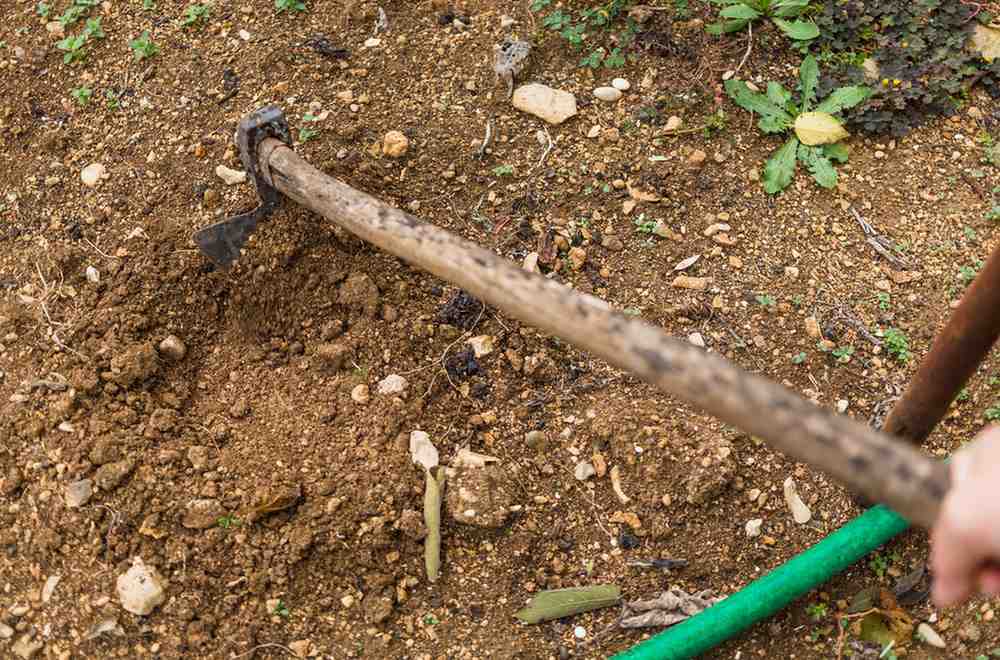
5. Hoe Them Down
-
Weeds that have sprung up can be effectively dealt with using a garden hoe.
-
A long handle on the hoe helps you reach the weeds comfortably, especially in hard-to-reach spots.
-
Hoeing is most effective in the morning, when the soil is dry but not too compacted.
-
Cut the weeds cleanly at the surface, removing their roots to stop regrowth.
-
The action of hoeing creates a dust mulch that inhibits the germination of new weeds.
-
It’s a fast method that makes quick work of clearing weeds.
-
Once hoed, the weeds can be thrown on the compost heap or disposed of.
-
Hoeing during the early season and once a week ensures consistent weed control.
-
This technique works best when moving the hoe in a gliding motion across the soil surface.
6. Minimize Soil Disruption
-
Hoeing or digging can bring weed seeds to the surface, triggering their germination.
-
Turning the soil too much can expose dormant seeds to light and air, causing them to grow.
-
A German study showed that germination was reduced by up to 90% when weeds were left undisturbed.
-
To prevent unnecessary weed growth, it’s best to minimize soil disruption.
-
Focus on weeding with less disturbance to avoid stimulating the growth of new weeds.
-
Research suggests that germination can be stimulated by disturbing the soil, so avoid over-turning.
-
Consider weeding during dawn or dusk or on a full moon to reduce the chances of triggering new weed growth.
7. Chop Off Their Heads!
-
Chop off their heads to prevent weeds from setting seed and spreading further.
-
Cutting the flower or seed heads stops weeds from producing more seeds.
-
Use tools like a grass whip or string trimmer to cut weeds effectively.
-
Regularly cut the heads of weeds once a week to keep them from spreading.
-
This method helps resolve the issue with minimal hassle, saving time and effort.
-
No need to uproot the weeds completely—just remove the flower heads to control growth.
8. Keep Your Garden Edges Trimmed
-
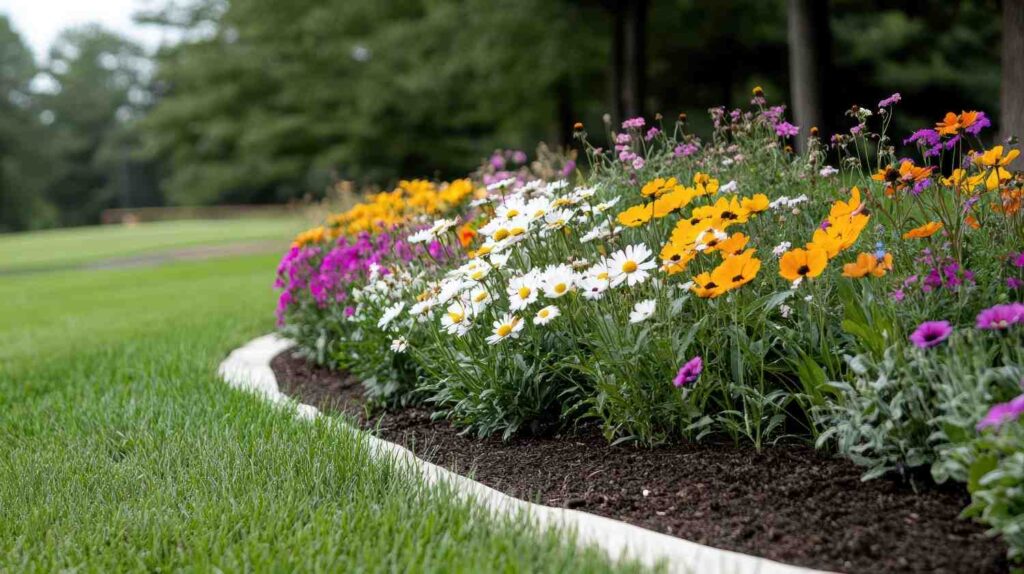
Regularly trimmed edges around your garden and yard help reduce weed invasions.
-
Keep grass along fence lines, posts, and planting beds neat to prevent weeds from rooting in fertile soil.
-
Overgrown edges can allow weeds to spread into your lawn or perennials, requiring more effort to control.
-
Trimming these areas makes it easier to collect and manage weeds.
-
Pay special attention to areas with shade, like around ground roses, as weeds thrive in such conditions.
-
Consistent care keeps your garden well-maintained and prevents weeds from becoming a hassle.
9. Aerate Your Soil
-
Aerating your soil helps improve the flow of air, water, and nutrients to the roots of your plants.
-
Compacted soil creates an environment where weeds with deep roots can grow and take over.
-
By aerating, you make it harder for deep-rooted weeds to establish while promoting healthier plant growth.
-
Annual aeration can be done using an aerator, which can be rented from a local home improvement store.
-
This process helps reduce weed problems and creates a stronger foundation for your plants to thrive.
-
Aerating your garden soil allows better root establishment for plants, making it harder for weeds to compete.
10. Reduce Open Garden Space
-
Planting plants closer together helps cut down on open areas where weed growth can thrive.
-
A tightly packed garden conserves moisture and makes it harder for weeds to grow.
-
Use cover crops like ryegrass, winter wheat, or oats to naturally prevent weed growth.
-
Cover crops also provide shade, reducing bare soil that encourages weed development.
-
This technique is especially effective during the warm-weather season, when weeds are most active.
-
Reducing open space and strategically planting can minimize the need for constant weeding.
11. Avoid Watering Weeds
-
Avoid watering weeds and focus watering efforts on your plants.
-
Weeds in unplanted areas or along paths don’t need the same water as your plants.
-
Watering only your plants prevents weeds from receiving the moisture they need to survive.
-
This method helps dry up emerging weeds and keeps them from becoming a problem.
-
By not watering areas with weeds, you make the garden less welcome to them.
12. Let Them Grow … Temporarily
Sometimes, letting weeds grow temporarily can be an effective way to kill weeds naturally. This method involves allowing the weeds to grow for a short period in the garden, but not letting them reach maturity. The idea is to encourage them to germinate and establish themselves, so that you can later pull or hoe them before they can set seed. To do this effectively, I use clear plastic sheets to cover the garden during early spring when the soil is still warm. This creates a mini greenhouse effect, causing the weeds to grow quickly and become easier to remove once they’ve reached a few inches in height. Once you’ve removed the weeds, you can plant your crops in the now cleared space, giving your garden a head start in the growing season.
Bonus: Eat Them!
Instead of just destroying weeds in your garden, why not take advantage of their edible qualities? Many weeds, such as lamb’s quarters, amaranth, and purslane, are actually highly nutritious and can be used in salads, soups, or stir-fries when harvested while they’re still young and tender. By incorporating these weeds into your meals, you not only reduce the weeds in your garden but also benefit from their abundance during the growing season. I’ve found that harvesting these plants during their early stages, before they become too tough, is a great way to cultivate a new form of sustainable food source, all while keeping the weed population under control.
Cover Crops in Fall/Winter
During the season after you harvest your veggies, consider planting cover crops like wheat, clover, or barley to prevent weeds from taking over your garden in the fall and winter months. These beneficial plants help block weeds by shading the soil, which makes it harder for weed seeds to germinate. Additionally, cover crops enrich the soil by adding organic matter and helping to prevent erosion during the shoulder seasons. I’ve found that using these crops in situations where my garden is left growing bare during the colder months not only keeps the weeds in check but also improves soil health for the next planting cycle. By planting cover crops, you’re fostering a healthier garden for the following spring while naturally reducing weed competition.
In conclusion, there are numerous natural ways to banish weeds from your garden, each offering a sustainable and eco-friendly approach to tackling these pesky invaders. From methods like mulching and aerating the soil to strategically using cover crops and even harvesting edible weeds, these techniques help keep your garden healthy without the need for harmful chemicals. By focusing on a combination of prevention, early intervention, and strategic cultivation, you can create a thriving garden that’s free of weeds and promotes better soil health. Embrace these natural weed control methods to enjoy a more vibrant and eco-conscious garden throughout the year.
FAQS
What are the 4 methods of controlling weeds?
In agriculture, weed control can be achieved through a variety of methods. These include hand cultivation using tools like hoes and powered cultivation with machines like cultivators. Another approach is smothering weeds with mulch, which blocks sunlight and reduces growth. Finally, lethal wilting can be induced using high heat or burning to kill the weeds, making it a highly effective natural method, especially for larger areas.
What is the best way to keep weeds away?
The easiest and most effective way to stop weeds from returning is to apply a thick inch-deep layer of organic mulch, such as bark chips, straw, grass clippings, or compost. This blocks sunlight, preventing weed seeds from reaching the soil and inhibiting their germination. Additionally, mulch helps retain moisture and regulate soil temperature, creating an environment that promotes healthy plant growth while keeping weeds at bay.
What is the fastest way to remove weeds?
The fastest way to remove weeds is by using a solution of boiling water, vinegar, salt, and a bit of dish soap. This combination acts quickly to kill the weeds, providing immediate results. It’s a great method for killing weeds, but care must be taken as it can also affect desirable plants. For small infestations, hand-pulling can be effective, while for large areas, smothering with plastic or tarps works well to block sunlight and cook the weeds beneath.
How do farmers keep weeds away?
Farmers often use tillage and plowing techniques, known as field cultivation, to reduce the number of weeds in their fields. By implementing these methods a few weeks before planting, they can target the weed species and weed sizes that are already present, preventing them from sprouting. In cases where physical methods aren’t enough, the choice of herbicides is another option, using the right herbicide to control weeds effectively without harming crops.
What is the primary control of weeds?
The primary control of weeds often involves the application of herbicides, which are a chemical weed control method. This technique is effective and time-efficient, helping to manage weed growth without extensive manual labor. However, caution is needed to avoid harm to surrounding plants when using chemicals like herbicides on the soil.