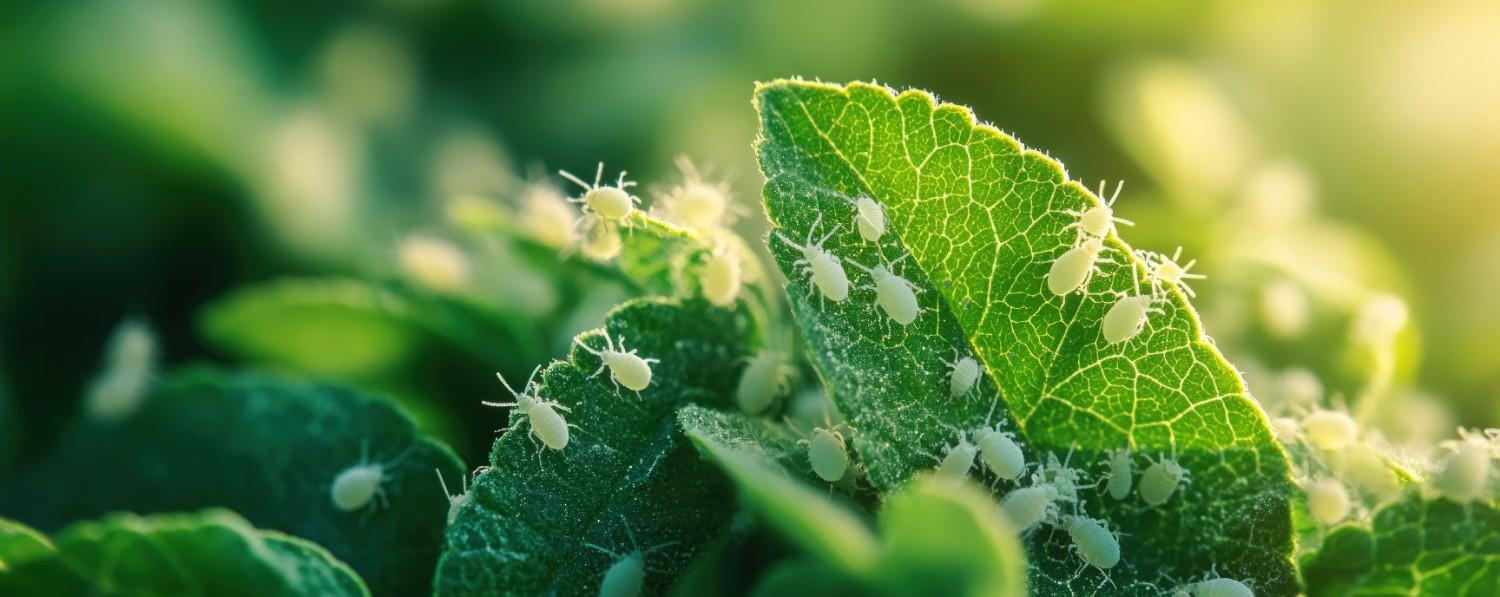
Dealing with mealybugs can feel like a real challenge, especially when they quietly hide in plant crevices and start sucking plant sap before you even notice what’s going on. Over the years, I’ve seen how quickly these soft-bodied insects multiply, affecting everything from indoor houseplants and balcony plants to fruit trees, ornamental shrubs, garden plants, and even large-scale commercial crops grown by farmers. Whether you’re tending a few pots as one of the many passionate home gardeners or managing crops under tough global conditions or varied Indian conditions, understanding how to identify them early and act fast makes a world of difference. mealybugs multiply fast across houseplants, garden plants, and even crops. If you want to manage pests naturally, check out these organic pest control methods.
8 Easy Ways to Eliminate Mealybugs Fast: Proven Methods That Work
From my own experience, the best methods aren’t always complicated what truly matters is using safe methods and effective methods that fit the situation and applying the right strategies before these plant pests cause serious damage. When handled early, you can stop them before they grow out of control, especially when you know their life cycle and how they move from one plant to another.
This guide brings together simple, practical ways to control these pests and prevent reinfestation, something I’ve had to learn the hard way while saving beloved plants at home and helping neighbors rescue their infected shrubs. Whether you’re treating tropical varieties or hardy temperate species, these approaches work across different growing environments. With the right balance of observation and action, you can protect your plants naturally and effectively without harming your surroundings or disrupting your plant’s growth patterns.
What Are Mealybugs?
Mealybugs are small, soft-bodied, sap-sucking insects that often appear as a white, powdery, cotton-like coating on plants. Their bodies are covered with a protective waxy layer, which makes these pests much harder to control in certain environmental conditions. They usually hide in stems, the underside of leaves, growing tips, and leaf nodes, forming a fluffy mass that looks like bits of cotton stuck to the plant. These pests belong to the insect family Pseudococcidae and include many species found worldwide, such as Citrus mealybug (Planococcus citri), Long-tailed mealybug (Pseudococcus longispinus), Pink hibiscus mealybug (Maconellicoccus hirsutus), and Grape mealybug (Pseudococcus maritimus).
From my own experience, once adult mealybugs (around 1/10 inch, 1/4 inch, or roughly 2–6 mm) settle in, they spread quickly from indoor succulents to fruit trees, vegetables, flowering plants, tropical houseplants, and greenhouse crops if not noticed early.
These pests are extremely common in India, especially on mango, guava, citrus, hibiscus, cotton, papaya, croton, and indoor decorative plants. With their needle-like mouthparts, they pierce plant tissue, sucking plant sap until the host becomes weak, causing stunted growth, leaf discoloration, and irritating leaf drop. Having dealt with them across different seasons, I’ve learned that their activity increases when natural predators are missing and when humidity rises. Keeping an eye out for their cottony patches is the only way I’ve successfully managed them before they spread.
Key Characteristics of Mealybugs
| Feature Category | Description |
|---|---|
| Appearance | White, powdery, cotton-like, fluffy mass, protected by a waxy layer |
| Size | 1/10 inch, 1/4 inch, 2–6 mm, depending on adult mealybugs |
| Feeding Method | Sap-sucking, using needle-like mouthparts to pierce plant tissue |
| Effects on Plants | Stunted growth, leaf discoloration, leaf drop, general weakening |
| Common Locations | Stems, underside of leaves, leaf nodes, growing tips |
| Common Plants Affected | Indoor succulents, fruit trees, flowers, vegetables, tropical houseplants, greenhouse crops, indoor decorative plants |
| Indian Host Plants | Mango, guava, citrus, hibiscus, cotton, papaya, croton |
| Notable Species | Citrus mealybug, Long-tailed mealybug, Pink hibiscus mealybug, Grape mealybug |
| Reason for Spread | Fewer natural predators, favorable environmental conditions |
Quick Identification Checklist
-
Look for white, cotton-like clusters on any part of the plant
-
Inspect underside of leaves and stems for a fluffy mass
-
Check growing tips and leaf nodes where they often hide
-
Watch for symptoms like leaf discoloration, leaf drop, and stunted growth
-
Monitor indoor succulents and tropical houseplants, as they are highly vulnerable
-
Examine fruit trees, vegetables, and flowering plants, especially during humid seasons
Mealybug Life Cycle
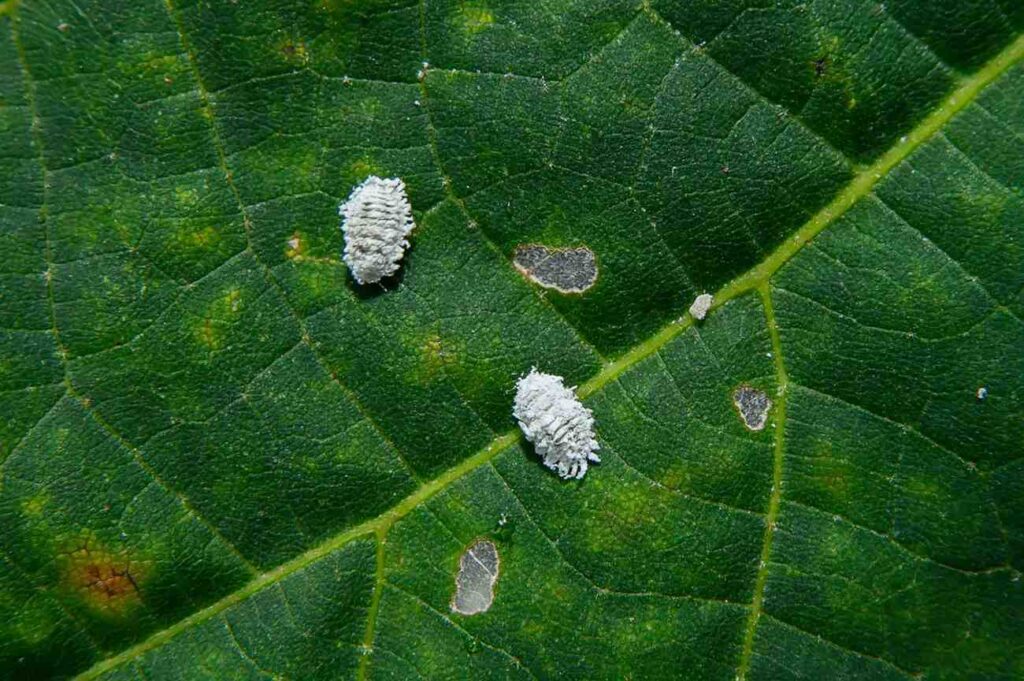
Understanding the mealybug life cycle has always helped me in controlling infestations more efficiently because each of its stages reacts differently to treatment. A female mealybug begins the cycle by laying anywhere from 200 eggs to sometimes as many as 600 eggs, all packed into a cotton-like ovisac that she tucks into protected corners of the plant, especially around leaf nodes, stems, loose bark, and other hidden spots most people overlook. These tiny eggs hatch into crawlers that quickly spread across the plant, and from my experience, this is the moment they’re easiest to stop before they settle, feed, and multiply. Catching them during this phase makes all the difference when you’re trying to break their cycle and keep your plants healthy.
Egg Stage
-
The mealybug eggs are tightly enclosed within a waxy white sac that protects them from moisture, natural predators, and most chemical sprays, making this stage difficult to treat once it is established.
-
Spotting these sacs early is extremely important, and from my own hands-on experience, manual removal is the most reliable way to stop them before they begin hatching and spreading throughout the plant.
Crawler Stage (1 week to 10 days)
-
After the eggs hatch, tiny, yellowish insects called crawlers emerge, entering their most active and mobile stage.
-
At this point, the pest begins to move across the plant, searching for suitable feeding spots, and because they lack a thick wax coating, most treatments are highly effective during this period.
Nymph Stages
-
After crawlers find a settling and feeding spot, they transform into nymphs, with female nymphs moving through three stages and male nymphs passing through two nymph stages before forming a cocoon-like structure and eventually becoming winged adults.
-
As these nymph stages progress, their white cotton coating grows more pronounced, creating a tougher waxy shield that leads them closer to mature mealybugs, which are far more resistant to chemical sprays.
Adult Stage
At the adult stage, female mealybugs remain wingless and focus mainly on laying eggs, which is why a continuous infestation can occur if they aren’t stopped in time; some species even give birth to live young, making the spread faster than expected. Depending on conditions, they move from egg to adult in about 6 weeks to 10 weeks, and I’ve seen infestations escalate surprisingly rapidly when not controlled early, especially on tender indoor plants where they multiply without interruption.
Mealybug Damage on Plants
In my experience, mealybug damage can appear mild at first, but the moment a heavier infestation is present, these persistent insects begin feeding aggressively on the plant, causing a quick decline in health that often surprises gardeners who didn’t notice the early signs.
Light Infestation
-
In the early stages, you may notice small white specks on leaves and stems, often gathering into cotton-like clusters around leaf joints, along with sticky patches of honeydew.
-
With early detection, simple wiping or washing usually eliminates the pest in most households, but it’s still important to isolate infected houseplants to stop the spread.
Moderate to Heavy Infestation
-
When untreated, mealybugs multiply rapidly, forming thick cotton-like clusters and large colonies that hide under leaves, often leaving behind honeydew, sooty mold fungus, and attracting increased ant activity because ants feed on the sugary residue.
-
Plants begin showing yellowing, dropping leaves, stunted new growth, withered buds, and even fruit drop, all of which signal a worsening infestation.
-
In severe cases, damaged indoor plants may need to be discarded to protect the rest of your collection, while outdoor plants and orchard trees often require repeated treatments for full suppression.
8 Ways to Get Rid of Mealybugs on Plants
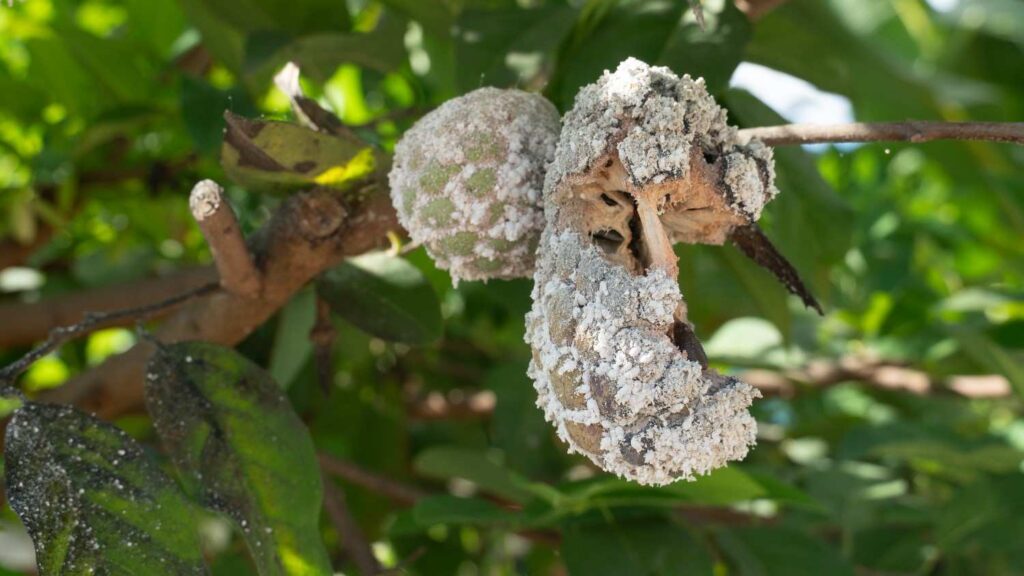
Over the years, I’ve learned that the best methods for clearing mealybugs work across indoor, outdoor, and greenhouse plants, but the real key is judging the severity of the infestation and knowing when to combine multiple methods to fully break their cycle and restore plant health.
Method 1: Wash Mealybugs Away
Using a steady stream of water is one of the simplest and most natural methods to deal with early infestations, as it helps dislodge mealybugs from stems and leaves, physically removes the insects, and reduces their feeding pressure on the plant without harming most varieties.
-
Works well for light infestations using a kitchen sink sprayer, garden hose, or shower.
-
Avoid strong pressure on fragile plants that cannot tolerate forceful spraying.
-
Repeat every few days until no mealybugs reappear.
-
For large outdoor shrubs and trees, a hose with a spray nozzle is especially effective.
Method 2: Use Isopropyl Alcohol
Using isopropyl rubbing alcohol (70%) is one of the quickest ways to kill mealybugs on contact.
Steps (1–5):
-
Test a small leaf first to ensure the plant is not sensitive.
-
Apply alcohol with a cotton swab or cotton ball.
-
Dab directly onto the pests so the alcohol dissolves the waxy coating and kills instantly.
-
Works especially well on indoor plants like succulents, philodendrons, pothos, and orchids.
-
Repeat weekly until there are no signs of pests, and avoid using it on delicate plants without proper testing.
A quick swab of alcohol has saved many of my indoor plants, but I always stay cautious what’s effective on one species can burn another, so that tiny test spot is essential.
Method 3: Spray With Insecticidal Soap
How it Works
-
Insecticidal soap is a safe and effective option for treating mealybugs on edible crops, ornamentals, and houseplants. since you may use insecticidal soap on edible plants, pairing it with organic fertilizers for vegetable gardens helps maintain plant health safely.
-
You can use a commercial insecticidal soap or make a homemade version by mixing mild dish soap (about 1 teaspoon) with 1 gallon water.
How to Apply
-
Spray thoroughly over upper leaf surfaces, lower leaf surfaces, stems, inside leaf folds, and growing tips.
-
Mealybugs must be hit with direct contact, so full coverage is crucial.
How Often to Use
-
Repeat weekly or biweekly until the infestation disappears.
-
Always rinse edible plants before consuming.
Method 4: Use Neem Oil
Why Neem Oil Works
-
Neem oil is a natural insect repellent widely used in global gardening and Indian gardening. neem oil is a natural insect repellent used globally. You can also explore natural ways to protect your garden from pests for added safety.
-
Its active compound azadirachtin disrupts insect feeding, growth, and reproduction.
-
Effective not only on mealybugs but also on aphids, mites, whiteflies, and other pests.
How to Make Neem Spray
-
Mix 1–2 tablespoons neem oil with 1–2 teaspoons mild dish soap in 1 gallon warm water.
-
Shake well before applying.
How to Apply Safely
-
Spray in the early morning or evening to avoid leaf burn.
-
Helps protect helpful insects like bees.
-
Safe to use on vegetables and ornamentals.
For Best Results
-
Use regularly to prevent reinfestation.
-
Repeat every 7 days for consistent and effective control.
Method 5: Introduce Predatory Insects
Why This Works
-
A powerful biological control method that is natural and chemical-free. predatory insects help reduce mealybug numbers naturally. Learn more about eco-friendly pest control solutions to strengthen your approach.
-
Ideal for gardens, farms, and greenhouses where long-term balance is needed.
Predators That Attack Mealybugs
-
Cryptolaemus montrouzieri (the mealybug destroyer beetle).
-
Lacewings.
-
Parasitoid wasps, especially Leptomastix dactylopii.
-
These beneficial insects feed on mealybugs at all stages of their life cycle.
Where They Work Best
-
Greenhouse beds
-
Outdoor garden beds
-
Orchards
-
Commercial farms
Important Tip
-
Avoid chemical pesticides, as they may harm pests but also harm predators, reducing the effectiveness of releasing beneficial insects.
Method 6: Use Homemade Insect Spray
Why Gardeners Use It
-
A natural homemade mix that is effective and fits well with chemical-free solutions.
How to Make the Spray
-
Blend:
-
1 garlic bulb
-
1 small onion
-
1 teaspoon cayenne pepper
-
1 quart water
-
-
Let the mixture sit 1 hour.
-
Strain it.
-
Add 1 tablespoon liquid dish soap.
How to Apply
-
Spray directly on affected areas.
-
Focus on leaf undersides and stem joints.
Why It Works
-
The strong smell and natural insecticidal properties of garlic and onion help repel and disrupt mealybugs.
Storage
-
Refrigerate the solution and make sure to use it within seven days.
Method 7: Use Mealybug Traps
How the Traps Work
-
Pheromone traps help catch male mealybugs before they can mate.
-
Often paired with sticky traps for better capture.
-
They release specific scents that attract winged male mealybugs.
Where and How to Place Them
-
Place traps on trellises, stakes, or around plants.
-
Keep them about 10 feet apart.
-
Suitable for outdoors and greenhouses.
Why They Help
-
Reduce male population to eliminate infestation sources.
-
Naturally slow reproduction by preventing mating.