Can You Use Topsoil in Pots?
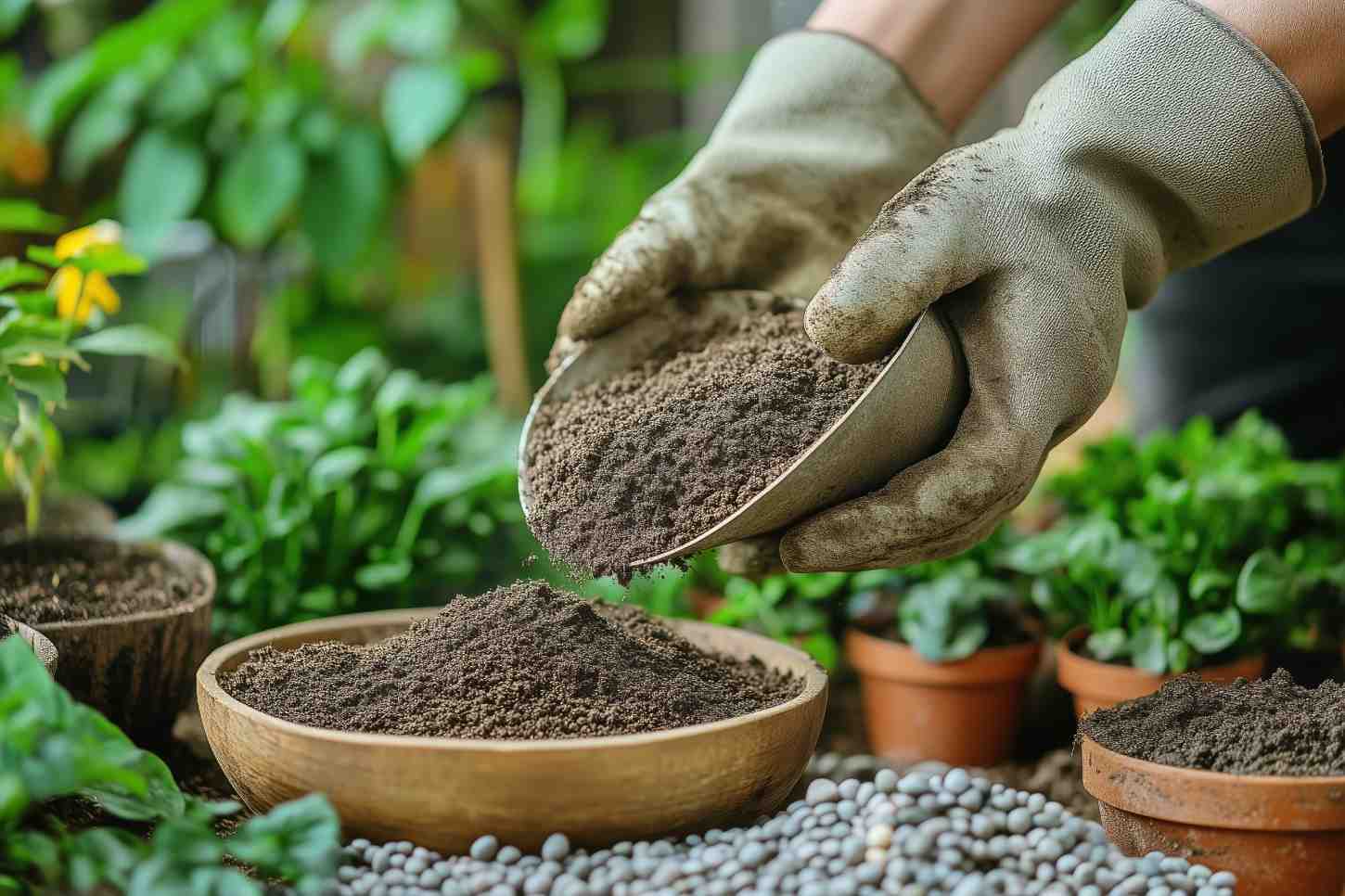
Can You Use Topsoil in Pots? When it comes to creating a healthy garden, many gardeners often wonder if topsoil can be used in pots for their indoor or outdoor plants. It’s crucial to consider the right soil for your potted plants as it significantly affects their growth. While topsoil gardening is commonly recommended for outdoor gardens, using it in potted gardens can be a bit more complex. So, let’s explore topsoil and evaluate whether it’s suitable for pots or if you should switch to a different soil mix for a healthy garden. Topsoil is often the go-to choice for many ...
Read more
Best Potting Mix: How to Pick or Make It Yourself
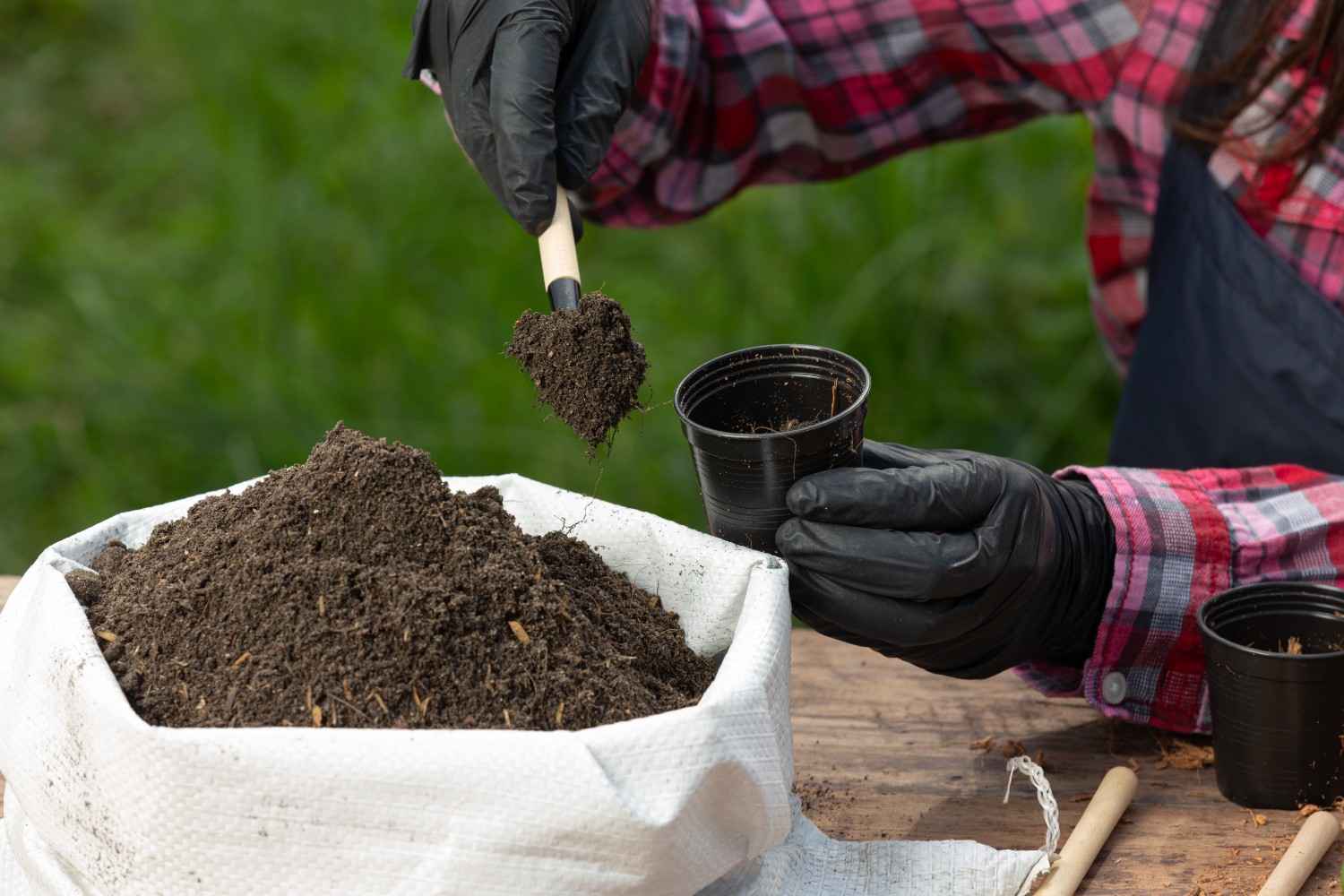
Every home gardener eventually learns that the right potting soil is the foundation of thriving plants—it’s the difference between sturdy seedlings in trays and the weak ones that stall; use this guide helps you select a straightforward soil mix for containers and pots or create an ideal blend from ingredients that replicate quality soil—using airy fibers for oxygen flow and mineral grit for structure for drainage, and organic matter to feed growing plants for healthy growth; for potted crops—balcony vegetables and patio flowers—bagged potting soil or blended potting soils with bark, coco, perlite, and compost help roots grow like gangbusters, while ...
Read more
2025 Guide: Master the Layered Compost Bin Method
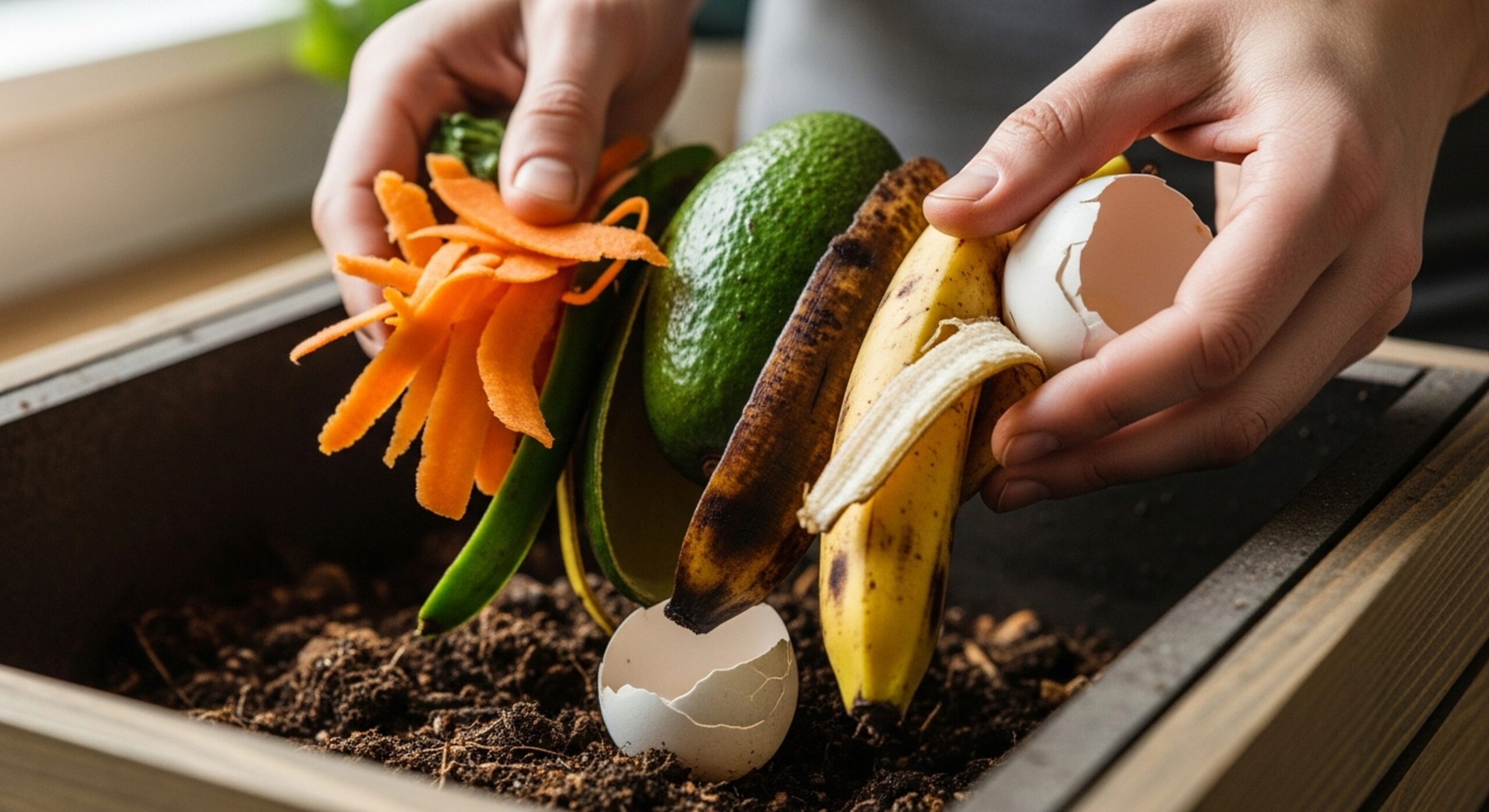
Starting a layered compost bin in your backyard can be a simple and effective method to recycle organic waste like kitchen scraps and yard waste into nutritious soil for your gardening needs. Whether you’re just starting out or well-versed in soil care, this walkthrough will help you establish and maintain thriving compost. To get started, you will need to choose an appropriate location and set up your compost bin. Begin by stacking alternating layers of carbon-rich materials (the browns) and nitrogen-rich materials (the greens). The browns can include things like leaves, sticks, and grass trimmings, while the greens will consist ...
Read more
The Role of Decomposers: Nature’s Recyclers Explained
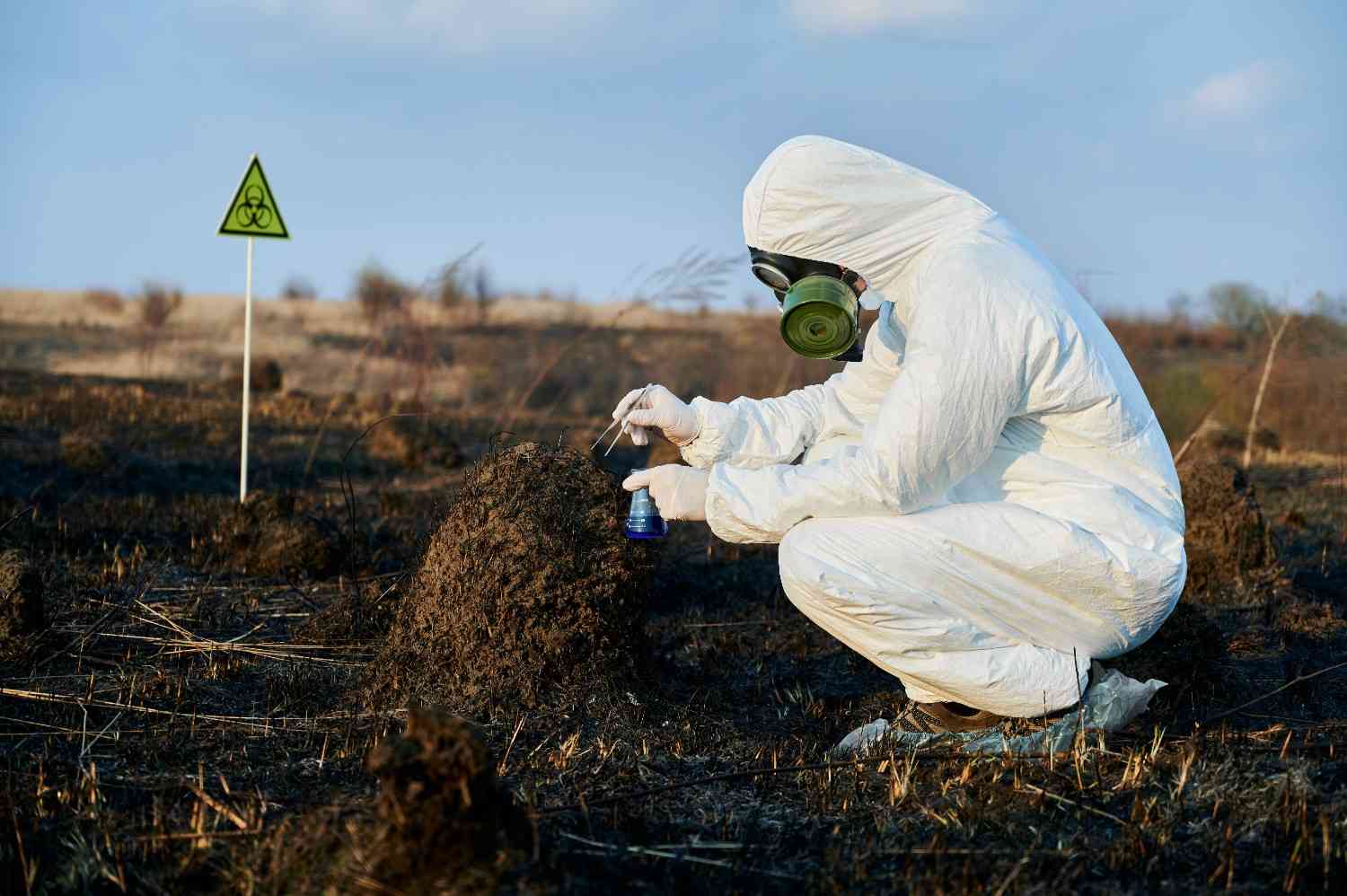
Out in my test plots, I see decomposers at work: the essential players of the cycle of life that break down fallen leaves and stubble, transforming waste and organic material into nutrients that enrich soil and nourish plants. These microscopic and mesoscale organisms are the ultimate recyclers; they recycle nutrients so fields rebound with new growth, and their steady turnover helps sustain ecosystems from hedgerow to creek across working landscapes. The Role of Decomposers: Nature’s Recyclers Explained Without them, dead matter would accumulate, nutrients would stay locked and unavailable, and both plants and animals would struggle across ecosystems I’ve managed. In practice ...
Read more
The Key Difference Between Manure and Fertilizers Explained
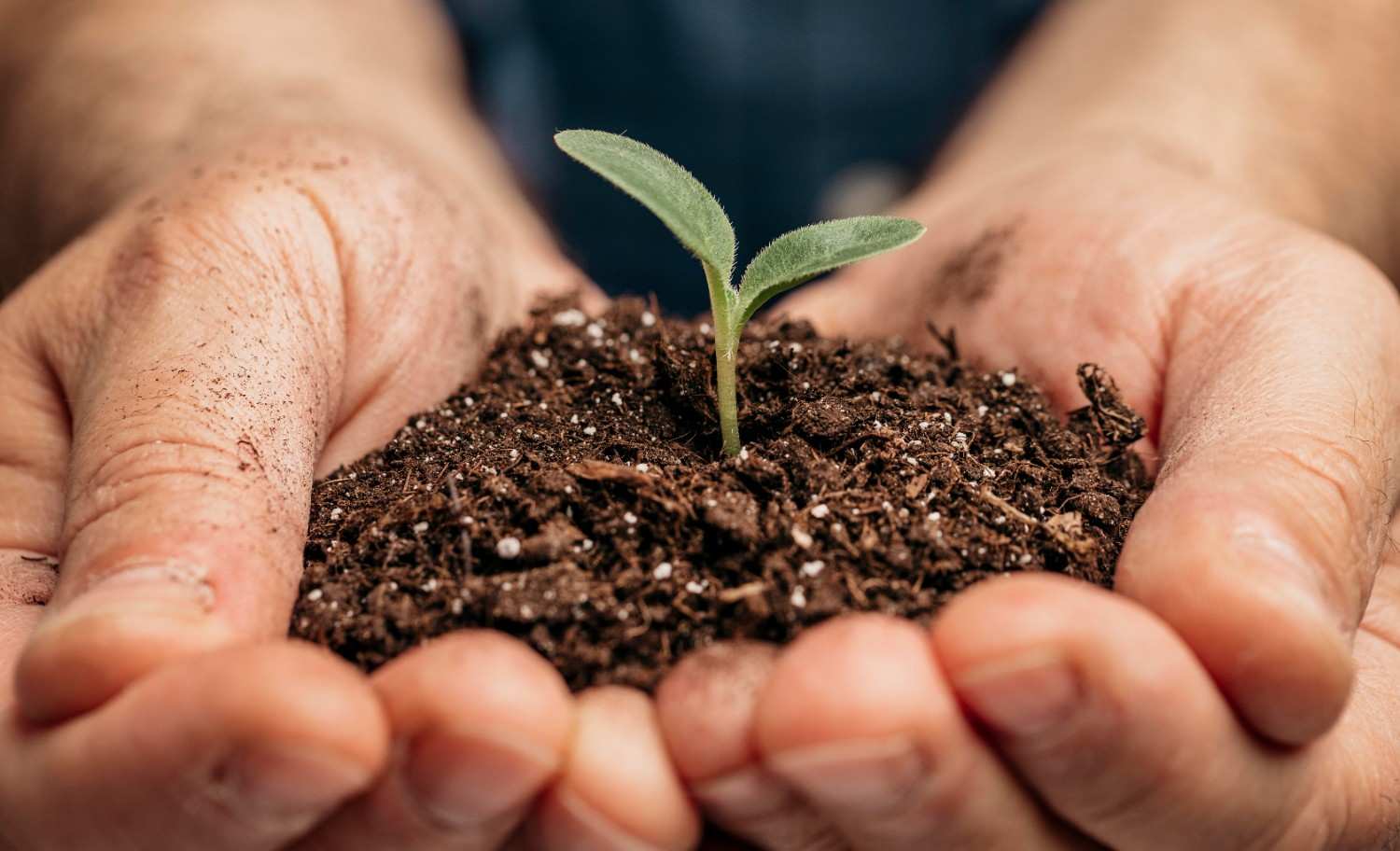
In farming, whether on a large scale or small scale, the ultimate goal remains to enhance crop production and increase profits. To achieve this, fertilisers are commonly used to supply essential nutrients such as nitrogen, phosphorus, and potassium to the soil. However, an improper or excessive application of fertilisers can lead to significant loss of minerals from the soil, which in turn causes crop loss and diminishes soil fertility. In developing countries, where farmers often rely on external inputs for boosting yields, there may be a lack of awareness about the effects of overuse, making it a costly and unsustainable ...
Read more
Maximize Farm Profits with Post-Harvest Technology
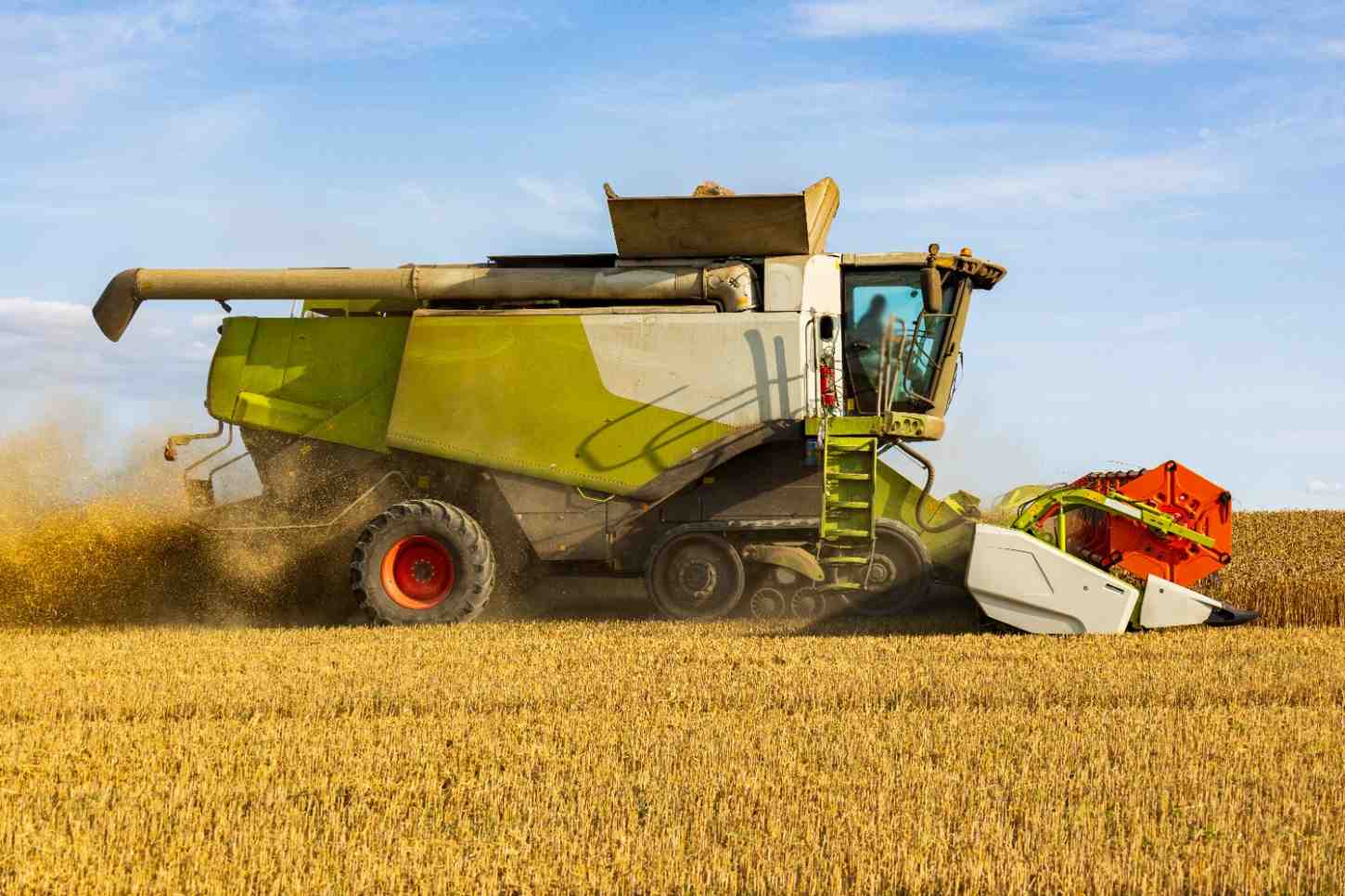
In agriculture, post-harvest management is often an underappreciated yet vital factor for ensuring the success of the harvest. After crops like fruits and vegetables are harvested, the way they are handled, stored, and transported plays a pivotal role in determining the profits or losses that farmers experience. The Food and Agriculture Organization (FAO) highlights that improper handling, storage, and transportation are the primary causes of crop waste, especially in developing countries. The concept of post-harvest technology is transforming the way we approach the management of harvested crops, emphasizing the importance of systems that extend shelf life and minimize waste. For ...
Read more