What Do Worms Eat? 10 Best Foods (and What to Avoid)
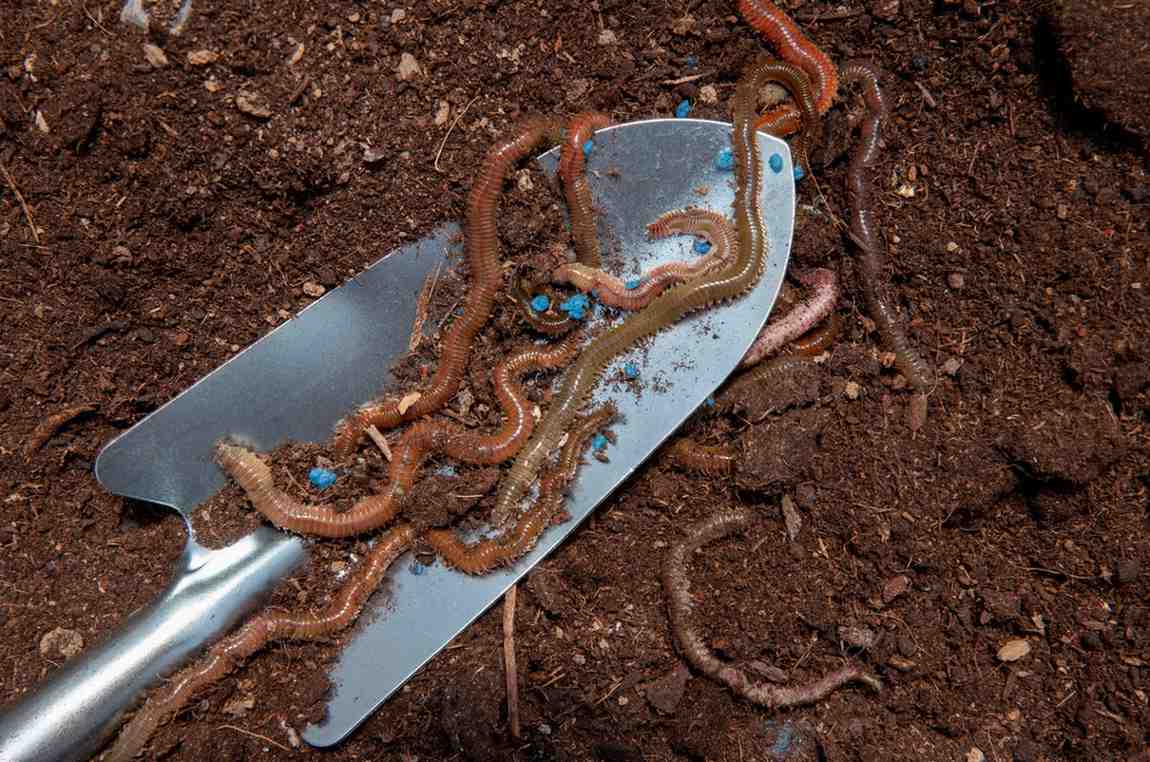
In all my years of working with composting worms, one thing has become clear: success hinges not on just tossing in your food waste, but understanding how to build a balanced habitat that mimics nature. These quiet decomposers thrive on a variety of organic matter, especially when it’s already in the early stages of decomposition. What I’ve learned in managing my own home worm composting bins is that the best approach is to prepare a mix that encourages microbes to flourish first. That’s because worms don’t eat the scraps directly—they’re more into feeding microbes that colonize the food. I alternate ...
Read more
Master the Art of Growing Asparagus in Your Garden
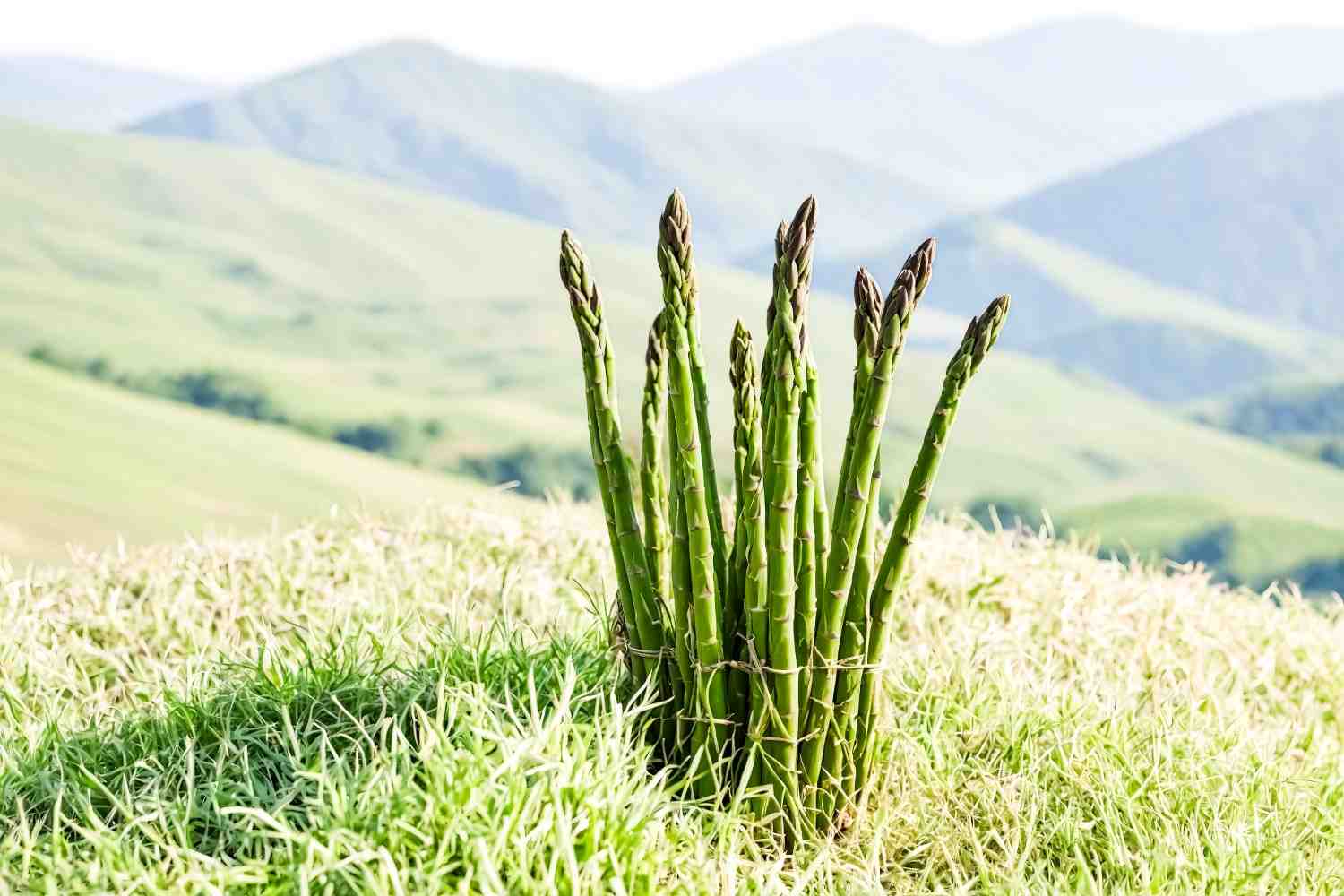
Asparagus, a perennial herbaceous plant, falls under Asparagaceae. It typically grows to a height of 100 cm to 150 cm with stout stems and much-branched, feathery foliage. This plant is widely cultivated for its medicinal benefits and as a vegetable. It thrives in tropical and subtropical climates, often at altitudes of up to 1300 meters above mean sea level (msl). Native to the western coasts of Europe, asparagus grows from tuberous roots that have a distinct grey colour. The young shoots of the plant, whether green, purple, or white, are commonly eaten and are known for being low in fiber ...
Read more
The Ultimate Guide to Growing and Caring for Peanut Plants
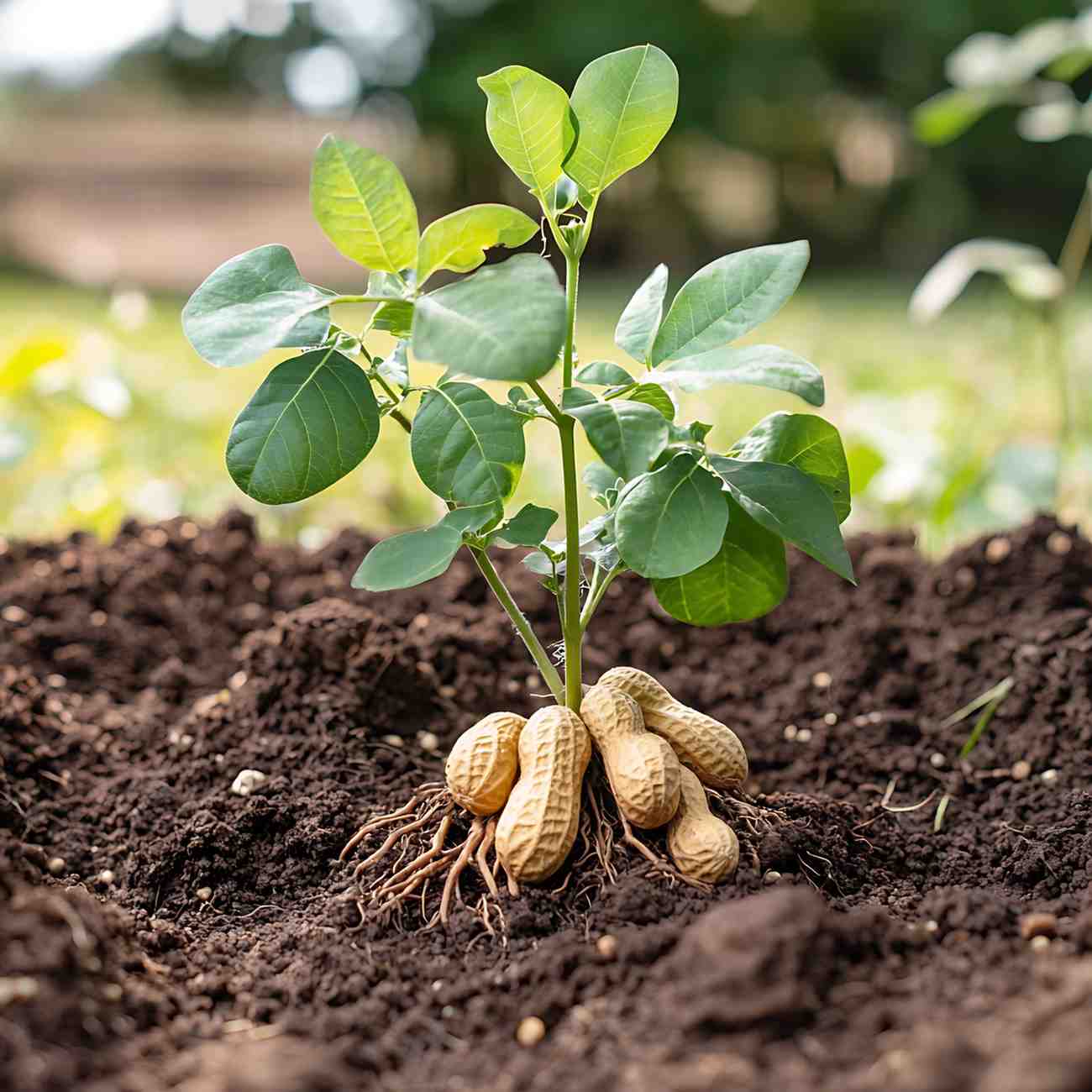
When it comes to groundnut agriculture, few crops are as versatile and rewarding as peanut farming. Peanuts, also known as groundnuts, are an important oilseed crop cultivated in the warm climates of tropical and subtropical areas. India and China lead global production, with India ranking as the second-largest producer in the world. Peanuts are part of the Fabaceae family and the Arachis genus, growing as an annual herb that can reach heights of up to 50 cm. Peanut plants thrive best in well-drained, fertile soils enriched with organic manure. This not only promotes soil fertility but also aids in soil ...
Read more
How to Create a Sturdy Pallet Compost Bin in Easy Steps

One of the easiest and most cost-effective ways to start composting in your backyard is by creating a pallet compost bin. Using seven pallets, you can build a dual-bin or even a 3-bin system for effective composting. I’ve found this c to be incredibly simple and cheap, while also offering plenty of room for inputs like food scraps, leaves, and yard waste. The middle section of the bin acts as a place to store your in-process compost, where materials are slowly broken down into finished compost. How to Create a Sturdy Pallet Compost Bin in Easy Steps The efficiency of ...
Read more
Mastering Stem Borer Control: Top Methods for Farmers
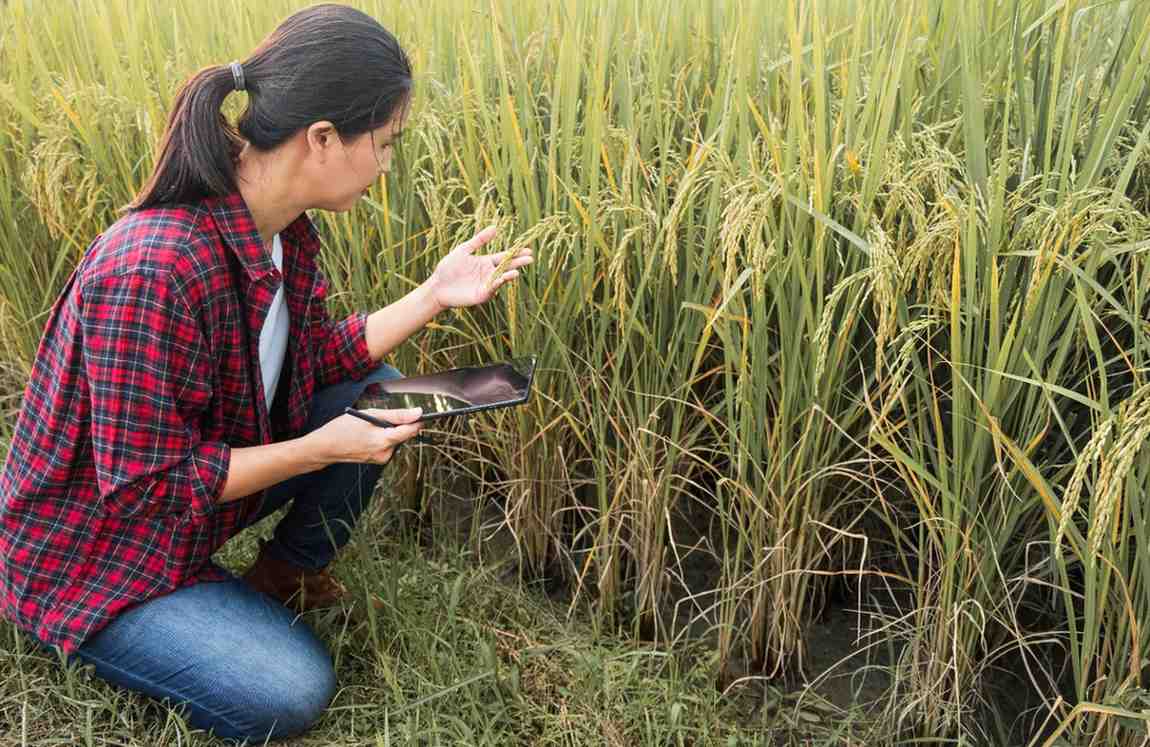
When dealing with stem borers, it’s important to recognize the damage caused by pests like Scirpophaga incertulas and Chilo incertulas, two species that belong to the Crambidae family, better known as snout moths. These insects are often hard to spot, especially when distinguishing between males and females, as their physical differences are subtle. Males are generally smaller and lighter in hue, whereas females tend to be larger and more richly colored. Stem Borer Control Scientific name: Scirpophaga incertulas However, the true impact comes from their larvae, which burrow into the plant stems, weakening them and causing wilting or yellowing, particularly ...
Read more
Rice Blast Control: Expert Tips for a Thriving Crop
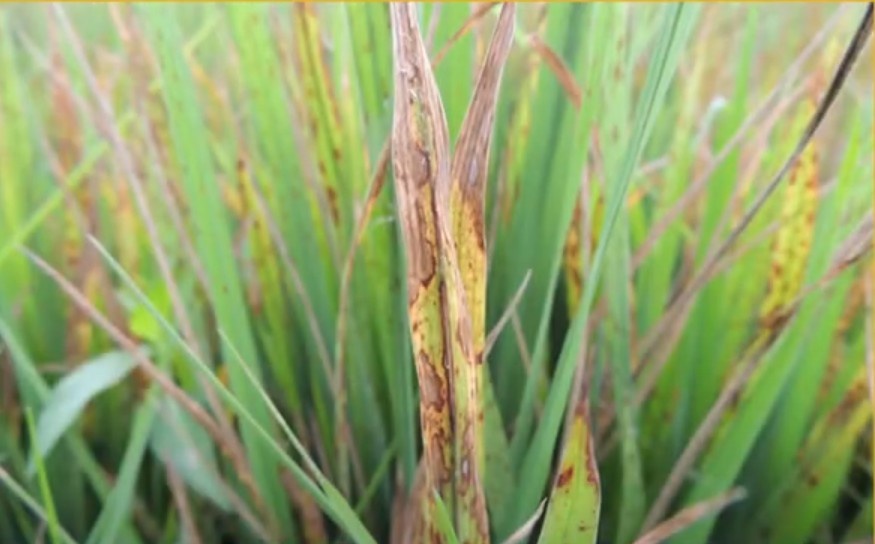
Rice blast, caused by the Pyricularia oryzae fungus, is a major concern for rice farmers, as it affects various parts of the plant. It begins with lesions on the leaves, often showing elliptical shapes with necrotic borders and an ashy center. Over time, these spots turn into irregular patches with brown borders that weaken the plant. The disease spreads to the leaf collar and culm, which are essential for the plant’s structural integrity. Infection in the culm nodes leads to girdling, weakening the plant’s stem and making it more prone to fall over. he disease also targets the panicle, causing ...
Read more