Horticulture vs Agriculture: A Business Comparison Guide
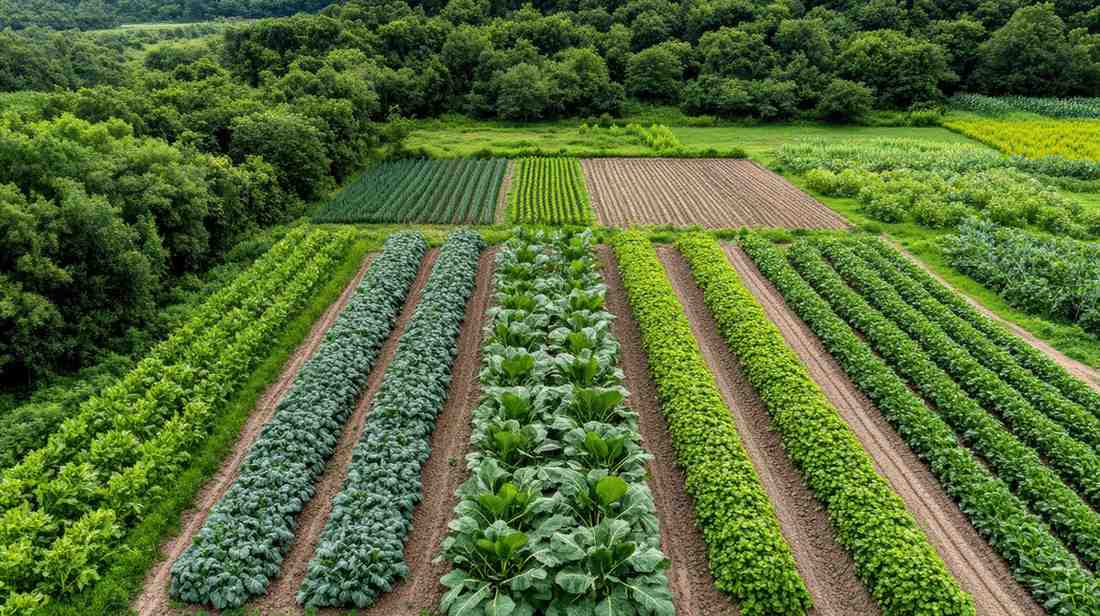
In today’s modern world, the lines between horticulture and agriculture have become somewhat blurred, as many use the terms interchangeably. However, the difference is significant when you take a closer look at the nature of the business models and strategies behind each. Horticulture focuses primarily on the intensive cultivation of fruits, vegetables, flowers, and other high-value plants, while agriculture encompasses a much broader scope, including crops like grains, fibers, oilseeds, and even livestock. This distinction plays a direct role in business decisions, as both sectors rely on different management techniques and operations to scale effectively. Horticulture vs Agriculture: A Business ...
Read more
Boost Your Harvest Naturally with 10 Proven Organic Pest Control Methods
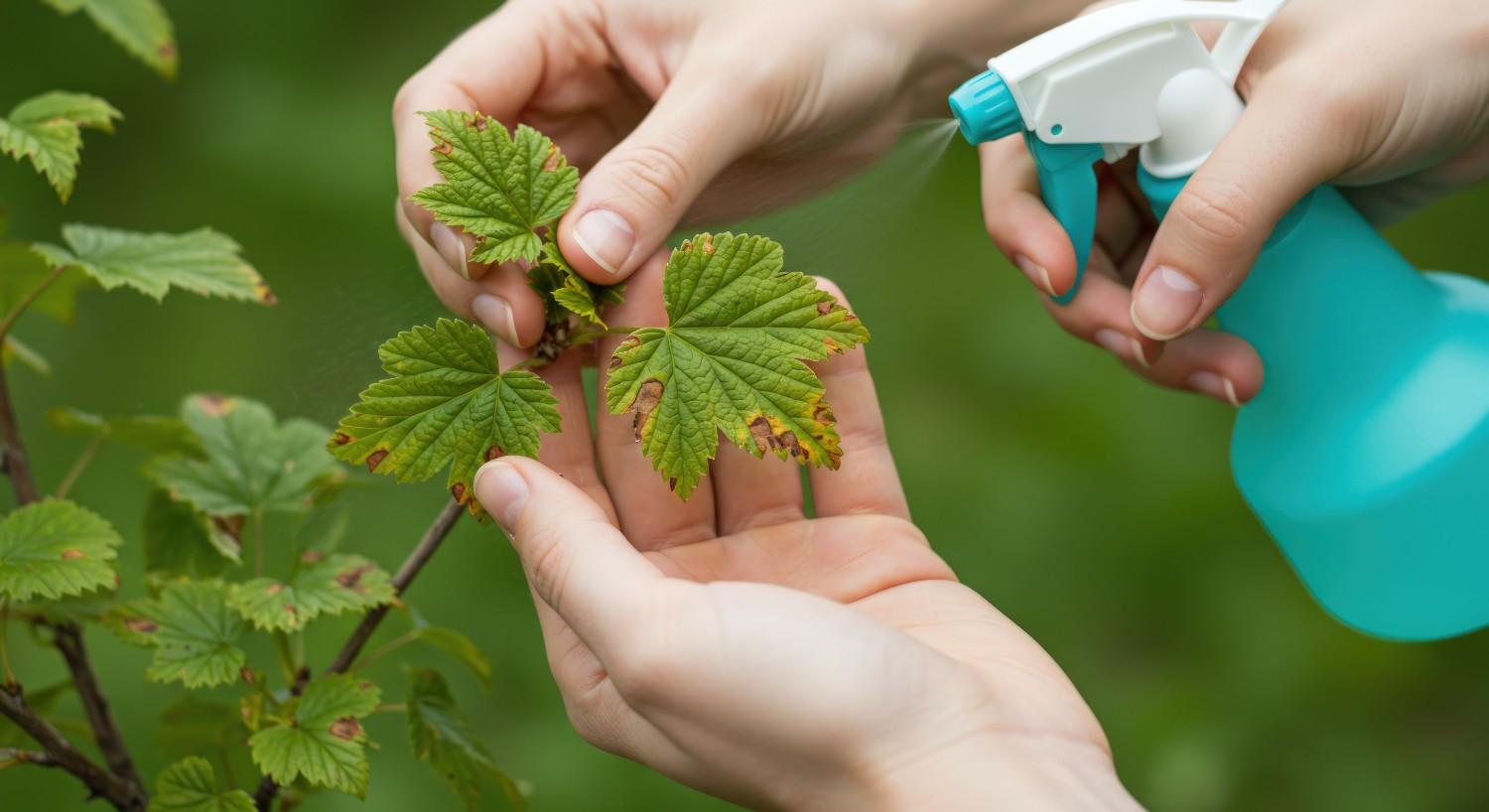
A Morning in the Field: The Reality of Organic Pest Control There’s a quiet satisfaction a farmer feels while walking through the field early in the morning, holding a cup of coffee and brushing dew off leaves that show no signs of pests or diseases. That serene moment captures the goal of this guide showing how organic pest control and natural methods can truly protect your crops without drowning them in chemicals. According to the UN Food and Agriculture Organization (FAO), nearly one-third of crop yields worldwide are threatened by pests, causing crop loss worth over $220 billion annually. Despite their short-term results, conventional pesticides and chemical pesticides not only kill pests but also harm beneficial insects, contaminate soil, and contaminate water, making them a costly choice for long-term farming. Through years of working with both smallholders and colleagues managing a small organic farm as ...
Read more
Best Organic Fertilizers for Your Vegetable Garden: Boost Growth & Harvest
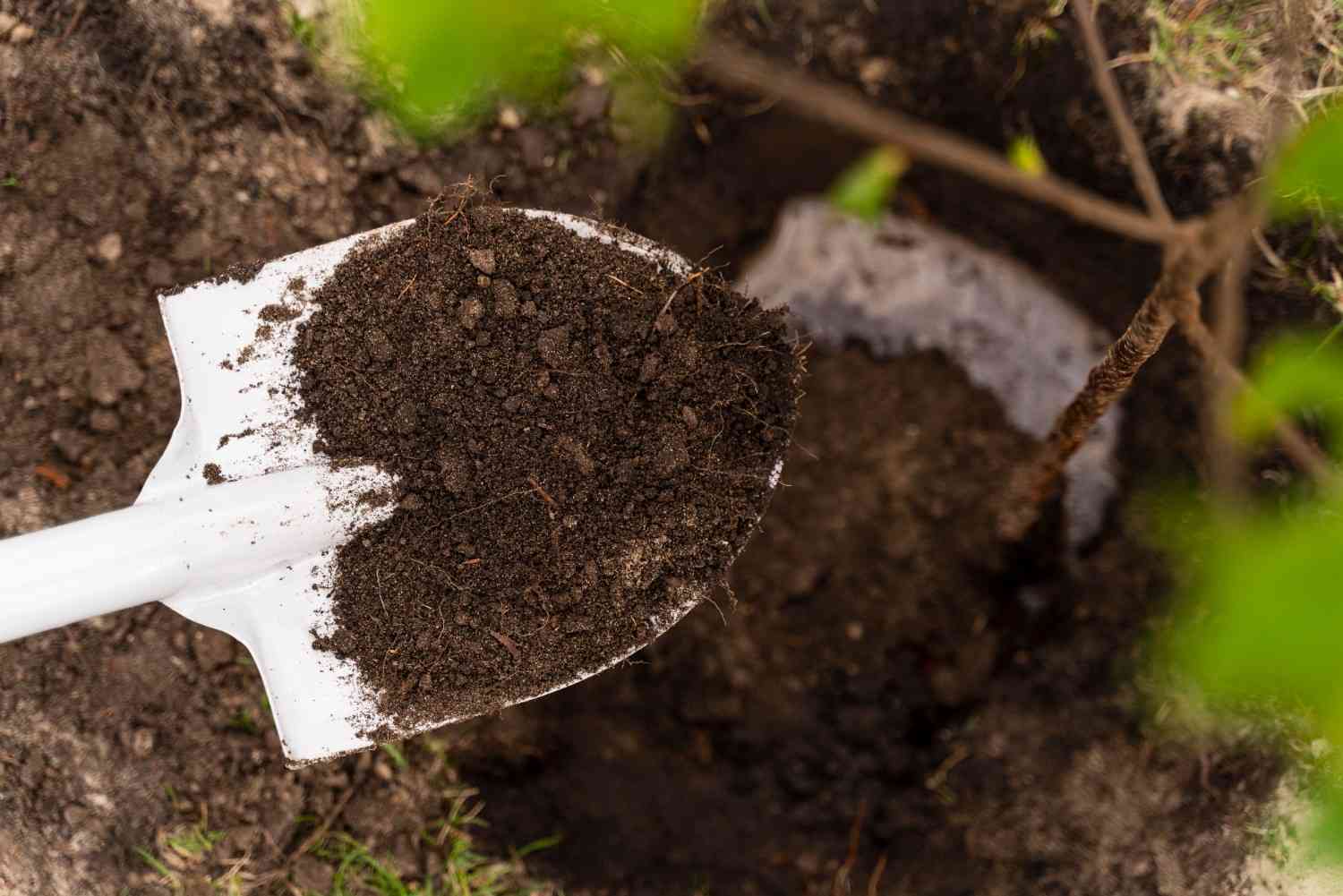
A perfect vegetable garden starts with healthy soil, and achieving that balance is key to promoting well balanced plant growth. After experimenting with various methods, I’ve found that the most effective way to create disease-free soil is by using organic fertilizers. These natural additives ensure that your veggie plants get all the nutrients they need without relying on harsh chemicals. Best Organic Fertilizers for Your Vegetable Garden: Boost Growth & Harvest When your soil is nutrient-rich, it fosters an environment that supports high yields and a high quantity of produce, all while maintaining the integrity of the land. Organic fertilizers ...
Read more
Master Vermicomposting in 7 Days: A Step-by-Step Guide to Success
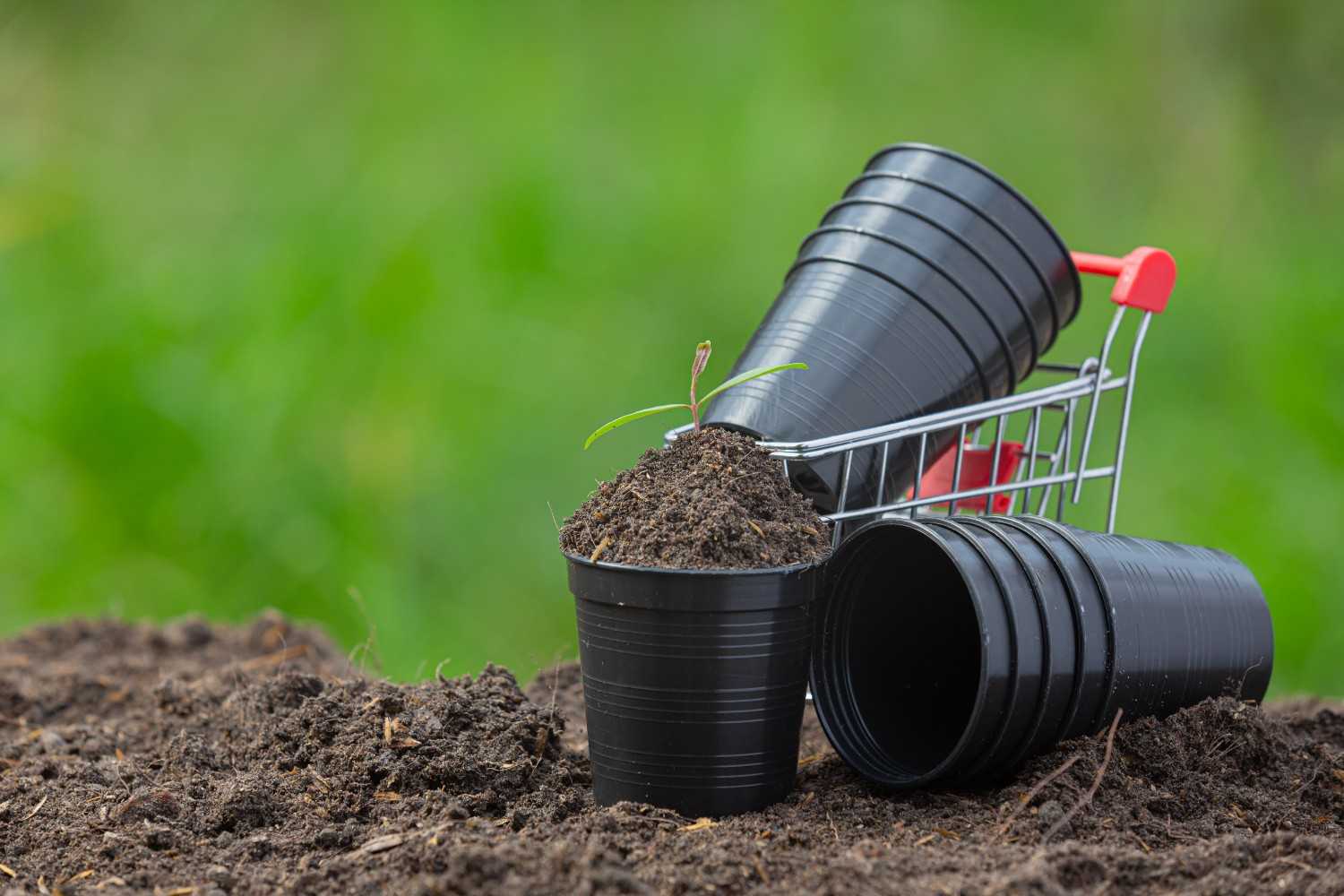
Starting a vermicomposting project involves understanding how organic waste can be converted into valuable manure. From my own experience, I’ve found that earthworms are the unsung heroes of the composting world, having spent 20 million years evolving to break down dead tissues and enrich the soil with vital nutrients. These living organisms play a key role in transforming everyday waste into a rich, dark vermicompost that not only benefits the soil but also helps reduce landfill waste. Whether for self use or commercial purpose, the vermicomposting process offers a sustainable solution for farmers and anyone looking for an alternate income. ...
Read more
Boost Your Garden: The Best Organic Fertilizers for Growth
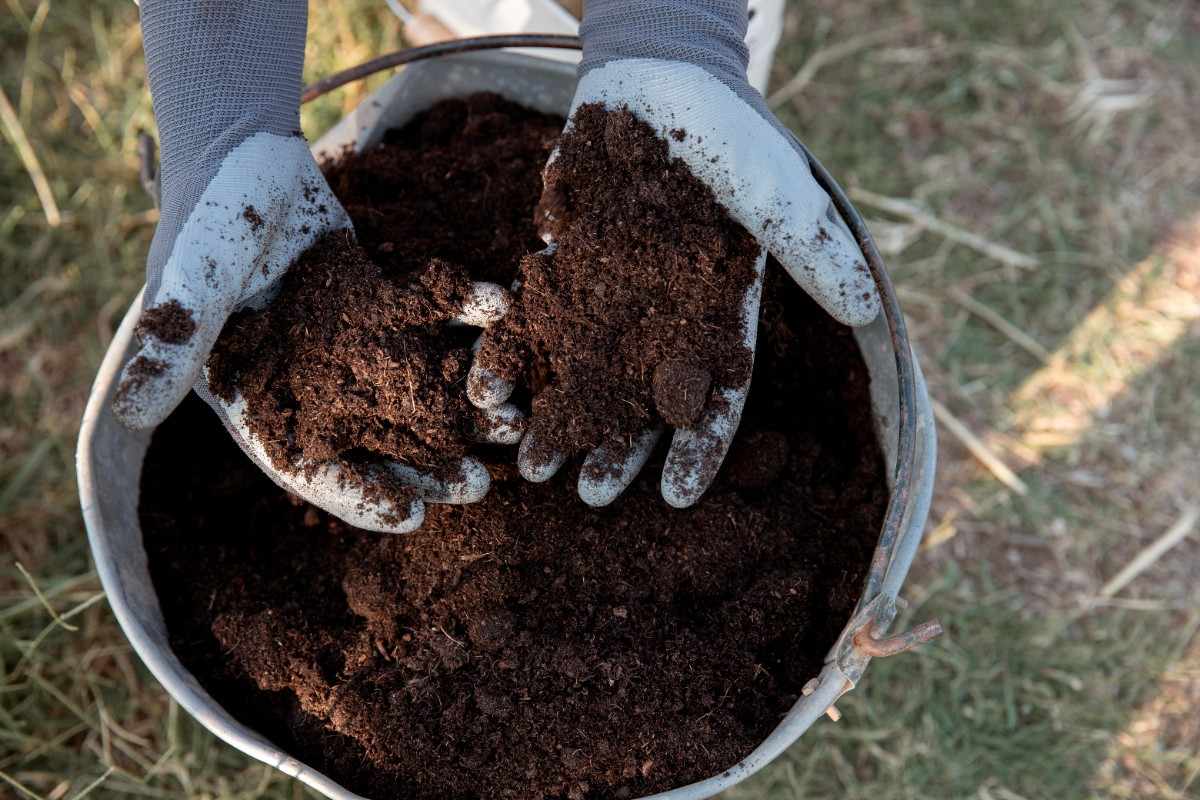
When it comes to nourishing your garden, fertilizers are the unsung heroes. However, for the new gardener, the journey into the fertilizer aisle can be a bit overwhelming. I remember the first time I walked down that aisle, confused by all the options granular, liquid, manures, and compost each boasting its own unique benefits. The array of numbers and chemical terms felt like a flashback to chemistry class, with the macronutrients like nitrogen, phosphorus, and potassium staring back at me, almost triggering memories of a high school lesson in chemistry. But don’t let those percentages or the intimidating ratios of ...
Read more
How Soy Farming Impacts Earth More Than You Think
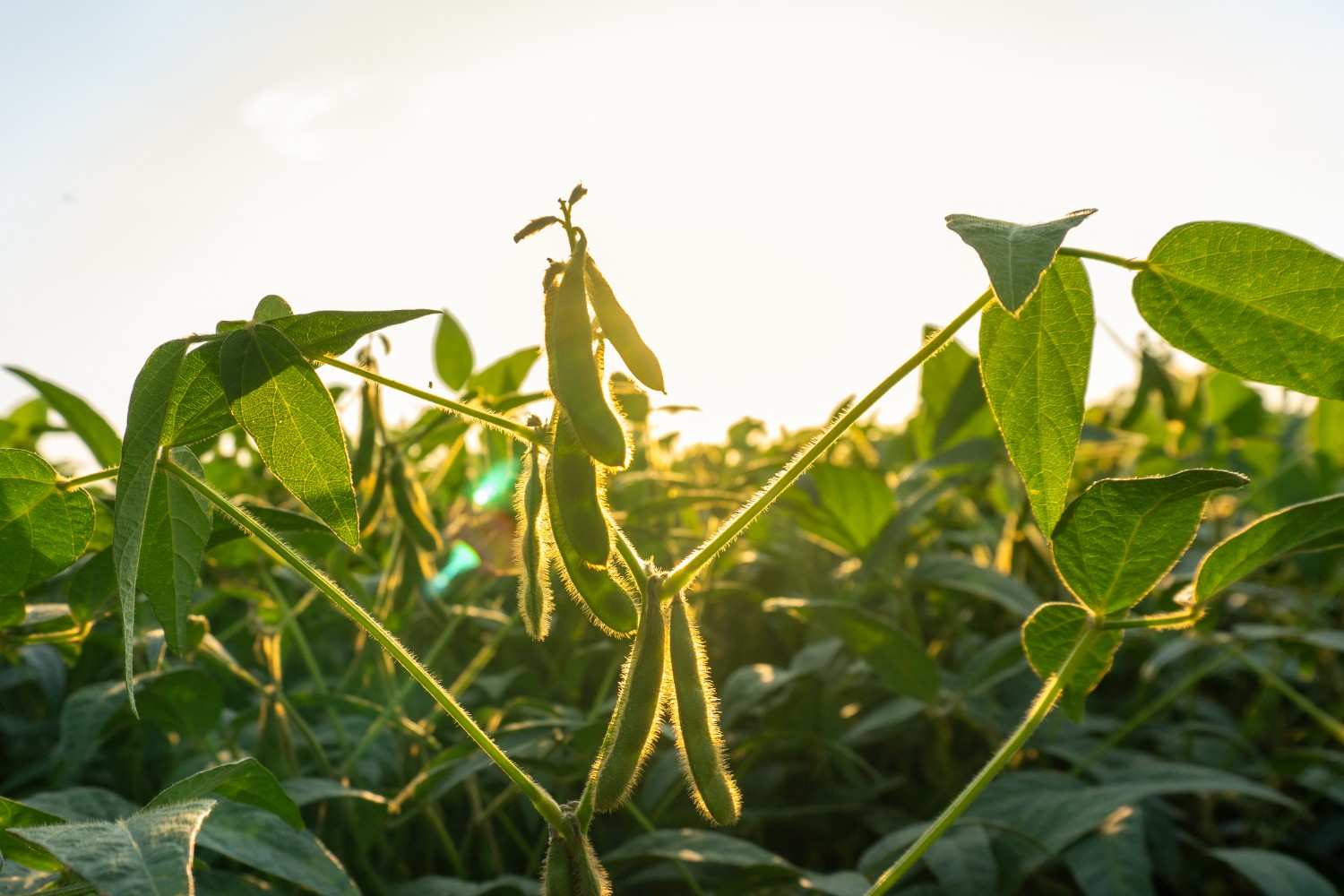
From my experience working closely with crop production systems, the soy industry has evolved dramatically since the 1960s, becoming one of the most valuable agricultural sectors globally. Soybeans, as a legume, hold a unique position in agriculture due to their high protein content and role in animal feed. The global demand for soy has surged, leading to an expansion in both land area and production rates now increasing nearly 13 times compared to several decades ago. This growth, while beneficial economically, raises questions about the cost to the environment and the sustainability of expanding farms and fields dedicated to this crop. How Soy Farming Impacts Earth More Than You Think Working on a farm, the sight of a tractor carving neat rows of soybeans into the land is familiar. The challenge is balancing productivity ...
Read more