Master Vermicomposting in 7 Days: A Step-by-Step Guide to Success
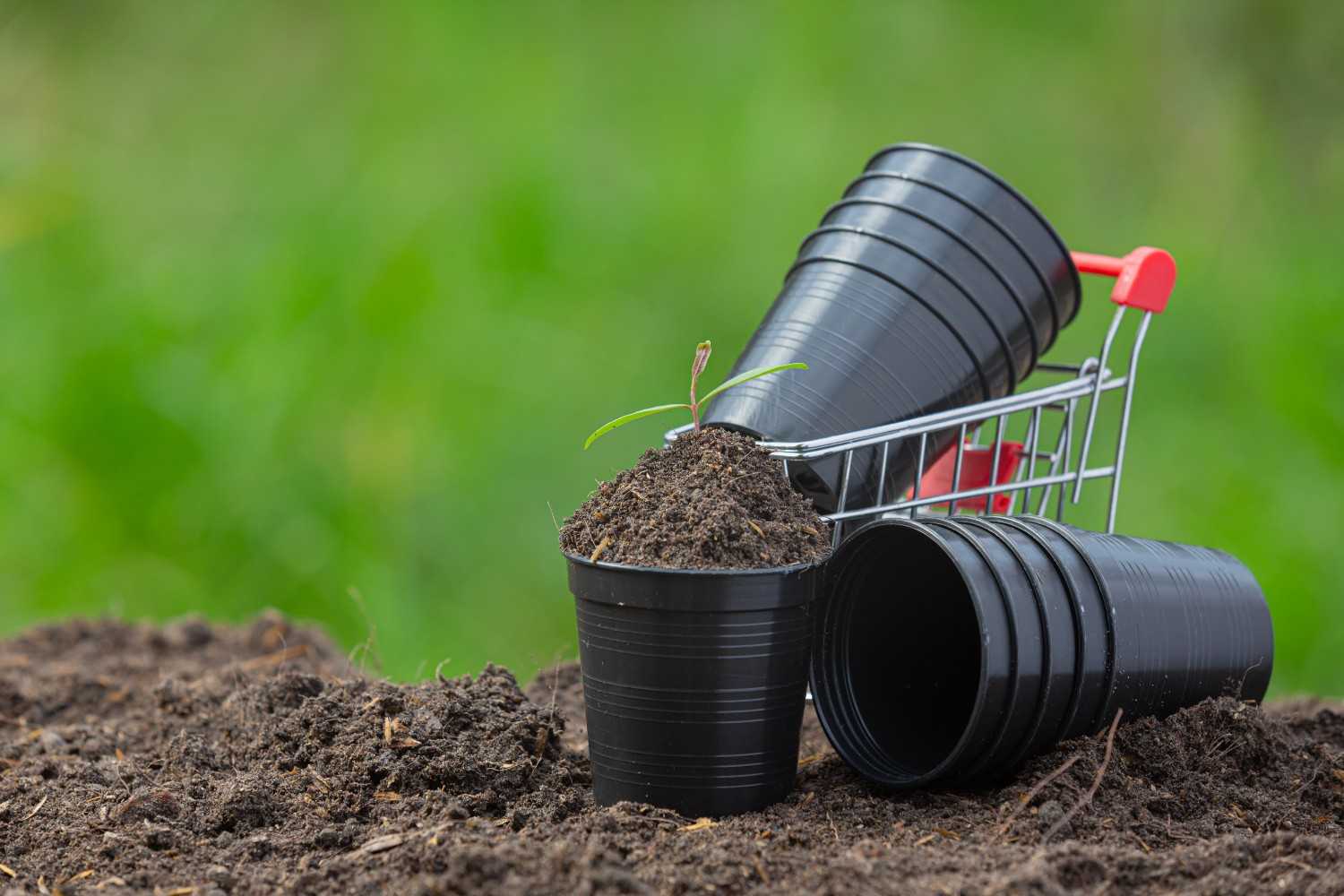
Starting a vermicomposting project involves understanding how organic waste can be converted into valuable manure. From my own experience, I’ve found that earthworms are the unsung heroes of the composting world, having spent 20 million years evolving to break down dead tissues and enrich the soil with vital nutrients. These living organisms play a key role in transforming everyday waste into a rich, dark vermicompost that not only benefits the soil but also helps reduce landfill waste. Whether for self use or commercial purpose, the vermicomposting process offers a sustainable solution for farmers and anyone looking for an alternate income. ...
Read more
Boost Your Garden: The Best Organic Fertilizers for Growth
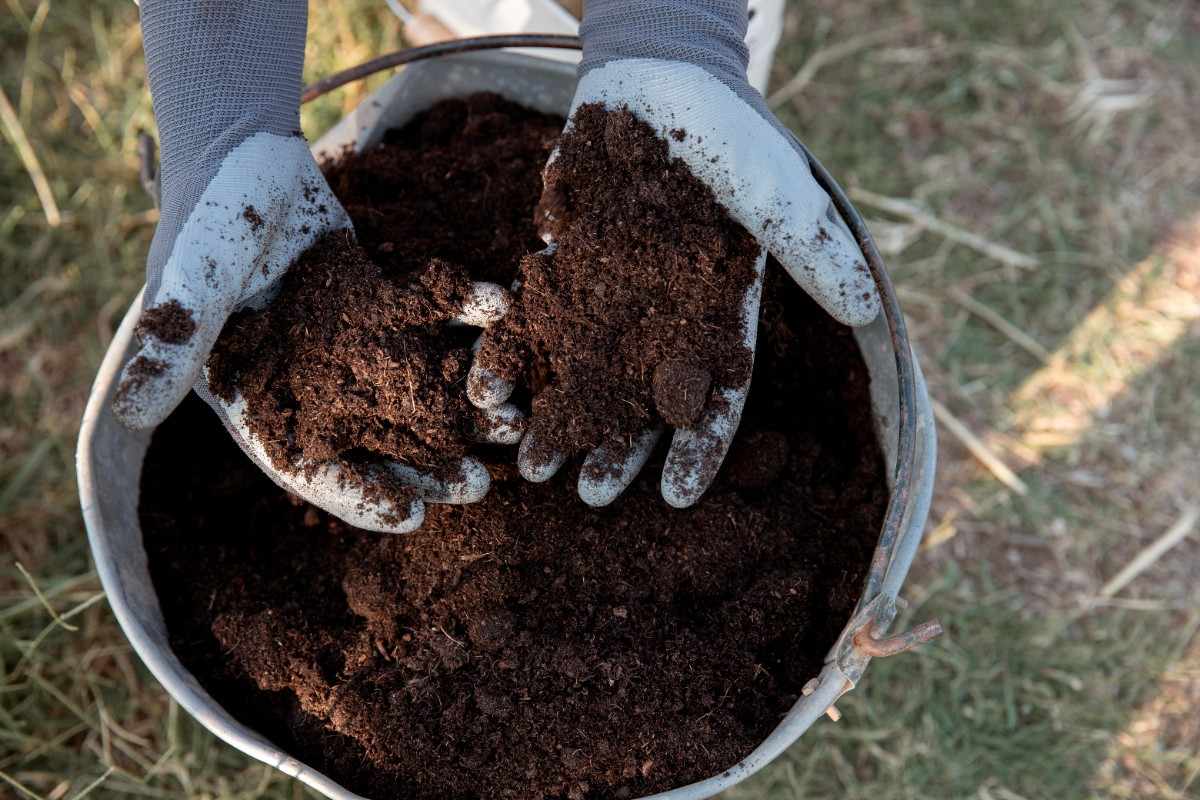
When it comes to nourishing your garden, fertilizers are the unsung heroes. However, for the new gardener, the journey into the fertilizer aisle can be a bit overwhelming. I remember the first time I walked down that aisle, confused by all the options granular, liquid, manures, and compost each boasting its own unique benefits. The array of numbers and chemical terms felt like a flashback to chemistry class, with the macronutrients like nitrogen, phosphorus, and potassium staring back at me, almost triggering memories of a high school lesson in chemistry. But don’t let those percentages or the intimidating ratios of ...
Read more
How Soy Farming Impacts Earth More Than You Think
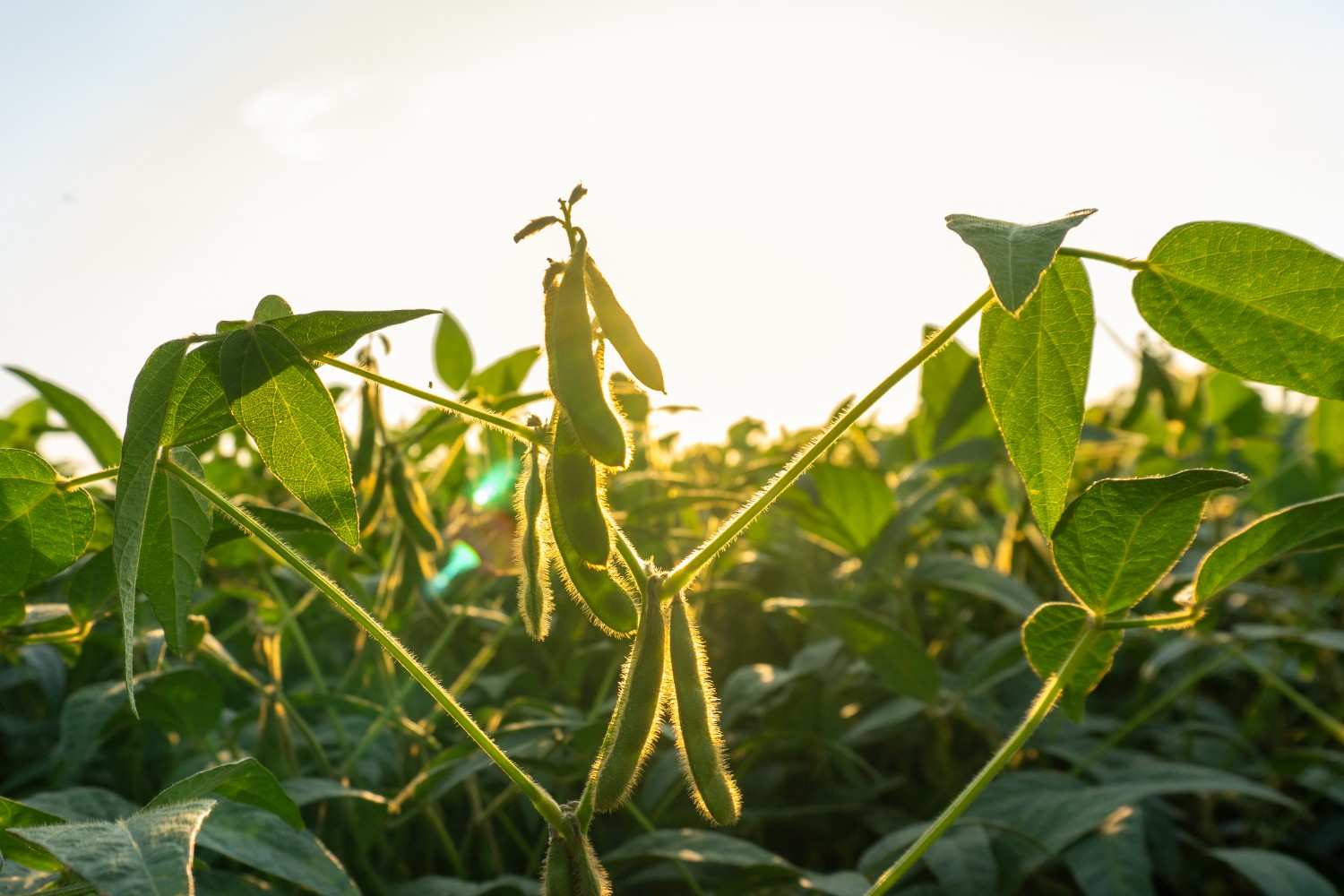
From my experience working closely with crop production systems, the soy industry has evolved dramatically since the 1960s, becoming one of the most valuable agricultural sectors globally. Soybeans, as a legume, hold a unique position in agriculture due to their high protein content and role in animal feed. The global demand for soy has surged, leading to an expansion in both land area and production rates now increasing nearly 13 times compared to several decades ago. This growth, while beneficial economically, raises questions about the cost to the environment and the sustainability of expanding farms and fields dedicated to this crop. How Soy Farming Impacts Earth More Than You Think Working on a farm, the sight of a tractor carving neat rows of soybeans into the land is familiar. The challenge is balancing productivity ...
Read more
Expert Tips for Growing Soybeans Successfully and Boosting Yields
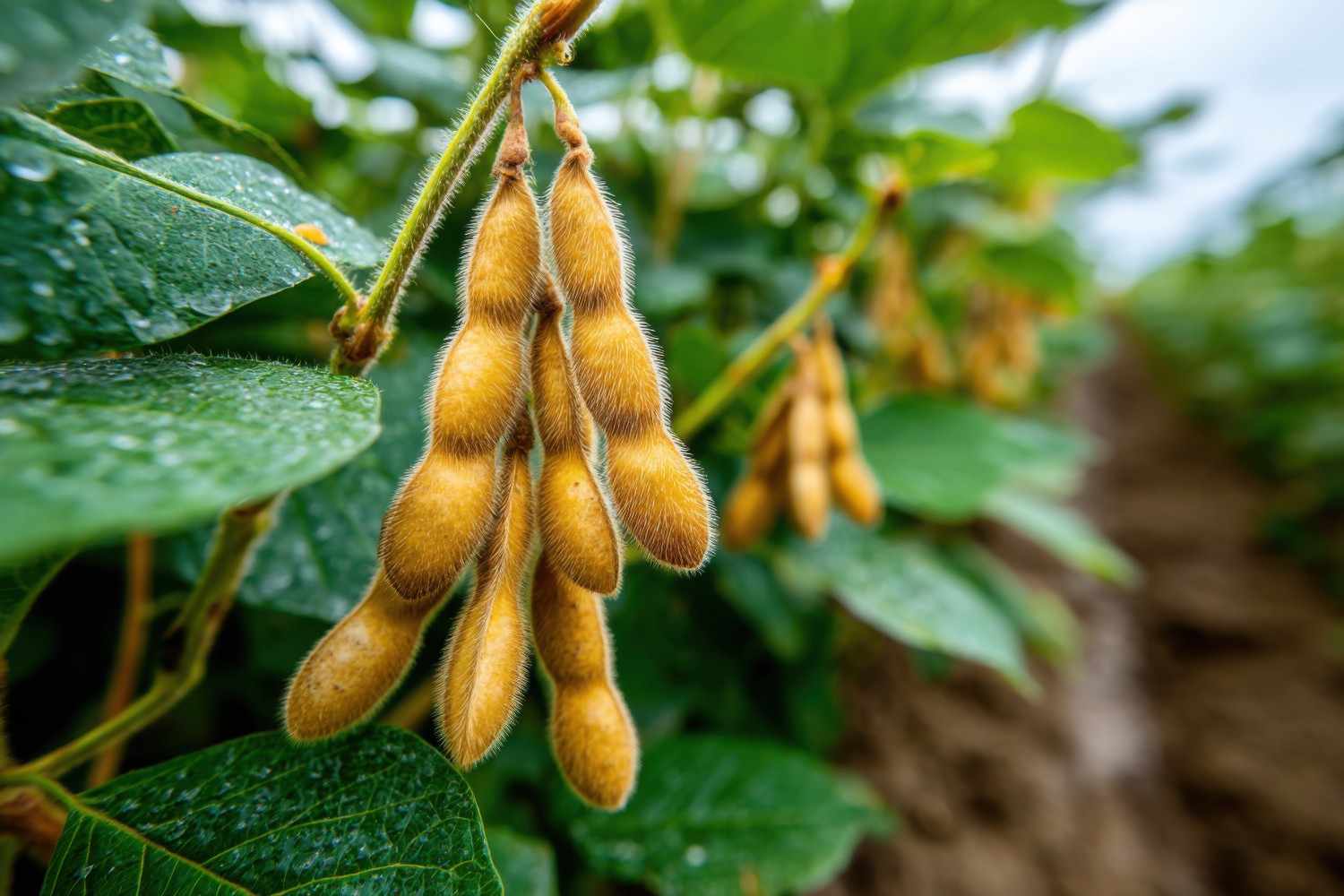
When it comes to planting soybeans, timing is crucial. The planting window can make all the difference in the success of your crop. The ideal conditions for soybean growth involve warmth and plenty of sun, but it’s equally important to ensure the soil is not only fertile but also moist. From personal experience, I’ve found that soil moisture plays a significant role in seed germination, particularly in regions where water availability is inconsistent. When moist soil meets the perfect temperature, you set the stage for robust growth. However, frost is the enemy here any exposure to cold temperatures can stunt ...
Read more
Sustainable Rice Farming: A Smart Path to Global Food Security
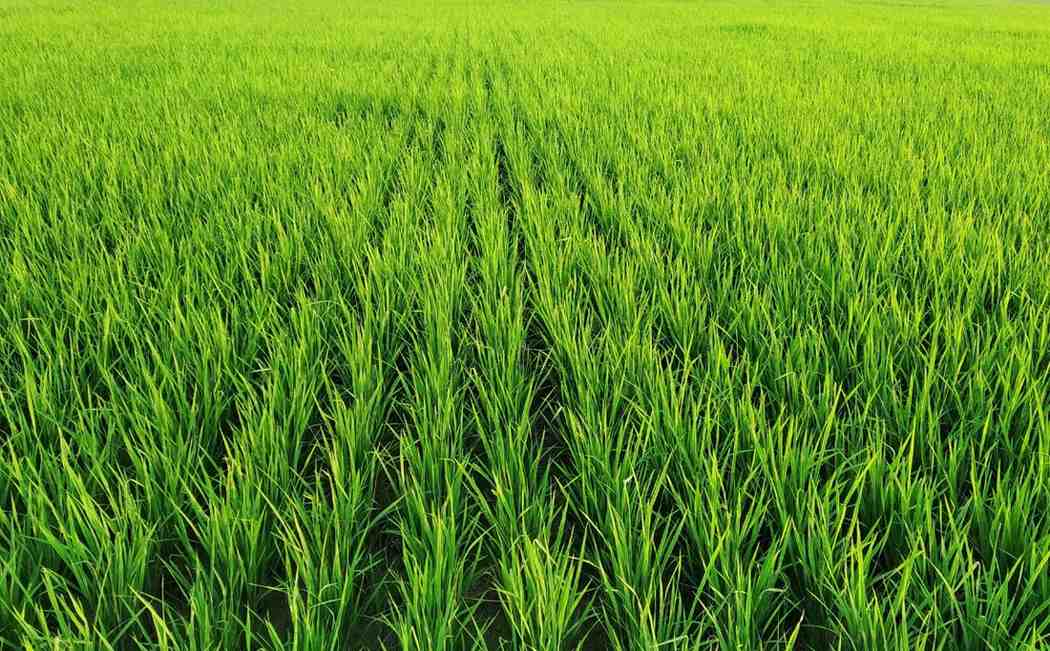
Having worked closely with ICAR and IARI on various research initiatives, I have seen how the rice sector is adapting to ensure productivity aligns with ecological preservation. Rice remains central to food security across Asia, Africa, and Latin America, and its deep cultural significance in India reflects its role in strengthening rural livelihoods and contributing substantially to the GDP. Yet, conventional cultivation methods present increasing sustainability challenges, such as high water use, rising methane emissions, soil degradation, and heavy chemical dependency, making paddy cultivation both resource-demanding and environmentally taxing. Sustainable Rice Farming: The Future of Food Security Under relentless climate change pressure and diminishing freshwater resources, there is an urgent call for sustainable farming to become a global priority. Through collaboration with global institutions like IRRI, supported by strong scientific basis and modern technologies, a green transformation is taking place anchored in innovative practices, refined techniques, and enhanced awareness of socioeconomic relevance. ...
Read more
Smart Crop Rotation: The Secret to Sustainable Farming
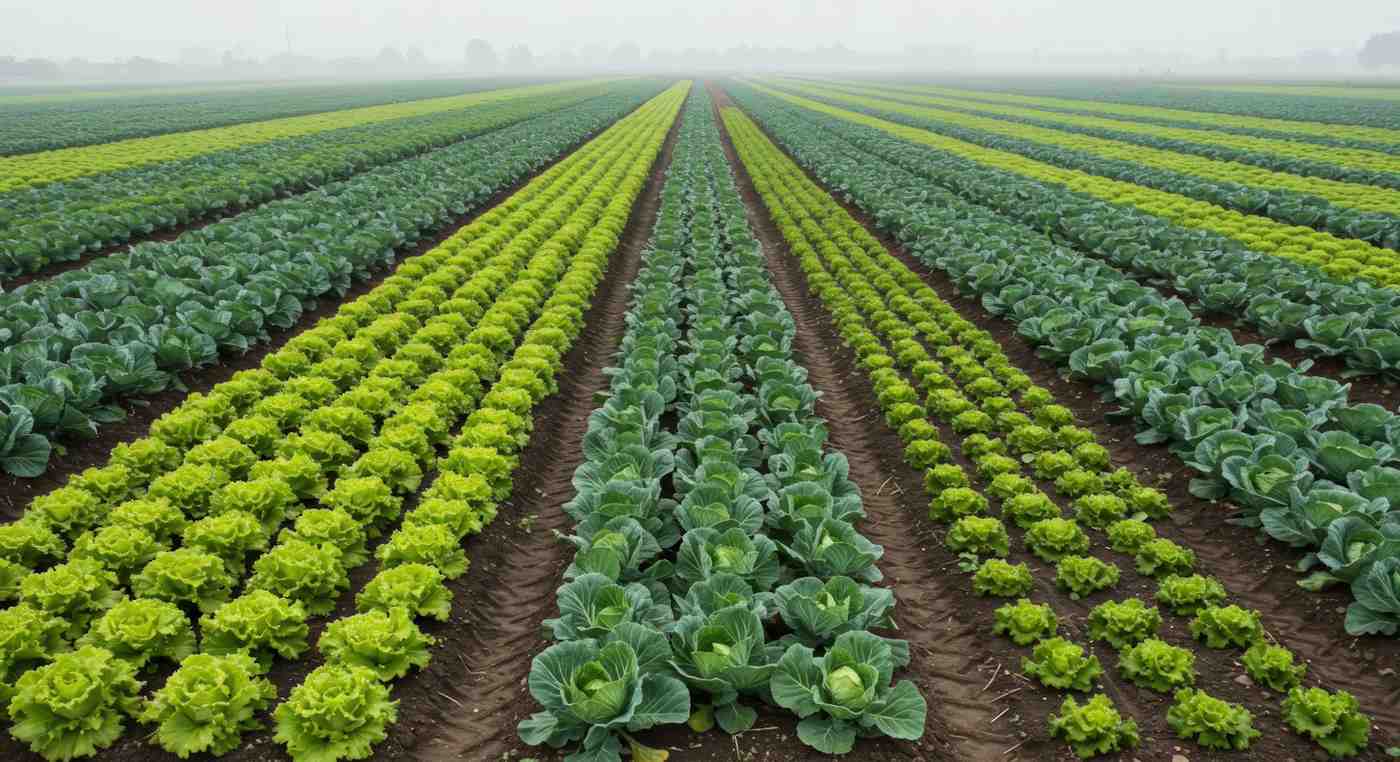
In agriculture, mastering crop rotation is not just a strategy but a commitment to the long-term outlook of your farm. From my own field experience, careful planning across seasons helps protect and nourish the soil, preventing it from depleting after continuous cropping. By following the right succession of plant species, farmers can reduce reliance on chemical fertilizers while achieving yields that significantly improve the quality of harvests. Applying best practices such as introducing multiple crops in rotation avoids common mistakes like repeating the same crop in the same plot. When done properly, rotation enriches the soil and ensures sustainable growth ahead, with each cycle building upon the previous one for more resilient farming outcomes. Smart Crop Rotation: The Secret to Sustainable Farming How the Crop Rotation Process Works From years of field observation, I’ve seen how effective crop rotation begins ...
Read more