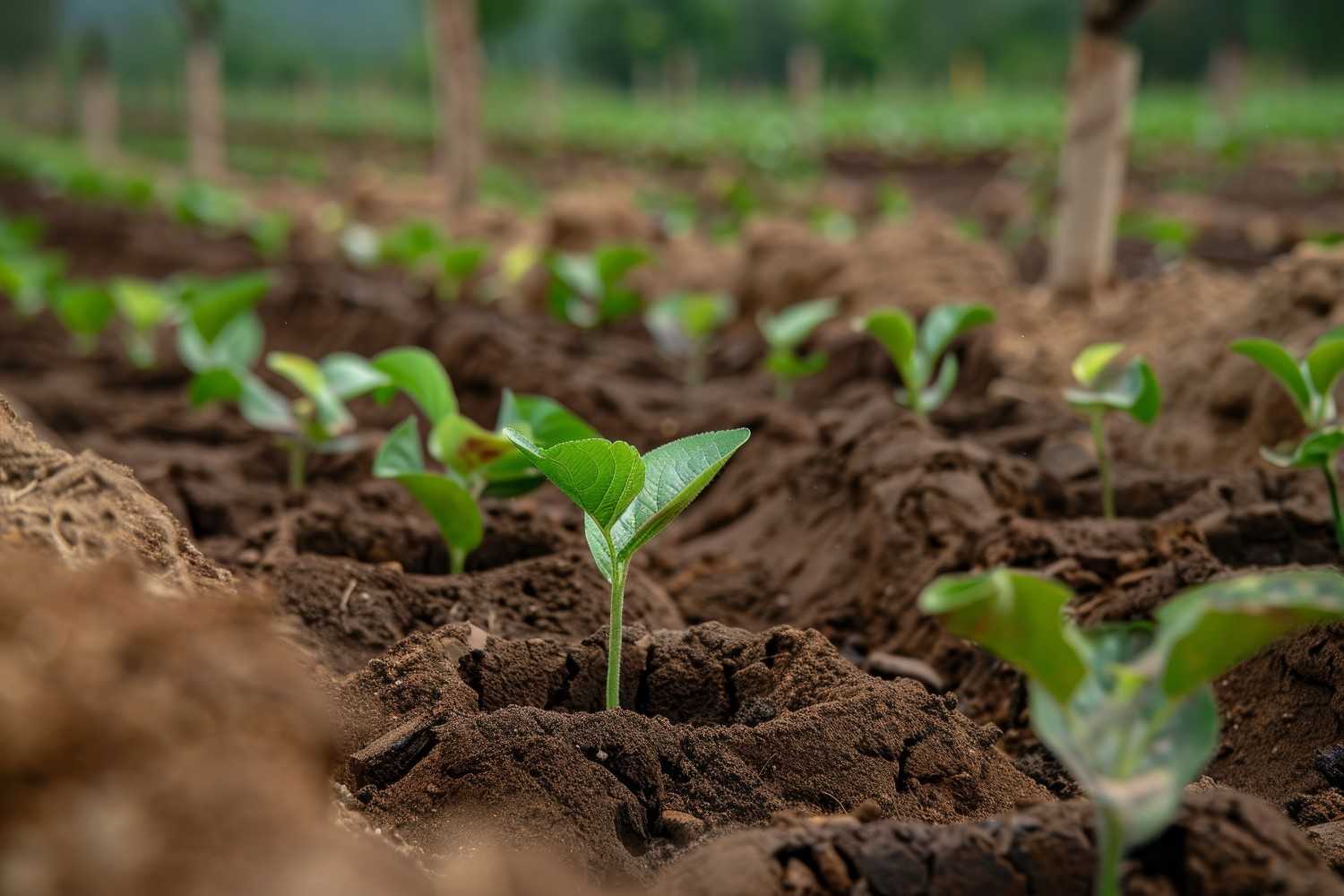
In the evolving field of sustainable agriculture, biochar stands out as a groundbreaking solution, offering significant potential for manure management and environmental conservation. By incorporating biochar into agricultural practices, farmers can reduce ammonia emissions from livestock waste, which traditionally contributes to poor air quality. Studies show that biochar can help reduce these emissions by up to 80%, thus improving the surrounding environment and air quality on farms.
Biochar in Sustainable Agriculture: Revolutionizing Manure Management and Climate Mitigation
This innovative approach also addresses the challenges farmers face in handling manure, offering a more sustainable and efficient way of utilizing waste products. As we continue to explore technologies, biochar is emerging as a powerful tool in addressing the critical issues of waste management and environmental impact, making it a key player in revolutionizing modern agricultural practices. The innovative nature of biochar and its ability to aid in environmental conservation make it an essential component in the pursuit of sustainable farming practices.

Understanding Biochar: Nature’s Carbon Sponge
-
Biochar is a fascinating material that is formed by heating plant matter or organic material in a process called pyrolysis, which occurs in the absence of oxygen.
-
This results in a stable, carbon-rich substance that can persist in soils for hundreds or even thousands of years.
-
Biochar’s porous structure, with a vast surface area, allows it to retain water and nutrients, making it a highly effective soil enhancer.
-
Through agronomic research, it has been proven that biochar can sequester carbon, which aids in climate change mitigation.
-
Biochar plays a key role in manure management, improving soil quality and reducing ammonia emissions from livestock waste.
-
Its unique properties make it an excellent candidate for addressing environmental challenges in agriculture, benefiting both soil health and air quality.
The Manure Management Challenge
-
Livestock waste management is a significant concern for farmers, particularly in dairy and large-scale animal operations.
-
Traditional methods of manure storage and disposal have caused environmental issues such as nutrient runoff into water bodies, leading to eutrophication.
-
Emission of greenhouse gases like methane and ammonia contributes to air pollution and odor problems, affecting local communities.
-
Poorly managed manure can lead to soil contamination, further exacerbating environmental degradation.
-
Biochar offers a promising approach to sustainable manure management, reducing methane and ammonia emissions while improving soil health.
-
This innovative solution addresses multiple challenges in manure management, providing an effective and sustainable way to tackle environmental concerns.
Biochar as a Game-Changer in Manure Management
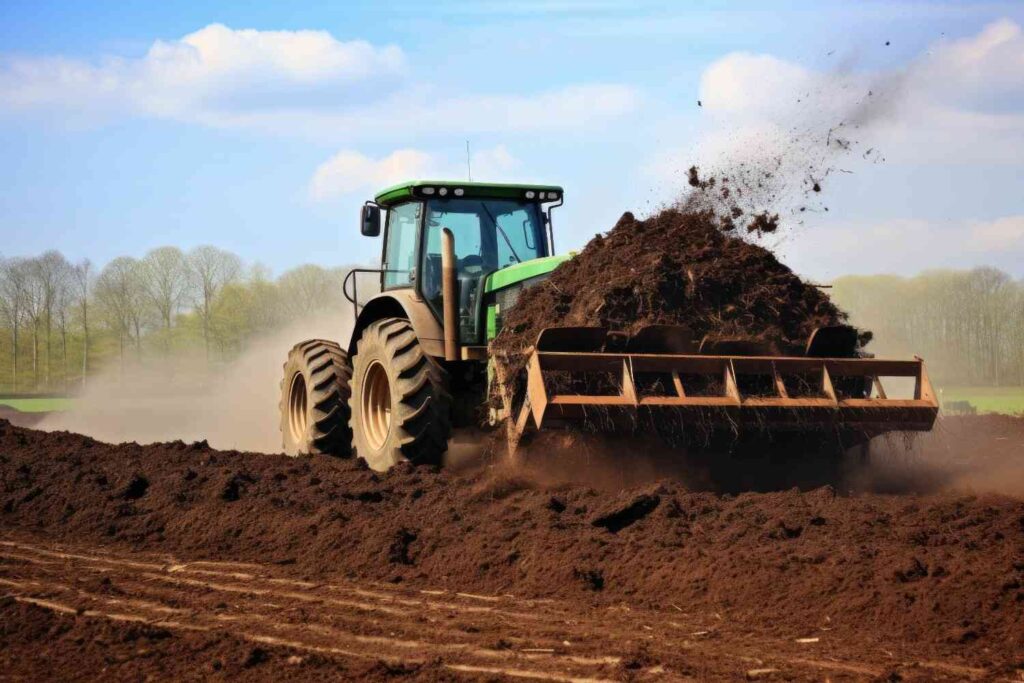
Recent research has highlighted the potential of biochar as a superior alternative to traditional manure management methods, offering key benefits like reducing ammonia emissions, improving soil health, and mitigating environmental impact. This innovative approach is transforming the way farmers manage livestock waste, providing a more sustainable solution to a longstanding problem.
1. Nutrient Runoff Prevention
One of the significant advantages of using biochar in manure management is its ability to prevent nutrient runoff. When applied to manure, biochar acts like a sponge, effectively absorbing and retaining vital nutrients like nitrogen, phosphorus, and potassium. By covering manure lagoons, it reduces the risk of leaching and prevents these nutrients from contaminating groundwater or surface water bodies, ensuring that they remain in the soil where they are needed most. This process enhances nutrient retention, promoting healthier crops while protecting local ecosystems from harmful runoff.
2. Reducing Ammonia Emissions
Ammonia emissions from livestock waste have become a major environmental concern, contributing to air pollution and posing harmful effects on both human health and animal health. Biochar has shown remarkable efficiency in reducing these emissions, with studies demonstrating up to 80% reductions in ammonia levels compared to untreated manure. By acting as a filter, biochar traps ammonia, preventing its release into the atmosphere, thus improving air quality and reducing the environmental impact of livestock waste. This approach presents a sustainable solution to a pressing issue, ensuring better health outcomes for both people and animals while protecting the environment.
3. Odor Control
The porous nature of biochar makes it an excellent odor absorbent, which is particularly beneficial in manure management. When biochar is used to cover manure lagoons or mixed with manure, it significantly reduces the emission of odorous compounds, such as hydrogen sulfide and ammonia, that contribute to unpleasant smells. This not only helps in improving the air quality around farm areas but also provides a more comfortable environment for both farmers and surrounding communities, making biochar a sustainable solution for odor control in agriculture.
4. Soil Fertility Improvement
-
Biochar-treated manure enhances soil fertility by improving soil structure and retaining nutrients.
-
It significantly improves soil water retention, ensuring better moisture availability for crops.
-
Biochar increases cation exchange capacity, improving the soil’s ability to hold essential nutrients.
-
It creates a better habitat for beneficial soil microorganisms, supporting long-term soil health.
-
This process results in more productive and sustainable agricultural fields.
Biochar vs. Traditional Methods: A Comparative Analysis
| Aspect | Biochar Performance | Traditional Manure Management |
|---|---|---|
| Odor Reduction Efficiency | High | Moderate |
| Nutrient Runoff Prevention | Excellent | Fair |
| Ammonia Emission Reduction | High | Moderate |
| Carbon Sequestration Potential | Significant | Limited |
| Soil Fertility Improvement | High | Moderate |
| On-Site Production Feasibility | High | Moderate |
| Cost-Effectiveness | Substantial Long-Term Benefits | Short-Term Benefits |
| Environmental Impact | Positive Long-Term Benefits | Moderate Long-Term Benefits |
This table compares biochar’s superior performance in areas such as odor reduction efficiency, nutrient runoff prevention, and ammonia emission reduction with traditional manure management, which typically shows moderate or fair results. Additionally, biochar provides substantial long-term benefits, particularly in terms of carbon sequestration and soil fertility improvement, offering a more sustainable solution to manure management compared to traditional methods.
Implementing Biochar in Farm Management
-
Integrating biochar into farm management practices requires careful planning to ensure effective use.
-
Biochar can be produced on-site from farm waste, creating a sustainable, closed-loop system.
-
The application of biochar is versatile: it can be mixed with manure for nutrient retention, used as a lagoon cover to reduce odor emissions, or applied directly to fields to improve soil fertility.
-
The optimal amount of biochar depends on factors like soil type, crop needs, and management goals, so proper dosage is essential.
-
Regular soil testing and crop monitoring are necessary to assess the effects of biochar application, enabling farmers to optimize its benefits.
-
By strategically incorporating biochar, farms can improve efficiency, sustainability, and overall agricultural output.
Environmental and Economic Benefits of Biochar
The adoption of biochar in manure management brings both environmental benefits such as reducing emissions and improving soil fertility and economic benefits, including lower input costs and enhanced long-term farm productivity. By improving soil health and reducing the need for chemical fertilizers, biochar supports sustainable farming while offering financial savings.
Environmental Benefits
-
Biochar significantly reduces greenhouse gas emissions from manure storage and application.
-
It decreases nutrient runoff, leading to improved water quality.
-
Biochar enhances soil health, promoting better nutrient retention and structure.
-
It supports carbon sequestration, aiding in climate change mitigation.
-
The use of biochar fosters biodiversity in agricultural soils.
Economic Benefits
-
Biochar leads to reduced costs in comparison to traditional manure management methods.
-
It promotes increased crop yields and improved soil fertility, resulting in better productivity.
-
Biochar reduces the need for synthetic fertilizers, leading to cost savings for farmers.
-
The carbon sequestration potential of biochar provides an opportunity to earn carbon credits, creating an additional income stream.
The Future of Biochar in Sustainable Agriculture
-
Ongoing research is exploring new areas for biochar’s potential applications in sustainable agriculture.
-
Biochar can be integrated with precision farming techniques to enable optimized application, improving crop health and soil moisture.
-
In climate-smart agriculture, biochar supports climate adaptation strategies, particularly in drought-prone areas, by enhancing water retention in soils.
-
The role of biochar in promoting a circular economy through closed-loop systems allows farm waste to be converted and reused, aiding water conservation.
-
Satellite-based monitoring systems will enable tracking of biochar application effects, enhancing farm productivity and crop health.
Challenges and Considerations
-
The cost of producing biochar may be prohibitive for small-scale farmers without access to on-site production methods.
-
Optimal application of biochar varies based on soil type, climate conditions, and crop needs, requiring monitoring and tailored approaches.
-
Farmers may face challenges in determining the dosage of biochar, as incorrect amounts can disrupt the soil’s natural balance.
-
The availability of resources for producing biochar on-site could be limited, increasing reliance on external suppliers and raising costs.
-
Long-term studies are needed to assess the full range of biochar’s impact on soil health, crop yields, and environmental benefits.
Biochar and Climate Change Mitigation
-
Biochar plays a potential role in mitigating climate change through carbon sequestration, storing carbon in a stable form for hundreds or thousands of years.
-
It helps capture atmospheric carbon, reducing the carbon footprint of agricultural operations.
-
Biochar contributes to reduced emissions of methane and nitrous oxide from livestock operations, improving manure management.
-
It improves soil health, making it an attractive option for farmers seeking to reduce synthetic fertilizers and energy-intensive production.
-
By improving nutrient retention and reducing fertilizer use, biochar aligns with climate-related benefits, supporting global climate goals.
Biochar in Different Agricultural Systems
The application of biochar can be tailored to suit various agricultural systems, enhancing soil health, improving manure management, and reducing environmental impact across diverse farming practices.
1. Dairy Farming
In dairy operations, biochar plays a crucial role in managing manure lagoons by reducing odor and ammonia emissions, while also preserving nutrients. This helps decrease the need for fertilizer, making the system more sustainable and cost-effective for farmers.
2. Crop Farming
-
Biochar can be incorporated into soil to improve fertility and soil health.
-
It enhances water retention, benefiting crop farmers with better moisture availability.
-
Biochar is particularly beneficial for improving poor soil quality, making it a sustainable solution for struggling farms.
3. Organic Farming
Biochar perfectly aligns with the principles of organic farming by offering a natural method to improve soil health and manage nutrients without relying on synthetic inputs. Its ability to enhance soil fertility and support sustainable practices makes it an essential tool for farmers aiming to maintain ecological balance and promote long-term soil productivity.
The Role of Technology in Biochar Implementation
| Technology | Role in Biochar Implementation |
|---|---|
| Satellite Monitoring | Enables tracking of crop health and vegetation health using satellite-based technologies like NDVI to monitor biochar application. |
| AI Advisory (Jeevn AI system) | Provides tailored advice on application rates and timing of biochar-enriched manure for optimal results. |
| Data Analytics | Analyzes historical and real-time data to optimize biochar use by improving precise application and distribution. |
| Precision Agriculture Integration | Ensures biochar is applied precisely in fields for maximum effectiveness and sustainability in agriculture. |
| Technological Applications | Enhances the effectiveness of biochar use by utilizing advanced tools to support its optimal distribution in farming systems. |
This table highlights how advanced technology helps optimize the implementation of biochar in sustainable agriculture, from AI systems to satellite monitoring, creating a more efficient and impactful approach to biochar use.
Biochar Research and Development
-
Biochar research is rapidly evolving, with new discoveries expanding its applications in sustainable agriculture.
-
Researchers are optimizing biochar production methods to meet specific agricultural needs and studying its long-term effects on soil microbial communities.
-
There is growing interest in investigating biochar’s potential for remediating contaminated soils and developing biochar-based fertilizers for enhanced nutrient delivery.
-
Biochar’s role in improving livestock health is being explored, particularly as a feed additive for better livestock management.
-
Ongoing research is focused on innovative applications to ensure biochar supports sustainable agriculture.
FAQS
What is biochar farming?
Biochar farming involves the use of carbon-rich, charcoal-like material created by pyrolysis, a process where biomass such as crop residues or wood is heated without oxygen. This process produces a stable form of carbon that can be used in agriculture to improve soil health, enhance nutrient retention, and support sustainable farming practices.
What is the purpose of biochar?
The purpose of biochar in agriculture is to increase water-holding capacity, prevent nutrient losses from fertilizers, and provide structure to the soil. By supporting the build-up of beneficial soil microorganisms, biochar plays a key role in enhancing soil health, promoting sustainable farming practices, and improving overall productivity.
Is biochar safe for human use?
Biochar is generally considered safe for human use when applied in agriculture, as it contains negligible concentrations of heavy metals and hazardous organic compounds. Its slow degradation rate ensures minimal risk to both human health and the environment, provided it is produced and used correctly.
Why is biochar better than compost?
-
Biochar-compost mixtures provide higher quality material compared to compost alone.
-
Biochar retains and slowly releases increased nitrogen, essential for plant growth.
-
Better nutrient profile achieved when combining biochar with compost, improving soil health.
-
Biochar serves as a better soil amendment, enhancing water retention and soil structure.
-
The final product of this combination reduces the need for chemical fertilizers and supports long-term sustainability in agriculture.
Can we make biochar at home?
Yes, it’s possible to make biochar at home using several DIY methods. You can create it by burning organic material in the absence of oxygen, such as in trenches, drums, or kilns. These methods control the combustion process, ensuring that the material doesn’t completely combust into ash. However, it’s important to follow safety notes when working with fire, and ensure proper ventilation when using materials that may release harmful gases. From my personal experience, making biochar at home is cost-effective, but caution is key to ensure a safe and successful process.