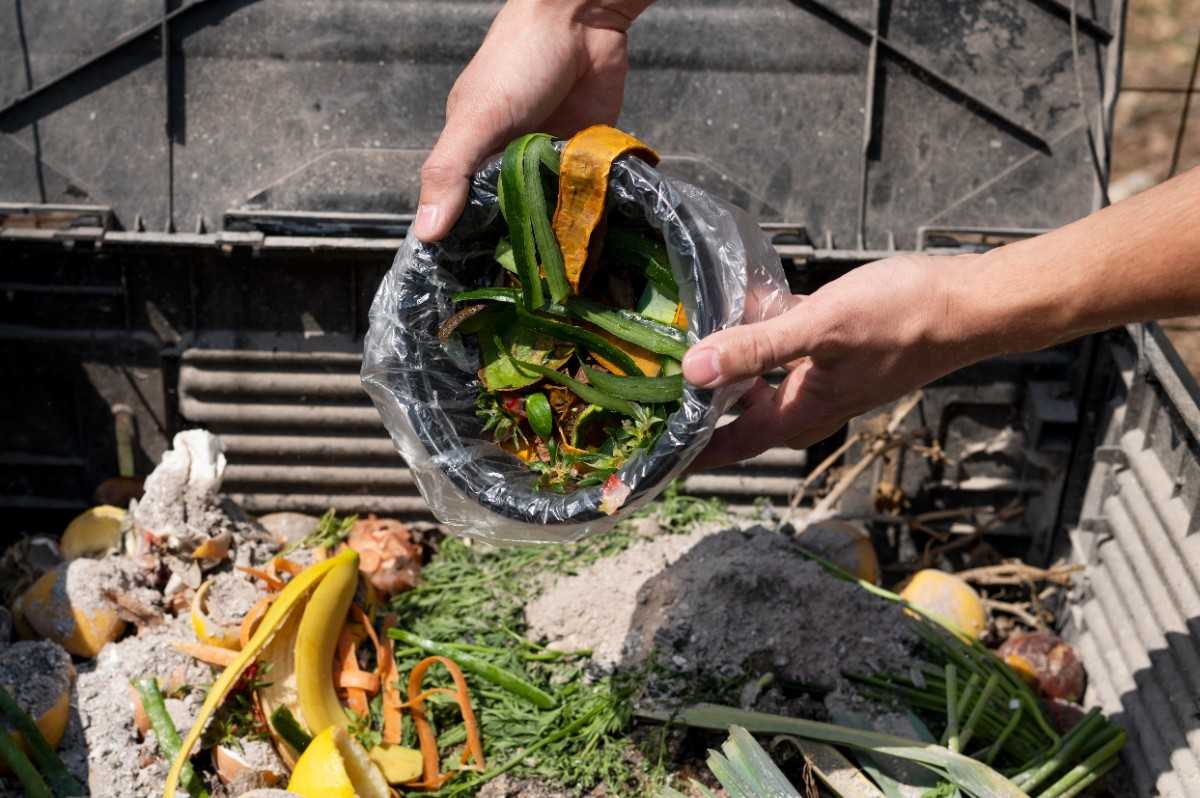
Compost livestock manure is the one resource most gardeners throw away — even though it can easily double their harvests. I still remember the days when the chicken coop or horse stall was mucked out, leaving scraped bedding from the goat pen mixed into soggy manure that always piled up far too quickly. Like many growers, I treated this mess as something to drag away from the garden as fast as possible, until I finally realised these heaps are powerful soil-building tools already sitting in our backyards, available to home gardeners and small farmers worldwide. If you also deal with crop residues, this guide on composting corn cobs and husks shows how field waste can be recycled just as effectively. When handled correctly, this overlooked resource becomes the foundation of rich, living soil, building stronger roots, healthier crops, improved moisture retention, and lasting long-term fertility.
How to Compost Livestock Manure Safely at Home
Watching neighbours build a simple two-bin composting system and use nothing more than a garden fork to prepare planting beds naturally, without damaging soil life, changed how I farm forever. I stopped buying fancy tools and relying on chemicals, and started truly working with nature, discovering that patience and care can transform a messy cleanup job into something meaningful — literally turning barn waste into real garden wealth.
Why Livestock Manure Is So Valuable for Your Soil
After years of trial and error in my own beds, I’ve realised that livestock manure is naturally packed with the nutrients plants crave, though the exact balance always depends on the animal’s diet, bedding material, and overall digestion system, which is why I never skip the composting stage before letting it work its magic in the garden. To understand the exact nutrient makeup, explore this detailed guide on cow manure nutrients and safe use before applying it to your beds.
-
most manures contain generous amounts of nitrogen, phosphorus, potassium, calcium, and helpful trace minerals
-
When composted and applied correctly, it improves soil structure by binding sandy soils and loosening heavy clay
-
It steadily increases organic matter, encouraging healthier microbial life
-
The organic base boosts moisture retention, reducing irrigation needs
-
It feeds plants slowly over time, avoiding short nutrient spikes
-
unlike synthetic fertilizers that wash away quickly, composted manure becomes part of the living soil ecosystem
Why Fresh Manure Should Never Go Straight into the Garden
I learned the hard way that one of the most common mistakes gardeners make is spreading fresh manure directly onto planting beds, assuming more is better, when in truth raw manure may contain harmful bacteria, parasite eggs, and large quantities of salts and ammonia that literally burn roots and can even contaminate edible crops. After losing a bed of leafy greens years ago, I realised that this isn’t just about poor growth, it’s about safety and protecting the people who eat what we grow.
What many don’t see is how uncomposted manure quietly carries weed seeds that survive animal digestion, so when you spread fresh, you are really planting next season’s weed problem, which is why proper manure composting in our gardens is not optional but absolutely essential if we want to turn barn waste into garden wealth instead of frustration.
The Science Behind Composting Livestock Manure
At its heart, composting is a controlled biological transformation, not rotting, where microorganisms feed on organic material and generate heat in a powerful process that destroys pathogens, lingering weed seeds, and helps in stabilizing nutrients inside the pile.
-
A successful compost pile carefully balances carbon-rich browns such as straw, sawdust, dry leaves, and shredded cardboard
-
These are mixed with nitrogen-heavy greens like fresh manure, green weeds, and vegetable scraps
-
oxygen is provided by turning, while proper moisture should feel like a wrung sponge
-
When these four elements stay in balance, the pile heats naturally and breaks down rapidly
From experience, once this rhythm settles in, barn waste stops smelling like a problem and starts behaving like the engine behind garden wealth.
Building a Simple Two-Bin Compost System
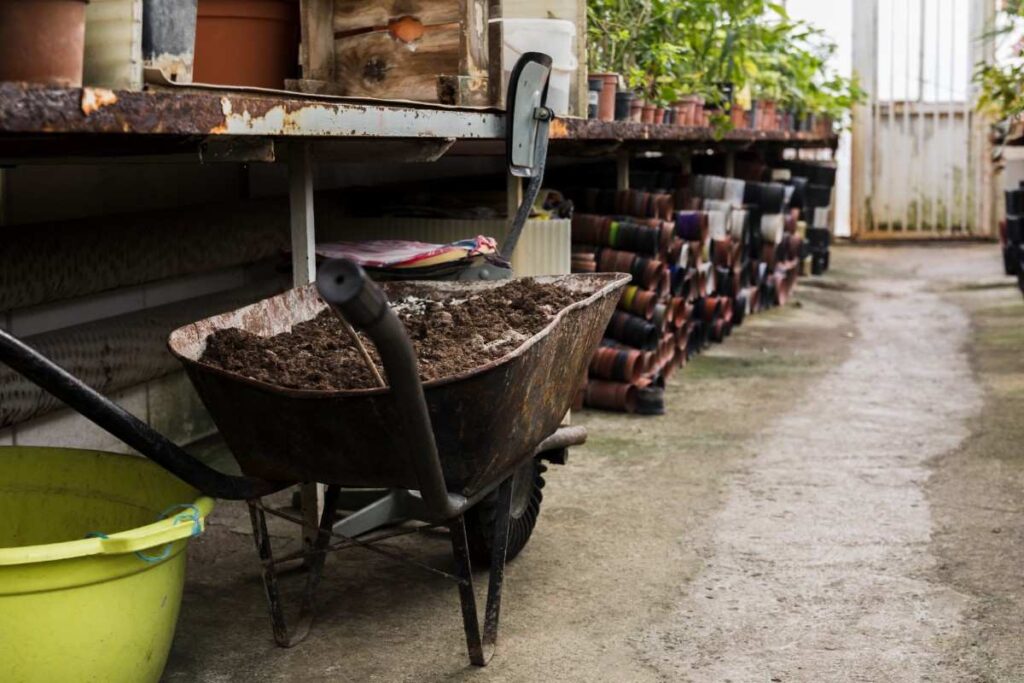
I stopped chasing expensive bins and flashy machines once I realised that all I really needed were two sturdy compost bins, which I built myself from old wood pallets and leftover planks, making sure I had enough space to turn fresh barn waste in one side while the other quietly finished breaking down into garden gold. For faster breakdown in warm climates, this vermicomposting guide explains how worms accelerate composting naturally.
Bin 1 – Active Composting Zone
This is the space where barn waste truly comes alive, the place I keep turning and watching as manure transforms from a messy, smelly pile into something that already hints at the rich soil it will soon become, long before it ever reaches the garden beds.
Ideal size
-
Maintain a height of about 1.2–1.8 meters or 4–6 feet
-
Keep the width around 1–1.5 meters or 3–5 feet
-
This volume helps internal temperatures rise high enough for effective hot composting
Layering the pile
What finally fixed my slow piles was learning to build alternate layers of manure and dry bedding materials like straw, dried grass, and shredded paper, remembering that manure contains bedding so the goal is a balanced carbon-to-nitrogen ratio, which only works when you avoid thick layers of any single material and instead mix everything thoroughly from the start.
Moisture test
-
grab a handful, preferably wearing gloves
-
The compost should feel damp and release only a few drops of water when squeezed
-
If it is too wet or dry, turn the pile
-
Repeat this check every 7–10 days during the first month
-
properly managed piles build enough heat to reach 55–60°C or 130–140°F
Bin 2 – The Curing Stage
-
after about four to six weeks, the pile no longer heats even after turning
-
At this point, move the material to the second bin
-
Here it finishes decomposing slowly over two to six months
-
During curing it keeps developing a dark, crumbly, earthy texture
When Compost Is Ready to Use
I always trust my senses first: when the finished compost finally smells like forest soil and not manure, and the original materials are no longer recognizable, I know the composted manure is truly safe for gardens, seedbeds, and even gentle potting mixes, though I still use it sparingly because with soil, more is not always better. Once compost is ready, combining it with organic fertilizers for vegetables can further strengthen soil biology.
How Much Composted Manure Should You Apply?
-
In most gardens, spread only ½ to 1 inch on your planting beds
-
lightly mix it into the top soil layer
-
Avoid over-application because it causes nutrient buildup
-
This excess leads to root damage and potential water pollution
Introducing the Garden Fork: The Gentle Soil Preparation Tool
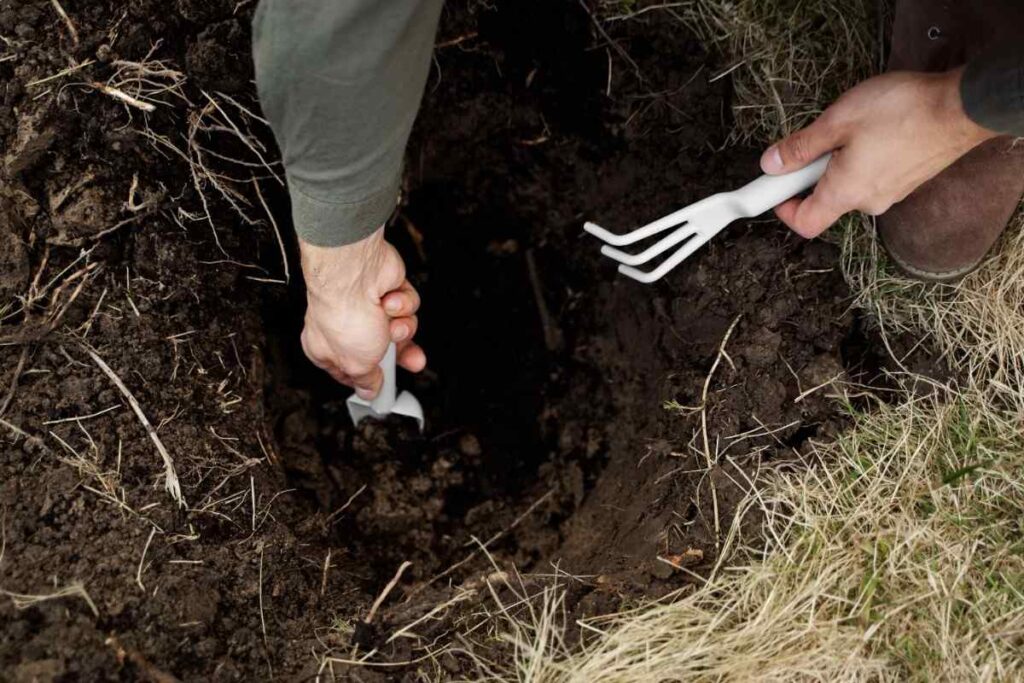
When compost is ready to incorporate, I’m always reminded that soil matters, yet many gardeners still rely on spades, tillers, and other heavy tools that flip soil layers upside down, destroy earthworm tunnels, and disrupt microbial networks, while a simple garden fork used for soil preparation works differently, gently opens the soil while preserving natural structure.
Step-by-Step: Preparing Planting Beds with a Garden Fork
Clearing and loosening the bed
-
clear the surface to remove weeds, stones, and old crop debris
-
loosen without turning by push the fork about 15–20 cm or 6–8 inches into the soil
-
Let it rock gently back and forth and do not flip the soil over
Working the full bed evenly
-
work in rows and move methodically across the bed
-
Ensure each forkful overlap slightly with the previous one
-
This helps break compacted zones and stubborn hard patches
Adding compost and finishing
-
Make a second pass to fully loosen the bed
-
incorporate compost by scatter composted manure
-
lightly blend it into the top layer using your fork
-
This approach protects beneficial organisms while preparing the bed for smooth planting
Using a Garden Fork to Control Weeds Naturally
Over the years I’ve found that stubborn shallow-rooted weeds like couch grass, nettles, and creeping grasses form dense mats near the soil surface, so I simply insert the fork at a 45-degree angle beneath the weed clump and lever upward instead of pulling and straining your back, then shake soil from the roots and remove weeds in one piece, a method that prevents regrowth and quietly protects crop roots at the same time.
Additional Uses of the Garden Fork
-
A quality fork is the most versatile tool in your shed
-
Ideal for lifting potatoes without cutting tubers
-
Great for transplanting seedlings without root damage
-
Useful for dividing perennial clumps by using two forks back-to-back
-
Handy for turning compost piles and moving straw, manure, and other garden debris