What Is a Representative Soil Sample? Avoid Costly Errors
A representative soil sample is not just a soil sample taken at random; it is a carefully collected sample meant to show the average condition of an entire field, garden, or specific management zone in a way that accurately reflects the real field condition, garden condition, or zone condition. In simple terms, instead of testing soil from a single spot, we aim to understand the overall properties and soil properties of a defined area, including physical properties, chemical properties, and biological properties that shape real-world characteristics. Accurate soil testing begins with understanding how a small soil sample reflects real field ...
Read more
Best Seasons for Crop Growing: Ultimate Farming Guide
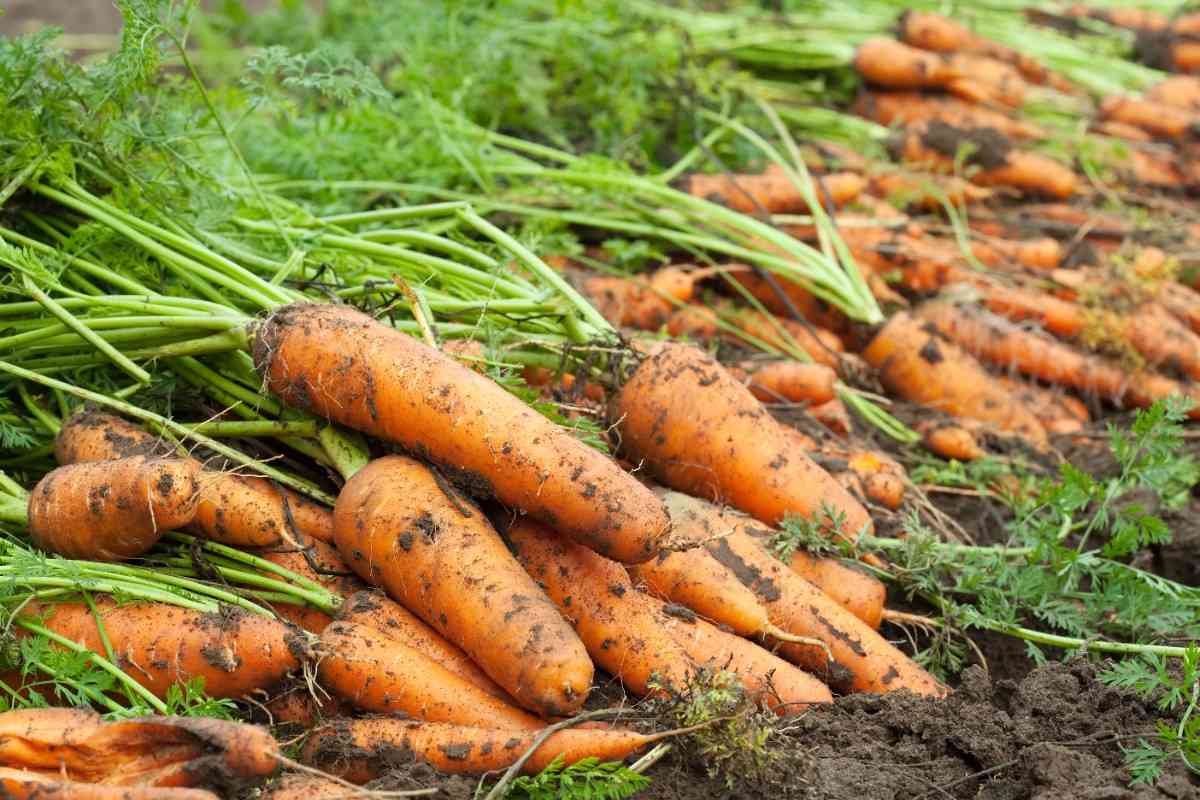
In my early years as a seasoned farmer, I learned how the timing of every planting decision plays a critical role in a crop’s success, and this complete guide reflects that same lived gardening journey, showing how choosing the right seasons and reading the conditions can turn a disappointing harvest into a thriving one; by observing spring’s cool beginnings, shifting toward summer’s heat-loving growth, and matching each variety with its ideal temperature and soil conditions, you can maximize your seasonal crop schedule with simple, easy, follow steps packed with actionable insights that give a clearer understanding of how food systems ...
Read more
N-P-K Ratio Explained: What Fertilizer Numbers Really Mean
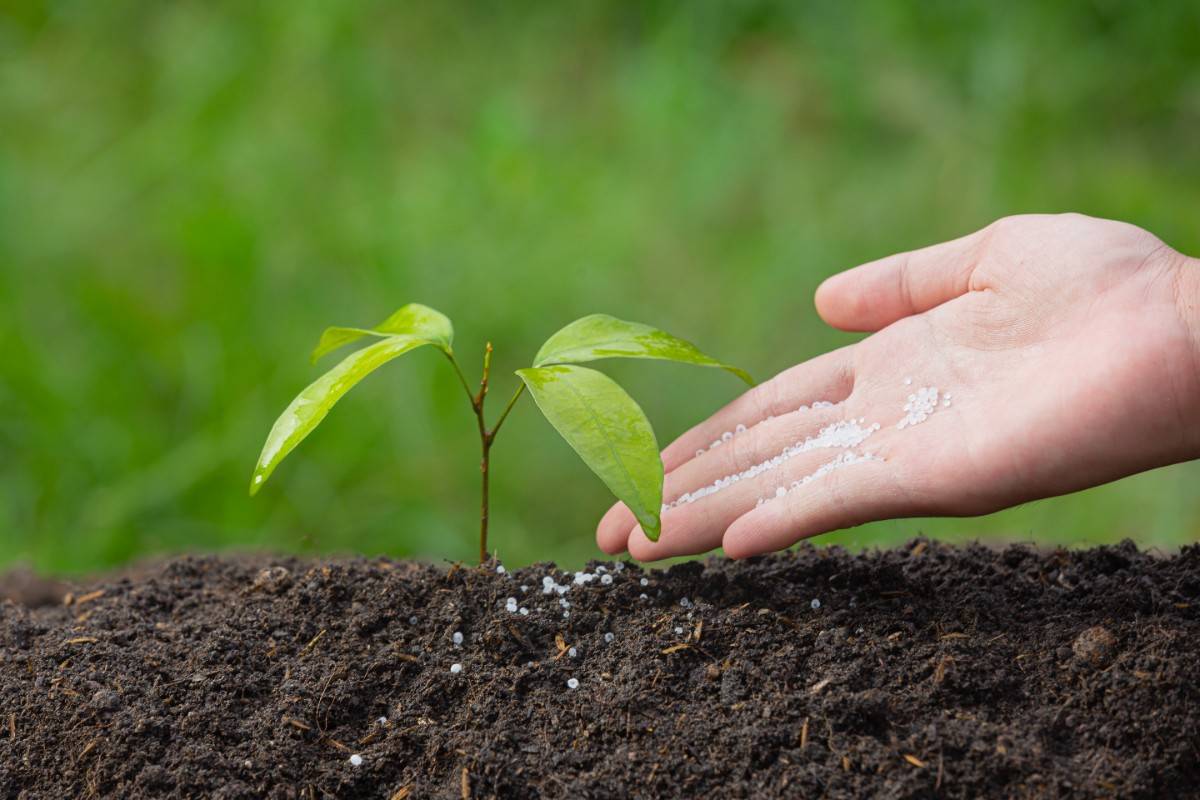
N-P-K Ratio Explained: What Fertilizer Numbers Really Mean Why Fertilizer Numbers Matter Whenever I pick up a fertilizer packet whether it’s 10-10-10, 19-19-19, or even a more crop-specific blend like 12-32-16 I always remind myself that these numbers aren’t random; they reveal the exact N-P-K ratio the product contains by weight, and this simple understanding has helped me choose the right fertilizer for my plants and avoid costly overuse that can quietly damage plant health. Over the years, working with different crops taught me how nitrogen (N) pushes leafy growth, phosphorus (P) supports roots and flowering, and potassium (K) strengthens ...
Read more
5 Quick Strong Tips to Speed Up Your Composting Process

Starting composting can be an incredibly rewarding process for your farm or garden, especially when you learn how to speed up the compost breakdown. In my experience, the sooner you get a nutrient-rich batch ready, the better it is for your soil. Here are five ways to make your composting systems take off quickly. A common mistake when starting out is not achieving the right balance between greens (like kitchen scraps, plant debris, and organic waste) and browns (such as leftover mulch and animal manure). Too much of one can slow down the process. By adding the right amount of ...
Read more
Why Farmers Add Manure & Fertilizers: The Real Reason

In India, nearly 50% of people depend on farming for their livelihood, and every farmer knows how important it is to maintain good soil conditions. I have often seen fields where the crop yield started to drop simply because the land was not replenished on time. The soil naturally deteriorates when the same crops are grown one after another, which decreases productivity and leaves the earth struggling to recover. To overcome this, both manures and fertilizers are used as they help the soil restore its balance, making it paramount for efficient production. From personal experience, I noticed that when plants ...
Read more
Rice Blast Disease: Unmasking the Threat of Pyricularia oryzae

Rice Blast Disease: Unmasking the Threat of Pyricularia oryzae Rice Blast Disease Rice blast disease, caused by Pyricularia oryzae (previously P. grisea) and its sexual form Magnaporthe grisea, was first identified in China in 1637, followed by its recognition in Japan in 1704. In Italy, the disease, known as “Brusone” was reported in 1828 and later in the United States in 1876. In India, the disease was first documented in 1918 in the Tanjore district of Tamil Nadu. Economic importance The pathogen can lead to yield reductions between 30% and 61%, depending on the timing of the infection. In extreme ...
Read more