As the agriculture industry faces increasing demands to optimize productivity and cut costs, drone technology has emerged as a pivotal tool for farmers around the world. The introduction of drone-based agriculture has dramatically shifted farming operations, enabling more accurate precision farming and better decision-making. With a projected growth in the global agriculture drone market from USD 6.10 billion to USD 23.78 billion, driven by a CAGR of 18.5%, drones are becoming an integral part of precision farming systems. Drones provide aerial surveillance, enabling farmers to monitor crops, assess farm data, and collect crucial information about field conditions. The ability to gather real-time data ensures that farm efficiency is optimized, paving the way for better yields and smarter crop treatment.
The application of drone technology is vast, from scouting large fields to managing crop yield improvement through data collection and farm analytics. For large scale farms, drones are enhancing crop management, while for small scale farms, they offer affordable solutions for precision farming operations that were once only available to larger operations. As drone recording becomes a critical component of farm analytics, farmers can make more informed agronomic decisions, ultimately improving their profit margins. Moreover, drones can help identify crop stress, monitor irrigation, and aid in crop planning, leading to better crop management strategies and a more sustainable approach to farming.
Drone Technology In Agriculture
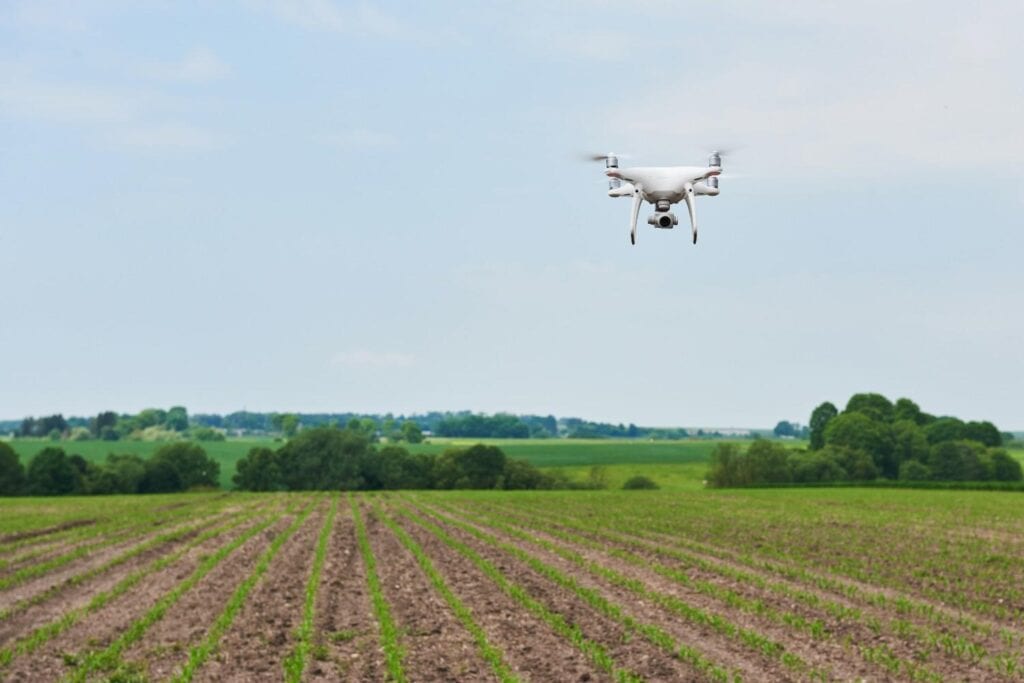
Despite the tremendous potential of drone usage in agriculture, there are challenges in widespread adoption, especially in rural areas with limited infrastructure. The need for specialized training and high initial investment often deters farmers from fully embracing these technologies. However, with advancements in drone technology growth, the agricultural sector is beginning to witness the true benefits of these new technologies, such as automated systems for crop treatment and enhanced farm efficiency. As drone-based agriculture continues to develop, it promises to revolutionize farming operations, helping farmers to maximize their yields and increase profit margins through precision farming. The potential for drone technology to reshape crop monitoring, farm management, and crop yield improvement is immense, making it an essential tool for the future of agriculture.
Scouting/Monitoring Plant Health
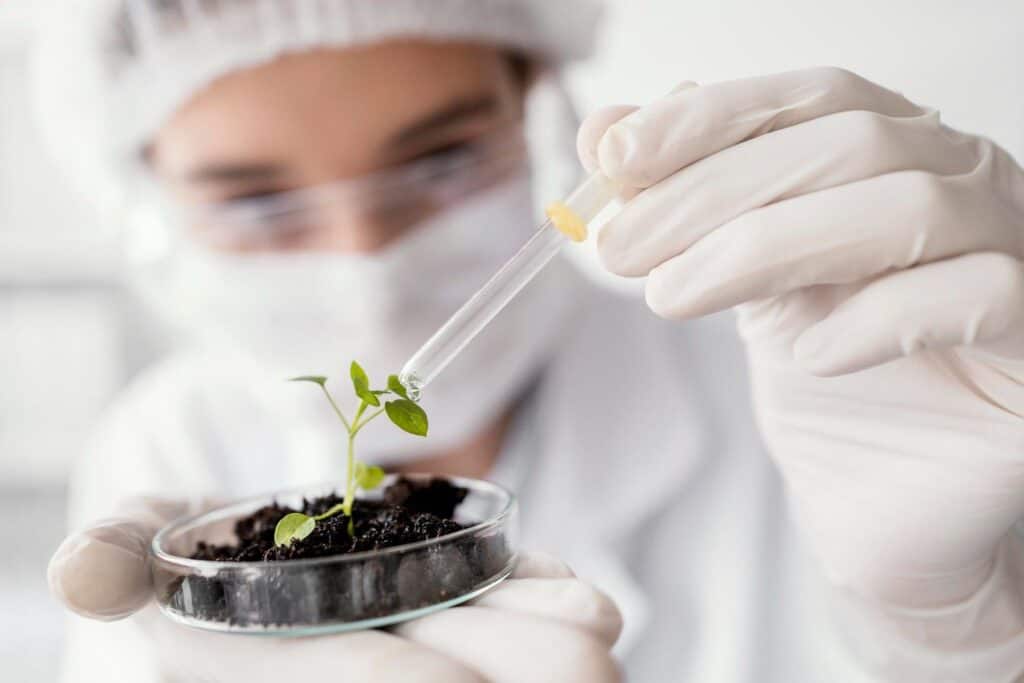
In the world of plant health monitoring, the need for precision and timeliness is critical. Drone imaging provides farmers with an invaluable tool for monitoring crops in ways that traditional methods simply can’t match. Unlike satellite imagery, which often suffers from issues like cloud cover or poor light conditions, drones can fly closer to fields, offering millimetre accuracy that can make all the difference. By utilizing imaging equipment capable of capturing detailed colour information and using tools like the Normalized Difference Vegetation Index (NDVI), drones can detect issues like disease, pests, or stand gaps in crops, which might otherwise go unnoticed. These issues can be identified and treated right away, allowing farmers to react fast enough to minimize damage and improve crop growth.
One of the key advantages of drone imagery over satellite data is its ability to provide near real-time insights. While satellite data can be costly and not as effective in rapidly changing conditions, drones can fly at low altitudes to get precise imagery, even down to meter accuracy. This allows for a much more detailed view of crop density, colouration, and potential stress, such as disease or pests. This level of detail makes drone imaging an excellent tool for scouting crops, identifying early-stage issues that can be detected and treated before they escalate. Furthermore, the use of drones to monitor plant health offers farmers the ability to cover large areas quickly and effectively, increasing their success rate in disease detection and crop management. By pinpointing problem areas with a level of detail and accuracy that was previously unattainable, drones are transforming how farmers approach plant health.
Monitoring Field Conditions
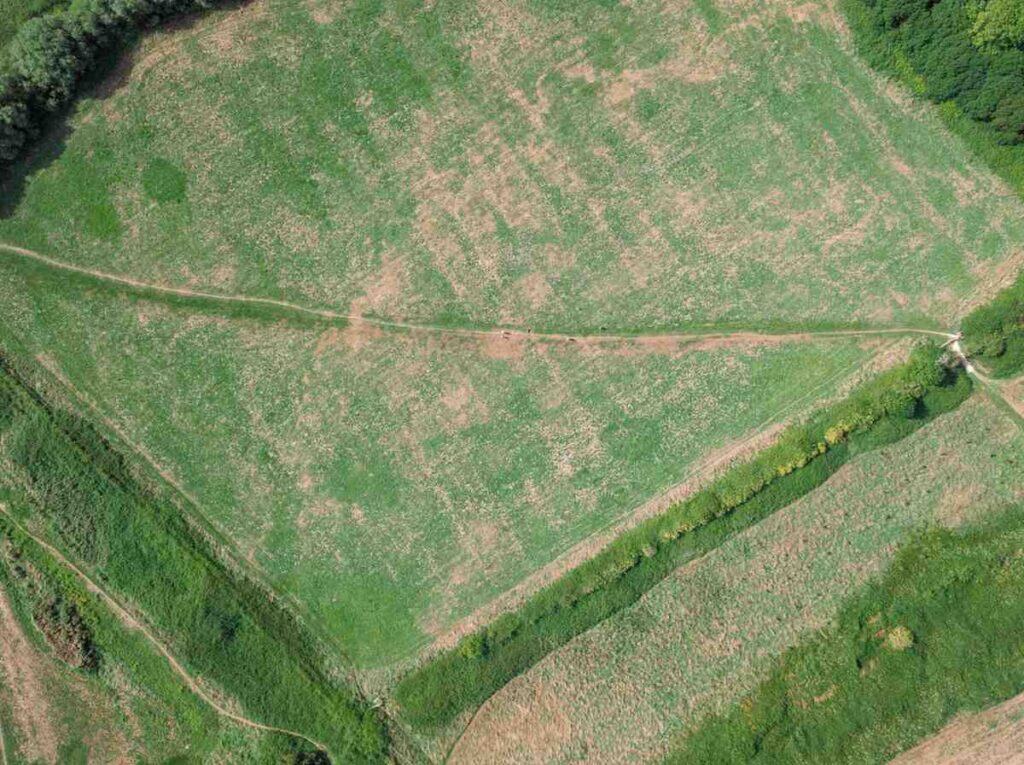
When it comes to monitoring field conditions, drones are providing a more precise and efficient way to understand the health of crops and soil. By utilizing advanced drone field monitoring technology, growers can map field elevation and identify irregularities in drainage patterns that affect water distribution across the land. Drones equipped with enhanced sensors allow for detailed mapping, detecting areas that are either too wet or dry, and helping farmers apply efficient watering techniques that promote better soil health. This technology also aids in nitrogen level monitoring, providing real-time data on fertilizer needs and allowing for precise application of nutrients, ensuring that poor growing spots are addressed promptly. With drones, soil health improvement becomes more manageable, as farmers can track field conditions over the years, adjusting watering techniques and fertilizer use to maximize crop growth. The ability to detect dry spots and monitor irregularities in field elevation ensures that farmers can take efficient actions to improve the soil and overall crop productivity. In addition, with the rise of agricultural drone retailers and service providers, the technology has become more accessible to farmers, helping them achieve better outcomes in nitrogen level monitoring, fertilizer application, and long-term soil health management.
Planting & Seeding
The use of drones in planting and seeding has unlocked immense potential for the agriculture and forestry industries. By utilizing automated drone seeders, farmers and forestry workers can efficiently plant seeds or replant large areas, even in hard to reach areas, while improving efficiency and reducing labor costs. Drones have the ability to cover vast expanses of land in a fraction of the time it would take a team of operators, with some systems capable of planting up to 400,000 trees a day. This allows for quicker, more efficient planting, minimizing the need for human labor in hazardous conditions, and improving workers’ safety. For tree planting in particular, the widespread use of drones is paving the way for more sustainable practices in forestry, enabling replanting on a scale that was once impossible. The horizon for drone use in agriculture continues to expand, offering endless potential for both small-scale and large-scale operations. As drones increasingly become a standard tool for seeding and planting, their role in agriculture is set to reshape how crops and trees are planted and maintained.
Spray Application
Drone use in agriculture spraying is revolutionizing the way spray treatments are applied, especially in hard to reach areas like steep tea fields or high elevations. In regions such as South-East Asia and South Korea, drone sprayers are gaining popularity for their ability to navigate difficult terrain, replacing traditional backpack sprayers that expose workers to hazardous chemicals and poor health conditions. With fine spray applications, drone sprayers can deliver targeted treatments to specific areas, improving efficiency and significantly reducing chemical costs. As these drones become more common, spray drone regulations are evolving, with countries like Canada already testing spray drone services. These regulations ensure that licensed operators and trained professionals manage the use of spraying drones, reducing the risks of spray drift and ensuring maximum efficiency in chemical delivery. While regulations vary from country to country, the goal is to enhance the precision of spray treatments while minimizing the impact on the environment. With sprayer regulations under constant review and new regulation proposals emerging, spray drones are poised to transform how sprayers are used in agriculture, delivering chemical savings and reducing the risk of environmental contamination through fine spray techniques.
Security
As the drone security sector continues to grow in the fast-evolving agriculture industry, security drones have become an invaluable tool for farm management. These drones are particularly useful for monitoring hard to reach areas, such as remote grazing areas or perimeters where traditional security personnel may struggle to access. Equipped with high-resolution drone cameras, these drones provide real-time surveillance, allowing farmers to monitor the farm operations and keep an eye on valuable crops like cannabis or other high-value plants. Rather than relying on hours of walking or stationary security systems, drones can cover large areas in just a few minutes, saving valuable time. They are capable of tracking missing animals, finding injured herd members, or ensuring the safety of farm animals. With remote monitoring, farmers can keep tabs on the location of animals or check security perimeters for any signs of tampering, making them an essential part of farm security management. Drones can replace security personnel in certain tasks, ensuring that fencing and perimeters are maintained efficiently, and offering a comprehensive overview of the farm’s security. This security technology is pushing boundaries in how farms protect their valuable crops and livestock, adding an extra layer of surveillance for monitoring areas that were previously hard to reach.
Drone Pollination
The use of drone technology for pollinating crops is an exciting area of agriculture innovation that has been in the development stage for years but is now gaining more attention. Although it has often been fictionalized in media, drone use in plant pollination is becoming a reality, with researchers in countries like the Netherlands and Japan conducting extensive drone research. Small, autonomous drones are capable of mimicking the natural pollinating process by distributing pollen over plants, a task that traditionally relies on pollinators like bees. Unlike the real thing, these pollinating drones can operate in hard to reach areas where human intervention may be limited, and they don’t risk damaging crops. Drone research is advancing, with drone pollination systems being developed to work without constant instruction from operators, making them more efficient and cost-effective for large-scale farms. As the technology matures, crop health and crop monitoring will benefit from this novel approach, creating new opportunities for more precise, autonomous pollination technology that can supplement the work of natural pollinators. This pollination technology will likely have significant implications for improving crop yield and ensuring the long-term sustainability of agriculture.
Drone AI
The integration of Artificial Intelligence (AI) with drone technology is transforming how we approach crop monitoring and health assessment in agriculture. AI systems enable drones to analyze large areas of monocultural field patterns or even diverse planting patterns, recognizing crop growth stages and identifying areas that need attention. By leveraging machine learning, drone programs can now efficiently track corn, grains, and less common crops, providing accurate data on crop recognition and health. This allows smaller farmers, especially in developing nations, to access crop health monitoring and make informed decisions about the work needed for their crops. While still in the development stage, AI-powered drones are already improving farm efficiency by enabling precise monitoring without the need for constant human oversight. As AI systems continue to be trained on various crop patterns, the potential to enhance the effectiveness of drone monitoring programs and promote crop diversity grows, offering farmers a more adaptive approach to managing crops and producing healthier yields. The development of drone AI is poised to revolutionize agricultural technology, making advanced crop management tools available to a broader range of farmers, especially those in underserved regions.
Drone Irrigation
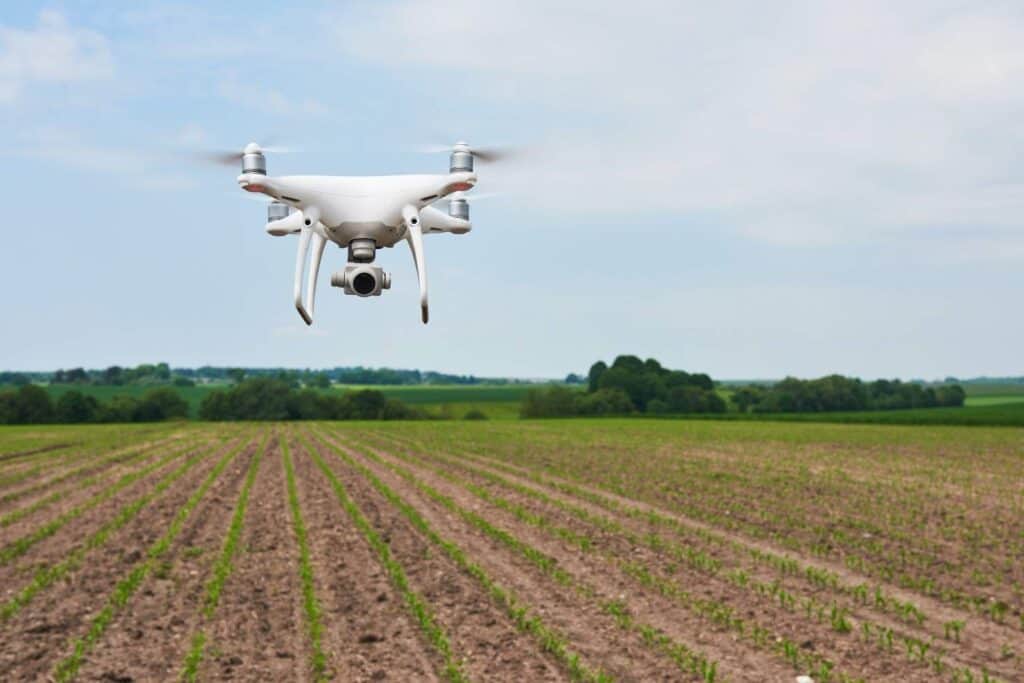
Drone use in agriculture for irrigation is rapidly emerging as an innovative solution to address the challenges posed by climate change and drought conditions. In regions like Australia, where drought and fluctuating weather patterns threaten crop production, drones equipped with microwave sensing technology offer efficient irrigation solutions. These drones provide accurate data on soil health, moisture levels, and water distribution across the field, ensuring that resources are used wisely. By monitoring soil information, drones can help farmers optimize field irrigation and apply water only where it’s needed, thus conserving valuable resources and reducing water waste. The ability to track water distribution in real-time allows for efficient resource management, especially in areas prone to drought. This technology not only helps to reduce the impact of climate change but also minimizes plant interference by delivering precise irrigation that avoids over-watering. As agriculture innovation progresses, drone irrigation systems are set to play a vital role in addressing the growing need for water conservation and efficient resource management in modern farming.
In conclusion, drone technology is undeniably transforming the landscape of agriculture, offering groundbreaking solutions that address long-standing challenges in crop management, irrigation, security, and pollination. From precision farming that enhances crop health monitoring and yield improvement, to the introduction of AI-powered drones capable of optimizing irrigation and pollination, the technology is making farming more efficient and sustainable. Drone use in agriculture allows farmers to conserve resources, reduce labor costs, and overcome environmental hurdles like drought and climate change. As drone programs and research continue to evolve, we can expect even greater advancements in resource management, crop monitoring, and security that will empower farmers, especially in developing nations, to maximize productivity and adapt to changing conditions. This wave of innovation is set to shape the future of agriculture, fostering a more sustainable and efficient approach to farming.
FAQS
What are the 5 benefits of drone technology?
The rapid evolution of drone technology has revolutionized industries such as agriculture, offering key advantages that were once unimaginable. One of the primary benefits is increased safety by removing humans from dangerous environments, allowing them to operate in areas where traditional methods would pose significant risks. The cost-effectiveness of drones lies in their ability to reduce labor and equipment needs, making tasks like mapping and surveillance more affordable. With drones, efficient data collection enhances precision in tasks across diverse sectors, from infrastructure development to crop management. They offer improved speed and accessibility, especially in scenarios like deliveries or emergency response, where time is of the essence. Ultimately, these advantages translate into a reduced need for manual intervention, streamlining processes and creating new possibilities in modern agriculture.
How have drones improved agriculture?
In agriculture, drones have revolutionized the way we manage crops, leading to a significant increase in yields. By distributing seed, fertilizer, and pesticides more evenly, drones support better growth while minimizing crop damage caused by the traditional heavy ground-based machines. Additionally, drones help cut energy use compared to large fossil-fuel-powered tractors, making farming more sustainable. The ability to lower production costs significantly while contributing to a higher farm profitability makes drones a vital tool in improved agriculture. These advancements have certainly transformed how we approach modern farming, making it more efficient and eco-friendly.
When were drones used in agriculture?
The use of drones in agriculture dates back to the early 2000s, when work on the first unmanned aerial vehicles began for agricultural use. These drones were initially employed for mapping, crop spraying, and crop monitoring, which became their main uses in farming. As technology evolved, these applications grew, showcasing the incredible potential of drones in agriculture and setting the stage for more advanced innovations in the years to come.
What are the negative effects of drones?
While drones offer numerous benefits, they also come with negative impacts that can’t be ignored. Safety risks such as potential collisions with aircraft and physical injury from accidents are major concerns. Additionally, misuse of drones for illegal activities and the privacy violations caused by cameras and audio recording are increasing. Environmental impacts like noise pollution, disruption to wildlife behavior, and negative effects on habitats and air quality also need to be addressed to ensure that drones’ benefits do not outweigh their risks.
What are the three applications of drones?
Drones have found a place in a wide variety of fields, from construction to defense and photography. In agriculture, drones are playing a key role in monitoring crops, spraying pesticides, and mapping fields. The possibilities don’t end here—marketing and delivery are expanding with drone technology, while they are also making a huge impact in rescue operations and entertainment. As industries continue to evolve, we can expect drones to meet new demands in new sectors, depending on the need for use in those areas.