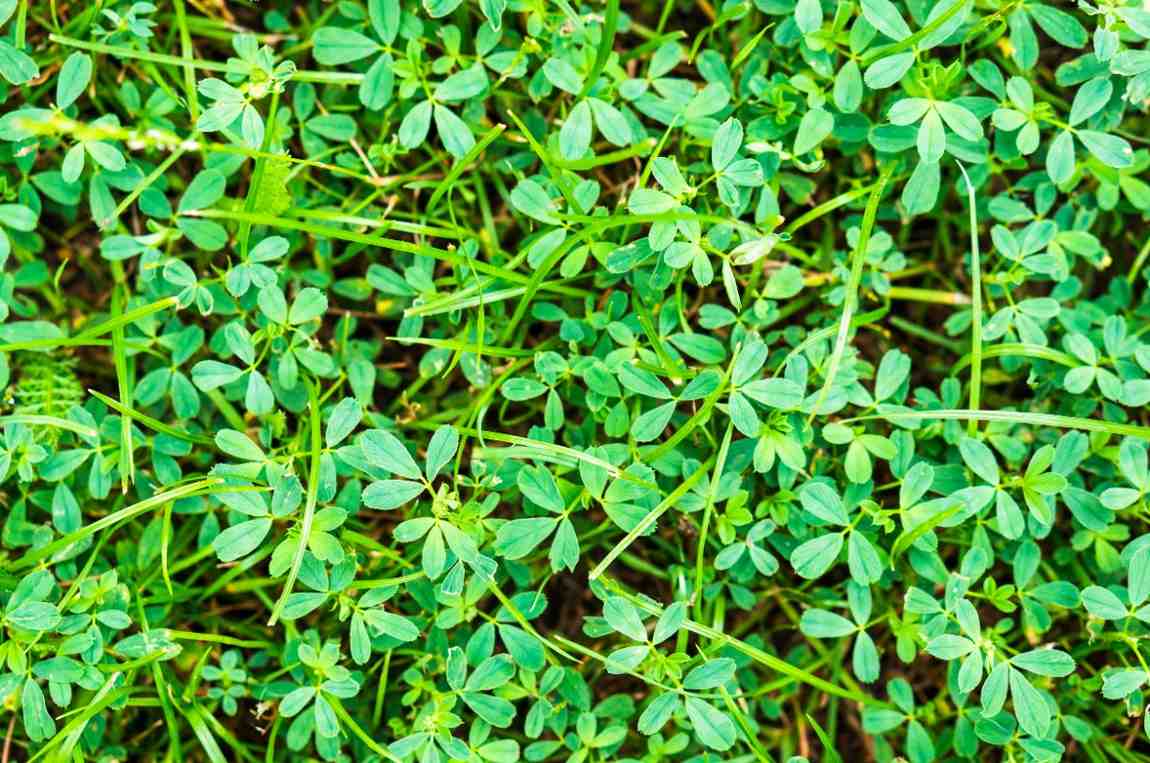
In the world of gardening and farming, few things are as valuable as green manure. Considered a gardener’s goldmine, it works wonders in improving soil fertility and structure. By incorporating fast-growing plants into your allotments, you can optimise the growing environments for future crops. These plants, once decomposing, release essential nutrients into the soil, enriching it for seasons to come. Soil enrichment through green manure not only boosts the health of your garden but also revolutionises the way we approach soil care. As someone who’s worked with this method in various polytunnels, I can personally vouch for its ability to elevate crop yields and overall garden health.
There are several types of green manure plants, and each offers unique benefits. Sowing these plants on bare earth during the winter or summer ensures that the soil remains covered and protected. The use of rotation is essential for maximising their effectiveness, allowing the soil to rest while the plants fix nitrogen and prevent erosion. From my own experience, managing the right timing for sowing can make a huge difference in the way your crops thrive later on. Whether you are growing crops in a polytunnel or directly on an allotment, following the proper instructions for planting and methods for maintaining green manure will provide the ideal foundation for future harvests.
What is Green Manure?
Green manure refers to annuals or herbaceous perennials that are grown specifically to improve the soil on allotments or agricultural fields. These plants are sown to cover bare patches of dirt, and once they reach maturity, they are ploughed back into the soil, enriching it with organic matter. This process not only boosts soil fertility but also enhances its structure by adding essential nutrients that benefit future crops. I’ve seen firsthand how planting green manure can transform bare and depleted soil into a thriving bed for new crops. By providing a natural and sustainable method of soil enrichment, it plays a crucial role in maintaining the health of the land, ensuring healthier, more productive harvests year after year.
Why and When to Use Green Manure
In my experience, using green manure is an effective strategy for improving the soil while promoting sustainable gardening practices. The best time to sow green manure is typically in late summer or early autumn, allowing the plants to capture and recycle nutrients before the winter weather sets in. This timing also helps ensure that the bare patches of soil are covered, which prevents erosion, suppressing weeds, and promotes nutrient retention. I’ve personally used winter green manure crops, like winter grazing rye and winter tares, which act as natural mulches during the colder months, making them ideal for ground cover and providing a boost to the soil when turned over in spring.
The benefits of green manure go beyond just covering the soil. These fast-growing plants work wonders in improving the soil structure, and once they’re dug in or cut back, they provide a rich source of organic matter that acts as a soil enhancer. For those looking for a soil that is both healthier and more productive, incorporating green manure into the planting cycles is a must. Mustard and other green manure varieties are particularly beneficial as they can be planted in mid-September and provide excellent coverage through winter, ensuring that the soil remains healthy and ready for the next round of crops.
Quick Facts about Green Manure
| Characteristic | Details |
|---|---|
| Scientific Name | Varies by variety (e.g., Trifolium repens, Vicia sativa) |
| Classification | Annuals or herbaceous perennials |
| Sowing Period | Late summer to early autumn |
| Incorporation | Incorporated into soil in spring |
| Varieties | Mustard, rye, clover, vetch, beans |
| Growth Dimensions | Varies by plant (e.g., 2-3 ft tall for rye, 1 ft for clover) |
| Sunlight Requirements | Full sun to partial shade depending on variety |
| Resistance to Elements | Some are hardy (can withstand frost), others are frost-sensitive |
| Hardy/Frost-Sensitive | Hardiness varies: Some can withstand frost, others need protection |
Step-by-Step Guide to Using Green Manure
One of the easiest and most effective ways to enhance garden space is by using green manure. From my own experience, it’s all about following a step by step approach to ensure maximum benefit. First, measure the area where you want to plant, then calculate the seed sowing rate based on the green manure seed mix you choose. Follow the instructions on the seed packet and ensure you mix the seeds evenly. The next crucial step is sowing—use a garden rake to prepare the soil surface, then distribute the seeds evenly across the top layer. For best results, combine your plants to ensure uniform growth. Afterward, rake the surface again to ensure proper contact between the seeds and the soil. To protect your efforts from being disturbed by birds, consider covering the seeds with netting. With these tips, maintaining your green manure becomes a simple part of your gardening efforts, ensuring a healthy and enriched garden for the future.
Advantages of Using Green Manure
-
Green manure improves soil health and enhances fertility through natural processes.
-
Acts as a protective cover to prevent erosion and compaction, especially during rain and colder months.
-
Leguminous plants like vetches and clovers fix nitrogen, enriching the soil with vital nutrients.
-
Decomposing green manure adds organic matter, improving soil structure and enhancing microorganisms.
-
Functions as a natural insulator, helping regulate soil temperature and maintaining a stable environment for plants.
-
Weed suppression through dense foliage of plants like buckwheat and fenugreek, reducing the need for chemical herbicides.
-
Contributes to pest control, reducing slugs, snails, and soil nematodes through natural methods.
-
Supports wildlife benefits, providing habitat and food for beneficial creatures like frogs and toads.
-
Enhances pest control naturally, contributing to a healthier, more productive garden.
-
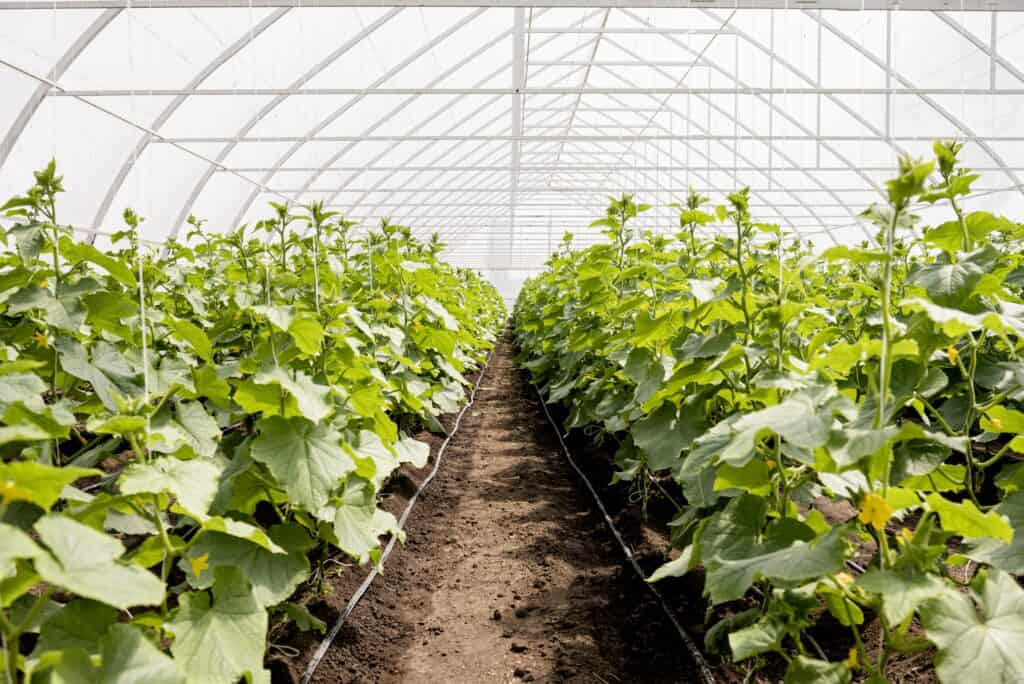
Green Manure for Polytunnels
Disadvantages of Green Manure on Allotments
-
Green manures can harbour pests like slugs and snails, which may lead to higher pest populations.
-
Thick cover from green manure can shelter pests, affecting crop rotation, especially for sensitive crops like brassica.
-
Biomass from green manure requires chopping, shredding, and incorporation into the soil, demanding significant time and effort.
-
Perennial varieties like alfalfa require regrowing roots and may disturb the soil more than annual crops.
-
Green manure can create challenges in soil preparation, especially when the plants need to be dug in.
-
In dry conditions, green manure may need additional watering, increasing resource requirements.
-
Effective growth management is necessary to ensure green manure is beneficial without overwhelming the allotment.
Integrating Green Manure into a No-Dig Gardening System on Allotments
Incorporating green manure in a no-dig gardening approach can be incredibly effective for improving the soil and maintaining its structure without disturbing it. I’ve personally had great success using plants like bristle oats and crimson clover. Sown in late summer, these plants cover the surface of the soil, helping to suppress weeds and enrich the ground naturally. Once the foliage reaches maturity, it’s time for a simple cutting, allowing the plants to decompose and release vital nutrients into the soil. Using cardboard or a thick layer of compost on top of the green manure helps retain moisture, facilitates the breakdown of organic matter, and adds valuable structure to the soil, all while avoiding the need for digging. The result is a healthier, more fertile growing environment by spring, which will benefit your next round of crops. This method not only preserves the soil but ensures that it continues to thrive year after year.