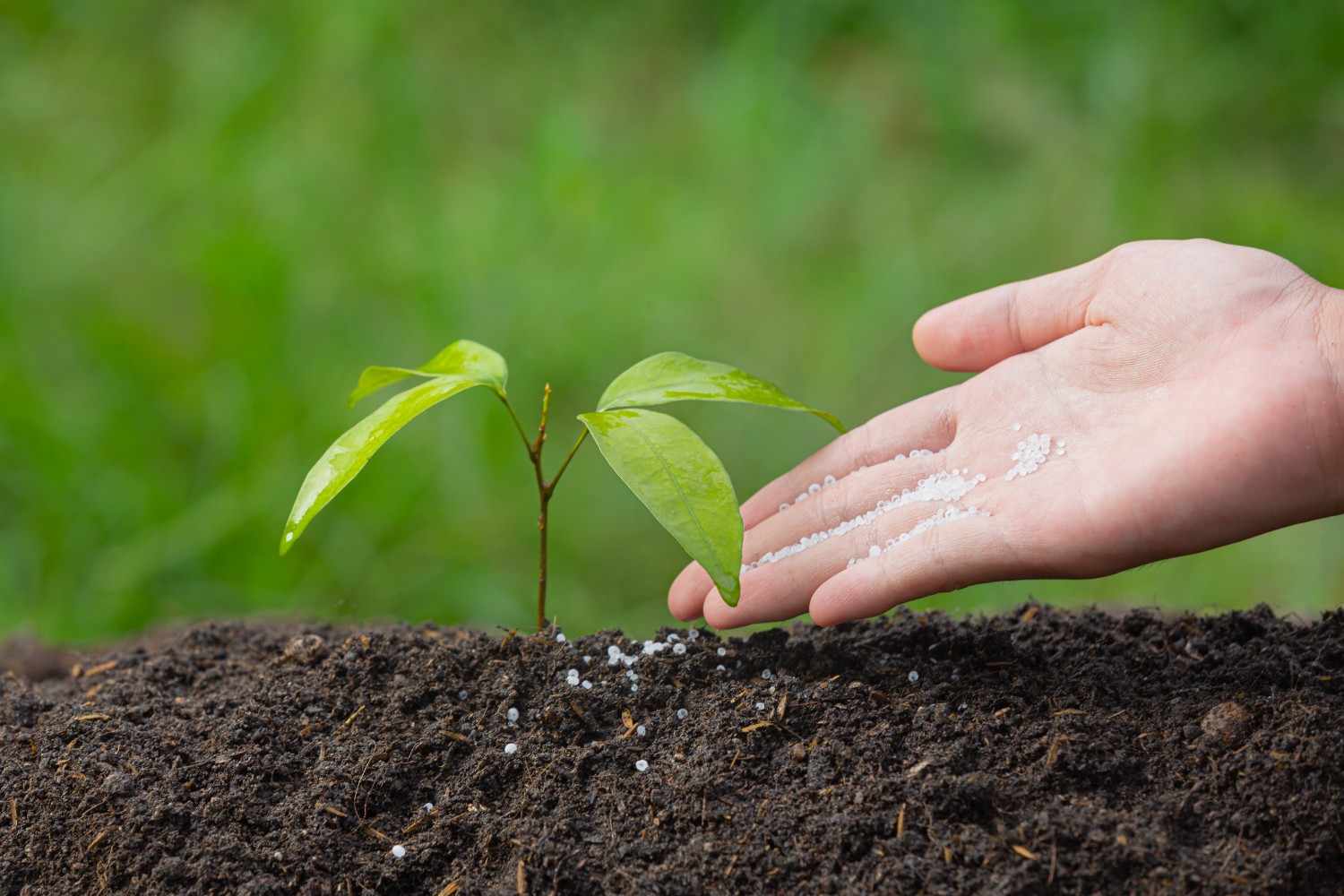
Fertilize a lawn with the best timing just ahead of gentle rain, letting fertilization turn turf lush and green as experts show that a little water helps nutrients get absorbed without wastage a soft shower, steady weather, the perfect setup when moisture is imminent; field tips and hard-won insights point to the right moisture pushing nutrients deep into roots, a practical rhythm for fertilizing that avoids runoff, maintains even soil dampness, and supplies what’s necessary for uptake; if you’re curious, this article keeps you covered with turf care that’s effective in spring or fall: apply before a light rain, never before a storm, and water lightly if skies stay dry, because this balance is crucial—an approach proven effective by turf experts, admirably practical for home schedules, and able to transform ordinary grass with minimal fuss while keeping nutrition deep and losses low, the kind of fertilization cadence that can quietly transform results season after season.
Table of Contents
ToggleWhen Should You Fertilize Your Lawn?
From years of turf work, I’ve found the best timing for fertilizing around rain is just before a light to moderate shower beneficial when done correctly because droplets help granules seep into the soil, penetrate to the roots, and work more effectively without a harsh wash that wastes your efforts; always forecast and check for 0.25–0.5 inches of rainfall to maximize uptake, applying when the ground isn’t saturated, and skipping any heavy storm that could cause runoff and leave nutrients washed away; across seasons—spring, summer, and fall feed when turf is actively growing so it can absorb nutrients efficiently, and treat big downpours as a major red flag while timing gentle showers as your best chance.
Our Recommendation
From years of dialing in timing on client yards and my own lawn, I recommend applying fertilizer just before a gentle rain—the best way to move nutrients into the soil without runoff. In spring, when turf exits winter dormancy, that moisture jump-starts growth so grass stays healthy through the season. Light showers in other months keep results steady year-round.
Aim for balanced programs featuring nitrogen, phosphorus, and potassium (N-P-K), calibrated to grass types like tall fescue, centipede, and St. Augustine. Matching the product to climate and weather patterns pays off in consistent color and thicker turf. I recommend slow-release granular blends matched to your grass and soil—for example, 10-0-20 (10% N–0% P–20% K) for warm-season lawns that benefit from potassium, or a slow-release blend with 1–2% iron (Fe) for deeper color. I lean on polymer-coated, slow-release nitrogen to feed steadily and lower burn risk, so nutrients are delivered gradually reducing over-fertilization risk, preventing burn, and protecting waterways, especially when rain is in the forecast.
Equally important is prevention and soil life: a program that nourishes grass and the living habitat below it uses organic matter that supports microbes, keeping the soil healthy and resilient as the foundation for every feeding. In wet spells, trim rates to reduce stress and disease; in dry windows, water in lightly to mimic that pre-rain sweet spot. Follow this rhythm and you’ll maintain a responsive system where each application is timed to rain’s assist, tuned to grass physiology, and supported by soil biology professional in outcome yet practical for homeowners.
When To Apply
Time your application just before a gentle shower so nutrients move in without runoff. Aim for the window that helps turf thrive with a lush, green appearance and delivers the best results.
-
Cool-season lawns (Kentucky bluegrass, tall fescue): feed in April and September, with optional light passes in May and July if growth warrants.
-
Warm-season lawns (St. Augustine, centipede): schedule feedings in March and August to match active growth and rainfall patterns.
Rate and guidelines: Apply about 1 lb of nitrogen per 1,000 sq ft—always follow the product label, apply evenly, and choose a rain-ready granular fertilizer for consistent uptake.
What if I apply lawn fertilizer right after a downpour?
From years of field checks, my observations are clear: applying fertilizer right after heavy rain is problematic because lingering rainfall drives runoff, so much of the product is washed away before it can penetrate the soil, which fails to deliver the essential nutrients your turf needs for growth; worse, what escapes wastes money and can harm the environment by contaminating waterways, contributing to water pollution, so it’s crucial to avoid spreading immediately after storms—wait until the surface drains and the profile is just moist, then feed so nutrients can be absorbed properly.
Using Fertilizer Before Rain
From years of tuning spreaders on client yards, using fertilizer just before rain is most beneficial when timed correctly with a forecast calling for light to moderate showers—those mild pulses help granules dissolve, seep into the soil, and penetrate to roots so your grass can use nutrients more effectively; you’ll see results faster if the surface is lightly watered beforehand, because that thin film lets feeding begin working without a harsh wash that makes the effort futile, while also avoiding excessive water that cuts efficiency by pushing product past the root zone.
I keep my crews aligned to a simple rule: time fertilization to gentle rainfall so the plant gets what it needs for healthier, robust growth, but never chase storms—stick to small, predictable systems that nudge nutrients into place rather than away.
Perfect Temperature Range to Feed Your Lawn
-
The short answer to Perfect Temperature Range to Feed Your Lawn : align gentle, forecasted rain with soil temps in the “active growth” band so nutrients move in cleanly rather than washing away.
-
Cool-season lawns (Kentucky bluegrass, tall fescue): target soil 50–65°F and air 60–75°F with a light shower due within 6–18 hours; this is when roots are primed to uptake fertilizer without burn.
-
Warm-season lawns (Bermuda, St. Augustine, centipede): aim for soil 70–85°F and warm nights, plus a mild rain on the way; avoid downpours that can cause leaching and runoff.
-
If rain is uncertain, water in with 0.25–0.5 in. irrigation right after spreading; if a heavy storm is imminent, postpone to prevent loss and spotty color.
-
My field habit: take a quick soil-temp reading mid-afternoon (most representative), then schedule the spreader for evening ahead of a soft overnight shower—results are consistently greener and more even.
-
Skip extremes: don’t fertilize during heat waves, cold snaps, or when soil is saturated or powder-dry; you’ll protect roots and keep granules from clumping or volatilizing.
-
Practical check: a handful of soil that holds together without oozing signals ideal moisture for granules to dissolve, move into pores, and stay near the root zone.
Did the Rain Wash Away My Fertilizer?
-
After a fertilized lawn, a heavy downpour of rain can make it seem your efforts were washed away; during intense cells there’s a higher chance granules get carried away with surface water in a storm that produced runoff.
-
In contrast, light to moderate rain helps granules integrate into the soil; avoid spreading before heavy rain to reduce losses that end up washed away.
-
Post-event steps (what I do on service calls): it’s advisable to inspect the yard, then do a closer inspection of thatch and soil; consider targeted reapplication with additional fertilization only where needed to replace nutrients (plant food), otherwise wait two weeks to judge color and growth—patience often gives a better read than reacting fast.
-
Red flags that confirm loss: visible product running out of beds, gutters streaked with prills, puddling, or striping on slopes—classic signs material was washed away.
Fertilizing a Wet Lawn with Granular Fertilizer
On a wet lawn, applying granular fertilizer can be tricky because prills can clump on grass blades when the surface is too wet, making it harder to distribute product evenly; in my crews’ playbook, the best move is to wait until the turf is damp rather than soaked, then check the condition of the canopy and spread uniformly to achieve an even application across the entire lawn, not just high spots or sheltered areas, so nutrients get a proper distribution without over-fertilization that leaves burned spots; this small timing tweak preserves the benefits of the fertilization process while respecting the lawn’s moisture window that keeps granules moving into the soil instead of sticking on leaves.

FAQS
What is the best fertilizer for the rainy season?
In my crews’ wet-weather playbook, the best fertilizer for the rainy season is a soil-first blend of organic fertilizers layer in compost, add vermicompost, and top off with well-rotted manure—because these materials replenish nutrients steadily even when rain is frequent, helping replace what’s lost to leaching while improving structure so moisture soaks in rather than washing nutrition away.
Do I feed my plants before or after the rain?
From field experience, whether to feed before or after rain depends: if light rain is expected and the soil is in good shape, laying down particulate granular fertilizer right before is a good step.
Gentle to moderate rain helps distribute nutrients into the soil where plants can access them without runoff.
If storms loom or the ground is saturated, hold off until conditions match what plants need.
What happens if it rains after I fertilize?
From field work, a light rain shortly after spreading fertilizers is usually beneficial: the water dissolves prills, drives activation, and carries nutrients toward the root zones where plants can use them.
If the rain misses, mimic it with gentle irrigation to finish the watering-in and avoid uneven uptake; if it turns heavy, pause future passes and let the area drain before adding more.
Should I fertilize before rain?
From years of turf visits, when the forecast shows a gentle shower, the answer to Should I fertilize before rain is usually yes—light moisture dissolves granules and carries nutrients into the root zone without runoff.
If the system shifts to a downpour, pause; saturated soil and heavy bursts can leach product, so I reschedule and water-in lightly when needed.
Work with damp (not soggy) conditions, spread evenly at the right rate, and let modest rainfall finish the watering-in for clean, even uptake.
Should you fertilize before or after rain reddit?
On real lawns, I fertilize when the soil is damp, with solid drainage—not muddy or saturated—timing a light shower as good rain.
If storms threaten, I wait; after a gentle rinse, apply liquid ferts right after to water-in, otherwise let sprinklers finish the job.