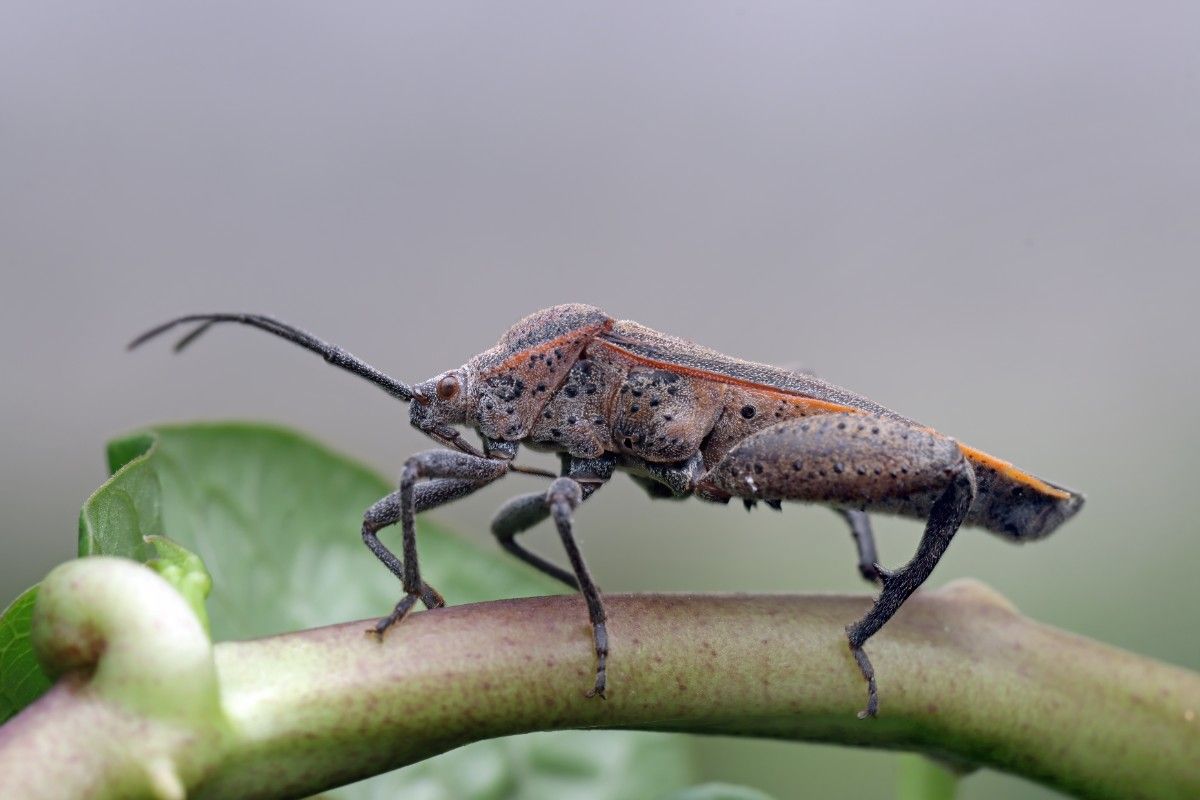
Garden pests can destroy plants and reduce yields quickly. You may be surprised to learn that many pest outbreaks begin with simple overwatering mistakes, which weaken plants and attract harmful insects. In my early gardening days, I believed that creating a beautiful garden was mostly about watering and pruning, but I learned sometimes the hard way that maintaining a productive plot or greenhouse demands far more patience, care, and dedication than I expected, because the joy of watching plants grow can quickly fade once pests begin to invade, turning into tiny intruders that weaken stems, reduce yields, and occasionally wipe out entire sections overnight; over time, I realized that understanding the cause of this damage and knowing how to prevent and manage it is the key to keeping any green space thriving all year–round, and once that clicked for me, it completely changed the way I observe and respond to threats in my garden.
Garden Pests Destroying Your Plants? Stop Them Fast
Types of Pests and the Damage They Cause
Aphids
-
Aphids are incredibly small and fast-reproducing pests, and when I first encountered them, I was surprised by how aggressively they feed by sucking sap from tender plant tissues, a process of constant feeding that leads to curled and yellow leaves, stunted growth, and an overall weakness that can spread faster than most gardeners expect.
If you struggle with sap-sucking insects, you may also find these natural ways to eliminate mealybugs helpful.
-
They also leave behind a sticky honeydew residue, which encourages the growth of sooty mold, adding an extra layer of stress that can further harm any plant already fighting to recover.
Spider Mites
-
Spider mites are almost microscopic, making them extremely hard to detect until the damage becomes obvious, and I’ve often only noticed them after they feed on plant cells, creating speckled, discolored leaves that look tired and stressed.
Gardeners working in enclosed environments should also explore greenhouse pest control tips to prevent rapid mite outbreaks.
-
If untreated, those leaves eventually dry and drop, and the problem escalates quickly because in warm greenhouse environments, these pests reproduce rapidly, turning a minor issue into a full outbreak before you realize what’s happening.
Caterpillars
-
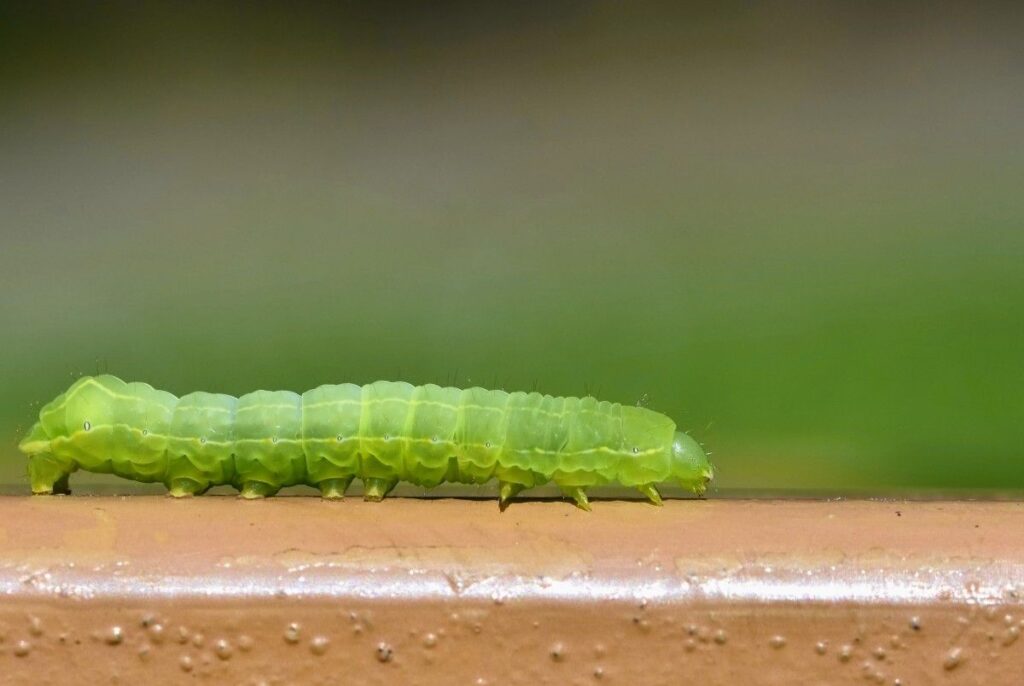
Caterpillars, the larvae of butterflies and moths, can quietly devour leaves, flowers, and stems, and I’ve often seen how their heavy feeding can strip plants of vital foliage, drastically lowering yields in a matter of days.
-
This damage weakening the plant’s ability to recover during the growing season is something I’ve experienced firsthand, especially when an unnoticed cluster of caterpillars suddenly turns a healthy row of greens into a near-skeletonized patch overnight.
For gardeners who prefer chemical-free solutions, these organic pest control methods can significantly reduce caterpillar damage.
Slugs and Snails
-
Slugs and snails have been some of the most frustrating moisture-loving pests in my garden, because they often leave ragged holes in leaves and can consume entire seedlings in a single night, especially when the plants are young and vulnerable.
-
Their frequent activity can severely slow overall garden growth, and I’ve learned to check early mornings after damp nights, when these silent feeders leave behind the clearest signs of their damage.
Powdery Mildew
-
Powdery mildew may not be an insect, but this common fungal disease often behaves like a pest, and I’ve seen it appear as a white, powdery coating on leaves and stems, blocking sunlight and reducing photosynthesis, which slowly weakens the plant.
-
In seasons when humidity fluctuated in my garden, severe infections caused early leaf drop and reduced fruit and vegetable production, teaching me how crucial it is to catch the first signs before the spread becomes unmanageable.
Termites
-
Certain termite species have caused unexpected issues in my garden over the years, because they not only attack wooden structures, greenhouses, and raised garden beds, but they also mainly damage wood while continuing to feed on plant material, silently compromising plant health.
-
What many gardeners overlook is how their activity can threaten the structural stability of any garden setup, and I learned this firsthand when a beautifully built bed began to sag from within due to hidden termite tunnels.
The Hidden Ripple Effect of Pest Damage
-
The hidden ripple effect of pest damage is something I didn’t fully grasp until I saw how pest problems often extend beyond the visible leaf damage, as lingering infestations can reduce crop yields, affect food production, decrease visual appeal in ornamental gardens, and make plants more vulnerable to secondary diseases, creating a cycle that cause long-term stress and slows plant recovery, which can turn simple gardening into a frustrating, time-consuming task.
-
I’ve noticed that while healthy plants often encounter pests and bounce back quickly, weak, stressed plants tend to decline, and the damage becomes difficult to reverse without proper intervention, a lesson that has shaped the way I prioritize preventive care in the garden.
Effective Prevention Methods
Effective prevention methods have saved my garden more times than I can count, because preventing pests is always easier than trying to eliminate a full infestation, and over the years I’ve learned that small, consistent habits become powerful practical steps that keep the garden protected, whether it’s monitoring early signs of stress, improving airflow, or removing debris before it turns into a shelter for unwanted visitors.
Regular Inspections
Regular inspections have become second nature in my routine because when you check your plants frequently, you start noticing early signs of damage, eggs, or insects long before they escalate, and I’ve found that catching these issues early prevents widespread infestations, saving both time and the long-term health of the garden.
Maintain Healthy Soil
Maintain healthy soil has always been my first line of defense because plants grown in nutrient-rich ground are naturally more resilient, and when I add compost, mulch, and organic matter regularly, it helps support overall plant health, making them far less appealing and vulnerable to pest attacks in the first place.
Companion Planting
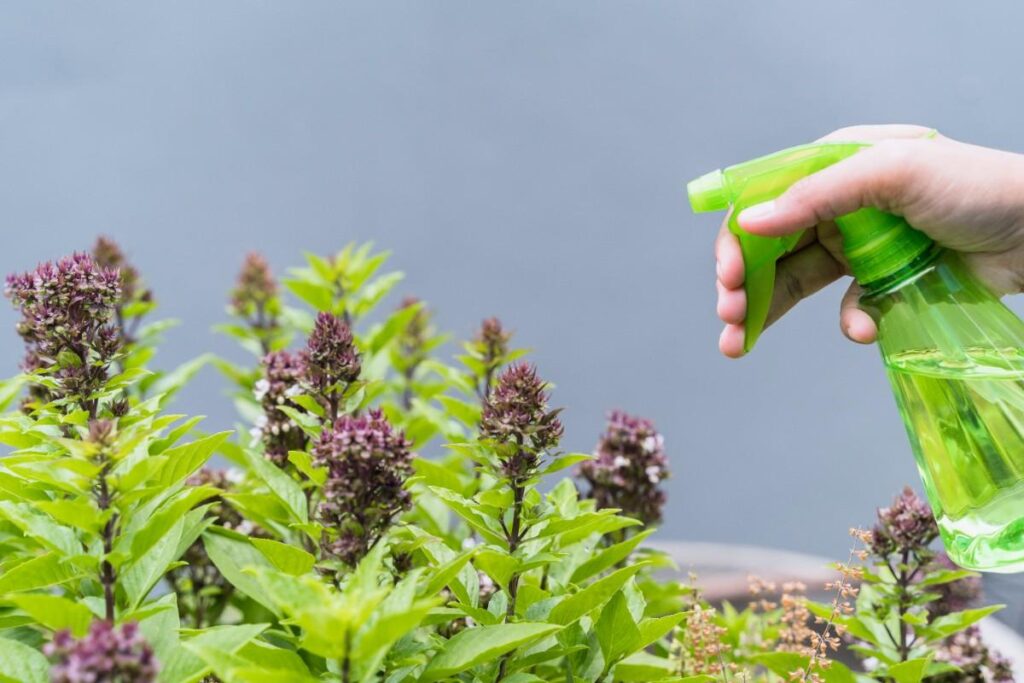
Companion planting has been one of the most reliable tricks in my gardening routine, because certain plants can naturally repel pests without much effort, and I’ve seen firsthand how marigolds help deter nematodes, while fragrant herbs like basil and mint work beautifully to discourage flies and aphids, creating a quiet but effective layer of protection woven right into the garden itself.
Proper Watering Practices
Proper watering practices took me years to truly master, because overwatering creates damp conditions that invite pests, especially fungal gnats, slugs, and molds, so I learned to ensure good drainage and only water when needed, a small shift that made a huge difference in keeping my plants healthier and less attractive to unwanted visitors.
Crop Rotation
Crop rotation became a game-changer for me once I understood how simply changing planting areas each season interrupts pest life cycles, reducing recurring infestations that often hide in soil and return stronger the following year, and practicing this consistently has brought noticeable long-term improvements to my garden beds, making them healthier and far less prone to repeated pest problems.
Physical Barriers
Physical barriers have saved many of my young plants, and simple tools like row covers, nets, collars, and screens help keep pests away from vulnerable crops without relying on chemicals, offering a surprisingly effective layer of protection that works quietly in the background while the garden grows undisturbed.
Elimination Methods: When to Consider a Pest Control Professional
Sometimes elimination methods you try at home aren’t enough, and knowing when to consider a pest control professional can save your garden. While many pest problems are manageable with natural or DIY methods, severe infestations often require professional assistance to stop the damage from escalating.
-
A licensed pest control specialist can identify pests accurately and recommend targeted solutions that use safe, regulated treatments designed for garden environments, helping to prevent pests from returning by addressing underlying causes.
-
Calling an expert can save time and reduce the risk of damage from incorrect treatments, and choosing expert help is especially useful in large greenhouses, with recurring infestations, or when pests pose structural risks.
Bringing in a specialist early can protect both your plants and the garden setup you’ve worked hard to build. Expert support often prevents small issues from turning into costly long-term problems.
Protect Your Garden and Enjoy Healthy Growth
To truly protect your garden and enjoy healthy growth, I’ve found that understanding how pests affect the garden is the first step in preventing long-term damage, because once you know what signs to look for, everything from early intervention to choosing better care routines becomes more intuitive and far less stressful. Over the years, I’ve learned that combining smart gardening habits with regular monitoring and appropriate treatment methods allows you to maintain a healthy, thriving outdoor or greenhouse space without feeling overwhelmed each time an unexpected visitor shows up.
Even when infestations feel overwhelming, seeking professional support can be the step that ensures your plants remain protected, especially in moments when personal experience and home remedies simply aren’t enough. Knowing when to handle things yourself and when to call in someone with deeper expertise helps safeguard your hard work and keeps your garden resilient season after season.
FAQS
How to protect a garden from pests?
To protect your garden from pests, I’ve learned to keep bugs under control by using a multi-pronged approach, where I set physical barriers like insect netting and plant pest-repelling herbs such as mint, marigolds, and lavender. I also maintain a tidy garden free of debris, encourage beneficial insects, and rely on natural deterrents like garlic and neem oil sprays. Most importantly, ensuring plants stay healthy and properly watered keeps them strong enough to withstand most common pests.
How can insects and pests be destroyed?
In agriculture, biological methods such as introducing pest strains that carry lethal genes or flooding an area with sterile males have been used to successfully control the screwworm fly, while researchers continue developing new kinds of insecticide modifications. Some approaches also explore altering insects with growth hormones to limit reproduction in a controlled, environmentally monitored way.
What do pests do in the garden?
The effects of pests in a garden feel endless, as caterpillars, grasshoppers, and beetles chew leaves, causing visible holes and damage to a plant’s structure, while aphids, spider mites, and whiteflies suck sap from plant stems until the leaves wilt and potentially die.
What is the best pest control for your garden?
In my experience, incorporating certain plants like marigolds, basil, oregano, and dill can effectively deter pests by attracting beneficial insects, and I’ve seen how marigolds release a natural compound called pyrethrum that repels various pests, while basil helps keep mosquitoes and flies at bay, creating a protective boundary that feels effortless once established.
What are three methods of pest control?
The three main methods of pest control I rely on are biological approaches using natural predators or organisms, chemical pesticides, repellents, or poisons when necessary, and physical or mechanical traps, barriers, or manual removal, all of which can be effective strategies when applied through integrated pest management (IPM) that combine these methods with cultural practices, sanitation, and habitat modification for sustainable, long-term control.