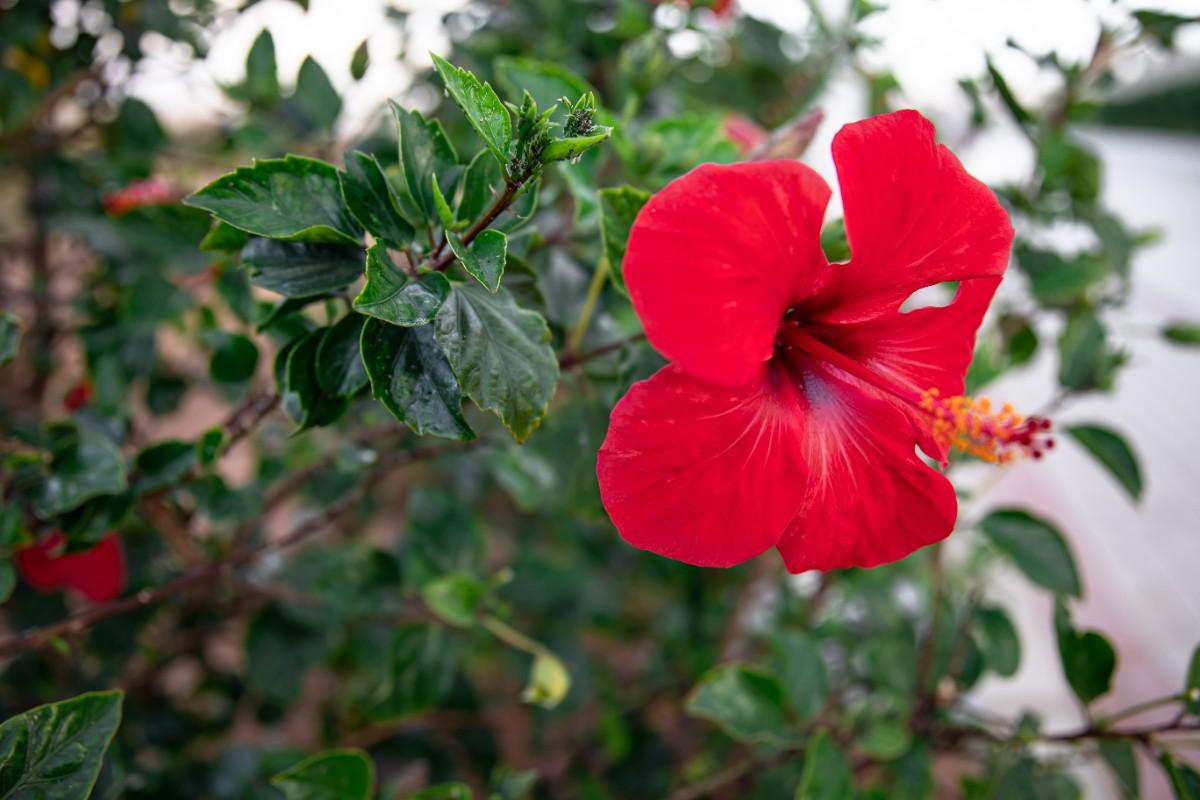
When I first brought a hibiscus plant into my small indoor space, I was amazed at how such attractive, flowering shrubs could instantly add a tropical touch to a simple balcony, terrace, or even a compact garden. Over the years, I’ve grown these plants both for their ornamental benefits and their subtle medicinal benefits, discovering how their hibiscus flowers can be used in teas, extracts, traditional medicine, hair care preparations, and natural skincare products. With their large blooms, colourful blooms, and truly impressive blooms, they elevate basic home gardening into a charming, decorative landscape experience. Many people don’t realize that these plants also contain rich antioxidants known to support heart health, liver function, and immunity, making them more than just pretty garden additions.
Hibiscus Plant Care: Easy Guide to Bigger, Daily Blooms
As I experimented with different hibiscus varieties, I learned how important their soil needs are and how following the right planting steps makes them incredibly easy to maintain. Giving them bright light, sticking to a steady watering schedule, and following simple fertilizing tips kept them thriving in every corner of my home. Occasional shaping with careful pruning guidance, staying alert with basic pest control methods, and quick troubleshooting especially when dealing with yellow leaves helped me grow them confidently. Today, when I tell someone they can easily grow at home, I speak from personal experience, having watched these plants flourish in every space I introduced them to.
Understanding the Hibiscus Plant
-
Hibiscus, especially Hibiscus rosa-sinensis, belongs to the Malvaceae family with almost 200 species.
-
Found widely across tropical regions, subtropical regions, and known for its worldwide distribution.
-
Grows well in containers and enriched garden soil, favoured by home gardeners in India.
-
Features glossy green foliage, trumpet-shaped flowers, and an evergreen nature suited for warm climates.
-
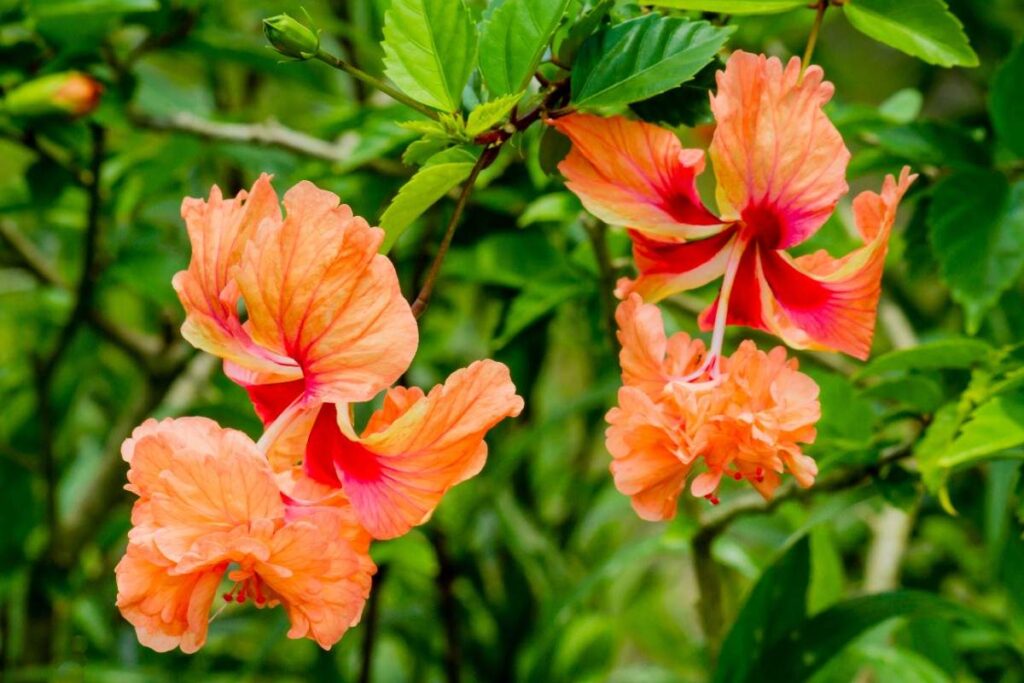
Hibiscus flowers appear in vibrant colours red, orange, white, pink, peach, yellow, and hybrid combinations.
-
Produces single-day blooms but offers continuous blooms for many months when maintained as a healthy plant.
-
Its charm contributes to its strong global popularity.
| Topic | Details |
|---|---|
| Plant Name | Hibiscus, Hibiscus rosa-sinensis |
| Family | Malvaceae family |
| Species Count | Nearly 200 species |
| Distribution | Tropical regions, subtropical regions, worldwide distribution |
| Growth Style | Suitable for containers and garden soil |
| Popular Regions | Loved by home gardeners in India and globally |
| Key Features | Glossy green foliage, trumpet-shaped flowers, evergreen nature |
| Climate Preference | Thrives in warm climates |
| Flower Colours | Red, orange, white, pink, peach, yellow, hybrid combinations |
| Bloom Pattern | Single-day blooms with continuous blooms for many months |
| Plant Requirement | Must be kept as a healthy plant |
| Global Trend | Strong global popularity |
Why You Should Grow Hibiscus at Home
-
Growing hibiscus as a home-garden plant brings vibrant blooms that instantly enhance the visual appeal of any garden, whether planted in pots or open ground.
-
Its natural ability for year-round flowering and steady year-round growth makes it perfectly suited for tropical climates and typical Indian conditions with surprisingly minimal care.
-
I’ve often enjoyed using the petals in homemade teas, syrups, and herbal infusions, discovering their subtle health benefits over time.
-
The plant attracts important pollinators like bees and butterflies, quietly supporting local biodiversity in the growing space.
-
With consistent proper care, this hardy species turns into a long-living plant that can thrive for nearly 40 years, making it both beautiful and dependable to grow at home.
-
Hibiscus Plant Care
Types of Hibiscus Plants
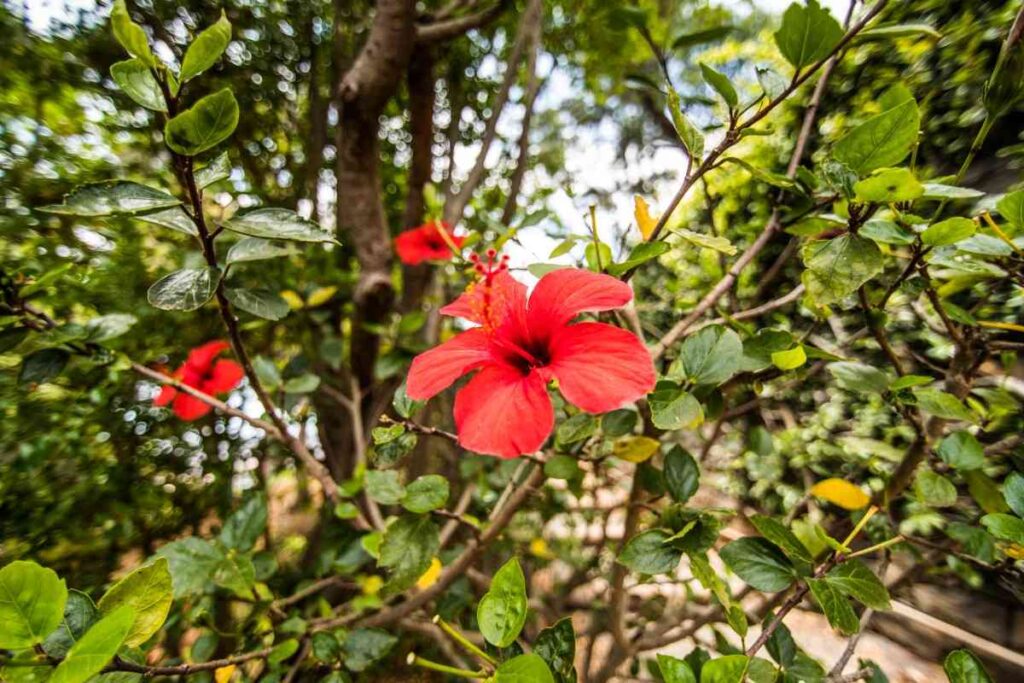
Over the years, I’ve learned that choosing between hibiscus plants depends heavily on understanding the difference between tropical hibiscus and hardy hibiscus, because selecting the correct type for your climate determines how well they thrive. These plant types may look similar at first glance, but tropical varieties demand warmer conditions while hardy ones can surprisingly withstand cooler weather, making it much easier to match them with the environment you’re growing in at home.
1. Tropical Hibiscus
A tropical hibiscus thrives naturally in warm climates and humid climates, especially in places with no severe winters such as India, Southeast Asia, the Middle East, and other tropical regions. I’ve always loved its evergreen presence and year-round foliage, though its sensitive to cold nature means it struggles when exposed to cold temperatures below the ideal temperature. When kept in warm locations, given regular watering, and maintained according to its higher watering requirement, it performs best rewarding you with blooms in many colours, including orange, yellow, pink, peach, and beautiful multi-tone hybrids, all thriving when the temperature above 16°C is maintained.
Key Growing Highlights
-
Thrives in warm climates, humid climates, and areas with no severe winters.
-
Perfect for India, Southeast Asia, the Middle East, and similar tropical regions.
-
Naturally evergreen with strong year-round foliage.
-
Highly sensitive to cold and performs poorly in cold temperatures.
-
Needs temperature above 16°C to stay within the ideal temperature range.
-
Grows best in warm locations with regular watering due to its higher watering requirement.
-
Produces many colours including orange, yellow, pink, peach, and multi-tone hybrids.
2. Hardy Hibiscus
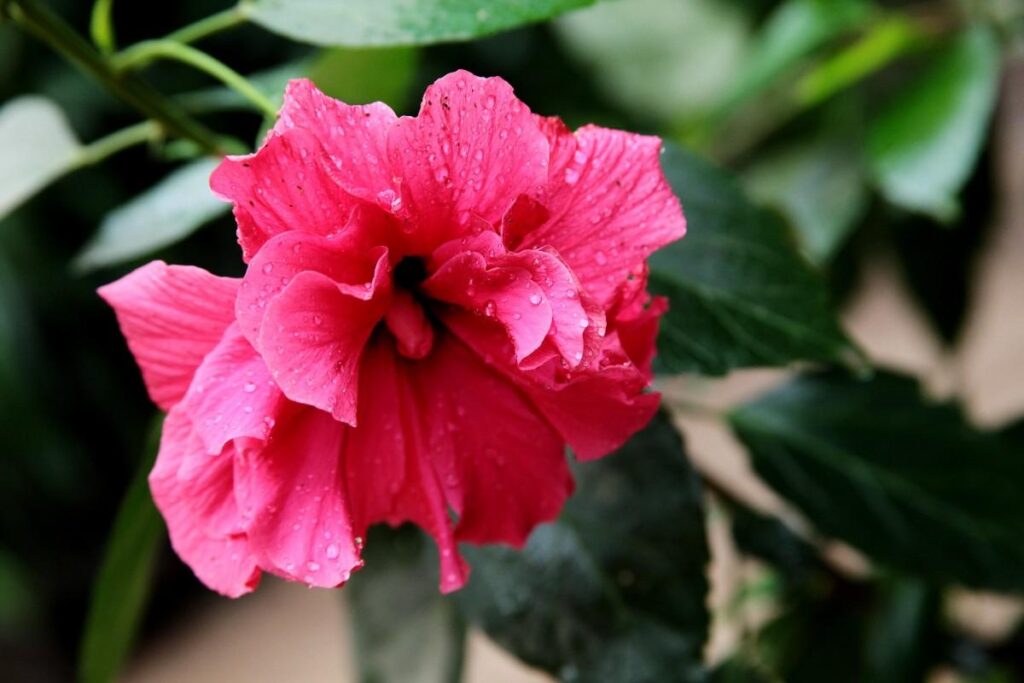
A hardy hibiscus has always impressed me with its ability to thrive in cooler climates, withstand mild frost, and adapt beautifully to temperate regions, even though it loses leaves during the winter season. Thanks to its strong cold weather tolerance, it survives cold and still performs well in winter temperatures that fall below 10°C, making it reliable for gardeners in ideal areas where tropical varieties struggle. What truly sets it apart is its larger flowers, and in a tropical varieties comparison, its blooms in common colours like red, white, and pink show that hardy types blend resilience with remarkable beauty.
Key Features
-
Thrives in cooler climates and handles mild frost with ease.
-
Suited for temperate regions where winters are longer and harsher.
-
Naturally loses leaves during the winter season.
-
Strong cold weather tolerance helps it survives cold effectively.
-
Continues to performs well even when winter temperatures drop below 10°C.
-
Grows best in ideal areas where tropical types fail.
-
Produces larger flowers in common colours such as red, white, and pink.
-
Stands out clearly in any tropical varieties comparison.
-
Hibiscus Plant Care
Which Hibiscus Variety Should You Choose?
| Factor | Best Choice | Reason |
|---|---|---|
| Climate-based guideline | Depends on region | Helps match the plant to local climate condition |
| Hot regions | Tropical hibiscus | Thrives in heat and offers continuous flowering |
| Humid regions | Tropical hibiscus | Performs well in moisture-rich environments like India and Southeast Asia |
| Mild temperatures | Either type | Both varieties adapt when the weather is moderate |
| Flower preferences | Either type | Choose based on bloom style and colour you like |
| Cold climates | Hardy hibiscus | Strong frost resistance and better survival |
| Recommended variety | Based on needs | Choose according to region-specific requirements |
Best Time to Plant Hibiscus
Planting hibiscus after winter has always given me the healthiest growth, especially when the season stabilizes into a warm temperature within the ideal planting range of 16°C to 32°C, which supports tropical hibiscus temperature needs. I’ve noticed that when temperatures fall below 12°C, the plant tends to stop growing, shed leaves, or enter dormancy, while heat above 35°C often causes leaf burn unless placed under partial shade. In India, the period from February to July works perfectly, while spring to early summer suits the USA and Europe, and the Middle East prefers winter to early spring to avoid the extremely hot summer. Whatever the region, it’s essential to avoid planting in a freezing winter, as young hibiscus plants struggle to establish roots in harsh conditions.
Ideal Planting Conditions
-
Plant after winter when a stable temperature sets in.
-
Ensure weather stays within the ideal planting range of 16°C to 32°C.
-
Supports the sensitive tropical hibiscus temperature needs.
-
Avoid temperatures below 12°C to prevent stop growing, shed leaves, and dormancy.
-
Protect from heat above 35°C to avoid leaf burn; provide partial shade.
Region-Specific Timing
-
India: Best between February to July.
-
USA & Europe: Plant in spring to early summer.
-
Middle East: Opt for winter to early spring to avoid the extremely hot summer.
-
Avoid planting in a freezing winter or extreme heat zones.
-
Hibiscus Plant Care
Choosing the Best Location for Hibiscus
-
Choosing the best location plays a major role in the hibiscus plant’s long-term growth, helping it live for decades when placed correctly.
-
The plant has specific sunlight requirements, needing a balance of sunlight to maintain consistent flowering.
-
Ideally, it should receive 4 to 6 hours direct sunlight followed by filtered sunlight or partial sunlight to prevent stress.
-
Harsh sunlight during midday can cause leaf burn, so providing afternoon shade is often helpful.
-
Too little light or insufficient sunlight leads to reduced flower production, which I’ve seen in shaded corners.
-
Best placements include east-facing balconies, terraces with light shade, and garden boundaries with good morning sun and gentle afternoon shade.
-
Always avoid deep shade, as it weakens growth.
-
Also avoid continuous harsh sunlight, especially during intense summer hours.
Soil Requirements for Hibiscus
From my own experience, hibiscus always responds best when planted in well-draining soil that prevents waterlogging while still offering the richness it needs through nutrient-rich soil. Over the years, I’ve consistently seen healthier growth when the mix leans toward slightly acidic soil, keeping the soil pH within 6.0 to 6.5, which matches the natural hibiscus soil preference and allows the plant to take up nutrients effortlessly, keeping the entire care routine smoother and more predictable.
Recommended Soil Mix for Pots
-
Start with garden soil as the base, using around 40% soil to give the potting blend structure.
-
Add cocopeat or peat moss, making up about 30% cocopeat, to improve aeration and moisture balance.
-
Enrich the mix with compost either vermicompost or cow dung ensuring it forms 20% compost for stronger organic matter, better soil fertility, and more fertile soil.
-
Enhance drainage by including river sand, perlite, or any 10% drainage material, which prevents the issues caused by clay-heavy soil that holds water.
-
This combination helps avoid root rot and creates a healthy good soil mix suitable for a long-lasting potting mix.
How to Plant Hibiscus at Home
I’ve tried all planting methods, and whether you start with seeds, stem cuttings, or nursery-grown saplings, each approach works well for hibiscus propagation when the soil and light conditions are right. What matters most is choosing the method you’re comfortable with so the plant establishes quickly and begins growing with steady strength.
Planting Seeds
-
Begin with loose soil blended into well-draining soil to create a healthy base for sowing.
-
Make small holes with 2 to 3 inches spacing, keeping the seed depth around 1 to 2 inches deep go slightly deeper in colder areas for extra protection, while warm climates allow normal sowing.
-
Water lightly to avoid waterlogging, ensuring the soil remains gently moist.
-
Expect germination in 7 to 14 days under warm conditions, supported by consistently moist soil.
-
The seedlings appearance signals that you followed the seed planting steps correctly.
Planting Saplings
-
Start with a healthy sapling and inspect it carefully to ensure there is no pest infestation.
-
Place the root ball into a hole twice the width of the pot size and fill it with loose soil to avoid compact soil that can restrict root growth.
-
Cover with soil and water gently to help the sapling settle without disturbing the roots.
-
Keep the plant in partial shade for two to three days to reduce transplant shock.
-
Slowly provide gradual sunlight exposure until it adjusts to more sunlight, completing the planting saplings steps for proper planting.
Watering Requirements for Hibiscus
Keeping hibiscus in moist soil without letting it become soggy soil has always been the key to balanced watering and healthy flowering. I follow a simple rule water only when the top one to two inches dry, increasing frequency during summer watering with daily watering or alternate day watering, reducing it during monsoon humidity, and spacing it to once in 3 to 5 days for winter watering. Identifying problems early helps prevent damage: yellowing leaves, soft stems, mushy stems, root rot, and dropping flower buds show overwatering signs, while dry leaves, crispy leaves, slow growth, and premature bud drop indicate underwatering signs. During the blooming period, I’ve noticed that adding weekly liquid feeding keeps the plant vigorous and maintains proper moisture. watering plants tips for fast thriving growth.
Seasonal Watering Guide
-
Water when the top one to two inches dry.
-
Summer watering: daily watering or alternate day watering.
-
Monsoon humidity: reduce watering.
-
Winter watering: once in 3 to 5 days.
Overwatering Signs
-
Yellowing leaves
-
Soft stems
-
Mushy stems
-
Root rot
-
Dropping flower buds
Underwatering Signs
-
Dry leaves
-
Crispy leaves
-
Slow growth
-
Premature bud drop
Extra Care During Blooming
-
Provide weekly liquid feeding.
-
Maintain proper moisture without excess water.
Fertilizing Hibiscus for Maximum Flowering
Hibiscus has always proven to be a heavy feeder, and I’ve noticed that supplying regular nutrients is essential for achieving continuous flowering throughout the growing months. I rely on natural boosters like vermicompost, organic compost, and cow dung compost, along with liquid supplements such as seaweed extract, banana peel fertilizer, and liquid NPK with higher potassium, while staying away from high nitrogen fertilizers because they encourage more leaves and fewer flowers. Adding bone meal or fish meal occasionally helps too, especially when the plant is gearing up for fresh blooms.
During the blooming season, I’ve seen the best results by adding organic compost every 15 days, using a weekly liquid fertilizer, and supporting the plant with a micronutrient mixture to prevent deficiencies. These simple fertilizing tips and recommended fertilizers ensure healthier growth and brighter blooms without stressing the plant.
Best Organic & Natural Fertilizers
-
Vermicompost
-
Organic compost
-
Cow dung compost
-
Seaweed extract
-
Banana peel fertilizer
-
Bone meal
-
Fish meal
Liquid Fertilizer Support
-
Liquid NPK (with higher potassium)
-
Weekly liquid fertilizer during growth
What to Avoid
-
High nitrogen fertilizers (cause more leaves and fewer flowers)
Feeding Frequency
-
Organic compost every 15 days
-
Weekly liquid fertilizer
-
Add micronutrient mixture to prevent deficiencies
Mulching and Weed Control
A simple layer of mulch can transform how well your hibiscus grows by protecting the soil and keeping unwanted growth away.
Why Mulching Helps
-
Maintains soil moisture for longer periods
-
Supports temperature regulation during heat and cold
-
Helps prevent weeds from competing with the plant
Good Mulching Materials
-
Dry leaves
-
Coconut husk pieces
-
Straw
-
Wood chips
-
Compost mix
Additional Benefits
-
Boosts soil fertility through natural decomposition
-
Provides effective weed control without disturbing roots
Pruning Hibiscus for Healthy Growth
Proper pruning can completely change how your hibiscus grows by encouraging stronger branches and more abundant flowering.
When to Prune
-
Early spring (around February to March)
-
Post-monsoon pruning in tropical regions
What to Cut
-
Remove dry stems
-
Remove dead stems
-
Remove diseased stems
-
Trim crossing branches to improve structure
-
Cut branches just above leaf nodes
What to Avoid
-
Avoid cutting two-thirds of the plant at once
Pruning Benefits
-
Encourages fuller growth
-
Leads to more flowers
-
Improves air circulation
-
Reduces pest issues
-
Promotes new branch growth
-
Helps maintain plant shaping
-
Creates dense foliage
-
Supports increased flower production
-
Prevents fungal infections
Pruning Methods
-
Follow consistent, balanced trimming
-
Focus on maintaining plant health and structure
Common Pests in Hibiscus and How to Control Them
Hibiscus plants often attract pests on their tender leaves and tender flowers, making early action essential.
Common Pests
-
Aphids
-
Whiteflies
-
Mealybugs
-
Spider mites
-
Thrips
Inspection & Early Care
-
Perform regular inspection to detect problems early.
-
Understand that pest attraction increases on soft new growth.
Organic Sprays
-
Use neem oil spray (mix 2 teaspoons neem oil, mild liquid soap, 1 liter water).
-
Apply as weekly spraying and always choose evening spraying to avoid leaf burn.
-
Use soap water spray for soft-bodied pests.
Additional Natural Methods
-
Set yellow sticky traps for flying insects.
-
Try turmeric water or garlic water as a natural repellent.
-
Use an organic pesticide only when needed.
Pest Control Methods
-
Rotate remedies to prevent resistance.
-
Keep plants clean and well-maintained to reduce infestations.
Why Hibiscus Leaves Turn Yellow
Yellowing leaves in hibiscus can come from several stress factors, and identifying the right cause makes recovery much easier.
Water-Related Causes
-
Overwatering leading to waterlogged soil and root damage
-
Underwatering causing dry soil and lack of consistent moisture
-
Fix by adjusting care: reduce watering or improve drainage
Temperature Issues
-
Temperature shock from sudden heatwaves
-
Yellowing due to cold conditions
-
Keep the plant within a stable temperature range
Pest Problems
-
Pest attack from aphids or mites
-
Damage occurs as they suck plant sap
-
Treat with neem oil or organic sprays
Nutrient Deficiencies
-
Low iron
-
Low magnesium
-
Low nitrogen
-
Correct using compost or a micronutrient mix
Soil-Related Issues
-
Growing in poor soil, heavy soil, or compact soil causes poor root health
-
Improve using sand, perlite, or cocopeat for better soil texture improvement
Potting and Repotting Hibiscus
Choosing the right pot and repotting at the right time greatly improves hibiscus growth and overall plant health.
Pot Size Requirement
-
Small plants: Use a 12-inch pot
-
Mature plants: Use a 16 to 18-inch pot
-
Prefer containers or plastic pots for better moisture retention and stable soil alkalinity
When to Repot
-
Look for repotting indicators like roots coming out of drainage holes
-
Watch for slow growth, which signals limited space
-
Best to repot every 1 to 2 years
Best Time for Repotting
-
Perform early spring repotting for the best results
Additional Tips
-
Always choose a large pot when roots are expanding
-
Ensure good drainage to avoid stress on the plant
Indoor vs. Outdoor Hibiscus Care
Outdoor Hibiscus
-
Shows faster growth and produces more flowers
-
Benefits from stronger natural light
-
Needs regular watering to maintain bloom cycles
-
Generally easier to maintain in open spaces
Indoor Hibiscus
-
Place near a bright window to keep it thriving
-
Requires winter watering reduction to avoid overwatering
-
Keep away from heaters, AC vents, and cold drafts
-
Tends to get limited sunlight, resulting in fewer flowers
-
Can remain healthy indoors with proper positioning
Key Differences
-
Indoor vs outdoor care varies mainly due to environmental exposure
-
Major factor: sunlight requirement differences between the two settings
Additional Tips for Growing a Healthy Hibiscus Plant
-
Rotate pot every two weeks to maintain even growth on all sides.
-
Remove spent flowers regularly to encourage new blooms.
-
Use rainwater or soft water to avoid mineral buildup in the soil.
-
Provide strong winds protection to prevent damage to tender buds and branches.
-
Keep the plant in moist soil but always avoid waterlogging.
-
Add monthly compost to boost soil fertility.
-
Follow these simple healthy hibiscus tips for a consistently thriving plant. top summer flowers to grow in India.
A well-grown hibiscus is truly a reward for any home gardener, and after understanding its varieties, planting methods, soil needs, watering routines, pruning practices, pest management, and indoor–outdoor care differences, it becomes clear that this plant thrives when given balanced attention and the right environment. Whether you’re nurturing it from seeds, saplings, or mature plants, focusing on light, drainage, nutrients, and seasonal adjustments ensures steady growth and abundant blooms. With consistent care, mindful observation, and a few simple habits, a hibiscus plant can flourish for years bringing colour, life, and beauty to any space you choose to grow it in.
FAQS
Is a hibiscus a shrub or creeper?
Hibiscus is an evergreen shrub, and in natural conditions a hibiscus shrub can reach nearly 10 m height, showing clearly in the shrub vs creeper comparison that its upright form and branching pattern define its true hibiscus growth habit, even when allowed wild growth in open spaces.
Do hibiscus like sun or shade?
Hibiscus thrives best in a sunny location with well-drained soil enriched with organic matter, but it can handle light shade in less desirable soils, though this often leads to reduced vigor and reduced flowering. Giving the plant plenty of water in bright light supports abundant blooming, showing that strong hibiscus sun requirement outweighs its limited hibiscus shade tolerance.
Is hibiscus a lucky plant?
Many people consider hibiscus a vibrant flowering plant and a colorful plant that brings joy, beauty, and a sense of abundance, and in Vastu Shastra, its proper garden placement or balcony placement is seen as auspicious, inviting good fortune and prosperity into the household, which strengthens its long-held hibiscus symbolism.
What are the disadvantages of hibiscus plants?
Some people may experience blood pressure drop, dermatitis, headache, nausea, or ringing in the ear as an allergic reaction or sensitivity to plants from the Malvaceae plant family, which means understanding potential health risks is important when handling or consuming hibiscus, as these mild hibiscus side effects can affect certain individuals.
Can hibiscus survive winter outside?
In my experience, wintering tropical hibiscus outdoors is risky because while they make great houseplants for indoor use, they cannot handle the harsh cold of far north regions like Canada or northern Europe, where freezing temperatures and icy winter nights can cause them to perish outdoors; true tropical hibiscus survival becomes impossible in any below freezing climate, making outdoor growing a serious outdoor winter risk.