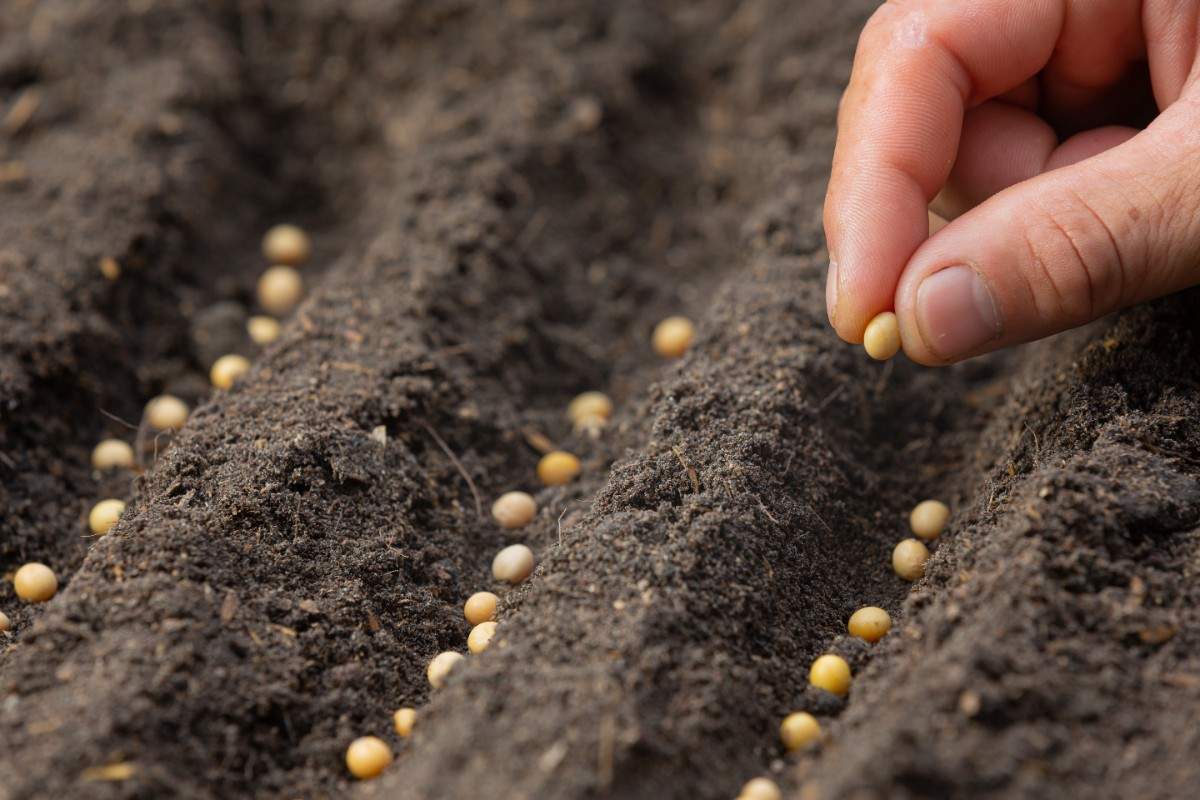
How Long Do Seeds Last is something I learned through my own years of growing vegetables at home and helping gardeners, home growers who love terrace gardening, and small farmers in India and around the world, because seeds may look dry, brittle, and inactive, but inside they hold a living embryo that can grow into a healthy plant if stored correctly since they are still alive, even though their germination ability declines over time; so understanding how long seeds last plays a crucial role when you check old seeds to see if they are still viable, especially vegetable seeds we often store for the next season, and to make sure they stay viable you must store them properly, keep them cool and dry, and always test expired seeds before planting, which makes this a crucial complete guide about seed shelf life, storage, and viability testing for those who don’t want to waste time, effort, and hope on seeds that won’t sprout.
How Long Do Seeds Last? Proven Storage & Viability Tips
Do Seeds Really Expire?
Seeds do have a natural lifespan, but whether they truly expire depends on how they age and the environment they are kept in, because although their germination rate decreases and they can lose strength after one year or more, they often remain viable for several years and even many years if key factors that affect seed viability like seed type, genetic life span, proper drying, and careful storage are managed well.
-
Keep seeds cool, dry, and protected.
-
Maintain strict moisture control, storage temperature, and humidity.
-
Prevent light exposure, air, and sunlight inside packaging.
-
Well-saved seeds can sprout successfully long after expected expiry.
How Long Do Seeds Last? Proven Storage & Viability Tips
How Long Do Vegetable Seeds Last? (Viability Table Included)
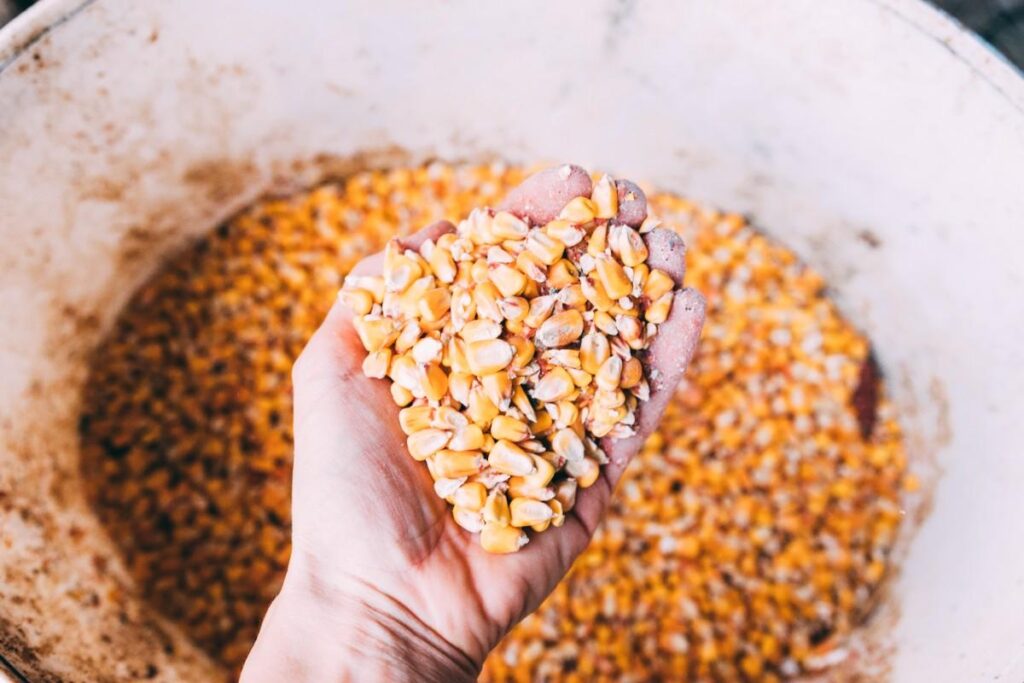
From what I’ve observed in my own garden, most vegetable seeds remain viable for around 2–3 years, but many commonly used varieties have longer shelf lives, like lettuce and carrot which can still sprout after 5–6 years, while some like onion and parsley may expire within a year, and as the table below shows, these Lifespans can vary depending on conditions, seed maturity, and harvest quality.
The table below shows the average storage life of well-stored vegetable seeds:
| Vegetable Seeds | Years |
|---|---|
| Arugula | 6 |
| Leek | 2 |
| Beans | 3 |
| Lettuce | 6 |
| Beetroot | 5 |
| Muskmelon | 5 |
| Broccoli | 5 |
| Mustard | 4 |
| Brussels Sprouts | 5 |
| Okra | 2 |
| Cabbage | 5 |
| Onion | 1 |
| Carrot | 6 |
| Parsley | 1 |
| Cauliflower | 5 |
| Parsnip | 1 |
| Celeriac | 3 |
| Pea | 3 |
| Pepper | 2 |
| Swiss Chard | 5 |
| Pumpkin | 4 |
| Chicory | 4 |
| Radish | 6 |
| Chinese Cabbage | 5 |
| Rutabaga | 4 |
| Collards | 5 |
| Salsify | 1 |
| Corn Salad | 5 |
| Scorzonera | 1 |
| Sweet Corn | 2 |
| Sorrel | 4 |
| Cucumber | 5 |
| Spinach | 3 |
| Eggplant | 4 |
| Squash | 4 |
| Endive | 6 |
| Tomato | 4 |
| Fennel | 4 |
| Turnip | 4 |
| Kale | 4 |
| Water Cress | 5 |
| Kohlrabi | 5 |
| Watermelon | 5 |
Want to grow tomatoes successfully? Learn more here…
Can Seeds Last Longer in the Freezer?
From my experience saving garden seeds, the answer is yes if they are properly dried and stored in airtight containers, the freezer can help them remain viable for 10 years or even more, especially certain species like perennials that benefit from cold storage and sometimes require freezing and thawing conditions to break dormancy, but it’s crucial to avoid moisture, because improper freezing can damage the embryo inside, so I always make sure they are completely dry before freezing to keep them safe and ready for the next season.
How to Store Seeds for Maximum Shelf Life
Preparation
-
To extend the natural lifespan of seeds, always ensure they are fully dried until hard and brittle.
-
Use paper envelopes to absorb excess moisture.
-
Label each packet with seed name and year before storing.
Storage Environment
-
Place envelopes inside an airtight container for the right way of storage.
-
Keep seeds in a cool, dark, dry area with consistent temperature.
-
In Indian climates with high humidity, choose airtight steel containers or glass containers.
-
Add silica gel packets to prevent moisture buildup.
-
Store away from kitchens to avoid fluctuating temperatures.
-
Proper storage prevents mold, rotting, and premature germination, making these best practices essential for long-term seed storage.
How Long Do Seeds Last? Proven Storage & Viability Tips
How to Check Whether Old Seeds Are Still Good
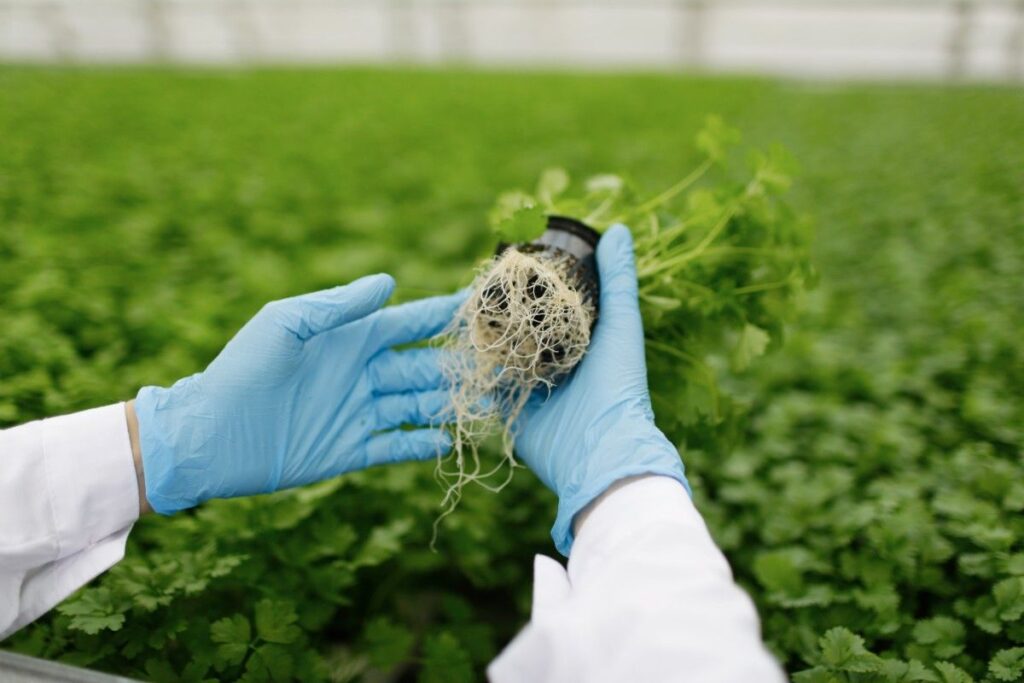
Before sowing seeds into soil or the ground and wasting time on expired seeds, I always conduct a simple viability test at home to check if old seeds are still good, which is as easy as placing a few in a damp tissue and watching whether they sprout.
Germination Test Using a Paper Towel
Required materials:
-
10 seeds
-
Seeds from the original packet
-
Paper towel
-
Water spray bottle
-
Sealed plastic bag or zipper pouch
-
Permanent marker
Steps:
-
Moisten a paper towel until damp, not dripping
-
Spread 10 seeds in a single row on the towel
-
Fold or roll the towel to cover the seeds
-
Place it inside a sealed plastic bag
-
Label with date and seed type
-
Store in a warm place around 21°C, 24°C (70°F, 75°F)
-
Check daily to ensure the towel stays damp
-
After 7, 10 days, count the seeds sprouted
Understanding the results:
-
90, 100 percent sprouted → Excellent viability, use normally
-
70, 89 percent sprouted → Good, sow slightly thicker
-
40, 69 percent sprouted → Weak seed quality, replace soon
-
Below 40 percent → Expired seeds, discard or compost
The sprouted seeds can be planted directly with pieces of towel attached since the towel will decompose in the soil.
Water Float Test (Secondary Quick Check)
-
Place the seeds in a glass of water
-
Wait about 15 minutes
-
If seeds sink → likely viable
-
If seeds float → weak, may not germinate
-
This method is not always accurate but useful as a quick indicator
Can Expired Seeds Still Grow?
-
Expired seeds may still germinate, but chances reduce as years pass
-
Some may sprout, yet resulting plants often grow slower
-
They may produce fewer fruits and be vulnerable to disease
-
Hard to get strong, healthy yields of vegetables
-
Fresh seeds are usually a better choice
Using older seeds is possible, but the outcome might disappoint you. Fresh seeds give you the best growing experience.
Final Tips for Seed Longevity
-
Store seeds in airtight containers
-
Limit exposure to air and moisture
-
Avoid sunlight and temperature changes
-
Always label seeds to track age
-
Do a germination test every year when planting older seeds
Conclusion
Since seeds are living organisms with limited lifespans, some remain viable for many years while others expire quickly, and I’ve learned that storing seeds properly in cool, dry, dark conditions can maximize lifespan and save money for future growing seasons, especially when planting leftover seeds; even expired seeds can be worth a test before tossing them, because every successful sprout contributes to a more productive garden, whether you’re a home gardener in India or a grower anywhere in the world, and by understanding seed storage and viability, we can enjoy healthier plants and better harvests year after year.
FAQS
How to know if seeds are expired?
I place container in a warm location like the top of refrigerator or a heat mat and watch seeds for a couple of weeks to see if they germinate.
If only a small percentage of seeds sprout, it’s a good idea to replace the remaining seeds in the packet, as they may not be worth planting.
How can you tell if your old seeds will still sprout?
One simple method to check seed viability is the water test: take seeds and place them in a container of water, then let them sit for 15 minutes.
If seeds sink, they are still viable, but if seeds float, discard them because they probably will not sprout.
Can I use seeds that are 3 years old?
Yes, you can use seeds that are 3 years old, because the truth is seeds don’t expire, they just gradually lose viability if stored improperly, and although seed companies often replace seeds after 2-3 years, many seeds keep for decades and still germinate when planted if they were kept in a cool, dark, dry place.
What is the average lifespan of a seed?
The average lifespan of a seed varies widely, with some classified as microbiotic, living less than 3 years, others known as mesobiotic, surviving 3 to 15 years, and certain long-lasting types called macrobiotic, which can remain viable for more than 15 years under proper storage.
Can you use 10 year old seeds?
You can sometimes use 10 year old seeds, but how long seeds usually last depends on the type and whether they were stored in a cool, dry, dark place most garden vegetables stay viable for around 3 years, while onions and parsnips may only remain viable for one year, two at most, yet squashes and tomatoes can last longer, often 5+ years, so the older the seeds, the more important it becomes to test them before planting.