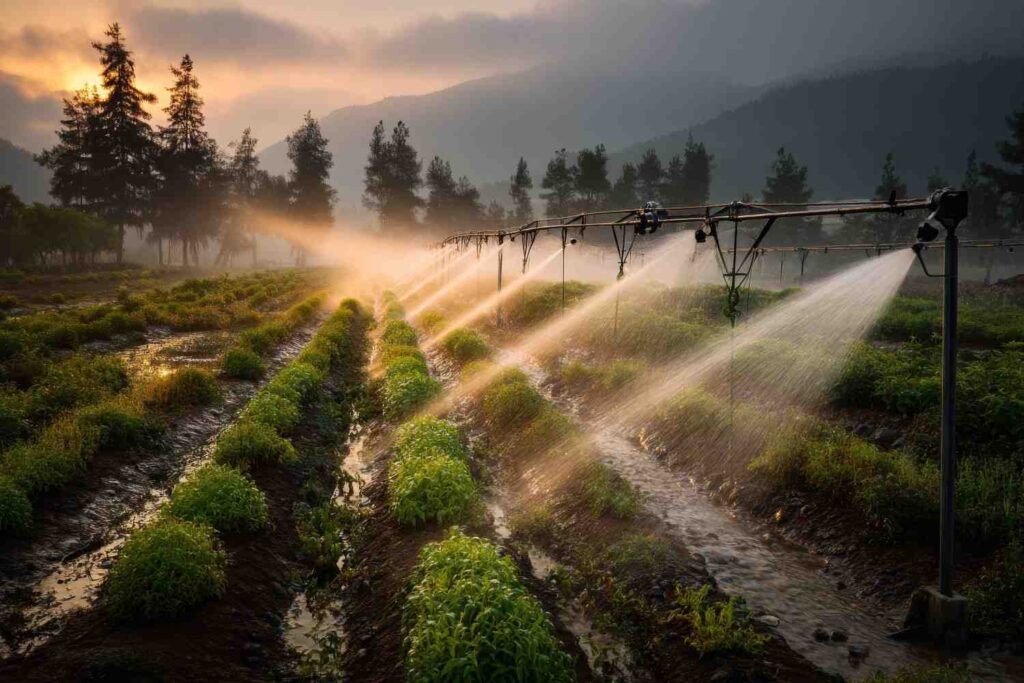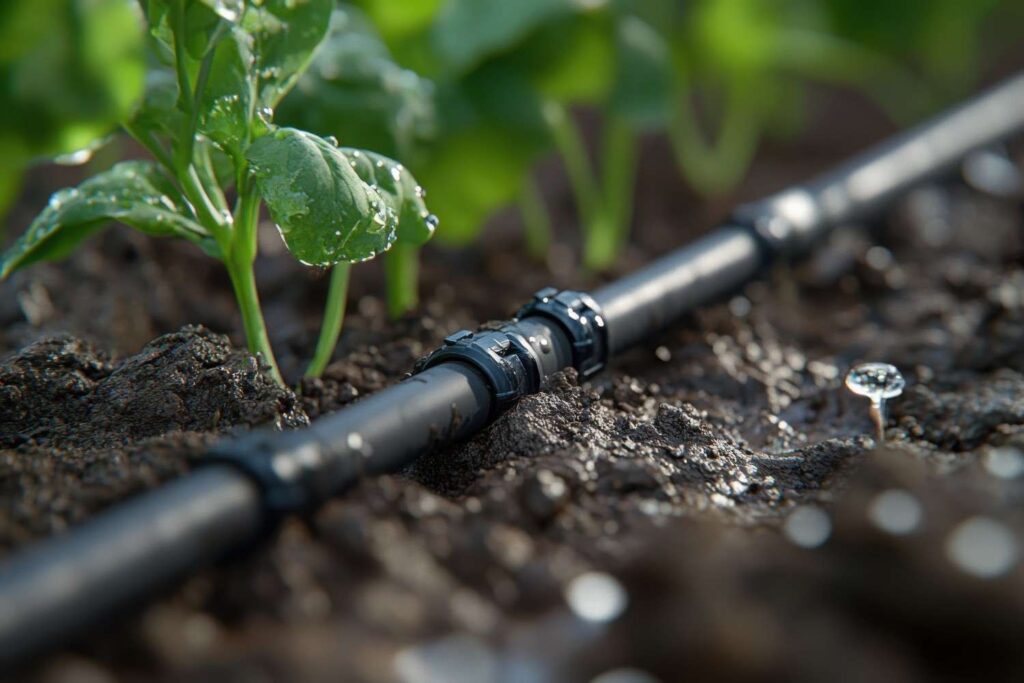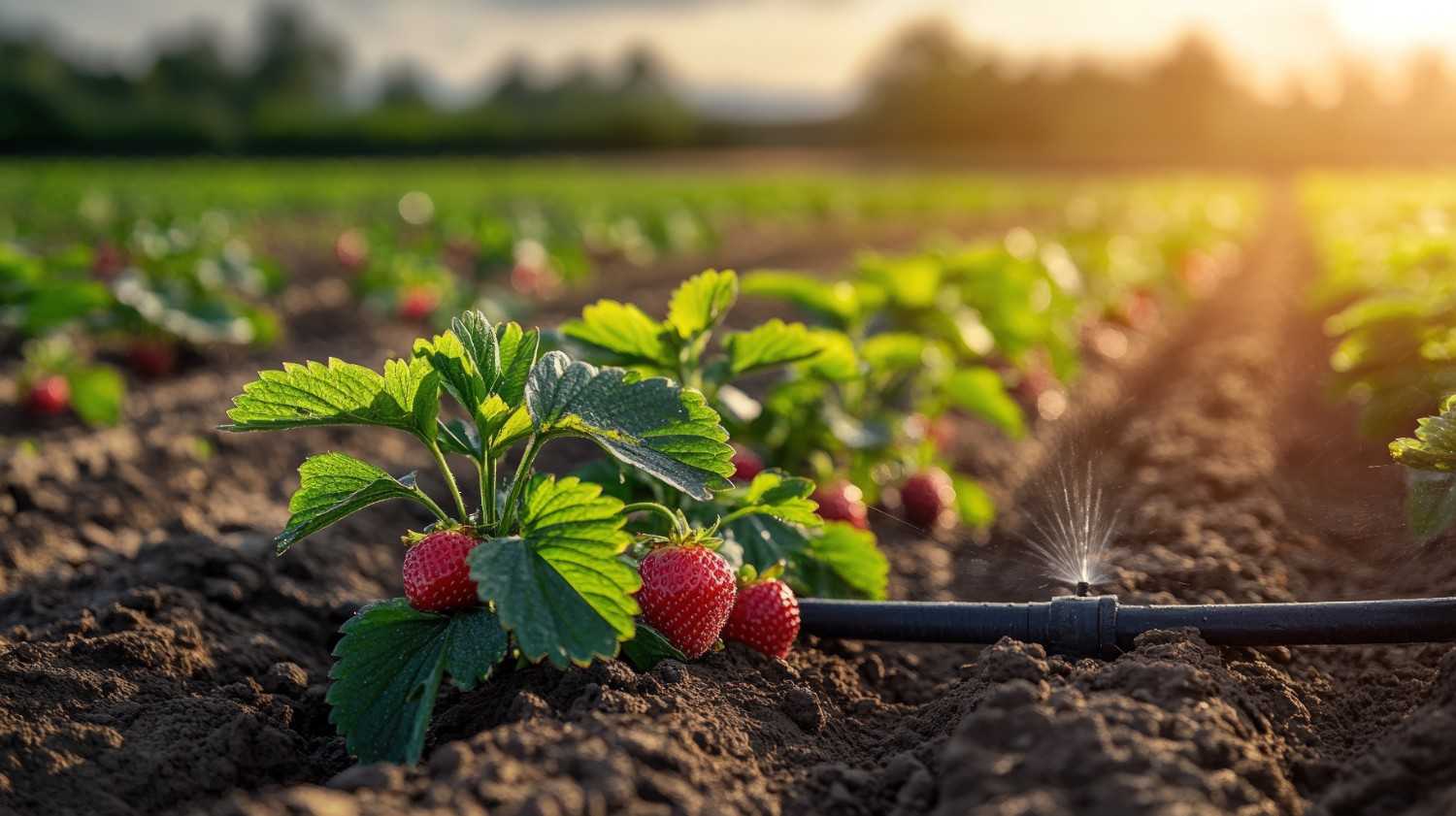
Drip irrigation is becoming a vital tool for sustainable farming in India, especially with the growing challenges of water scarcity. The technology focuses on delivering water directly to the roots of crops, significantly improving water usage efficiency. This is a game-changer for small and marginal farmers who often struggle with inconsistent water supply. The Indian government has stepped in with various subsidies and incentives under schemes like Pradhan Mantri Krishi Sinchayee Yojana (PMKSY) and Per Drop More Crop. These programs aim to reduce labor costs, promote water conservation, and increase yields in the agricultural sector. By adopting drip irrigation systems, farmers can drastically reduce manual irrigation efforts while benefiting from water-saving technologies that boost crop production.
How to Apply for Drip Irrigation Subsidies in India: Eligibility, Benefits, and State-Specific Programs
Across different regions, the application processes for these subsidies are streamlined to encourage adoption. For instance, in Maharashtra, farmers growing sugarcane benefit from tailored systems that address the crop’s specific water needs. Similarly, in Telangana, the government has introduced region-specific programs for small-scale farmers through initiatives like Har Khet Ko Pani, promoting water conservation and the installation of drip systems. To qualify for these subsidies, farmers must meet certain criteria, which involve submitting documentation detailing water usage, installation costs, and the economic impact of the technology on their crops. These efforts align with the government’s larger goal of improving crop quality, increasing production, and ensuring the sustainability of agriculture in India through state-level programs.
Drip Irrigation Subsidies in India: Eligibility and Application Process
Guide to Navigating the Drip Irrigation Subsidy Application Process in India
-
Farmers must apply for drip irrigation subsidies via the government webpages or portals specific to their state.
-
Required documentation includes:
-
Personal information (e.g., Aadhaar cards, bank account details)
-
Land documents proving land ownership
-
Power bills for pump sets
-
Caste certificates for SC/ST farmers
-
System design of the irrigation setup
-
-
Once documentation is submitted, it undergoes a verification process.
-
A field check is conducted to ensure the suitability of the land for drip irrigation.
-
Approval times may vary based on the state and volume of applications.
-
-
Farmers can track the status of their application online through the portal, receiving real-time updates.
Eligibility Criteria for Drip Irrigation Subsidies Across India
-
Eligibility varies by state, but farmers must meet certain prerequisites for drip irrigation subsidies.
-
Farmers must own or lease arable land, with minimum land requirements depending on the state (e.g., in Rajasthan, specific hectares for eligibility).
-
The subsidy is available to small and marginal farmers, as well as SC/ST farmers and tenant farmers (with valid lease agreements).
-
State-specific rules outline the eligible crops, including sugarcane, cotton, bananas, mangoes, fruits, and vegetables.
-
Documentation for land ownership or leased status must be submitted for verification, including bank account details and proof of crop type.
-
Agriculture agencies verify ownership, lease agreements, and landholding before approving the subsidy.
-
Additional support is available for plant nurseries or those involved in agricultural establishment.
| Eligibility Criteria | Details | Subsidy Percentage |
|---|---|---|
| Land Ownership | Must own or lease arable land (minimum hectares vary by state, e.g., Rajasthan) | Varies by state and farm size |
| Farmer Type | Available for small, marginal farmers, SC/ST farmers, and tenant farmers | 50-90%, depending on farmer category |
| Eligible Crops | Sugarcane, cotton, bananas, mangoes, fruits, and vegetables | Based on crop type and state guidelines |
| Tenant Farmers | Must have valid lease agreements for eligibility | Generally 60-80% depending on state |
| State-Specific Rules | Varies by state for crop types, landholding, and additional support (e.g., nurseries) | Subsidy % depends on state legislation |
| Required Documentation | Land documents, bank account details, proof of crop type, lease agreements | – |
| Verification Process | Agriculture agencies verify ownership, landholding, and lease agreements | – |
| Additional Support | Available for plant nurseries and agricultural establishment | Often 50-60% for nurseries |
State-Specific Drip Irrigation Subsidy Percentages and Benefits
-
Andhra Pradesh:
-
Subsidy ranging from 30%-70% for farmers.
-
Focus on women and SC/ST communities.
-
Aimed at improving irrigation in drought-prone regions.
-
Requires Aadhaar, land records, and caste certificates for verification.
-
-
Telangana:
-
Subsidy ranging from 50%-70%.
-
Special priority for small-scale farmers.
-
Focus on improving irrigation in low rainfall areas.
-
Requires Aadhaar and land records verification.
-
-
Maharashtra:
-
A 55% subsidy is available for water-intensive crops such as sugarcane and cotton.
-
Focus on improving irrigation efficiency in low water regions.
-
-
Gujarat and Rajasthan:
-
60% subsidy for farmers in mountainous areas.
-
Focus on improving irrigation systems to address low groundwater levels.
-
-
Punjab and Tamil Nadu:
-
75% subsidy, especially for low rainfall areas.
-
Aimed at enhancing water-saving technologies in drought-prone regions.
-
-
Assam (Northeast):
-
60:40 finance arrangement.
-
Focus on helping farmers in hilly regions and small-scale agriculture.
-
-
Uttar Pradesh, Karnataka, and Haryana:
-
55% subsidy for small-scale farmers.
-
Capped at 725,000 per acre.
-
Targeting low groundwater levels and drought-prone regions.
-
-
General Requirements:
-
Documentation required: Aadhaar, land records, and other relevant proofs for eligibility verification.
-