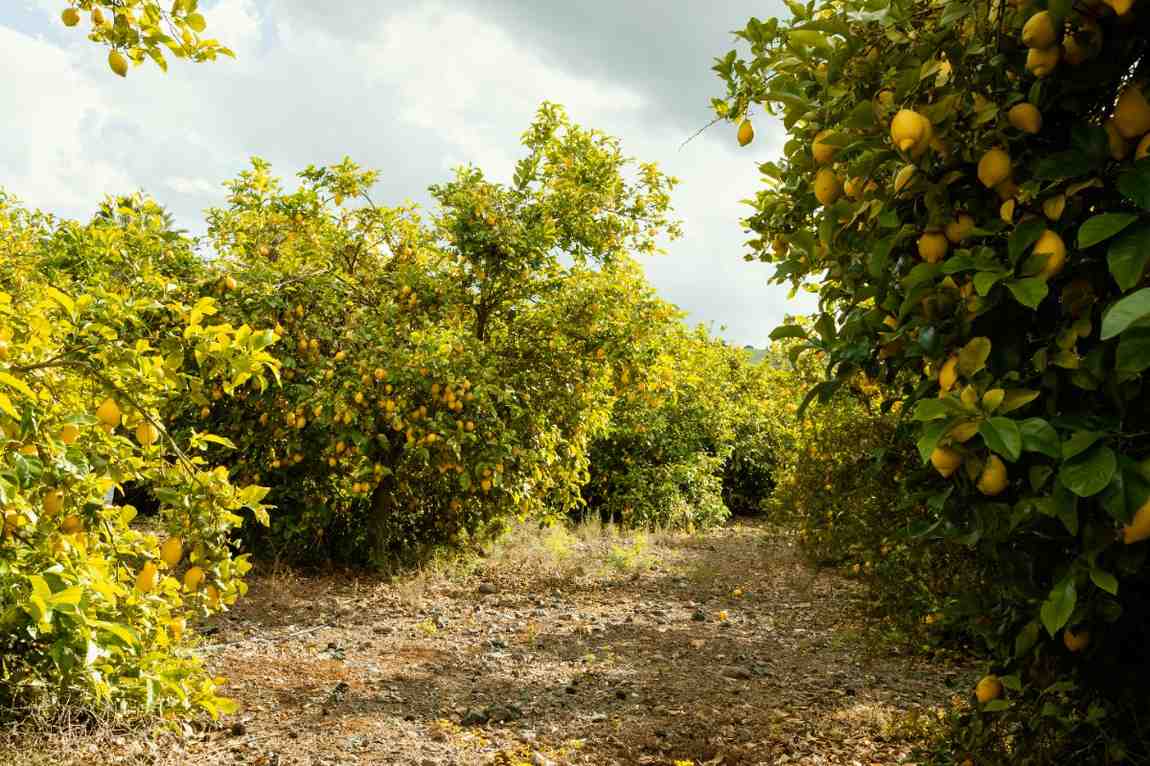
As someone who has spent years growing a lemon tree both in a small garden and later in a larger space as an orchard enthusiast, I learned that whether you are a home gardener in India, the US, Europe, or Australia, the core principles of proper fertilization remain the same, because citrus responds to universal guidelines no matter any region you live in. When you focus on citrus nutrition, the tree rewards you with glossy green leaves, fragrant white blossoms, and eventually tangy fruits that truly brightens your garden.
How to Fertilize Lemon Trees for Massive Fruit Production
Many beginners assume that citrus plants naturally thrive, but producing high-quality fruit and maintaining healthy growth requires regular fertilization using easy-to-follow steps that suit both Indian climates and traditional citrus-growing region practices. Over time, I noticed that following a comprehensive guide not only improved the produce from my trees but also helped ensure a steady supply of fruits, turning simple gardening into one of my most rewarding experiences. Even experienced growers rely on these essential methods to achieve maximum fruit production and consistently grow nutrient-rich fruits, so consider these practical steps as additional notes to support your personal journey in growing a lemon tree.
Why Fertilizing Lemon Trees Is Important
-
lemon trees are heavy feeders and need a higher amount of nutrients compared to other fruit trees
-
Even when they look healthy, they can still be nutrient-deficient if not fertilized properly
-
This often leads plants to fail to flower or fail to fruit, causing common gardening problems
-
A well-fed lemon tree develops deep green leaves, strong new shoots, and abundant flowering
-
Consistent care supports continuously developing fruits with better size, juiciness, and improved flavor
-
Citrus trees require a balanced diet that includes major nutrients like nitrogen, phosphorus, and potassium
-
Important micronutrients needed are iron, zinc, manganese, and magnesium
-
Effective results depend on applying fertilizer in the right quantity and maintaining proper fertilization throughout the year
Understanding Lemon Tree Nutritional Needs
From my own experience, lemon trees truly require a carefully balanced mix of macronutrients and micronutrients, because understanding their nutritional needs helps you fertilize with precision and keep the plant consistently productive.
When you match these essential elements in the right proportions, the tree responds immediately, proving how vital it is to meet these nutritional needs through the proper balance of macronutrients, micronutrients, and the overall mix your citrus depends on.
1. Nitrogen (N): The Most Important Nutrient
-
nitrogen is responsible for vigorous leaf formation and steady branch growth
-
It gives citrus a healthy green color during essential leaf formation stages
-
Plays a major role in flower initiation and fruit initiation in citrus trees
-
Lemon trees have a naturally high nitrogen demand, especially during fruiting stages
2. Phosphorus (P): Root & Flower Development
-
phosphorus supports strong root development, helping young and mature trees anchor and grow well
-
It plays a key role in healthy flowering and reliable fruit setting
-
Essential for energy transfer processes inside the plant, influencing overall productivity
3. Potassium (K): Fruit Quality
-
potassium is needed for improving fruit size and increasing juice content
-
It enhances disease resistance and stabilizes the tree’s water balance
-
A lack of potassium causes fruits stay small and fruits stay dry, reducing overall fruit quality
4. Micronutrients
-
micronutrients are needed in small amounts but remain vital for overall tree health
-
key micronutrients include iron, zinc, magnesium, manganese, and copper
-
iron prevents yellow leaves, while zinc supports shoot growth
-
magnesium is essential for chlorophyll, and manganese plus copper are crucial for enzyme activity
-
micronutrient deficiency is common in lemon trees, especially in containers or poor soil
-
chlorosis appears as yellow leaves with green veins, a classic sign of iron deficiency
-
Pale foliage with interveinal fading is a sign of magnesium deficiency
-
How to Fertilize Lemon Trees
Best Fertilizers for Lemon Trees
From my own citrus care routine, I’ve found that choosing the right fertilizer is the most important step in supporting lemon trees, because using the best fertilizers directly determines how well they grow and fruit.
1. NPK Fertilizers (Chemical/Commercial)
-
NPK fertilizers are a reliable chemical fertilizer choice for citrus trees
-
They are often high in nitrogen and available in suitable NPK ratios like 6-6-6, 8-3-9, 8-8-8, and 5-10-10
-
Ideal for the fruiting season, allowing you to choose one formula that fits your tree’s needs
-
It’s important not to exceed 8 to ensure balanced usage. To understand these numbers better, you can also check my NPK ratio explained guide.
-
water-soluble fertilizers work fast and help with quick nutrient correction
-
slow-release fertilizers release nutrients gradually and support continuous feeding
-
selecting the right product ensures healthy growth and consistent fruit production
2. Organic Fertilizers
-
organic fertilizers improve long-term soil health and help prevent nutrient burn
-
compost, cow dung manure, and vermicompost enrich the soil naturally
-
bone meal is phosphorus-rich, supporting strong root and flower development
-
seaweed extract adds essential micronutrients for balanced growth
-
neem cake enhances natural pest resistance
-
fish emulsion offers an NPK boost and provides high nitrogen gently
-
Ideal for home gardeners working with containers, sandy soil, or poor soil
-
These are good organic options and especially good for maintaining consistent nutrition without harming the plant. Learn more about choosing the right organic fertilizers for home gardens.
-
How to Fertilize Lemon Trees
When to Fertilize Lemon Trees
From my experience, knowing when to fertilize lemon trees is just as important as choosing the right fertilizer, because the correct timing directly affects how well the plant grows and fruits.
A Global Perspective on the Growing Season
-
From a global view, lemon trees grow actively from late winter to early autumn
-
The growing season includes typical fertilizing months like February, March, spring, April, and May
-
Fertilizing continues into early summer (June, July) and late summer (August, September)
-
These months ensure consistent nutrition during the tree’s most productive period
Indian Climate Timing
-
In the Indian climate, understanding citrus growth patterns helps time fertilization correctly
-
The warm months are the best fertilizing months: February, March, May, June, August, and early October
-
A light dose may be applied if needed during active growth
-
Always do not fertilize in winter (November, December, January)
-
During winter, growth slows down and fertilizer not absorbed properly, leading to waste and potential stress
How Much to Fertilize a Lemon Tree
-
The amount of fertilizer always depends on the age of the tree, height, and soil type
-
Consider whether the plant is in a pot or in the ground with good organic matter
-
A reliable general rule is applying 1 tablespoon of NPK fertilizer for every year of tree age
-
For trees older than 10 years, always cap at 1 cup per feeding to avoid excess nutrients
How to Apply Fertilizer Correctly
A common issue among gardeners is the mistake of trying to apply fertilizer right near the trunk, even though citrus roots actually extend outward more than they extend downward, so the best way to apply properly is to measure tree height, fertilize in a circle along the drip line, keep fertilizer away by 8–12 inches from the base, spread evenly, and then water thoroughly to activate nutrients, making sure a lemon tree 3 feet tall gets a 3-foot circle and a 20 feet tall tree receives a 20-foot circle so the entire root system absorbs the nutrients effectively.
-
gardeners often make the mistake of placing fertilizer near the trunk
-
citrus roots extend outward more than they extend downward
-
Always measure tree height before feeding
-
fertilize in a circle under the drip line
-
keep fertilizer away from the base by 8–12 inches
-
spread evenly around the root zone
-
water thoroughly to activate nutrients
-
A lemon tree 3 feet tall needs a 3-foot circle; a 20 feet tall tree needs a 20-foot circle
-
Ensures the entire root system receives proper nutrients
Soil Preparation and Mulching
-
Proper soil preparation supports healthier lemon trees and better fertilizer uptake
-
Applying mulching helps retains soil moisture and prevents weed competition
-
It also keeps soil temperature stable and adds organic matter over time. If your garden soil is loose or nutrient-poor, you can also read how to improve soil quality naturally.
-
Useful materials include dry leaves, grass clippings, coco peat, sugarcane mulch, and straw
-
Always leave a gap around trunk to prevent rot and ensure healthy growth
Watering After Fertilization
-
lemon trees need consistent moisture but no waterlogging. Here are some helpful watering plants tips to maintain the right moisture balance.
-
Use deep watering right after fertilizing to help nutrients absorb well
-
Soil should be well-drained soil so excess water drain easily
-
A regular watering schedule keeps moisture stable
-
container plants dry faster and need more frequent watering
-
Lemon trees prefer this balanced moisture level for healthy growth
Common Nutrient Deficiencies in Lemon Trees (With Symptoms)
Over the years, I’ve noticed that common nutrient deficiencies in lemon trees often show clear symptoms, and these are among the most frequent problems many gardeners face, especially when feeding routines are irregular or the soil lacks balance, making it essential to identify early signs and correct them quickly for healthier growth.
1. Nitrogen Deficiency
-
nitrogen deficiency shows through pale green leaves
-
Leads to noticeably slow growth
-
These symptoms indicate the tree needs feeding
-
apply a high-nitrogen fertilizer or a balanced 8-8-8 blend
-
This is the most effective solution for restoring vigor
2. Iron Deficiency
-
Iron deficiency appears when the leaves turn yellow while the veins stay green.
-
The pattern is known as interveinal chlorosis
-
These symptoms indicate the tree needs quick correction
-
Use iron chelate or a micronutrient powder
-
mix with water for easy application
-
This remains the most effective solution
3. Magnesium Deficiency
-
magnesium deficiency shows as yellow edges on older leaves
-
Leaves keep green centers, creating a distinct pattern
-
These symptoms signal the need for magnesium correction
-
Apply Epsom salts or magnesium sulfate
-
This is the most effective solution for restoring balance
4. Zinc or Manganese Deficiency
-
zinc deficiency and manganese deficiency often appear together
-
Causes reduced leaf size and yellowing between veins
-
These symptoms signal a need for micronutrient correction
-
Apply a citrus micronutrient spray
-
This is the most effective solution for restoring healthy growth
Global and Indian Fertilizer Application Guide
Based on my own citrus-growing experience in different regions, creating a detailed fertilizer schedule that works for both global and Indian conditions is essential, and a universal schedule becomes incredibly suitable when explained clearly so readers from both types of climates can follow it confidently for healthier lemon trees and consistent fruiting.
Global Nutrient Management Schedule
A well-planned global fertilizer schedule makes it easier to match each month with the right activity, beginning with February and March for the first fertilizer application during early spring growth, continuing with April and May for the second application that supports new leaves and flowering, followed by June and July for the third application during fruit setting and development, then August and September for the final feeding to improve fruit size, while October through January is the resting phase when you do not fertilize.
| Month | Activity |
|---|---|
| February – March | first fertilizer application, supports early spring growth |
| April – May | second application, strengthens new leaves and encourages flowering |
| June – July | third application, aids fruit setting and development |
| August – September | final feeding, improves fruit size |
| October – January | do not fertilize, tree enters resting period |
🇮🇳 Indian Cropping & Fertilizer Plan
In my experience with lemons across different Indian regions, following an Indian fertilizer schedule helps match each month with the right activity, beginning with February for the first feeding to support new shoots, followed by May for the second feeding during summer fruiting, then August for the third feeding when monsoon active growth peaks, while October allows an optional light feeding except in cold states of North India, and from November to January you should give no fertilizer at all.
| Month | Activity |
|---|---|
| February | first feeding, supports new shoots |
| May | second feeding, boosts summer fruiting |
| August | third feeding, ideal for monsoon active growth |
| October | optional light feeding, avoid in cold states of North India |
| November – January | no fertilizer, resting phase |
Organic Fertilization Schedule
Below is the complete organic fertilization schedule in table format, covering all organic material, frequency, and key benefits, helping you confidently supplement or replace chemical fertilizers using organics:
| Organic Material | Frequency | Benefits |
|---|---|---|
| vermicompost | every 45–60 days | improves soil, prevents burnout |
| cow dung | 2–3 times per year | Maintains high organic matter |
| neem cake | 2 times per year | Provides nutrients, aids pest control |
| bone meal | 1–2 times per year | boosts flowering |
| banana peel compost | monthly | increases potassium |
If you’re preparing your own compost, my vermicomposting guide can help you start easily.
Avoid These Common Fertilizing Mistakes
-
Many lemon tree failures come from simple mistakes
-
over-fertilizing can cause root burn, yellow leaves, and leaf drop
-
fertilizing in winter leads to poor results because trees cannot absorb nutrients
-
applying too close to trunk may cause bark burn and poor absorption
-
ignoring micronutrients and relying only on NPK leads to fruiting poor
-
not watering after fertilizing leaves nutrients on surface, which can burn roots
Tips for Maximizing Lemon Tree Growth and Fruit Yield
-
Do a soil test once a year to adjust feeding correctly
-
prune dead branches and prune weak branches annually
-
Maintain a weed-free area and apply mulch to reduce evaporation
-
Use a foliar fertilizer spray in early summer
-
Provide 6–8 hours direct sunlight or consistent daily sunlight
-
Keep soil pH within pH 5.5–7
-
Helps maximize growth and increases fruit yield. You can also explore my flowering plant care tips to encourage more blooms.
After understanding how nutrients, timing, application methods, watering, soil preparation, organic options, and seasonal schedules work together, fertilizing a lemon tree becomes a simple and rewarding routine rather than a confusing task, and by paying attention to key signs like leaf color, growth patterns, and soil condition, you can fine-tune what the tree needs at each stage; with consistent care, balanced feeding, and avoidance of common fertilizing errors, any lemon tree—whether grown in a backyard, container, or orchard—can flourish with stronger roots, healthier foliage, and far better fruit production season after season.
FAQS
What is the best homemade fertilizer for lemon trees?
One of the best homemade fertilizer mixes I’ve used for lemon trees is a fermented solution made from oats, brown sugar, and cinnamon, which I’ve applied every two weeks along with blends of lentils, rice, and ash after I remove topsoil and add a thin layer for better watering and a quick boost. I also rely on comport, aged manure, coffee grounds, crushed eggshells, and banana peels, all of which supply key nutrients like nitrogen, potassium, and phosphorus, making it an effective homemade fertilizer option for healthy lemon plants.
How to increase flowering in lemon plants?
To increase flowering in lemon plants, I always ensure they get 6–8 hours direct sunlight or steady daily sunlight, use a citrus-specific fertilizer, water properly, and do light pruning in the right season, because cool temperatures and a slight drought can gently induce flowering. Rotating the pot for even sun exposure has also helped my lemon tree produce more flowers consistently.
Is lemon a good fertilizer?
Using lemon itself isn’t a good fertilizer, but its vitamins and nutrients—especially from lemon peels—can improve garden health when turned into a liquid fertilizer or a gentle homemade fertilizer, and I often soak chopped peels in water for a couple of days, then strain the nutrient-infused water to feed plants, making it a simple way to use peels effectively, much like the old Rubens method gardeners love.
What fertilizer encourages blooming?
From my experience, the fertilizer encourages blooming most effectively when it’s similar to the fertilizers for flowering plants that balance nitrogen with higher phosphorus, because phosphorus encourages flowering and helps buds form consistently; blends like 10-10-10 or 5-10-5, as well as formulated fertilizers designed specifically for citrus, have always supported strong flowering in my lemon trees without causing excessive leaf growth.
Why does my lemon tree bloom but fail to produce fruit?
When your lemon tree flowering is not fruiting, it often means the plant isn’t getting ample sunlight or full sun, while strong winds and cold temperatures can also hinder fruit production, so I always ensure adequate watering during dry spells in the flowering period to promote fruit set, help the tree thrive, and protect tree from weather stress.