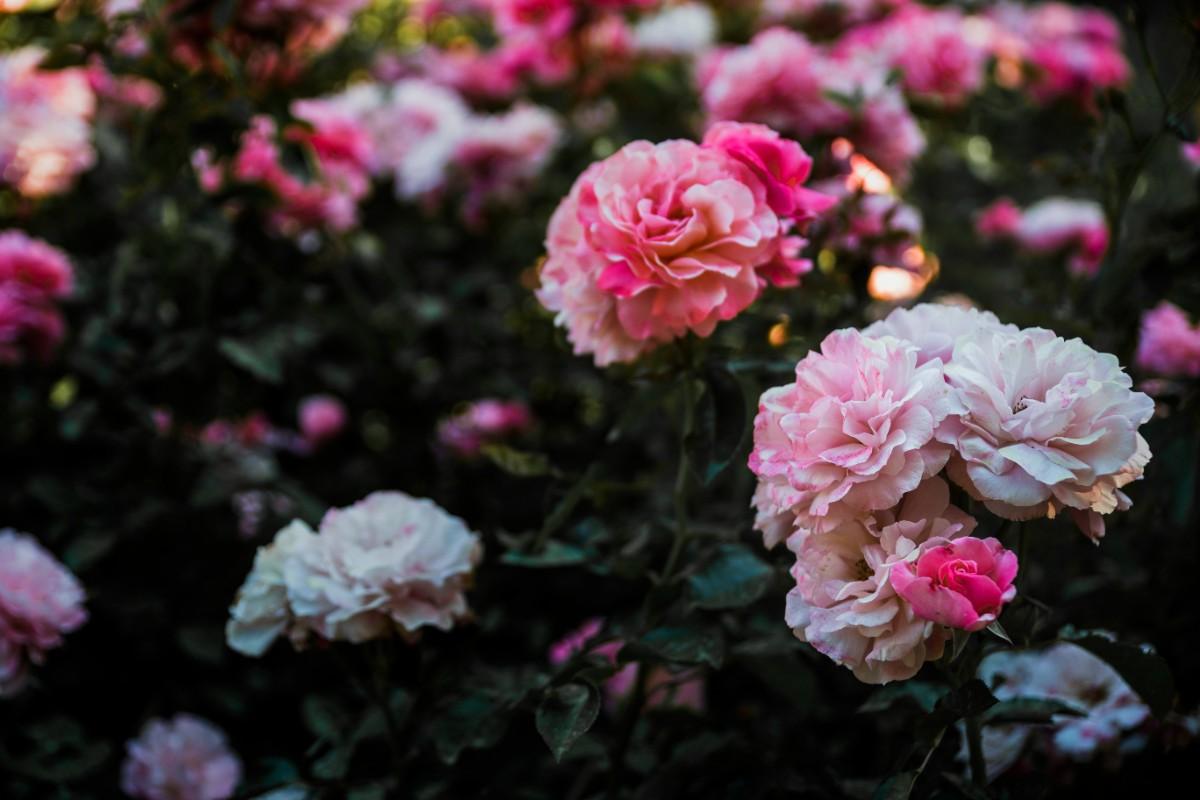
From Tiny Buds to Vibrant Blossoms: A Complete Guide to Cultivating Gorgeous Peonies at Home
Whenever I walk into a garden filled with peonies, I’m reminded why these flowering plants are so deeply beloved among gardeners across the world. Their large, ruffled blooms, soothing fragrance, and ability to become a true standout in any landscape make them unforgettable. As hardy perennials with impressive longevity, once established, they continue thriving for decades, especially in temperate regions and cold hill areas where the natural winter chill supports strong bud formation. Through my own journey of growing them, I’ve realized how essential the right planting techniques, thoughtful seasonal care, and adapting to different climates are for success. Although widely grown globally, they are also beautifully cultivated in India, particularly in places with cold winters like Himachal Pradesh, Uttarakhand, Jammu and Kashmir, Sikkim, and the Northeast. In contrast, hotter regions often experience limited blooms due to insufficient winter chilling, making early-blooming varieties and partial shade absolutely necessary.
How to Grow Peonies: Simple Steps for Gorgeous Blooms
Working with peonies across different garden styles has taught me that success comes from observing the plant closely and adjusting conditions at the right time. Whether you’re experimenting in challenging environments or maintaining a traditional cottage-style garden, a detailed guide that blends practical knowledge with intuition can help you master planting, growing, and maintaining their long-lasting beauty. Even outside the classic Himalayan hill regions, improving soil drainage, selecting suitable cultivars, and providing microclimates can make a remarkable difference. And while gardeners in hotter regions may need to put in extra effort especially with shade and soil adjustments the reward of seeing those richly layered blooms finally open each season makes the entire experience deeply fulfilling.
Planting Peonies
Where to Plant Peonies
-
Peonies look stunning in garden borders, walkway edges, mixed perennial beds, or as stand-alone focal plants, where their attractive foliage keeps strong visual appeal through summer and fall.
-
Choose a planting location that offers six to eight hours of direct sunlight, though hot climates may require afternoon shade to avoid heat damage, while humid regions need good air circulation to prevent fungal diseases. and ensuring the soil stays lightly moist through watering plants properly, especially during early growth stages.
-
Keep them away from competing trees and shrubs whose roots disturb unobstructed soil, giving these large plants the space they prefer.
-
Use ideal soil that is deep, fertile, well-draining, enriched with organic matter, and maintains a neutral pH for good drainage and to avoid root rot.
-
Areas with cold winters, distinct winter seasons, and cold hill areas naturally support stronger flower buds, making thoughtful choices essential when the flowering season ends.
-
I often focus on providing raised beds to protect growth, which benefit plants, reduce risk, and improve performance across regions, making careful site selection especially important for anyone growing peonies.
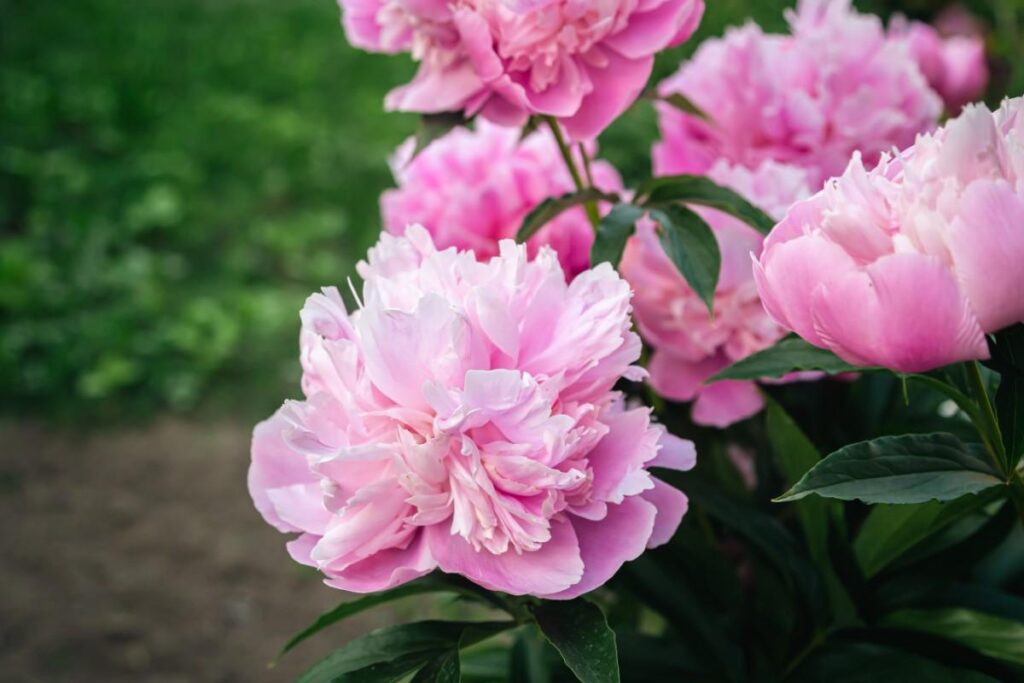
How to Grow Peonies: Simple Steps for Gorgeous Blooms
When to Plant Peonies
Best Time to Plant Peonies
The best time to plant peonies is in autumn, and just like choosing the best time to plant other perennials, timing influences how well peonies settle in. a period I’ve always relied on because it provides nearly six weeks before the ground freezes in colder climates, allowing the roots to establish securely before winter arrives. This foundation leads to vigorous growth in spring, and I’ve repeatedly noticed that autumn-planted divisions outperform spring-planted ones. Although container-grown peonies can be planted in early spring, they usually bloom a year later, which is why fall planting remains my preferred method, particularly in cold hill areas, where this timing is strongly recommended for reliable results.
Adjusting Planting Based on Climate
If you need to move an established peony plant, the best moment is when it becomes dormant in late autumn, as peonies dislike disturbance and require time to recover after being transplanted. In warmer climates, planting slightly earlier in winter helps the plants adjust before hot summer temperatures arrive, ensuring the chosen planting period supports root development without stress. Over the years, tweaking the schedule based on regional differences has made all the difference in achieving healthier plants and more dependable blooms.
How to Plant Peonies
Preparing the Planting Site
-
When working with bare-root tubers, I check the buds, or eyes, since they determine where future stems and blooms will form the following season.
-
I always space peonies three to four feet apart for proper air circulation once they reach full size, and then dig a hole about sixty centimeters deep and wide.
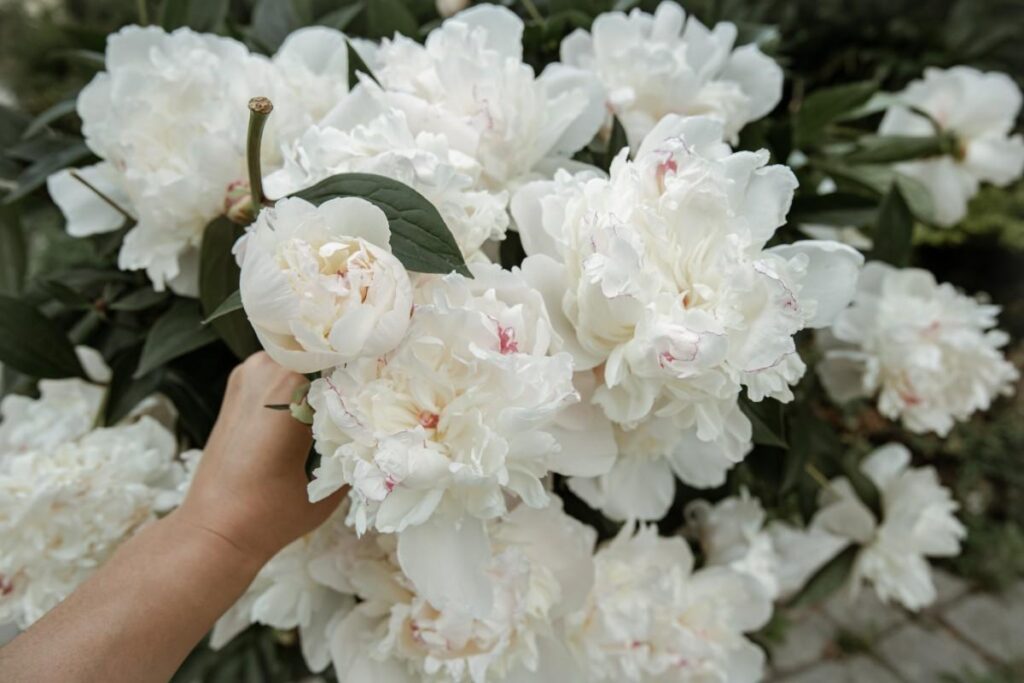
How to Grow Peonies: Simple Steps for Gorgeous Blooms
Soil Preparation and Setting the Tuber
-
Mixing compost, well-rotted manure, fertile soil, and a phosphorus source like bone meal boosts fertility and supports early root development. adding compost and organic matter is essential, and improving garden soil further helps roots establish faster.
-
I create a small mound in the planting hole, place the tuber with eyes facing upward, and keep them just below the soil surface two inches deep normally, or one inch in warm climates to avoid depth issues that can prevent blooming.
Planting Container-Grown Peonies
-
A container-grown peony should be planted at the same depth as it was in the pot, ensuring the crown stays correctly positioned.
-
After placing it, I water thoroughly and keep the soil lightly moist during establishment, which helps the plant settle without stress.
Supporting Young Plants
-
Whenever I plant a peony, I make sure the area can support the maturing plant, sometimes adding gentle supports early on.
-
This approach helps allow the stems to reach upward steadily while maintaining structure in the first year.
Growing Peonies
When Is Peony Season? When Do Peonies Bloom?
Peonies usually bloom from late spring to early summer, though their exact timing shifts with the variety grown and local climate.
1. Understanding Bloom Timing
-
Peonies are categorized into early-season, mid-season, and late-season bloomers, and using a combination of these extends the longer blooming period in any garden.
-
In my cooler plots within temperate regions and cold hill areas, they thrive beautifully thanks to well-defined winter seasons that encourage strong bud development.
2. How Climate Affects the Season
-
When I experimented in tropical regions, the plants would often struggle because of inadequate winter chilling, leading to weak or delayed flowering.
-
In very hot regions, peonies may produce fewer blooms or fail entirely, showing how strongly peonies depend on proper dormant cycles for reliable performance.
How to Care for Peonies
Peonies reach their best performance at full maturity, and once established, they reward you with reliable flowers while needing surprisingly minimal care.
Soil & Fertilization
-
Avoid heavy fertilization and rely on soil enriched with compost during planting for steady nutrients.
-
In poor soil, I apply compost or well-rotted manure in early summer after the flowering period, and I always skip high-nitrogen fertilizers since they push leaf growth instead of blooms.
Supporting Blooms
-
Because peony blooms become heavy, especially during rainfall, I install supports early using metal peony rings, bamboo stakes, or wire cages to keep stems upright.
-
Setting these supports in early spring prevents bending and breakage once the plants leaf out.
Deadheading & Leaf Care
-
Regular deadheading keeps the plant healthy and improves appearance by removing spent blooms at the right time.
-
When cutting back, I always leave a strong leaf base since peonies require foliage for energy storage over several years, which helps promote long-term vigor and help the plant thrive.
Fall Peony Care
Caring for peonies in fall becomes essential as temperatures drop and the plants begin preparing for dormancy.
Seasonal Changes & Cleanup
-
The foliage often turns yellow, red, or purple before fading, signaling the shift into autumn.
-
After the first frost, I trim the stems to ground level to prevent diseases and help with healthy overwintering.
Fertilizing in Fall
-
I occasionally use a balanced fertilizer or slow-release fertilizer, avoiding high-nitrogen formulas which can disrupt the natural cycle.
-
Any feeding applied during this time should support roots rather than top growth.
Mulching for Protection
-
In extremely cold areas, a light mulch of pine needles or shredded bark helps protect roots, especially in the first winter.
-
The applied layer is removed in early spring once new shoots start to turn upward and allow fresh growth to emerge. light mulching helps protecting plants during winter and prevents freeze damage.
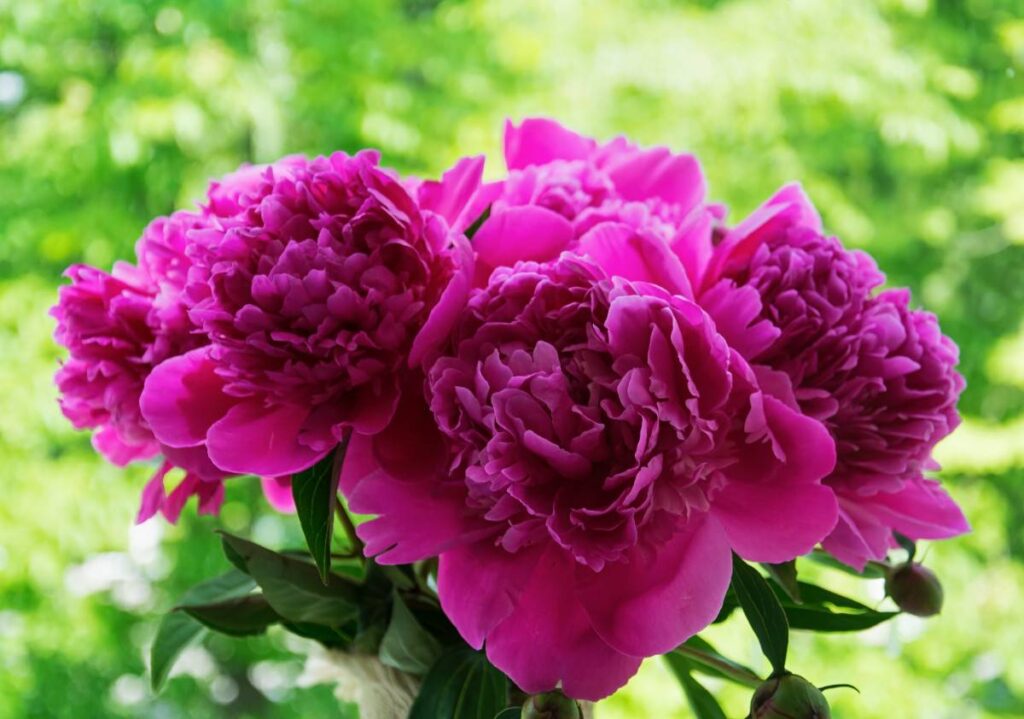
How to Grow Peonies: Simple Steps for Gorgeous Blooms
Dividing Peonies
Dividing a peony becomes necessary when the plant is overcrowded and starts producing fewer flowers.
1. Lifting and Preparing the Plant
-
I first cut back foliage, leaving a few centimeters above the soil surface.
-
Using a garden fork, I dig around the root ball, gently lift plant, and remove soil until the roots and eyes visible guide the process.
2. Making the Divisions
-
Each division should contain three to five eyes with healthy roots, ensuring future strength and proper producing of blooms.
-
I then replant each section following the correct planting method, making sure it isn’t buried too deeply, which is necessary for healthy establishment.
Types of Peonies
Peonies come in several main types, each offering unique flower forms that suit different gardens and growing conditions.
1. Classic Flower Forms
-
Anemone type: Outer petals frame a fluffy cluster of narrow petaloids.
-
Single type: A single row of petals reveals visible stamens for a simple, elegant look.
-
Japanese type: Features decorative centers with soft threads or powder puffs.
-
Semi-double type: Multiple layers of loosely arranged petals around a visible center.
-
Double type: Produces fully packed blooms with many layers of petals.
-
Bomb type: Creates a raised, rounded mound set against larger outer petals.
2. Hybrid & Specialty Peonies
-
Itoh peonies or intersectional peonies: Hybrids of herbaceous peonies and tree peonies, known for strong stems, large flowers, and an extended blooming period.
-
These highly adaptable varieties offer excellent garden performance and look stunning when surrounded by companion plants.
Harvesting Peonies
Keeping Peony Flowers in a Vase
Peonies make beautiful cut flowers, often lasting ten days when handled properly from harvest to display.
Harvesting at the Right Stage
-
I harvest in the early morning when buds are hydrated and firm, choosing soft buds that are partially open at the marshmallow stage.
-
Using clean pruners or sharp pruners helps avoid damaging plant stems during cutting.
Storing Before Arranging
-
For longer storage, I wrap stems in damp paper towels, seal them in a plastic bag, and refrigerate them until needed.
-
Before placing in a vase, I trim stem ends under running water to improve hydration.
Keeping Flowers Fresh in a Vase
-
I use fresh water or lukewarm water and never place the arrangement in direct sunlight.
-
To maintain freshness, I replace water every two days, which keeps the stems healthy and prolongs the display.
Pests and Diseases
Common Diseases
-
Although peonies are hardy plants, they can be affected by diseases in humid conditions, including stem rot, botrytis blight, leaf blotch, ringspot virus, and tip blight.
-
I rely on proper spacing, strong air circulation, and quick removal of affected parts to prevent disease and keep the garden clean.
Common Pests
-
Common pests like aphids, beetles, and nematodes occasionally appear, especially during seasonal shifts.
-
Through regular monitoring and timely treatment, I’ve found that maintaining healthy plants greatly help reduce infestations and keep the peonies thriving.
Final Thoughts
Peonies have always struck me as timeless, elegant, flowering plants whose beauty, fragrance, and impressively long lifespan make them unforgettable in any garden. What I appreciate most is how, with the right growing conditions and surprisingly minimal maintenance, they reward you with stunning blooms year after year, especially in temperate regions and cold hill areas, where they naturally thrive. With a bit of careful planning, I’ve managed to grow them across a range of environments, learning how much difference preparing soil, choosing the right planting site, and applying thoughtful seasonal care practices can make for gardeners hoping to enjoy their full potential.
Their enchanting presence lasts for decades, and whether placed along borders, tucked into mixed beds, or used as ornamental highlights, peonies bring a kind of charm and grace that’s hard to match. I’ve always admired how well they stay well-suited to different layouts, adapting beautifully when we provide what they need. No matter where they’re grown, these plants have a way of becoming the heart of the garden, admired year after year.
FAQS
What month is best to plant peonies?
From my experience, peonies are best planted in autumn, usually from late September to early December, though the exact timing can shift depending on the variety and when they are received some suppliers like K. van Bourgondien ship in fall or spring, so I always plant them in the same season they arrive to keep everything in proper order.
Since different variety types adjust differently, they are generally best planted anytime within the fall window, giving them time to establish before winter.
What is the best way to grow peonies?
For me, the best way to grow peonies is to choose a full sun spot with well-draining soil, then dig a hole about 18 inches deep and twice as wide as the root ball, amend soil with compost, form a mound, and set the root so the eyes or buds sit 1.5 to 2 inches below the soil surface, just as any complete guide including House of Hawthornes explains.
After planting, I backfill, water thoroughly to eliminate air pockets, and always plant in fall, which remains the most reliable season to place and plant peonies successfully.
Do peonies like sun or shade?
From my experience, most peonies do best with 6 to 8 hours of sun a day, though they benefit from protection from hot afternoon sun in zones 8–9, while woodland peonies naturally prefer partial shade and need protection during the afternoon sun, as previously mentioned and often proven helpful in warm regions.
Why are peonies difficult to grow?
Peonies are actually not hard to grow they simply require full sun, fertile soil, and well-drained soil, along with an annual spring feeding to help assure a plethora of lovely blooms once they’re settled. When proper planting is done, they need very little care and provide years of beauty and enjoyment with minimal trouble, something I’ve seen firsthand many times.
How to keep peonies blooming all summer?
When getting peonies to bloom, the key is avoiding trouble blooming issues most often caused when they’re planted too deep and the buds don’t stick up near the soil surface, or when the plant is crowded and lacks room to thrive. Ensuring enough sunshine, ideally full sun, helps them bloom well, and in my experience, if peonies fail, it’s usually because one of these basics was overlooked.