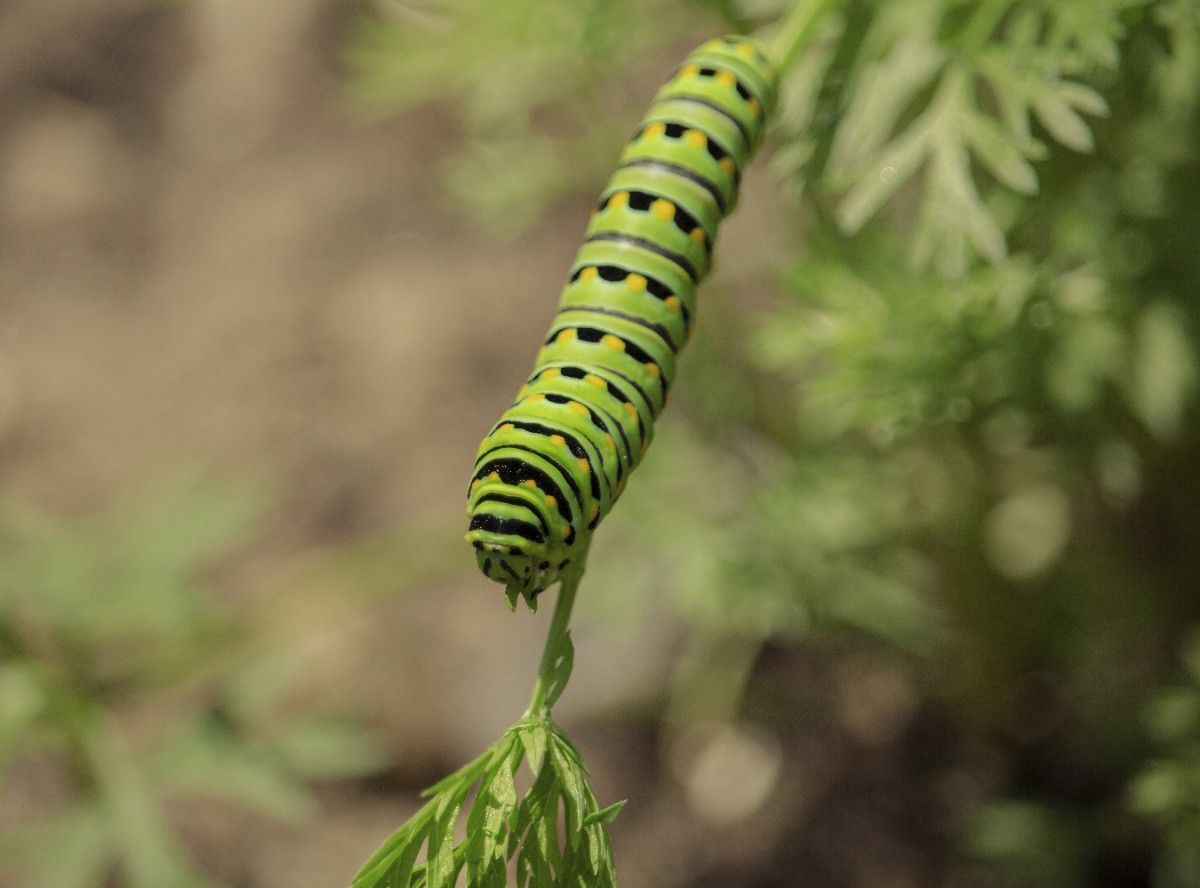
In How to Stop Caterpillars From Eating Plants Naturally, my focus has always been on helping gardeners, especially gardeners worldwide, deal with caterpillars eating plants in a way that feels practical and respectful; Caterpillars are one of the most common garden pests destroying your plants in gardens, polytunnels, and greenhouses. learning to stop caterpillars naturally inside polytunnels and greenhouses taught me that organic pest control is one of the most common organic pest control challenges faced in protected growing spaces, where warm temperatures, trapped warmth, added shelter, and stable temperatures allow greenhouse pests and other pests to multiply rapidly, leading to rapid multiplication when problems are left unmanaged; in my own home polytunnel and later while advising a small organic farm, I saw how caterpillars, though not inherently harmful, are the larval stage, specifically the larval stage of butterflies and moths, and while butterflies and moths play an important role in the ecosystem and have a clear ecological role, caterpillar populations can surge in enclosed spaces and enclosed environments, causing them to overwhelm crops, trigger visible crop damage, damage yields, and stress plants, creating serious plant stress for growers focused on successful gardening.
Table of Contents
ToggleHow to Stop Caterpillars From Eating Plants Naturally (Organic Guide)
This in-depth guide from AgroQuest approaches caterpillar control naturally through natural caterpillar control strategies rooted in organic, chemical-free, and organic methods, because gardening is not about fighting nature but about understanding nature and working with nature; by applying sustainable methods that respect sustainability, I’ve developed practical strategies for crop protection that protect crops across polytunnel and greenhouse management systems, whether managing crops in different climates or scaling solutions suitable for growers worldwide, ensuring maintaining ecological balance and long-term ecological balance while addressing real-world organic pest control challenges and everyday challenges faced in modern growing spaces.
Understanding Caterpillars in the Garden Ecosystem
In my experience, caterpillars are best understood as part of a living ecosystem, not as simple pests, because they are the juvenile form or larva in a process of complete metamorphosis that begins with an egg, moves through the caterpillar stage, forms a pupa, and finally becomes an adult butterflies or moths, a remarkable transformation I’ve observed repeatedly in healthy outdoor ecosystems and everyday outdoor ecosystems. During this stage, caterpillars focus on feeding, consume plant material in large amounts, and store energy for growth, which explains why caterpillar populations can suddenly feel overwhelming when ecological balance is disrupted.
In nature, they are not enemies but vital indicators of ecosystem health, supporting food chains that include birds, reptiles, amphibians, and predatory insects, while parasitic wasps help keep numbers controlled naturally within functioning organic pest control systems. Problems arise mainly in protected environments such as greenhouses, polytunnels, and inside greenhouses, where the missing balance of natural predators allows unchecked feeding, tipping the system away from stability; this is where thoughtful organic pest control becomes essential, not to eliminate life but to restore ecological balance so these systems work as nature intended.
Why Caterpillars Thrive in Polytunnels and Greenhouses
In my experience working with protected growing structures, caterpillars become a serious issue because these spaces unintentionally create ideal conditions for greenhouse pests; the combination of warm stable temperatures and long-term temperature stability can speed up egg hatching, and once egg hatching begins, the built-in shelter including shelter from wind and shelter from heavy rain protects developing larvae from wind and heavy rain, allowing populations to expand rapidly inside enclosed environments and protected environments. This issue is a frequent challenge in greenhouse pest control due to warm, enclosed conditions.
-
Concentrated food sources such as tender vegetable crops provide constant food sources
-
Limited access for birds and other natural predators increases pest pressure
-
Butterflies and moths enter easily through doors and vents
-
Adults lay eggs as eggs on host plants and host plants remain unchecked
-
When eggs hatch, caterpillars feed and often feed undisturbed
-
Extended undisturbed feeding leads to going unnoticed and an unnoticed infestation
-
The first warning signs are usually visible damage and widespread plant damage
Why Caterpillars Become a Serious Pest Problem
In my experience, caterpillars eating plants become a serious pest problem when a small infestation inside enclosed spaces builds infestation pressure and escalate quickly into a major problem within days, because caterpillars damage very quickly and cause rapid damage that is easy to miss until the impact is severe, especially in organic systems where balance matters more than brute force.
-
Leaves riddled with holes and skeletonised leaves reduce leaf area
-
Reduced photosynthesis leads to plant energy loss
-
Damage to growing tips and flower buds causes stunted growth
-
Poor yields follow prolonged crop damage
-
Seedlings cut down at soil level often fail to recover
-
Focus in organic systems is not total elimination
-
Success comes from reducing caterpillar numbers so crops thrive
-
How to Stop Caterpillars From Eating Plants Naturally (Organic Guide)
Common Caterpillar Pests Found Worldwide
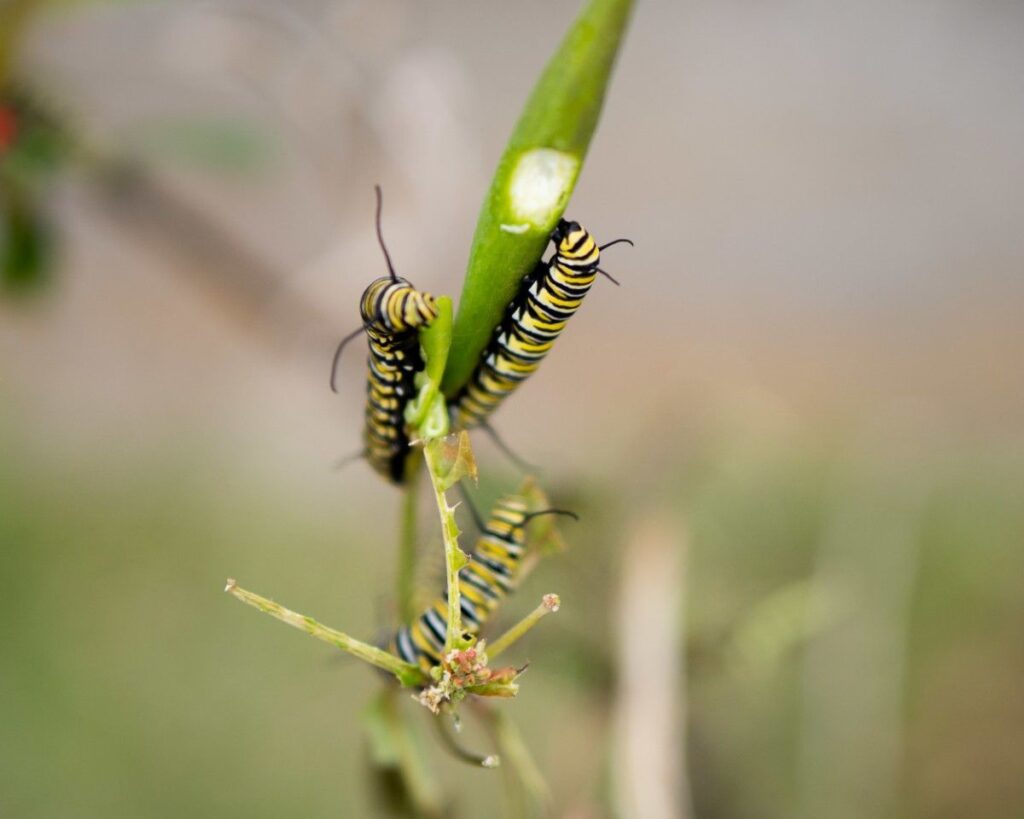
Through years of observing crop losses across different climates, I’ve learned that common caterpillar pests are among the most consistent garden pests growers face, because these caterpillar pests are truly pests found worldwide, making them worldwide pests with a clear global presence and wide geographic distribution. While the exact pest species and caterpillars involved show clear species variation, and species vary by region, nearly every region has its own set of regional equivalents or close regional equivalents that behave in remarkably similar ways; this is why they continue to affect gardens globally and rank among the most damaging global garden pests in gardens globally, regardless of borders or growing styles.
Cabbage White Caterpillars
In my experience managing both open beds and protected spaces, cabbage white caterpillars are among the most destructive pests affecting brassica crops, because these crop pests appear quickly and intensify plant feeding before visible warning signs appear. I’ve watched how caterpillars feed relentlessly on cabbage, kale, broccoli, and cauliflower, along with other related plants, making caterpillars eating plants a frequent cause of sudden losses in greenhouse gardens and polytunnel gardens, where warm conditions allow feeding to continue uninterrupted and damage escalates faster than many growers expect.
Cabbage Moth Caterpillars
From what I’ve observed while checking crops at dawn, cabbage moth caterpillars are especially challenging because they are active at night, showing pronounced nocturnal activity that allows the larvae to work unseen. These caterpillars chew irregular holes, leaving clear irregular holes across leaves, and often burrow into plant centres, damaging the plant centres where new growth forms; this hidden feeding makes detection difficult until extensive foliage damage has already occurred, a pattern I’ve repeatedly seen in both open beds and protected growing spaces.
Cutworms
In my early seasons of managing protected beds, cutworms proved to be a major issue because they attack young seedlings right at the soil level, quietly severing seedlings and causing sudden overnight damage that leaves growers confused by empty rows. I’ve seen entire lines of young seedlings disappear in newly planted beds, especially within protected environments where higher pest pressure allows these caterpillars to operate undisturbed, making early monitoring essential to prevent losses before plants even have a chance to establish.
Armyworms and Leaf Feeders
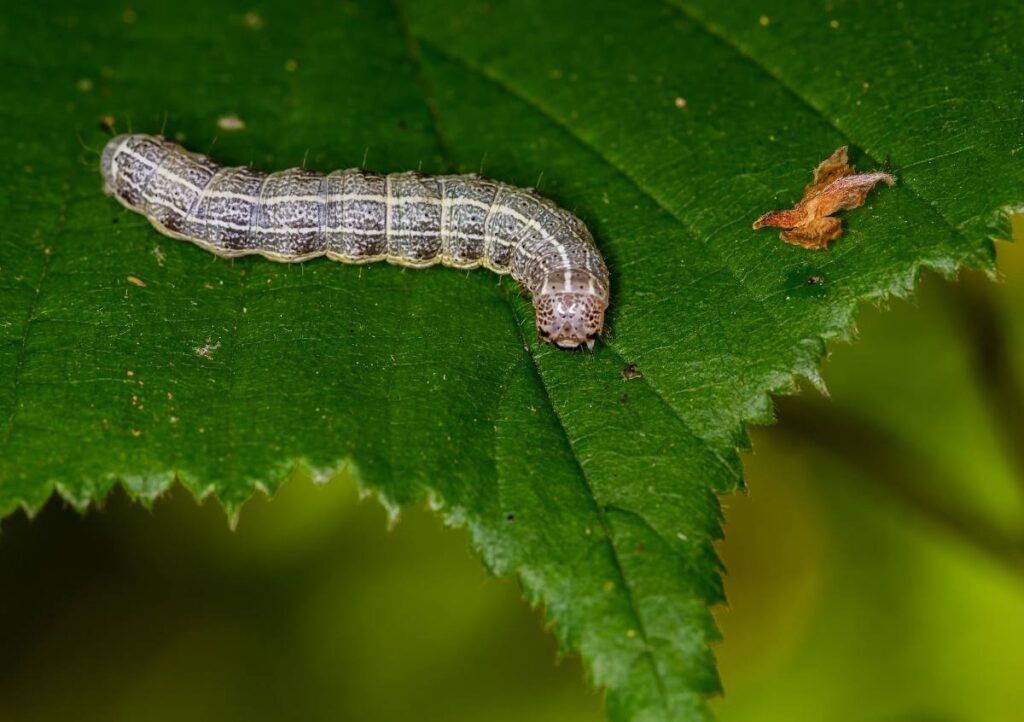
From my field observations in warmer climates, armyworms and other leaf feeders are especially destructive because they appear in large numbers, forming large infestations that move quickly across crops before growers can react. I’ve watched this rapid spread lead to causing widespread defoliation and severe crop damage in a matter of days, turning healthy beds into bare stems when early detection and timely action are missed.
Sawfly Larvae
In practice, sawfly larvae often confuse growers because they are not true caterpillars yet behave similarly, and I’ve seen them strip plants of leaves so fast that foliage rapidly disappears, leading to sudden foliage loss and complete plant defoliation. This is why correct identification is critical in real-world pest identification, as it allows growers to tailor methods and apply organic caterpillar control using the right control methods more effectively, ensuring targeted control rather than wasting time on approaches that fail to address the actual pest.
Signs of Caterpillar Activity in Polytunnels
In polytunnels, caterpillars are often well camouflaged and hide during daylight hours, making daylight hiding a real challenge in greenhouse environments, which is why early detection and essential detection through careful daily observation are among the most powerful tools for effective pest monitoring and caterpillar control naturally using natural caterpillar control methods.
-
Caterpillars eating plants leave irregular holes and chewed leaf edges
-
Skeletonised leaves with veins remaining indicate advanced feeding
-
Dark droppings or frass appear on leaves or soil
-
Rolled leaves and webbed leaves form hidden shelters
-
Seedlings collapsing suddenly signal a sudden collapse from severe feeding
learn more Early detection is especially important for anyone new to polytunnel gardening.
What Causes Caterpillar Infestations
From years of trial and error, I’ve learned that caterpillar infestations rarely happen by chance; they are usually driven by specific underlying causes that, if ignored, lead to repeated pest outbreaks. Effective control begins with understanding causes and accurately identifying infestation causes, because only then can growers truly prevent repeat outbreaks through practical outbreak prevention strategies that address why caterpillars establish in the first place, rather than reacting after damage is already done.
Favourable Growing Conditions
In my experience managing covered crops, favourable growing conditions inside warm spaces and sheltered spaces create an environment where caterpillars develop faster, leading to faster development cycles that allow them to survive longer through extended survival. These protected conditions quietly boost pest survival, making it clear that without careful monitoring, the very features designed to protect crops can also support caterpillar populations.
Lack of Natural Predators
Working inside covered systems has shown me how a lack of natural predators quickly shifts the balance, because birds and many beneficial insects become excluded predators once crops are enclosed in greenhouses and polytunnels. This predator absence leads to reduced biological control, allowing caterpillar populations to build unchecked in spaces that would otherwise stay balanced through natural predation.
Monoculture Planting
From what I’ve observed over multiple growing cycles, monoculture planting where large blocks of the same crop are grown together can quickly attract pests, increasing pest attraction and allowing caterpillars to spread easily through rapid spread. This high level of crop uniformity removes natural breaks in feeding patterns, making it far easier for infestations to move unchecked from plant to plant.
Plant Stress
From my own trials, I’ve seen how plant stress creates weak plants that cannot tolerate feeding damage, meaning even minor feeding damage causes crops to recover slowly, leading to slow recovery and reduced resilience. This is why effective organic greenhouse pest management depends on organic greenhouse pest management that addresses factors together through integrated management, applying holistic control as a long-term pest management strategy rather than reacting to symptoms alone. Many infestations begin due to overwatering mistakes that weaken plant defenses.
Organic Caterpillar Control: A Balanced Approach
Through years of hands-on growing, I’ve learned that organic pest control works best when it follows a balanced approach, focused on managing populations rather than not eradicating insects or removing insects completely, because healthy systems can tolerate few caterpillars as a normal presence within the garden ecosystem. In fact, some insects are even beneficial, supporting beneficial insects and wider food chains, but problems arise when caterpillar populations grow unchecked and numbers out of control begin to threaten crops; this is where thoughtful population control becomes essential. By aiming for sustainable control that restores natural balance, growers can practice long-term ecological management that protects plants while keeping the ecosystem resilient rather than fragile. Effective results come from using proven organic pest control methods rather than relying on chemicals.
How to Get Rid of Caterpillars Naturally
Hand Removal: Simple and Effective
-
Best suited for small gardens and polytunnels
-
Use your hand for direct removal, a reliable and natural way to control caterpillars
-
Regularly Inspect plants daily to catch problems early
-
Check leaf undersides carefully for hidden eggs
-
Remove caterpillars manually before damage spreads
-
Dispose of pests responsibly through relocation, poultry feed, or soapy water when necessary
-
Though this method is time-consuming, it causes no harm to beneficial insects
-
Consistently delivers immediate results when practiced routinely
Homemade Organic Sprays (Use Carefully)
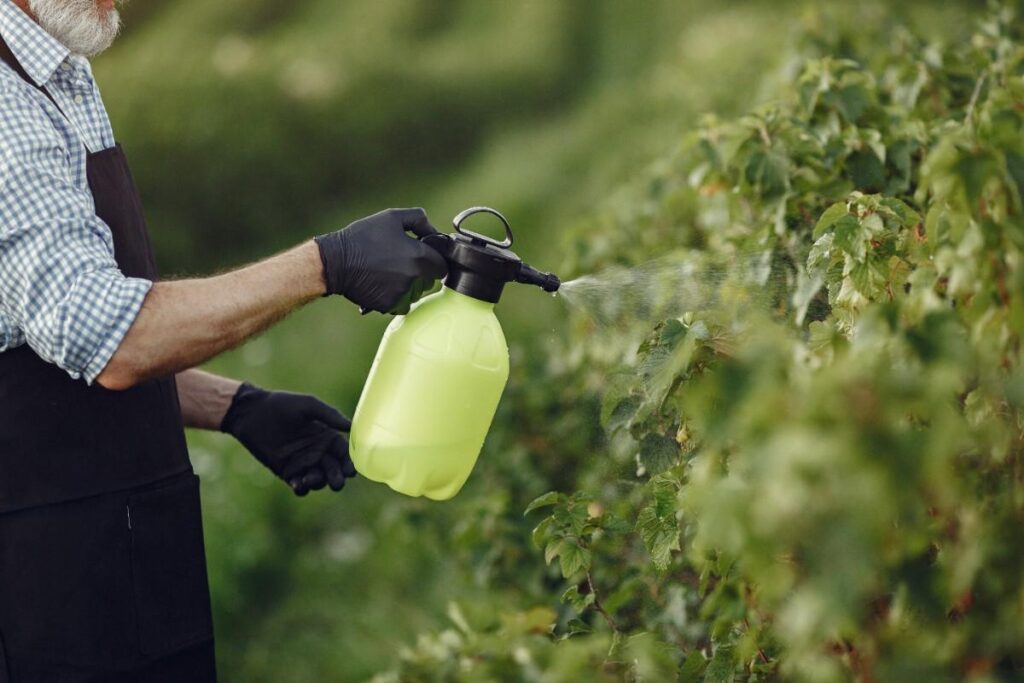
From my own experience, Homemade and homemade sprays and Sprays can play a broader role to deter caterpillars by disrupting feeding, but they should never be the only strategy relied on; when Organic solutions are used Carefully, they can form part of a balanced approach that may help reduce egg-laying pressure rather than eliminate pests outright. I always Use these Homemade options sparingly, because while they can discourage activity, overuse risks upsetting beneficial life in the garden, which is why restraint and observation matter just as much as the recipe itself.
Mild Soap Spray
From practical use in my own beds, a mild soap spray or diluted soap spray works by coating leaf surfaces and turning them into less hospitable surfaces, which is surprisingly effective at reducing feeding activity without shocking the plant. This approach supports steady feeding activity reduction by interfering with caterpillar feeding, acting as a natural deterrent rather than a harsh fix, and when treated as an organic control method, careful spray application becomes a targeted pest control solution that fits well within a balanced, observation-led routine.
Garlic or Chilli Spray
In my own trials, garlic spray and chilli spray work best as strong-smelling sprays that discourage adult butterflies and discourage moths from laying eggs, providing useful egg laying deterrence around vulnerable vegetables. These organic sprays act as natural repellents and practical deterrents within eco-friendly pest control programs and broader pest control options, but they are not permanent solutions, which is why overuse avoided remains critical to protect plants and maintain balance while still benefiting from these organic sprays.
Physical Barriers: Prevention at Its Best
-
Ideal for organic crops, especially leafy greens and brassicas
-
Use physical barriers to block pest access before damage starts
-
More effective than treatment, as preventing problems works best
-
In a polytunnel or greenhouse, barriers act as a primary control form
-
Fine netting and floating covers are highly useful insect prevention tools
-
Ensure doors and vents are secure to stop egg-laying
-
Apply barriers during key growth periods
-
Covers protect plants over time and are especially valuable when pest pressure is high
-
This approach becomes a reliable part of long-term protection because its strength lies in stopping infestations early
-
These methods are practical for growers who want prevention and resilience without chemicals
What Not to Do in Organic Gardening
In organic gardening, experience has taught me that chasing a quick fix often backfires, especially when growers turn to chemical pesticides that seem convenient but quietly worsen pest problems over time, undermining long-term resilience rather than supporting healthy systems.
Avoid Harmful Shortcuts
-
Avoid broad-spectrum insecticides that kill indiscriminately
-
Skip systemic chemicals that persist in soil and plants
-
Repeated sprays can harm pollinators and beneficial insects
Why These Methods Fail
-
Such approaches disrupt natural balance
-
Loss of balance makes pest pressure harder to manage
-
These practices undermine sustainable management instead of supporting it
Prevention Is Better Than Cure
From years of hands-on growing, I’ve learned that true success with caterpillars never comes from reaction alone, but from prevention, because stopping problems in the long-term is far more effective than constantly responding after damage appears; reliable results comes when growers focus on prevention rather from chasing short-term fixes.
Encourage Natural Predators of Caterpillars
From years of observation, I’ve learned that Creating a living system around crops is one of the most effective, biodiversity-based forms of control, because when caterpillars face constant pressure from beneficial animals and insects, outbreaks rarely take hold. Supporting predators is not accidental; it requires intention, steady resources, and placing habitats near where crops are growing so natural pest control happens daily.
Provide Food, Water, and Shelter
-
Provide water as a constant source for wildlife
-
Grow shrubs, wildflower borders, and maintain hedges
-
These areas supply food, shelter, and safe areas for many species
-
Supports birds, beetles, and beneficial insects that consume caterpillars
Install Habitat Structures
-
Install bird feeders and nesting boxes
-
Add insect hotels to encourage Ladybirds, lacewings, and Parasitic wasps
-
Leave log piles and protect Ground cover for overwintering
-
These structures act as essential habitats close to crops
Maintain Balance Near Crops
-
Keep fresh sources of habitat for predators as crops develop
-
Place shelters near growing beds to strengthen response time
-
Predators help maintain balance and strengthen long-term control
-
Healthy ecosystems naturally regulate pests without intervention
How to Stop Caterpillars From Eating Plants Naturally (Organic Guide)
Improve Crop Diversity and Rotation
-
Protect soil and long-term health through smarter planting
-
In a greenhouse, avoid growing the same crop repeatedly
-
Rotate crops by changing planting families each season
-
Common in large-scale organic systems to limit pests
-
Rotation helps reduce long-term damage and pressure
-
Intercrop diverse species in the same place
-
Mixed plantings confuses pest behavior and slows spread
-
These practices support effective management
-
Helps avoid pest build-up rather than reacting after outbreaks
Keep Plants Healthy and Resilient
-
Grow healthy, resilient, and strong plants
-
Strong plants recover more quickly from feeding damage
-
Build long-term soil health with compost and organic matter
-
Maintain consistent watering routines
-
Avoid overcrowding to reduce stress
-
Ensure good airflow inside polytunnels
-
Well-managed plants become naturally resistant to pests
-
These practices are learned from experience and refined with care and observation
Monitor Regularly and Act Early
-
Monitor Regularly as the foundation of an effective solution
-
Observe plants daily for early signs of trouble
-
Act Early to keep caterpillar control manageable
-
Respond quickly rather than waiting for damage
-
Combine multiple strategies instead of relying on one method
-
Use gentle, organic actions that work naturally
-
Successful growers build results through consistency
-
Early action protects crops to maintain balance and long-term health
Caterpillars, Crops, and Ecological Balance
Working closely with crops inside living ecosystems has taught me that caterpillars can feel deeply frustrating to gardeners, especially when tender leaves show clear signs of eating early in the growing season, yet this tension is part of life in the garden. Caterpillars are also food for predators, and trying to force a pest-free space is neither realistic nor healthy; the goal is to maintain balance while protecting harvests, allowing nature to function and continue supporting soil and plant health. Over time, I learned that preventing severe outbreaks doesn’t mean removing all insects, but noticing problems early and responding in ways that respect the system rather than fight it.
In organic systems, the aim is neither to wipe pests out completely nor to ignore damage, but to achieve a desirable middle ground by managing pressure so plants can grow without stress and dependence on chemicals. When growers focus on control that improves soil health, strengthens space for beneficial life, and keeps crops productive, they build a reliable system that works season after season; this approach allows us to keep protecting yields while improving long-term ecological stability, proving that balance not elimination is what truly sustains healthy gardens.
Final Thoughts
From years of working hands-on, I’ve learned that stopping caterpillars eating plants in a polytunnel or greenhouse does not require harsh chemicals or drastic interventions; instead, it grows out of patient observation, smart prevention, and ecological thinking, where caterpillar control naturally becomes both achievable and sustainable. At AgroQuest, we encourage growers worldwide to adopt organic greenhouse pest management practices that protect crops while preserving biodiversity, because a truly productive garden is not one without pests, but one where balance and resilience are built through knowledge. Let that understanding guide every decision, from what we plant in the soil, to how we respond when damage appears, because it is both a practical approach and a mindset at the heart of growing systems that work with nature rather than against it.
FAQS
How do I keep caterpillars from eating my plants?
How do I keep caterpillars from eating my plants? I use physical barriers like nets, check undersides of leaves, handpick caterpillars, and apply organic spray repellents such as Neem oil, pepper, strong-smelling mixes, or soapy water, ensuring repeat treatments after rain for best results.
Bt (Bacillus thuringiensis) targets only caterpillars, stop eating into leaves, while vinegar, hot water, and other solutions like barriers help you decide which methods to use or avoid, ensuring control of pests without harming plants.
What smell do caterpillars hate?
From practical observation, caterpillars rely heavily on their sense of smell, and they clearly hate strong scents like peppermint, vinegar, lavender, hot pepper, and garlic, which have proven effective at disrupting feeding behavior; this answers what many gardeners ask and shows how simple aromatic deterrents do work and why using them as a natural barrier fits well into organic pest control routines.
What is the best natural deterrent for caterpillars?
In my experience, the best natural deterrent is that these repellents are due to strong taste and scent, so caterpillars avoid leaves, stems, and plants when a mixture of pepper, cayenne, or peppermint oil mixed with water is used as a spray.
I simply apply it on areas prone to infestations, because these natural options work also to protect leaves or plants and use smell and flavor rather than chemicals.
Does vinegar keep caterpillars off plants?
From what I have seen, vinegar is that it can repel some garden pests, but it does not reliably kill most caterpillars, and you may try a diluted spray solution by mixing two tablespoons of vinegar with 1 gallon of water to help keep them off plants from areas wherever feeding is noticed.
What is the best remedy for caterpillars?
From experience, the most reliable remedy for caterpillars is to remove them early to prevent excessive damage, starting by looking for feeding holes, excrement, webbed or rolled leaves, and clusters of eggs. I regularly prune off affected plants, handpick the insects, and destroy them by crushing or dropping them into soapy water, a simple method from years of practice that keeps infestations under control without harming the garden.