If you’re a tomato lover like me, there’s nothing more satisfying than biting into a fresh, home-grown tomato on a hot summer day. However, you might have noticed that your tomato plants are showing signs of curling leaves. This can be quite alarming, and I completely understand why you’d be worried. The curling of leaves doesn’t always mean your plants are doomed, but it can certainly indicate underlying issues. Leaf curling is typically caused by various factors, which could range from environmental stress to pest infestations, and even poor soil conditions. Sometimes, a change in the weather or a shift in humidity can cause your plants to react by curling their leaves, which can lead to a reduction in the plant’s ability to absorb nutrients properly. It’s important to keep an eye on these factors because they can directly impact the overall health of your tomatoes. While the good news is that most of the time this problem can be treated and prevented, there are certain varieties of tomatoes that are more prone to this issue than others. Understanding what causes the curling and what can be done to fix it will help you grow those tasty fruits you enjoy year after year.
Why Are My Tomato Leaves Curling?
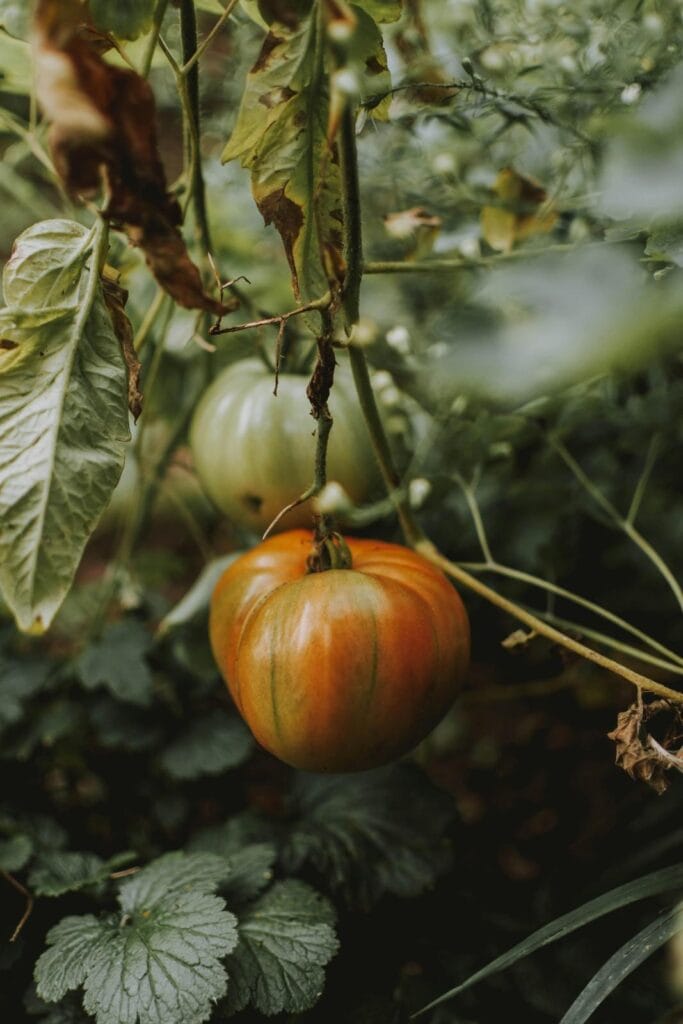
The curling of tomato leaves is a common issue, often caused by various factors like environmental stress, pests, or even water imbalance, but there are several suggested solutions to tackle this problem and get your tomatoes back to thriving.
1. Extremely High Temperatures
Tomatoes generally thrive in warm weather, but extreme heat, particularly when temperatures consistently exceed 90°F (or 32°C), can put your plants under stress, leading to curling leaves. The intensity of the heat may cause the plant to attempt to conserve water, affecting fruiting and slowing growth. To reduce the impact, providing shade using cloth or a net and ensuring proper water levels can hopefully improve the plant’s overall health and lessen the damage caused by such high temperatures.
2. Too Much Sun
While sun is generally beneficial for tomato plants, excessive exposure to intense UV rays, especially during hot and high temperatures, can cause the leaves to curl and even turn yellow or get sunburned. The drying effect of the sun reduces the surface area of the plant’s leaves, leading to stress and damage. To lessen the impact, providing some shade using a cloth or net can shield the plant from severe conditions and help reduce the damage caused by too much direct sun exposure.
3. Underwatering
When tomato plants don’t receive enough water, especially during high temperatures or in direct sun, their leaves may curl as they attempt to retain moisture. In containers or pots, where the soil dries out faster, the situation becomes more vulnerable as the plants are deprived of essential nutrients. Without water, tomatoes can’t produce juicy fruits, and the leaves will show signs of stress. This is a clear indicator that the plants are struggling to survive.
The solution is to ensure consistent water usage, especially in dry conditions. If your tomatoes are planted in the ground, a deep watering strategy helps them retain moisture longer. More frequent watering or using mulching strategies can keep the soil moist and help your plants flourish, preventing the curling of the leaves and allowing your tomatoes to thrive even in tough conditions.
• Water at the right time
To prevent tomato leaf curl, it’s crucial to water your plants at the right time. Early morning watering is ideal as it allows the water to soak into the soil while it’s still cooler, which reduces the amount that evaporates during the day. This method gives your tomato plants the benefit of moisture without stressing them. Watering at night can be problematic, as it fosters a moist environment that raises the risk of fungus and rot damaging the fruit. It’s best to wait until the morning for even water distribution, which helps the plant stay healthy and leads to better growth without promoting harmful diseases.
• Opt for automatic watering
For gardeners with the best intentions, it’s easy to forget to water their tomato plants regularly. One solution is to set up automatic watering systems, such as drip irrigation or ollas, which can ensure your plants receive consistent moisture even when you can’t attend to them. This system reduces the risk of over- or under-watering, keeping your plants healthy and preventing issues like leaf curl.
• Retain moisture in soil
To help your tomato plants avoid leaf curl, you can retain moisture in the soil by top-dressing with natural materials like mulches, hay, or dried-out grass clippings. These materials absorb and retain water, preventing the soil from becoming dried-out and ensuring your plants receive consistent hydration.
4. Poor Soil Nutrition
One of the key factors in preventing tomato leaf curl is ensuring your soil has the right nutrition to support healthy plant growth. Using an at-home test kit can help you determine the pH, nitrogen, phosphorus, and potassium levels, which are essential for tomato plants. If your soil is missing these important nutrients, it can stunt growth and lead to curled leaves, yellowing, and drooping leaves that point downwards. In some cases, too much of a certain nutrient, like nitrogen, can result in too many leaves but fewer fruits, which reduces overall production.
To remedy this, you can amend your soil by adding organic compost or purchasing a fertilizer specifically designed to balance nutrition. If you’re already experiencing issues with your plants, adding these nutrients will help restore the soil’s ability to sustain healthy growth. The key is to make these adjustments before planting to avoid potential damage. This strategy will support the plants and encourage proper fruit production, preventing curl and other related issues.
5. Viruses
Viruses can severely affect your tomato plants, causing leaf deformation and stunted growth. One of the most common viruses affecting tomatoes is tomato mosaic, which often causes yellowing and distorted leaf curl. While some plants may only show a few signs, others can suffer from several symptoms, causing a major decline in growth and fruit production. Once a virus infects the plant, it is crucial to remove and discard the affected leaves to prevent it from spreading to other tomato plants in your garden.
6.Herbicide Drift
Tomatoes are particularly sensitive to herbicides, and even when weed killers are applied to a nearby area, the chemicals can drift onto your plants. This can cause damage to the leaves, leading them to curl and roll downwards, which impacts the plant’s ability to sustain healthy growth. In such a case, it’s important to shield your tomatoes from chemical exposure to prevent further leaf damage.
In conclusion, tomato leaf curl can be caused by a variety of factors, including extreme heat, poor soil nutrition, underwatering, and even viruses. It is essential to understand the underlying causes, such as high temperatures, herbicide drift, or inadequate watering, to effectively prevent and treat this issue. Simple strategies like watering at the right time, adding organic compost, and ensuring your tomato plants receive the necessary nutrients can significantly reduce the risk. By paying attention to the plant’s needs and taking proactive steps, gardeners can maintain healthy tomatoes and avoid the stress of leaf curl.