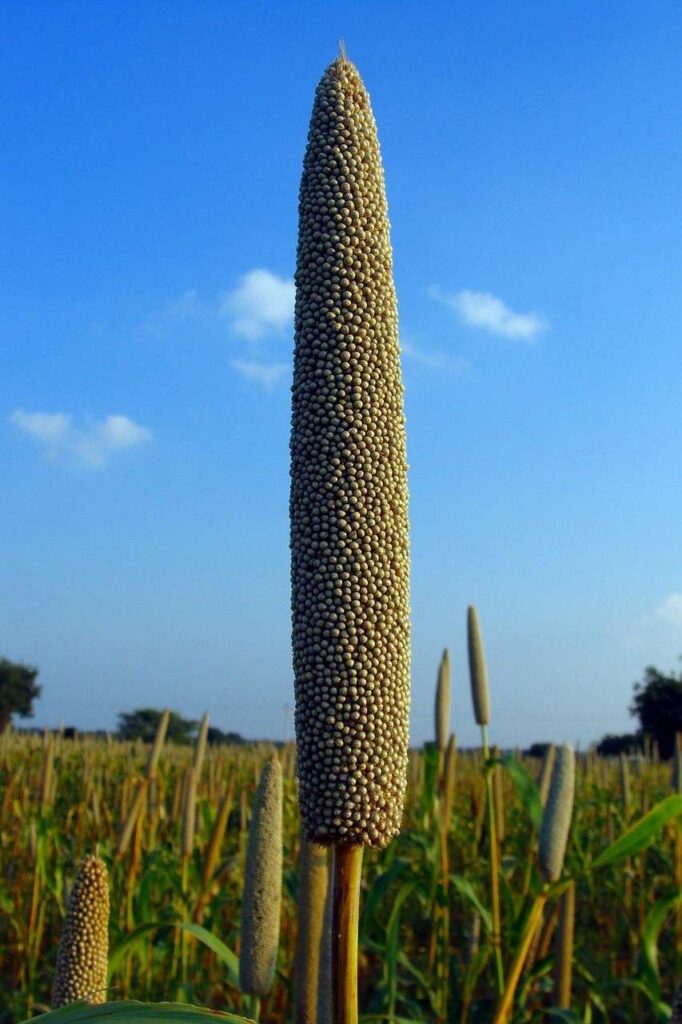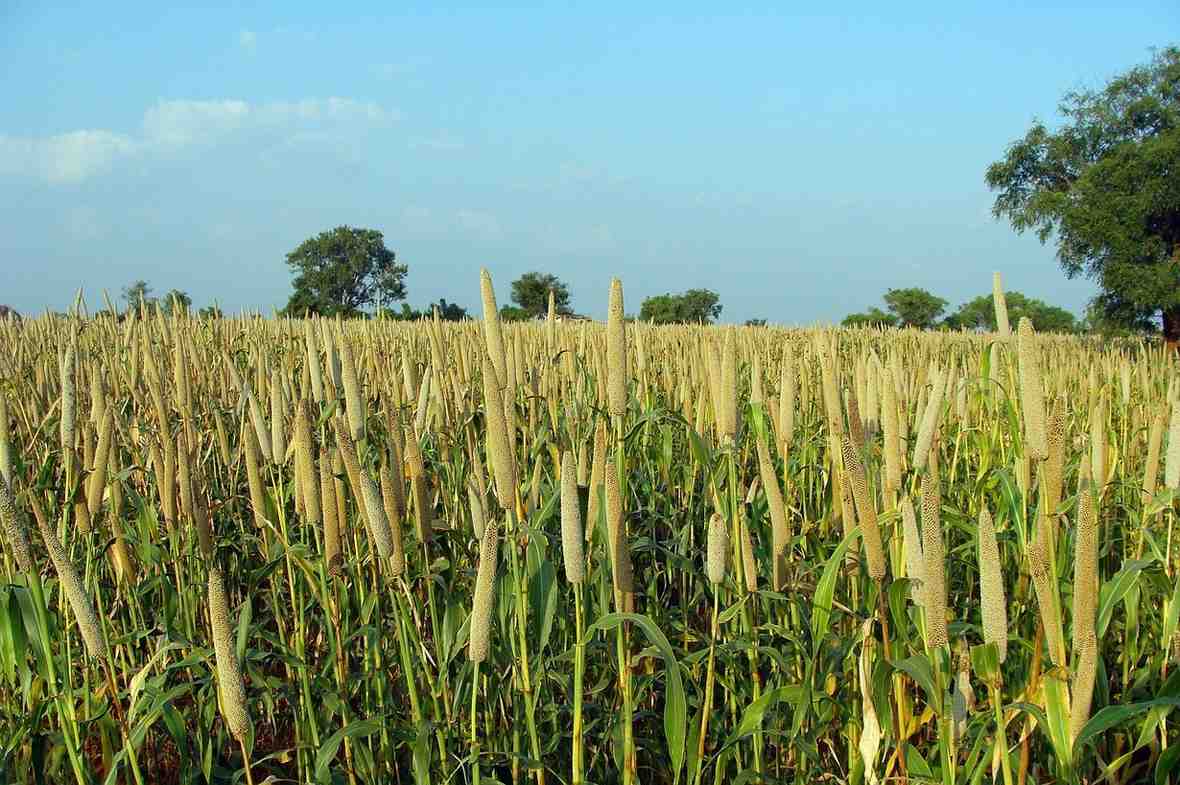
Pearl millet, also known as bajra, is a highly nutritious cereal grain from the Gramineae family, scientifically called Pennisetum glaucum. As a non-glutinous crop, it serves as a perfect alternative for individuals with gluten allergy or celiac disease. This grain is packed with carbohydrates, amino acids, and powerful antioxidants, which contribute to a healthy body.
The vitamins it contains—thiamine, riboflavin, folic acid, niacin, and beta carotene—are essential for metabolic health and immune function. Additionally, bajra is rich in minerals like iron, phosphorus, magnesium, and zinc, all of which support vital bodily functions. What makes bajra even more valuable is its ability to be easily digested, providing lasting energy and promoting overall well-being. From my own experience, incorporating bajra into meals can offer a nutritious, gluten-free option for individuals seeking balance in their diet.
Bajra Cultivation
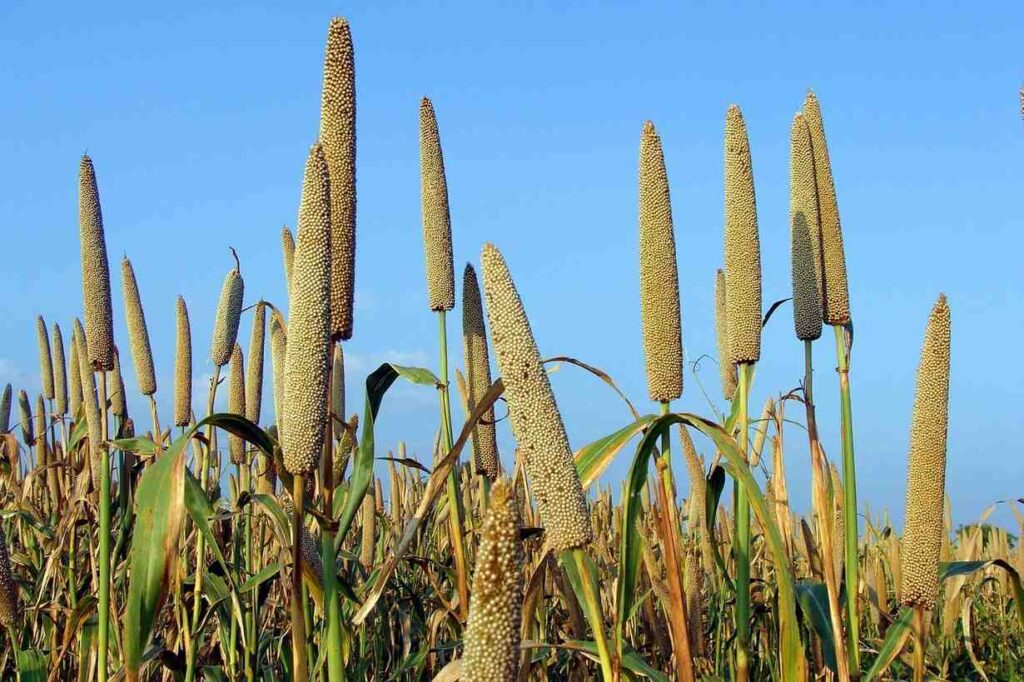
Bajra Overview
| Aspect | Details |
|---|---|
| Crop | Bajra (Pearl Millet) |
| Origin | India and Africa |
| Area Grown | Approximately 10 million hectares |
| Production | 7.9 million tonnes |
| Productivity | 791 kg/ha |
| Type | Coarse grain |
| Role | Staple food for over 100 million people in rural areas |
| Regions Grown | Asia and Africa |
| Additional Use | Fodder for livestock |
| Nutritional Content | Protein, fiber, fat, and carbohydrates |
| Importance | Essential for food security in rural communities |
Location
Bajra is primarily cultivated in the producing states of Rajasthan, Maharashtra, Haryana, Gujarat, and Uttar Pradesh. These regions provide the ideal climate for growing this drought-resistant crop, as bajra thrives in arid and semi-arid conditions. The highest yielding state for bajra is Tamil Nadu, where the favorable weather conditions and optimized agricultural practices have led to improved productivity. Having worked in these regions, I’ve observed how the growth of bajra not only supports food security but also contributes significantly to the livelihoods of farmers in these areas. The diverse locations where it is cultivated highlight bajra’s adaptability and importance as a staple crop in India.
Local Names
-
Pearl millet is known as Bajra in English.
-
In Hindi and Urdu, it is also called Bajra.
-
In Punjabi, it is referred to as Sajje.
-
The grain is called Kambu in Tamil and Kambam in Malayalam.
-
In Telugu, it is known as Sajjalu.
-
In Rajasthan, it is popularly known as Bajri.
-
In Gujarati and Marathi, it is called Bajra.
Popular Varieties With Their Yield
| Variety | Characteristics | Average Yield |
|---|---|---|
| PNB 233 | Smooth broad leaves, long leaves | 1100 quintals/acre |
| PNB 83 | Fast growing, late flowering hybrid | 961 quintals/acre |
| PBN 346 | Soft plants, long and wide leaves | 715 quintals/acre |
| CO 3 | High fodder yielding, drought-resistant | 850 quintals/acre |
| Pusa Giant Napier | High biomass, excellent for fodder | 1200 quintals/acre |
| Gajraj | High yield, disease-resistant | 950 quintals/acre |
| NB-5 | High resistance to pests, excellent for fodder | 1000 quintals/acre |
| NB-6 | High yielding, drought-tolerant | 1050 quintals/acre |
| NB-21 | Strong growth, pest-resistant | 920 quintals/acre |
| NB-35 | Robust plants, good for fodder production | 980 quintals/acre |
Health Benefits
Bajra is an excellent source of energy and provides numerous health benefits, making it a valuable addition to a balanced diet. It promotes heart health by lowering cholesterol and enhancing overall cardiovascular performance. With its high fiber content, bajra is effective in reducing weight and managing digestion disorders, promoting better gut health. For diabetics, bajra plays a key role in controlling blood sugar levels, making it a healthy grain alternative to other carbohydrate-rich foods. Additionally, its antioxidants help in preventing cancer, boosting the body’s defense against harmful free radicals. From my personal experience, incorporating bajra into my diet has proven to be a simple yet effective way to maintain energy levels while supporting overall well-being.
Irrigation
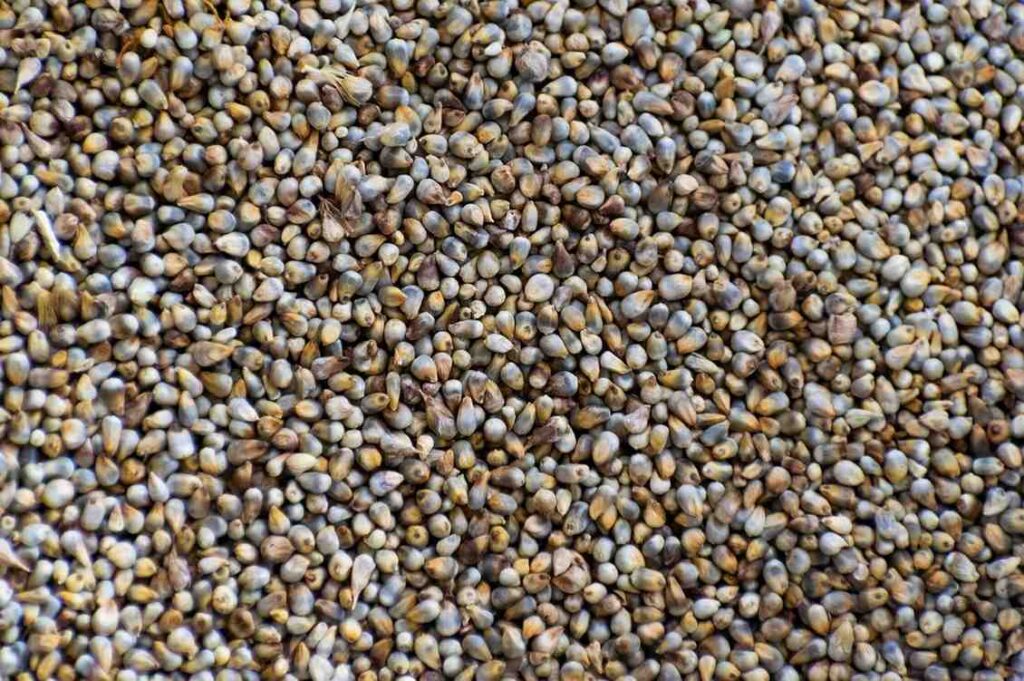
Bajra is a drought tolerant crop, but like any other, it has specific water requirements. Typically, it needs about 300-350mm of water throughout its growing period, with adequate soil moisture maintained at around 50% for optimal growth. An optimal IW/CPE ratio of 0.4 ensures the plant gets enough water during crucial stages such as tillering, flowering, and panicle development. Under normal conditions, three irrigations are sufficient, with the first being sowing irrigation to establish the crop. However, in limited moisture conditions or during summer irrigated pearl millet cultivation, up to 5 irrigations may be necessary to ensure proper growth. In regions requiring even more water, 6 irrigations are applied to achieve high yields, particularly during flowering and the development of the flag leaf. Based on my observations, balancing irrigation during these critical growth phases significantly enhances the overall health and productivity of bajra.
Manures & Fertilizers
-
Commercial hybrid Bajra requires proper application of manures and fertilizers for optimal growth.
-
Apply 10-15 tonnes of compost or farm yard manure per hectare to enhance soil fertility.
-
Fertilizer usage should be guided by soil test results to meet the specific nutrient needs of the soil.
-
For Pearl millet or local varieties, apply nitrogen, phosphorus, and potassium in balanced amounts.
-
A foliar spray of 3% urea is commonly used under barani conditions for quick nutrient uptake.
-
Adjusting fertilizer doses according to the soil test can help achieve maximum profit in bajra cultivation.