The process of cultivating corn begins with selecting the ideal seeds and preparing the soil to perfection. For a successful corn harvest, it’s important to start the seeds when the weather conditions are just right. Typically, planting should begin in mid-May, once the soil has warmed up and the temperature reaches about 60°F (15°C). If you’re living in a warm climate, this can be a great time to start growing in your garden, ensuring warmth and optimal growth conditions. In my own experience, I’ve learned that the location and the climate of your garden play a huge role in how the plants will fare through the growing process. It’s always exciting to see those tiny seeds transform into thriving plants!
Growing Corn
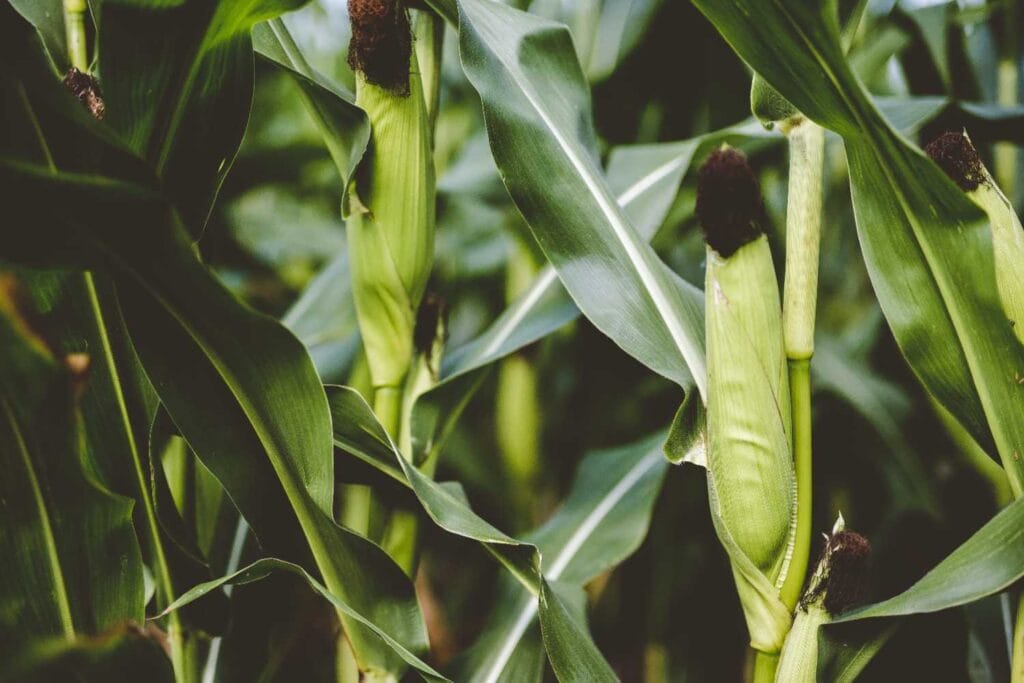
Before you begin, ensure that your soil is rich in nutrients and well-drained. Good soil preparation is essential for successful growing, especially when it comes to corn. The location of your garden should receive ample sunlight, as corn loves bright conditions. A well-drained, warm garden will give the seeds the climate they need to grow strong. Keep in mind, if you’re starting the growing process in late spring, the weather can sometimes be unpredictable, so it’s important to monitor the conditions closely.
As corn plants begin to mature, you’ll notice the cobs slowly form, and you’ll get to experience the joy of watching them change. The plants will reach their peak in late summer, with yellow kernels signaling that it’s time for harvesting. I always feel a sense of reward when I can see the bright, yellow cobs ready for the harvest. There’s an incredible sense of satisfaction when the corn is finally ready to be picked, and the sweet corn is absolutely worth the patience and hard work. The process from seeds to harvest is full of exciting moments, and it’s always a pleasure to see the results of a well-tended garden.
Facts about corn
-
Corn is one of the most popular plants that people grow at home. It can be easier than you think to grow once you understand the conditions it needs.
-
If you want to grow corn in your garden, you need to know the best seed types for your climate.
-
The key to success is understanding that corn needs a lot of warmth and sunlight to thrive.
-
When it comes to buying corn seeds, always select the best quality, as this can make a significant difference in the growth process.
Things like watering and soil preparation are crucial for the best results when growing corn.
Corn germinates in warm soil
When sowing corn, it’s crucial to put the seeds in a warm spot where the soil temperature reaches around 10-12°C (50-54°F).To promote healthy corn germination, place the seeds in a greenhouse or near a bright window indoors where they can receive ample light. I’ve found that during cold nights, the temperature can drop, so keep an eye on getting the soil to the preferable temperature. The easiest way to avoid worry about chilly nights is to create a controlled environment with a consistent temperature. Corn will thrive once the soil stays warm and stable, making the whole growing process smoother. Make sure to plan for this crucial step when starting your corn journey!
Corn rots easily in cold soil
If the soil temperature is too cold, the kernels of corn can easily rot. I’ve learned that even a few days of cold or damp conditions can harm the germinate process. Ideally, corn should not be planted in soil below 10°C (50°F), as the risk of rot is higher in such cold soil. In fact, it’s best to wait for the soil to warm up to ensure that corn has a good chance of thriving and not suffering from rot or damp conditions. Planting too early or in the wrong conditions could lead to less successful germination.
Corn doesn’t thrive in pots
Growing corn in pots can be a bit tricky, as these plants need plenty of space to spread their roots. From personal experience, I’ve found that corn tends to grow unhealthy in pots because they don’t have enough room to develop their full root system, which can eventually lead to them dying. When transplanting corn, it’s important to do so as soon as possible, because the longer the plants stay in the pots, the greater the risk of stunted growth. I swear by giving corn enough room to grow in open soil, where they can flourish naturally without the unnecessary limitations of confined spaces. If you’re serious about growing corn, it’s best to avoid pots altogether and plant them directly in the ground.
Corn can be hard to transplant
Transplanting corn can be tricky, as its delicate roots are prone to damage and can easily be disturbed.. From my experience, growing corn in pots or trays before transplanting can lead to a compromised root system, which makes the process more challenging. I recommend transplanting your corn into open soil as soon as the plants are strong enough. Even when using plug trays, it’s essential to handle them carefully to avoid damaging the roots. The key is to plan ahead and make sure the conditions are right for a smooth transition, minimizing stress on the plants.
Growing corn from seed – My tips
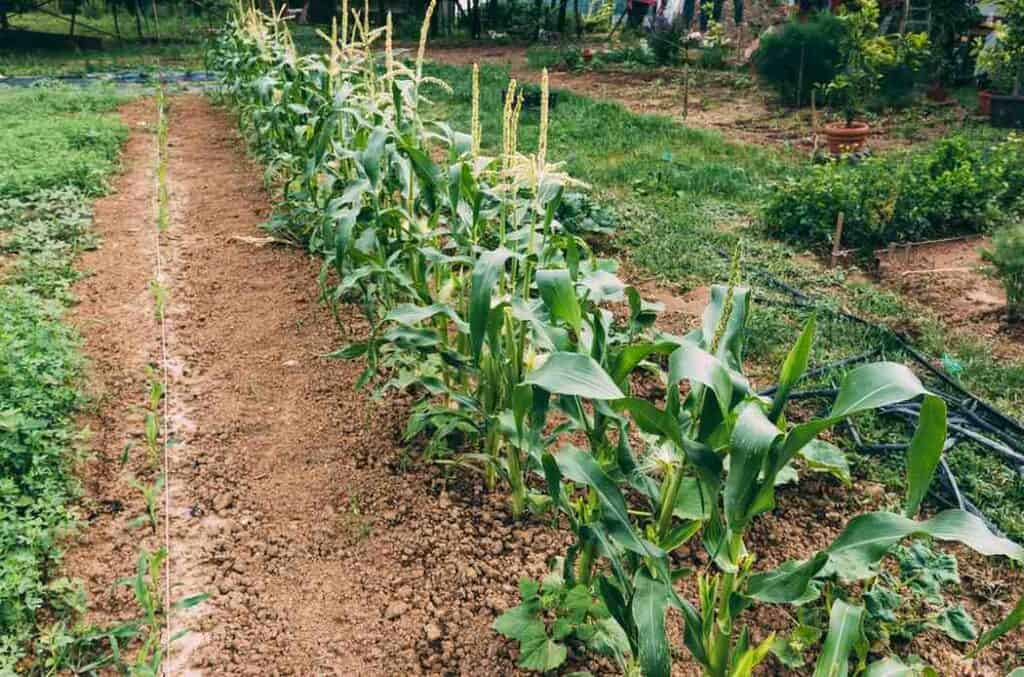
If you’re growing corn from seeds, my best advice is to start indoors about six weeks before the last expected frost. This gives the plants an early advantage, particularly in regions with a brief growing season. I’ve found that using a seed-starting mix and placing the seeds in plug trays or cell trays helps the kernels develop strong roots. I recommend setting up a heat mat to maintain warmth for optimal germination. You can even use toilet paper rolls as a fun, eco-friendly way to start the seeds in individual cells. Sowing the seeds this way minimizes the risk of damaging the delicate roots during transplanting later.
The key is to create the right environment for your seeds to grow strong and healthy. Keep the damp soil consistently moist but not soaking wet. Make sure the seeds are exposed to plenty of light once they begin to sprout. The plants are sensitive at this stage, and it’s important to be patient. After the corn reaches about six weeks, and the weather outside warms up, transplanting them outdoors can begin. Make sure the soil outside is warm enough—cold soil can stunt the growth and damage the plants. I’ve learned over the years that timing is everything when it comes to sowing corn—the plants need just the right amount of warmth to develop quickly.
Once you’ve sown the seeds and grown them indoors, the next step is to carefully transition the plants to the outside. Adapt to the circumstances and watch the weather, as cold nights can set the plants back. I always plan to sow when I know the weather will cooperate for a long summer growing season. With the right care, your corn will be ready to thrive in its new environment, and you’ll see fast results with proper attention.
Five questions about growing corn
1.My corn doesn’t grow, what’s wrong?
If your corn isn’t growing, there could be several reasons. In my experience, one of the most common issues is temperature. Corn seeds need a warmer environment to germinate. If the soil is too cooler, or you’ve planted in a cooler spot, this can slow down or stop the growth. I’ve found that ensuring the soil stays consistently damp but not too dry helps. Overwatering or underwatering can affect the plants negatively, so it’s important to get the right balance. Also, sometimes the batch of seeds you’re using may not be the issue, but rather the watering method. If the seeds aren’t given enough warmth underneath, they won’t germinate properly. With a little knowledge and careful attention, you can experiment with different conditions until you find what works best for your garden.
2.Does corn need lots of water?
When it comes to growing corn, one of the most critical factors to consider is the water it needs throughout its growth stages. Corn requires a significant amount of moisture, especially during the peak of the growing season. The ideal weekly average for water needed is about 1 to 1.5 inches, and across the whole season, it can total anywhere from 22 to 30 inches depending on the rainfall and weather conditions in your area. It’s essential to ensure that the moisture is consistent, as corn doesn’t do well with erratic water levels. I’ve found that maintaining a steady, reliable water supply, whether through irrigation or timely rainfall, plays a major role in helping corn thrive. The key is to avoid under or over-watering, as both can impact the corn’s yield and overall health.
3.Does corn need a lot of sun?
When it comes to growing corn, sunlight is absolutely essential for healthy growth and maximizing yield. Corn is a sun-loving plant that thrives best when it receives direct sunlight for about 6-8 hours a day, although some experts even recommend 8-10 hours for optimal development. Photosynthesis plays a vital role in providing the energy needed for the corn to grow strong and produce high-quality crops, so ensuring ample light is key to success. In my experience, providing consistent and adequate sunlight results in much stronger plants and better yields. The plants benefit from optimal exposure to the sun for their photosynthetic processes, which in turn enhances their overall health and growth.
4.Can I grow several corn varieties in my garden?
Yes, you can grow different varieties of corn in your garden, but there are some important things to consider. If you want to grow multiple types, it’s essential to understand how corn cross-pollinates. Pollen can travel quite far, and this could lead to unintended hybridization, especially if you’re growing multiple varieties close together. In my experience, the best approach is to stick to one variety per season, or, if you want to grow different types, consider staggering the planting times. This reduces the chance of cross-pollination and ensures you get the best results from each type. Another tip is to put physical barriers or plant corn in different parts of the garden to further prevent the pollen from mixing. This will help you maintain the purity of each variety.
5.My corn doesn’t seem to develop properly, why?
If your corn isn’t developing properly, it could be due to a few key factors. From my experience, one common issue is not providing the plants with a steady supply of water, or the soil may not be nutrient-rich enough. Corn needs warm soil to thrive, and if it’s planted indoors too long before moving outdoors, the plants might struggle to adjust. It’s also essential to pick a sheltered spot with plenty of sunlight for the corn to grow strong. If the varieties you’re growing require a long time to ripen, make sure to allow enough weeks for them to mature. Ensure the seeds were planted deep enough, and if you’ve had cooler summers, that could also affect their growth. Providing a steady environment with the right conditions helps corn develop properly.
In conclusion, growing corn requires careful attention to several factors, including the soil temperature, moisture levels, and planting methods. Whether you’re sowing seeds indoors or planting outdoors, the key to success lies in ensuring your corn has the right conditions to thrive. Warm soil, a sheltered spot, and a steady supply of water are essential for promoting healthy growth. Additionally, avoiding cross-pollination between different varieties and giving your plants ample space will help them develop properly. By paying close attention to these details, you’ll increase your chances of a bountiful corn harvest, whether you’re growing for fun or for a larger, more serious crop.