Sunflowers, scientifically known as Helianthus annuus, are a vibrant and iconic plant that thrives in full sun. These flowers are typically yellow, but they can also display orange and red blooms, adding a multicolor display to any garden. Renowned for its durability and stunning look, this plant’s eye-catching beauty has made it a favorite among gardeners. Growing sunflowers requires optimal sun exposure, as they need sunlight throughout most of the day to flourish.
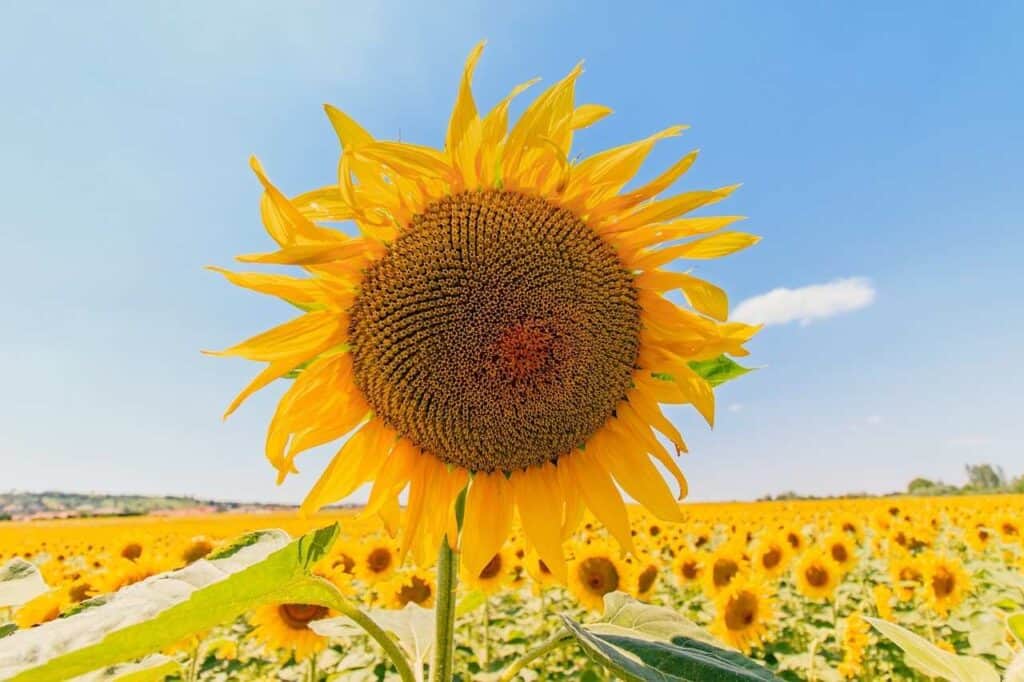
For optimal growth, sunflowers flourish in soil with a balanced pH, preferring neutral, slightly alkaline, or mildly acidic environments. They also need well-draining soil to prevent waterlogging, which can damage their roots. Planting them in the summer is ideal, as the warm weather and longer days encourage quicker growth. Once they begin to bloom, they can attract butterflies and songbirds, further enhancing the beauty of your garden. Their large blooms and vibrant colors make sunflowers a special addition to any outdoor space.
Planting, Growing, and Caring for Sunflowers
Both people and bees are drawn to sunflowers for their dazzling beauty and the happiness they radiate. These tall, golden giants are not only a visual treat but also serve as a natural habitat for birds and bees, enhancing any outdoor space. To start, planting them requires the right conditions: plenty of sun, as they naturally grow towards it, their bright blooms facing the sky. When planting, it’s important to ensure your soil is well-draining, as sunflowers can’t tolerate waterlogged roots. Growing them is a simple yet rewarding process – they need sunlight throughout most of the day to grow healthy and strong, and in return, they’ll reward you with flowers that turn heads. They are the perfect party hosts for any garden, drawing in bees, birds, and even your guests who can’t help but admire their towering presence. For an added bonus, you can collect the seeds to enjoy as a snack or plant them in your garden to grow even more vibrant blooms. The gentle breeze and warm sun will do the rest, and soon enough, you’ll be enjoying these growing, glowing wonders in your yard.
About Sunflowers
Sunflowers, scientifically known as Helianthus annuus, are an annual plant that brings a bright, goldenrod glow to any garden. With their large, daisy-like flowers and towering stature, they are truly a sight to behold. The name “sunflower” comes from the Greek words helios (sun) and anthos (flower), reflecting their unique heliotropic nature – they follow the movement of the sun from east to west throughout the day. Sunflowers bloom in a spectrum of hues, from classic yellow to rich red, orange, and deep maroon or brown, with their bold centers maturing into thick, seed-packed heads. These seeds can be harvested and either eaten as a snack or left to attract bees, birds, and even butterflies, making them a favorite for wildlife. I’ve always found it fascinating how these flowers not only provide a vibrant touch to a garden but also help support an entire ecosystem. From morning until night, the sunflowers stand tall, their heads facing the sky, almost as if they are in constant search of the sun.
How Long Do Sunflowers Take to Bloom?
Sunflowers are known for being fast-growing plants, and their blooming time varies depending on the varieties you choose to grow. On average, sunflowers take between 70 to 95 days to mature and develop into their full glory. Larger sunflowers can grow as tall as 16 feet, with their large-seeded blooms reaching 12 inches in diameter, forming impressive flower heads. Smaller varieties, however, are more suitable for compact spaces like containers, where they rarely exceed a foot in height and still produce stunning flowers. The size and flower head of your sunflower will depend on factors like the variety you choose and the care you provide, but no matter the size, the vibrant blooms are worth the wait. No matter the size of your garden, whether cozy or expansive, there’s a sunflower variety that will fit just right.
Planting
For a thriving sunflower patch, begin by selecting a sunny location that gets 6 to 8 hours of direct sunlight daily. Sunflowers thrive in warm conditions, making them perfect for summers, and they prefer areas with well-draining soil. When selecting a location, keep in mind that sunflowers can grow tall, so avoid spots exposed to strong winds unless you have some sort of shelter, like a fence or building, to shield them. The larger varieties can become top-heavy and may topple if planted in an exposed area. It’s essential to ensure your soil is nutrient-rich with the right pH levels—either slightly acidic or alkaline—so they thrive. Adding organic matter like composted manure or a slow-release granular fertilizer can improve soil quality and give your sunflowers a solid foundation to grow.
When you’re ready to dig, make sure to loosen the soil to a depth of about 8 inches so the tap roots can stretch and establish themselves. You can create a bed or project with kids to make it a fun activity while ensuring the soil is not compacted. If you are growing sunflowers in a garden, dig holes at least 1 foot apart for each flower. For the best results, make sure the soil is deep and rich in nutrients to allow the sunflowers to develop strong roots and mature into the flower heads you are looking for.
When to Plant Sunflowers
-
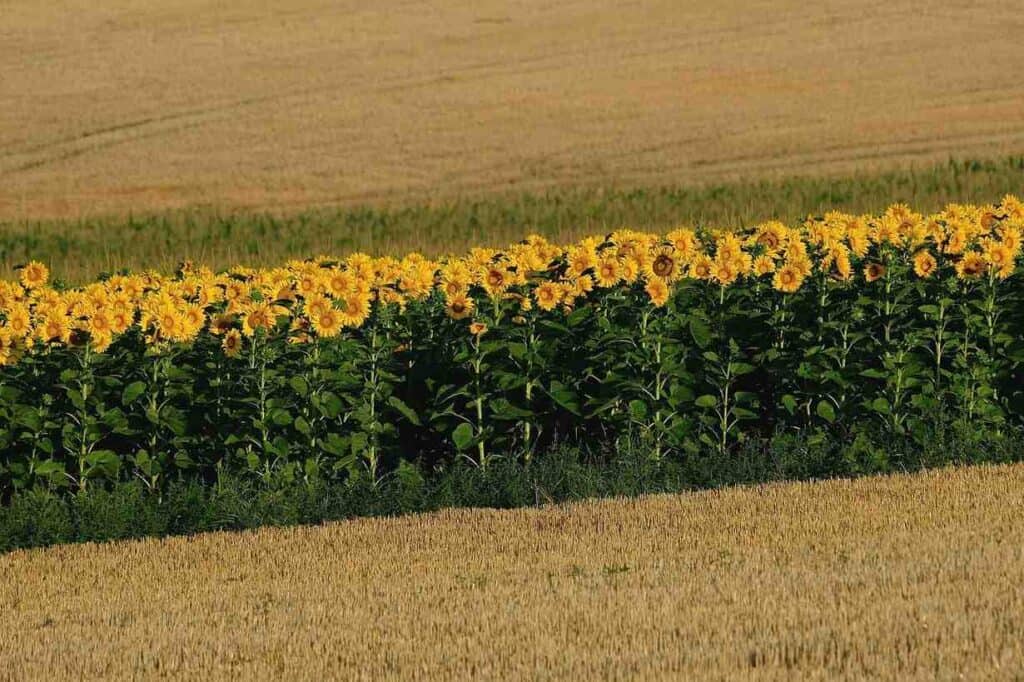
Sunflowers should be planted when the soil is warmed to around 60°F (15°C) and the risk of frost has passed.
-
Plant the seeds about 1 to 1½ inches deep and 6 inches apart to give the plants enough room to grow without competition.
-
For tall varieties, ensure the plants are spaced farther apart, while low-growing varieties can be planted closer together in rows.
-
You can experiment by staggered planting every 5 to 6 weeks to ensure continuous blooms, attracting birds and providing a beautiful display.
-
If you’re dealing with wind, consider protecting your plants from blowing gusts by using netting or other methods to encourage strong root and growth.
Planting Sunflower Seeds
-
Sunflowers should be planted about 1 to 1½ inches deep in warmed soil to encourage strong germinate and root growth.
-
Space the seeds 6 inches apart to give plants the room they need, with tall varieties requiring more space than low-growing types.
-
For strongest results, plant in rows and consider multiple plantings, staggered every 5 to 6 weeks, to create a continuous display of blooms.
-
If you wish to experiment, try planting closer together for very small varieties or use fertilizer to enhance growth and root strength.
-
Protect your newly sprouted seeds from blowing wind with a light netting or other means to shield the plants until they mature and can stand on their own.
Growing
-
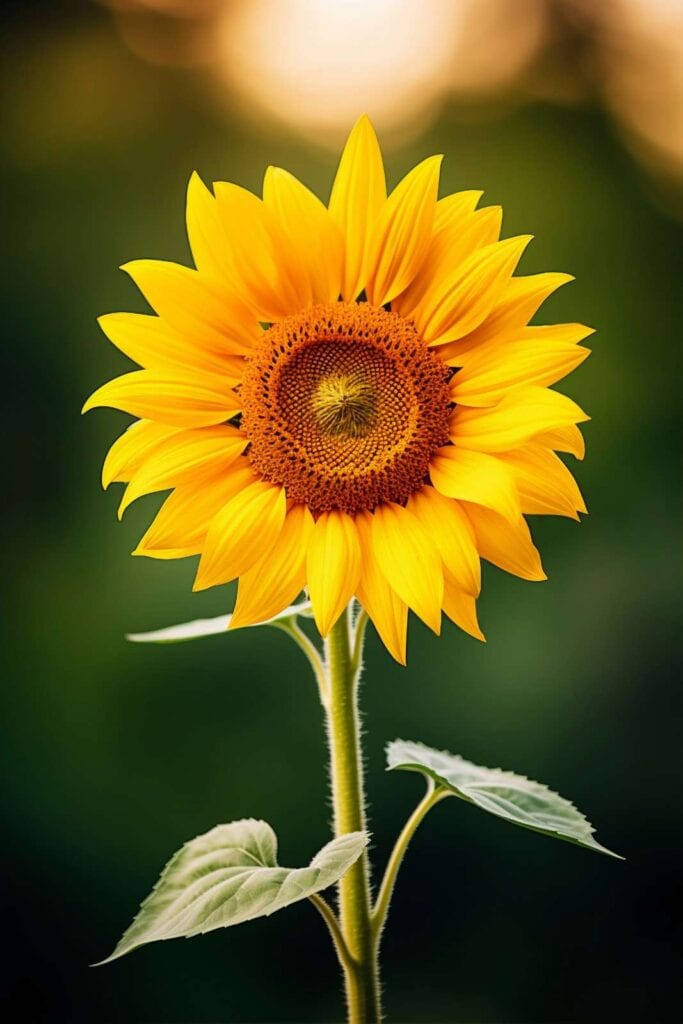
Once the plant is established and the roots are deep, water it infrequently, about once a week, to avoid overfertilization and keep the stems strong.
-
Watering should be done deeply, with several gallons of water each time, ensuring that the roots get the moisture they need without making the soil wet or dry.
-
Protect young plants from pests like snail or slug by using bait around the base of the plant or creating a moat around the plant to keep them from attacking the stem.
-
As the plant grows taller, support the species with bamboo stakes or other supports if needed, especially for tall cultivars.
-
Be mindful of weather conditions, as exceptionally wet or dry weather can affect growth. The choice to fertilize should be done sparingly, using a diluted version of fertilizer to avoid stressing the plant.
-
As sunflowers grow, monitor their height, especially for tall species that may need additional support as their stems get strong and tall, sometimes up to 18 inches or more.
Types
-
-
-
Variety Characteristics Height Best For Mammoth Majestic, towering sunflowers with thick stalks and large edible seeds, perfect for snacking. 12 feet Bird feeding, snacks Autumn Beauty A vibrant blend of yellow, bronze, and mahogany hues, great for creating striking bunches. 7 feet Bouquets, ornamental gardens Sunrich Gold Pollen-free flowers with stunning golden-yellow petals and greenish-yellow centers. 5 feet Floral arrangements Teddy Bear Fluffy, deep-gold blossoms that grow in small, perfect clusters – ideal for containers. 2-3 feet Vase arrangements, containers Traditional Giant Single stems with ample pollen for pollinators; branching stems produce a large flower. 8 feet Garden focal points, tall display Small Varieties Modest flowers, around 15 inches wide, perfect for smaller spaces and creating small bouquets. 1-2 feet Containers, compact gardens
-
-
Harvesting
Cutting Sunflowers for Bouquets
-
Cutting sunflowers in the morning when they are fully open but not wilting ensures fresh, vibrant flowers for your bouquets.
-
For longer vase life, strip the leaves from the stem and cut the main stem at a 45-degree angle to improve water absorption.
-
Encourage side blooms by harvesting from the middle or closest part of the stem, leaving the plant intact for future blooms.
-
Once harvested, promptly place the flower in room-temperature water, making sure the stems are completely submerged to maintain freshness.
-
For tall varieties with heavy heads, use containers that offer ample support and handle the stems gently to prevent damage.