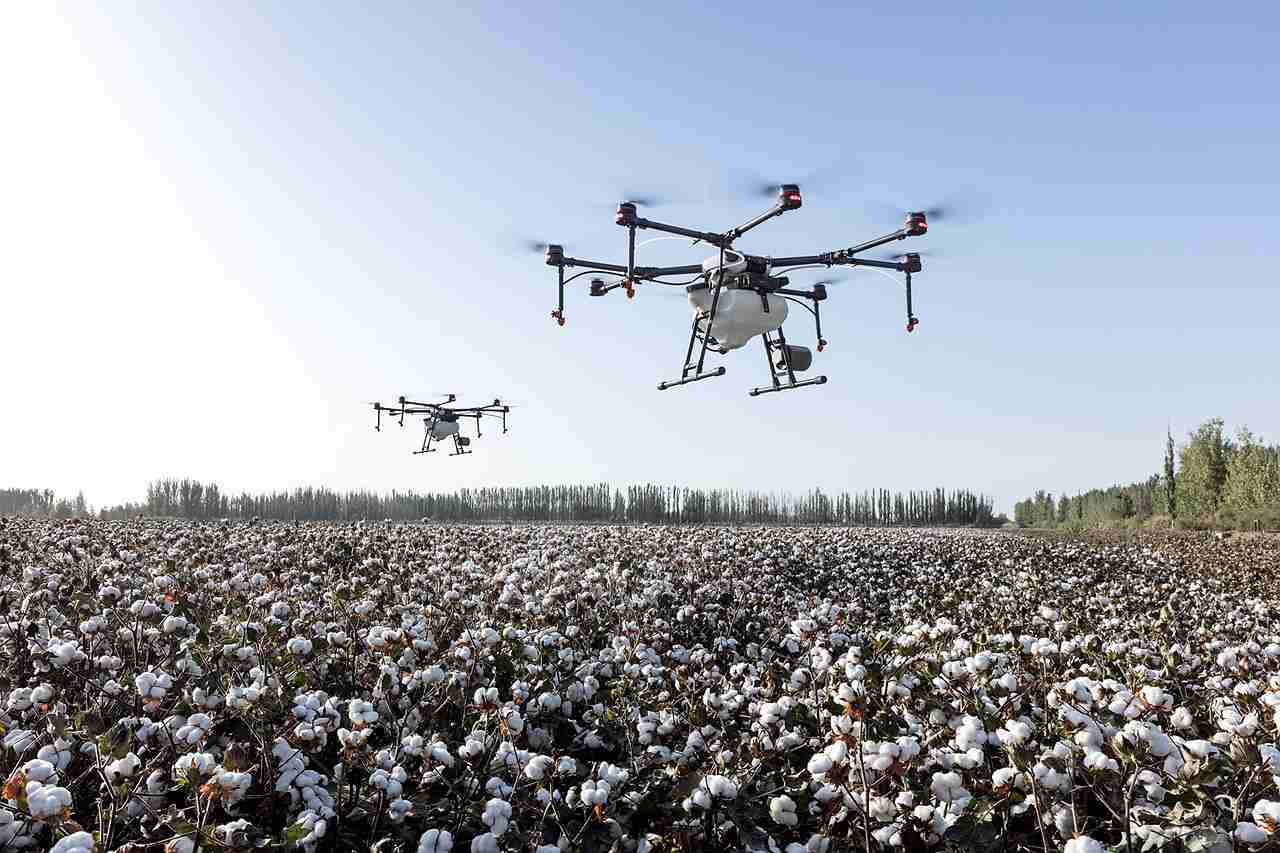
In the age of digital transformation, agriculture is experiencing a revolution driven by technology. Among the most significant advancements shaping the future of farming are drones—unmanned aerial vehicles (UAVs) that are reshaping traditional agricultural practices. With their ability to provide real-time insights, enhance productivity, and reduce operational costs, drones are becoming indispensable tools for modern farmers. This blog post will delve into the multifaceted role of drones in agriculture, exploring their applications, benefits, challenges, and the future potential they hold.
1. Understanding Drones and Their Capabilities
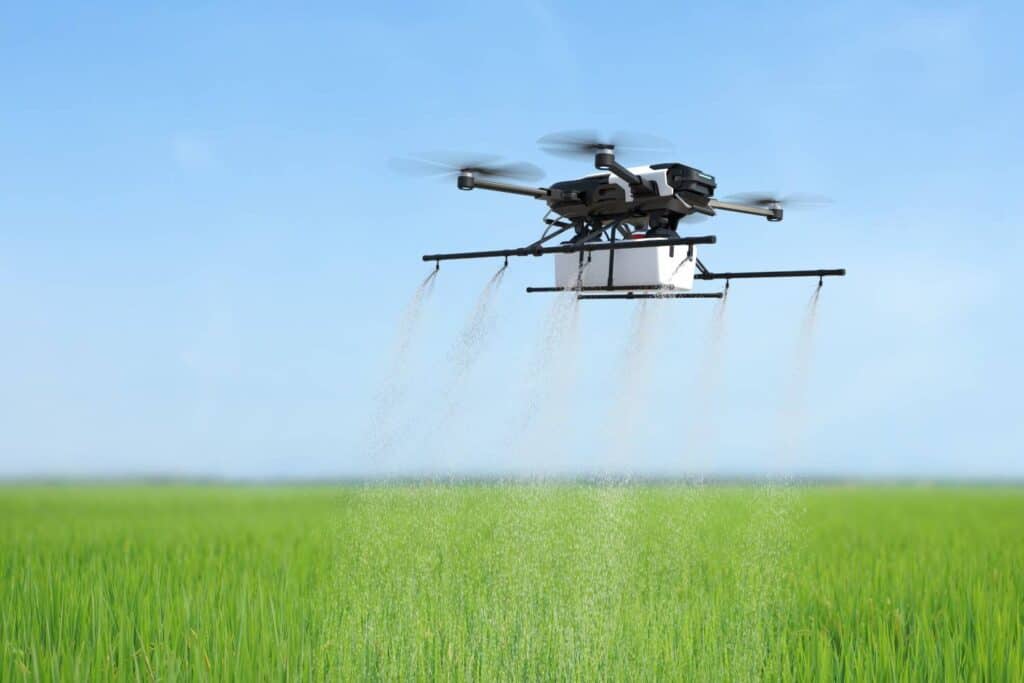
Drones in agriculture generally fall into two categories: fixed-wing and multi-rotor systems. Fixed-wing drones are designed for long-range flights, making them suitable for covering expansive fields quickly. Conversely, multi-rotor drones are more maneuverable, allowing for detailed inspections and data collection in localized areas. Both types of UAVs equipped with advanced sensors, cameras, and other technologies can perform various tasks beneficial to farmers.
2. Applications of Drones in Agriculture
2.1. Precision Agriculture
Precision agriculture is one of the most prominent applications of drones in farming. Drones equipped with high-resolution cameras and multispectral sensors can capture images that help farmers assess crop health, moisture levels, and nutrient deficiencies. By analyzing these images, farmers can optimize resource allocation, ensuring that water, fertilizers, and pesticides are applied precisely where needed. This not only enhances crop yield but also minimizes waste and environmental impact.
2.2. Crop Monitoring and Management
Drones allow for real-time monitoring of crops throughout the growing season. They can keep track of growth stages, identify areas needing attention, and monitor field conditions such as soil quality and moisture. With this data, farmers can make informed decisions about irrigation, pest control, and harvesting times, leading to improved management practices and higher returns on investment.
2.3. Pest and Disease Detection
Early detection of pests and diseases is crucial for effective crop management. Drones can identify plant stress long before it becomes visible to the naked eye. By analyzing thermal and multispectral images, farmers can pinpoint areas where pests are prevalent or where diseases are emerging, allowing for timely intervention. This proactive approach can save crops and reduce the need for excessive pesticide use.
2.4. Irrigation Management
Water management is a critical element of agriculture, especially in regions prone to drought or water scarcity. Drones can help optimize irrigation through the analysis of moisture levels across fields. Equipped with infrared sensors, UAVs can identify areas that require more water, allowing farmers to adjust their irrigation systems accordingly. This targeted approach not only conserves water but also promotes healthier crop growth.
2.5. Livestock Monitoring
Beyond crop management, drones are also being used in livestock farming. Farmers can deploy drones to monitor the health and location of their livestock over large areas. Drones equipped with thermal imaging can help identify ill or in distress animals, significantly improving overall herd management practices. Furthermore, drones can assist in tracking grazing patterns, ensuring that livestock are grazing efficiently and sustainably.
3. Benefits of Drones in Agriculture
The integration of drones into agricultural practices offers numerous benefits:
– Increased Efficiency: Drones can cover large agricultural areas quickly and provide valuable data that would take significant time and labor to collect manually.
– Cost Savings: By facilitating precise resource management, drones help reduce waste and lower input costs for farmers.
– Enhanced Decision-Making: Drones provide actionable insights that empower farmers to make evidence-based decisions, ultimately leading to improved crop yields and profitability.
– Sustainability: By optimizing the use of resources such as water, fertilizers, and pesticides, drones contribute to more sustainable farming practices, helping to protect the environment.
4. Challenges Facing Drone Adoption
Despite the advantages, the adoption of drones in agriculture is not without its challenges:
– Regulatory Hurdles: In many regions, regulatory frameworks governing drone use in agriculture are still developing. Farmers must navigate complex regulations, including airspace restrictions, which can hinder the broader adoption of UAV technology.
– Initial Investment Costs: While drones can save money in the long run, the initial cost of purchasing drones and associated technologies can be a barrier for smaller farms.
–Technical Expertise: Utilizing drones effectively requires a certain level of technical knowledge. Farmers may need training to operate drones and analyze the data collected.
– Data Management: The vast amounts of data generated by drones can be overwhelming. Farmers must have the capacity to process and analyze this information to derive meaningful insights.
5. The Future of Drones in Agriculture
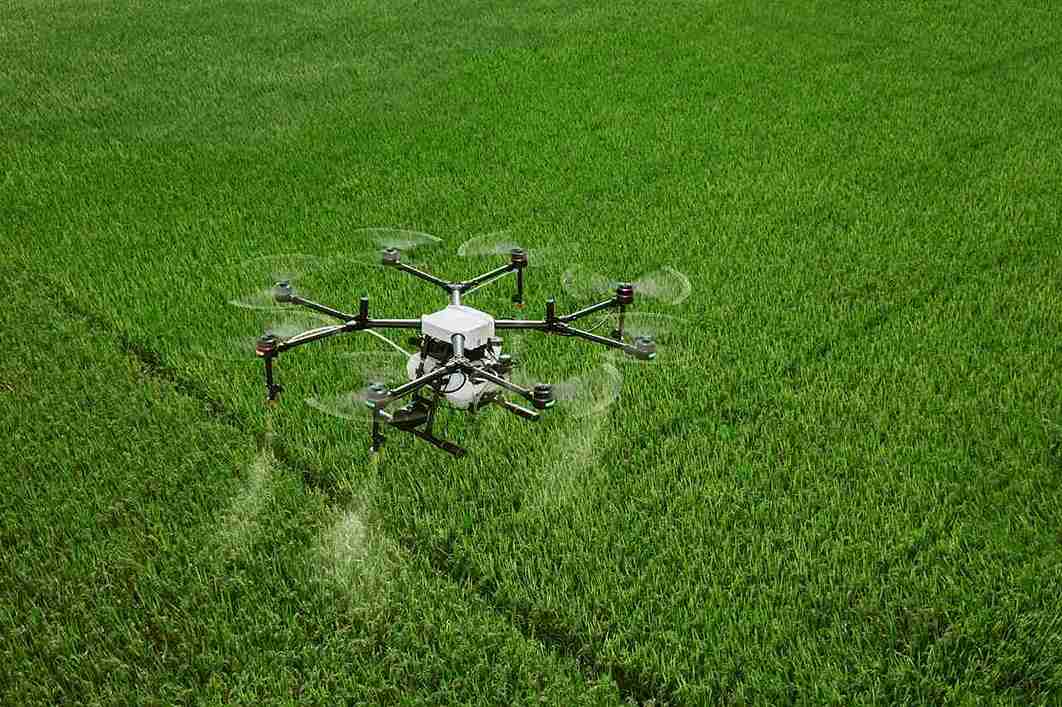
As technology continues to evolve, the potential for drones in agriculture is immense. Innovations such as artificial intelligence (AI) and machine learning will enhance data analysis capabilities, allowing for even more precise decision-making. Moreover, advancements in battery life and drone automation could lead to fully autonomous farming, where drones operate continuously to monitor crops and livestock.
Furthermore, the integration of drones with other technologies, such as Internet of Things (IoT) devices, will create a fully connected farming ecosystem. For instance, drones can work alongside soil sensors to provide real-time feedback on field conditions, enabling farmers to react promptly to changes and optimize their operations.
Conclusion
Drones are undeniably transforming the agricultural landscape. By enhancing productivity, improving resource management, and enabling sustainable practices, they are helping farmers meet the growing global food demand while mitigating the environmental impact of agriculture. As challenges are addressed and technology advances, the role of drones in agriculture will only continue to expand, making them an essential asset for the farmers of the future. The adoption of drone technology is not merely an option but a necessity for those looking to thrive in an increasingly competitive and resource-constrained world.
Suggestions for Readers
Amazon.com
- NW xdoni New Tech Carbon Fiber 6 axis 25KG 25L Agricultural UAV Spraying Drone Crop Sprayer for Plant Protection and Fumigation
- Holy Stone GPS Drone with 4K UHD Camera for Adults Beginner; HS360S 249g Foldable FPV RC Quadcopter with 10000 Feet Control Range, Brushless Motor,
- Drone, Drones with camera for adults 4k, Drones for kids 8-12, Brushless Motor, FPV Foldable Drone, Carrying Case, 40 mins Battery Life, Christmas gifts, 360° Flip, APP Control
Amazon. in
- COFENDY Drone With HD Dual 4K Camera Live Video, Wifi Fpv Drone For Adults With 4K HD 120 Wide
- DELINZA Foldable Drone with Camera 4k, 9800ft Video Transmission, Camera Drone with 3-axis Gimbal
- HILLSTAR Foldable Remote Control Drone with Camera HD Wide Angle Lens Optical Flow Positioning with 1800Mah Battery WiFi FPV 4-Axis Camera with Dual Flash Lights