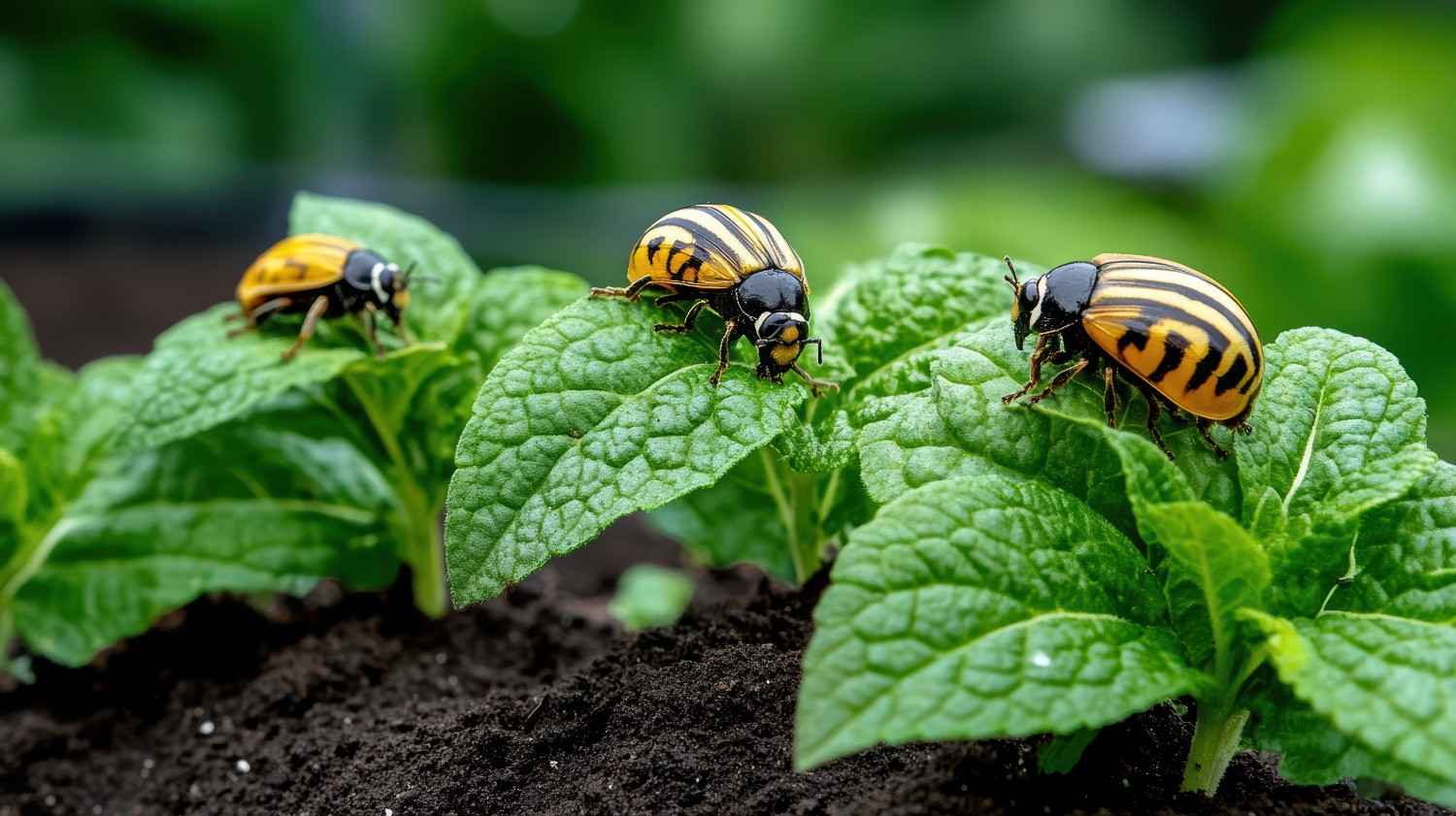
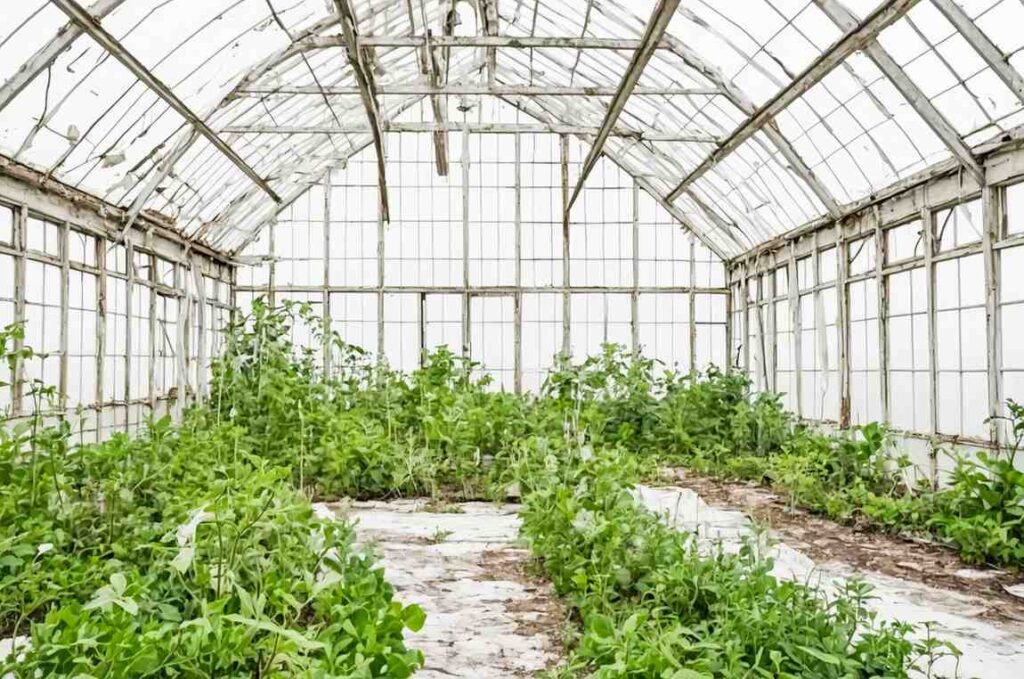
In greenhouses, growers are faced with the challenge of maintaining a stable environment that promotes optimal crop health while simultaneously protecting crops from pests. The enclosed nature of a greenhouse can encourage pests to multiply rapidly, creating an environment where pest infestations can spread quickly, leading to reduced yields and lower profitability. Unlike open-field systems, greenhouses provide controlled environments where factors like temperature, humidity, and light are carefully regulated to create ideal growing conditions. This balance can inadvertently benefit pests like aphids, whiteflies, and spider mites, which thrive in these settings. Without natural predators to regulate their populations, these pests can reproduce unchecked, causing damage to crops and affecting global crop losses. Effective greenhouse pest control is therefore a necessity to prevent and manage pest issues, ensuring the sustainability and profitability of greenhouse farming.
Stop Greenhouse Pests Now: Identify & Manage Greenhouse Pest Control Tips
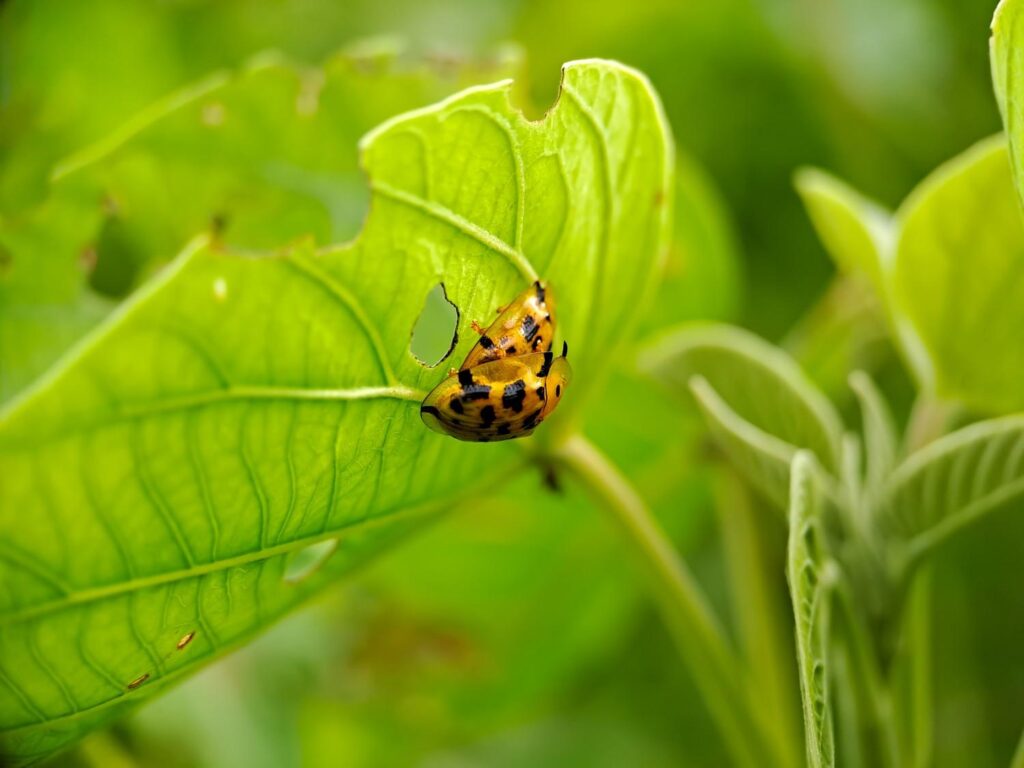
One of the most effective ways to combat greenhouse pests is through integrated pest management (IPM), a strategy that combines cultural methods, biological controls, and smart digital monitoring. By identifying pest populations early, growers can take proactive management steps to prevent an infestation from getting out of hand. Early detection is crucial, especially with the absence of natural enemies in a greenhouse environment.
Implementing crop rotation and sanitation practices can help limit pest spread, while biological controls such as introducing natural predators provide a sustainable management strategy that minimizes pesticide reliance. The use of digital monitoring systems allows for real-time detection, helping to identify pest populations before they can reproduce and cause significant damage. The benefits of modern greenhouse pest control practices extend beyond just protecting crops; they also contribute to healthier, more high-yield harvests and a greener, more sustainable approach to farming.
Understanding Greenhouse Pests and Their Impact on Crops
In greenhouses, the controlled environments offer ideal conditions for crops to thrive, but they also provide a perfect habitat for pests like aphids, thrips, and whiteflies. These greenhouse bugs feed on the plants, causing significant leaf damage and weakening plant growth by disrupting photosynthesis. As pests such as spider mites reproduce rapidly, they can quickly turn into a major infestation, jeopardizing the health of the entire crop cycle. Without the presence of natural predators in these stable conditions, pests can adapt and spread, making it a challenge for growers to eradicate them once they gain a foothold.
Greenhouse farming requires pest control measures that go beyond traditional approaches. Biological methods, such as introducing natural predators, and cultural methods like maintaining crop rotation and sanitation, can help in managing pest populations. In addition, technological methods such as smart monitoring systems are increasingly being integrated to detect pests early. Greenhouse pest control is a critical aspect of maintaining the stability of the growing environment. When pests invade, they don’t just reduce yield; they also introduce the risk of viral diseases, making control and prevention an essential part of maintaining crop health and profitability.
The impact of pests is far-reaching, not just affecting plant growth but also increasing the labor and treatment costs required for recovery. Left unchecked, pests can cause yield losses, which directly translate to a drop in revenue for growers. Using integrated approaches, such as combining biological and cultural methods with chemical pesticides when necessary, can help control pest populations without compromising the long-term sustainability of greenhouse farming. However, resistance to chemicals can develop over time, making pest control a continual challenge that requires innovation and adaptability from growers.
Key Impacts of Greenhouse Pests Include:
-
Reduced plant vigor and growth due to sap-sucking insects like aphids and whiteflies.
-
Leaf damage, which reduces photosynthetic efficiency, slowing crop development.
-
Transmission of plant viruses and diseases, leading to a spread of infections in enclosed environments.
-
Economic losses from yield reductions, affecting profitability.
-
Increased control costs as growers manage the spread of greenhouse pests and attempt to minimize damage.
-
The necessity of informed monitoring to prevent and manage pest populations.
-
The challenge of maintaining crop quality and productivity in the face of pest-related damage.
Identifying Common Greenhouse Pests
Accurate identification of common greenhouse pests is critical for developing an effective pest control strategy. In greenhouse settings, pests like aphids, whiteflies, and spider mites pose a serious threat to crops, as they can be damaging to plant health and crop yields. For farmers, knowing the symptoms of an infestation early can help prevent outbreaks and reduce the need for extensive treatments. Effective pest management begins with recognizing these pests and understanding their behavior and impact on the crop. With a proactive approach to identification, farmers can mitigate the risks posed by these pests and protect their greenhouse production from further damage.
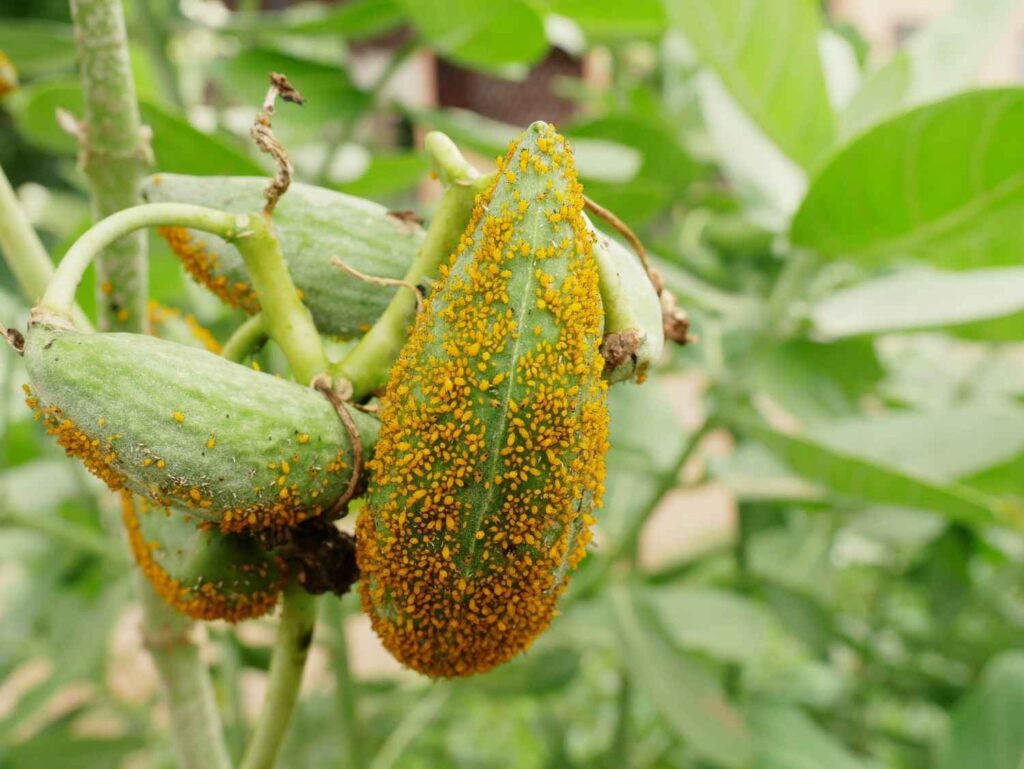
Aphids
-
Aphids are small, soft-bodied insects that thrive in warm, humid environments.
-
They feed on plant sap found in leaves, stems, and buds, causing yellowing, curling, and stunted growth.
-
Honeydew secretion from aphids promotes mold growth on plants, leading to further damage.
-
Regular scouting is essential to catch aphid infestations early.
-
Biological controls, such as ladybugs and lacewings, are natural predators that prey on aphids.
-
Chemical control using insecticides can also be effective, but should be used in combination with other measures.
-
Maintaining proper ventilation and sanitation in the greenhouse can help reduce aphid populations.
-
Managing aphid populations early can reduce damage to crops and improve greenhouse pest control effectiveness.
Whiteflies
-
Whiteflies are small insects that feed on plant sap, causing yellowing of leaves and overall plant stress.
-
Their feeding weakens plants, making them more susceptible to diseases.
-
Honeydew secretion from whiteflies promotes the growth of sooty mold, which hinders photosynthesis.
-
To manage infestations, growers can use biological controls like parasitic wasps or predatory insects.
-
Maintaining proper ventilation and sanitation in greenhouses helps reduce favorable conditions for whitefly reproduction.
-
Regular monitoring and early detection are essential to controlling whitefly populations.
Spider Mites
-
Spider mites thrive in dry and warm conditions, making them common pests in greenhouses.
-
They cause damage to leaves and stems, leading to speckled foliage, discolored foliage, and leaf drop.
-
Spider mite feeding reduces photosynthesis, slowing plant growth.
-
Webbing can appear on plants as mites infest, further damaging the crop.
-
Managing spider mites requires maintaining proper temperature and humidity to reduce favorable conditions.
-
Predatory mites like Phytoseiulus persimilis help reduce spider mite numbers naturally.
-
Misting and watering plants regularly can deter mite outbreaks.
-
In severe cases, miticides can be used to manage infestations effectively.
Thrips
-
Thrips are slender, winged insects that damage plant tissue in greenhouses.
-
They leave silver streaks and cause distorted growth in leaves and flowers.
-
Thrips can deform blossoms, reducing the aesthetic value of crops.
-
Sticky traps (typically blue or yellow) are effective for detection of thrips.
-
Biological controls like Orius insidiosus and Amblyseius cucumeris naturally reduce thrips populations.
-
Sanitation and avoiding over-fertilization help prevent thrips outbreaks.
-
Rotating crops and implementing greenhouse pest control programs are critical for minimizing infestations.
Fungus Gnats and Shore Flies
-
Fungus gnats and shore flies thrive in damp soil and overwatered growing media.
-
Larvae feed on organic matter in the soil and can lead to root rot, weakening plant health.
-
Adult flies are a nuisance and contribute to further infestations by breeding in organic buildup.
-
Cultural control methods, like adjusting irrigation practices and ensuring proper drainage, help limit infestations.
-
Introducing beneficial nematodes and predatory mites can target larvae effectively and reduce their numbers.
-
Maintaining a clean environment, controlling humidity levels, and avoiding overwatering is key to preventing these pests.
-
Creating a well-balanced, slightly dry growing medium helps protect crops and sustain consistent yields.
Causes of Greenhouse Pest Infestations
-
Poor monitoring and sanitation can lead to breeding grounds for pests.
-
Overcrowded plant spacing promotes infestations by limiting airflow and creating ideal conditions for pests.
-
Climate conditions, such as high humidity and inadequate airflow, encourage pest growth.
-
Lack of environmental balance makes it easier for pests to thrive in greenhouse environments.
-
Root damage and plant health issues arise when pests are not controlled early.
-
Farmers must implement preventive measures to reduce the presence of pests and safeguard crop health.
-
Regular checks and maintaining proper conditions help in effective greenhouse pest control.
Poor Sanitation and Unsterilized Tools
-
Poor sanitation leads to breeding grounds for greenhouse pests like whiteflies, thrips, and fungus gnats.
-
Soil debris, dead leaves, and contaminated tools can harbor pest eggs and larvae.
-
Unattended areas with debris provide hidden spots where pests can multiply.
-
Regular cleaning and tool sterilization are essential to prevent infestations.
-
Growers should remove debris and ensure effective pest control by eliminating potential hiding spots for pests.
-
Keeping a clean environment helps improve the effectiveness of pest management strategies.
Overcrowding and Poor Air Circulation
-
Overcrowding of crops leads to a microclimate with stagnant air and high humidity, promoting greenhouse pests.
-
Lack of spacing between plants makes it easier for pests to thrive and causes competition for nutrients.
-
Stagnant air and poor airflow make it difficult to manage pest pressure and slow pest reproduction.
-
Limited ventilation systems exacerbate the problem, preventing proper airflow and creating favorable conditions for pests.
-
Maintaining proper spacing and installing efficient ventilation systems help reduce pest outbreaks.
-
Ensuring early detection of overcrowded plants improves pest control and creates an environment that limits pest survival.
Climate Mismanagement and Humidity Fluctuations
-
Climate mismanagement and humidity fluctuations can create an unstable environment, encouraging greenhouse pests.
-
Temperature, light, and moisture levels that are inconsistent or poorly adjusted can cause stress to plants.
-
Warm, humid conditions are ideal for pests like aphids and whiteflies, while dry environments attract other pests.
-
Regular monitoring of environmental settings is key to preventing pest outbreaks.
-
Maintaining stable temperature and moisture levels helps keep crops healthy and reduces pest vulnerability.
-
Proper adjustments in climate conditions can safeguard plants from excessively fluctuating environments.
Organic Debris and Algae Buildup
-
Organic debris, such as decomposing leaves and plant waste, can accumulate in greenhouses, becoming a habitat for pest larvae.
-
Algae buildup often forms in corners, benches, and around irrigation systems, providing perfect hiding spots for pests.
-
Organic matter that accumulates increases the likelihood of pest infestations if left unnoticed.
-
Removing this buildup regularly is an essential part of an effective greenhouse pest control strategy.
-
Keeping the greenhouse clean and free from organic debris strengthens the environment, making it less attractive for pests.
-
Regular maintenance minimizes pest risks and ensures a healthier growing space for plants.
Greenhouse Pest Control Methods
Effective greenhouse pest control requires a comprehensive approach that combines biological control, chemical control, and mechanical control. Prevention is key, as simply reacting to pest issues after they arise rarely works. By monitoring pest populations regularly and creating stable environments in enclosed environments like greenhouses, farmers can prevent many infestations. Targeted intervention allows growers to apply pest control techniques based on specific pest issues rather than using a single method for all pests, which can lead to ineffective results. Modern controlled environment agriculture setups support consistent pest management practices that combine several strategies to keep greenhouse pests in check.
The mix of pest control methods depends on the specific needs of the crops and the types of pests present. Biological control methods, such as introducing natural predators, are often used in conjunction with chemical control or mechanical control methods like traps and barriers. A consistent pest management strategy ensures that pests are prevented from taking hold and disrupting the growth of crops. By adopting a modern approach to pest control, growers can maintain a healthy, productive greenhouse environment where pests are effectively managed and crops can thrive.
Preventive Measures
-
Prevention is key to greenhouse pest control, stopping pests before they spread.
-
Regular inspection of plants, particularly seedlings, helps detect early signs of greenhouse pests.
-
Quarantining new plants for a few weeks reduces the risk of introducing external sources of pests.
-
Disinfecting tools, equipment, and containers prevents the spread of pests and disease-causing organisms.
-
Use of screened ventilation systems improves airflow and prevents flying pests like whiteflies and thrips from entering the greenhouse.
-
Routine cleaning schedules and proper waste disposal reduce breeding grounds for pests.
-
Soil sterilization and maintaining healthy, clean environments reduce the likelihood of pest infestations.
-
Regular maintenance ensures a well-maintained greenhouse, avoiding the need for heavy chemical use.
Biological Control
-
Biological control is a sustainable method that reduces the need for chemical inputs in greenhouse pest control.
-
Beneficial insects like ladybugs, lacewings, and predatory mites act as natural predators, feeding on greenhouse pests like aphids, thrips, and spider mites.
-
Self-regulating systems created by these predators help maintain pest populations throughout the year.
-
Greenhouse integrations, such as sensors and automated systems, allow farmers to monitor pest populations and environmental conditions.
-
The use of biological control supports more environmentally friendly agriculture by reducing pest resistance to chemicals.
-
This approach helps foster a healthy ecosystem and aligns with global trends in sustainable farming.
-
Biological control can be introduced alongside other strategies for more effective and eco-friendly pest management.
Chemical Control
-
Chemical control is essential for managing severe infestations of greenhouse pests.
-
Targeted pesticides, such as insecticidal soaps and horticultural oils, are effective in controlling greenhouse bugs.
-
Rotating active ingredients in pesticides helps prevent pest resistance and maintains effectiveness.
-
Apply pesticides at recommended intervals to avoid pests adapting over time.
-
Follow safety precautions, including wearing protective gear and adhering to label guidelines, to prevent exposure to harmful chemicals.
-
Chemical control complements other greenhouse pest management programs and should be used judiciously to maintain a balanced approach.
-
Proper application minimizes long-term damage and ensures pest reduction without compromising crop health or the environment.
Physical and Mechanical Control
-
Physical and mechanical control methods offer chemical-free solutions for managing greenhouse pests.
-
Sticky traps capture flying insects like whiteflies and fungus gnats, providing immediate control.
-
Monitoring data helps track pest populations and determine the need for further intervention.
-
Mesh barriers or netting prevent pests from gaining entry into the greenhouse and protect plants.
-
Vacuuming equipment can be used to remove insects from leaves or plants, especially during inspection.
-
Removing infected plants and debris reduces the spread of pests and protects crop health.
-
Maintaining pest-free conditions through physical control supports long-term pest management in greenhouses.
-
Adjusting humidity levels and using clean chambers also help manage pest pressure and prevent infestations.
Integrated Pest Management (IPM)
-
Integrated Pest Management (IPM) combines biological, physical, and chemical techniques for sustainable pest control.
-
Emphasizes prevention over reaction, using observation and data-driven decisions to guide pest management.
-
Utilizes smart monitoring tools and introduces beneficial organisms to control pest populations.
-
Chemical intervention is reserved for severe infestations, prioritizing biological and physical techniques first.
-
IPM helps maintain crop safety and environmental quality while managing pests.
-
Offers a manageable, predictable approach that enhances resilience and reduces costs in greenhouse production.
-
IPM focuses on prevention and early identification, addressing issues like humidity spikes and over-fertilization.
-
A balanced and effective system that transforms pest management, improving productivity and supporting long-term sustainability.
Technology and Data in Greenhouse Pest Control
-
Modern greenhouse pest control has shifted from manual scouting and reactive spraying to more data-driven methods.
-
AI-powered systems, IoT sensors, and digital imaging systems enable early detection and prevention of pest issues.
-
Smart cameras and automated detection provide precision monitoring, allowing growers to track pest activity in real-time.
-
Predictive data models and real-time data help farmers identify pest trends and behavior patterns, reducing pest damage.
-
Technologies like smart traps and drones help monitor pest breeding and pinpoint areas requiring intervention.
-
Robotic sprayers and automated climate controls apply targeted pesticides, reducing waste and minimizing chemical treatments.
-
Technology enhances efficiency by reducing human error and promoting a sustainable process for crop protection.
In conclusion, greenhouse pest control has evolved into a multifaceted process that integrates modern technology, data-driven solutions, and sustainable practices to effectively manage common greenhouse pests. By leveraging AI-powered systems, IoT sensors, and predictive data models, growers can achieve early detection and precision monitoring, which allows for targeted interventions that reduce reliance on chemical treatments. These technologies not only enhance efficiency and minimize waste but also improve crop protection, ensuring healthier plants and more productive greenhouses. By adopting an integrated approach, combining biological, physical, and chemical methods, greenhouse operators can successfully manage pests while maintaining a balance between sustainability, environmental health, and economic viability.
FAQS
What do greenhouses use for pest control?
Greenhouses often rely on insecticides like pyrethrum and synthetic pyrethroids to protect greenhouse plants from pests. These products are effective when used in the right concentrations, with some formulas powered by a synergist such as MGK 264. The MGK lineup offers a variety of high-quality pest control solutions, which can be combined for better results, ensuring suitable protection for plants without harming their growth.
Do greenhouses protect from pests?
While greenhouses offer a protected environment for plants, they do not completely block pests like aphids, whiteflies, and spider mites from causing damage. These sealed environments can still have entry points through openings or contaminated soil. To prevent pests from entering, greenhouse operators often use physical barriers like insect screens, maintain good sanitation, and implement ventilation systems to reduce the likelihood of pest outbreaks. Integrated pest management (IPM) strategies, which involve careful monitoring of plants and the use of effective pest control methods, help keep pest populations under control but do not guarantee complete protection.
What are the four methods of pest control?
The four main categories of pest control include physical control, chemical control, biological control, and integrated pest management (IPM). Physical control uses non-chemical methods like blocking or removing pests, while chemical control involves using pesticides to kill pests. Biological control introduces natural predators or living organisms to help manage pest populations. Finally, IPM is a holistic strategy that combines these methods, aiming to manage pests with the least risk to health and the environment.
How to fumigate a greenhouse?
To fumigate a greenhouse, first, ensure all doors and windows are firmly closed to trap the fumigant inside. You can use garlic smoke by placing it in a metal container or brick and adding a paper wick soaked in the garlic solution. Position the container in the middle of the greenhouse, light the wick, and leave overnight for at least 12 hours. After the fumigation period, open the door and ventilate the greenhouse well to allow fresh air to circulate.
Do you need pesticides in a greenhouse?
While pesticides are sometimes necessary in greenhouses to suppress pest populations and prevent them from reaching damaging levels, they should be used cautiously. The objective is to minimize the impact on plants while avoiding harming the environment and endangering the health of greenhouse workers and customers. When using pesticides, it is essential to apply them only to targeted pests and to maximize their effectiveness while reducing pesticide exposure to humans and non-target species.