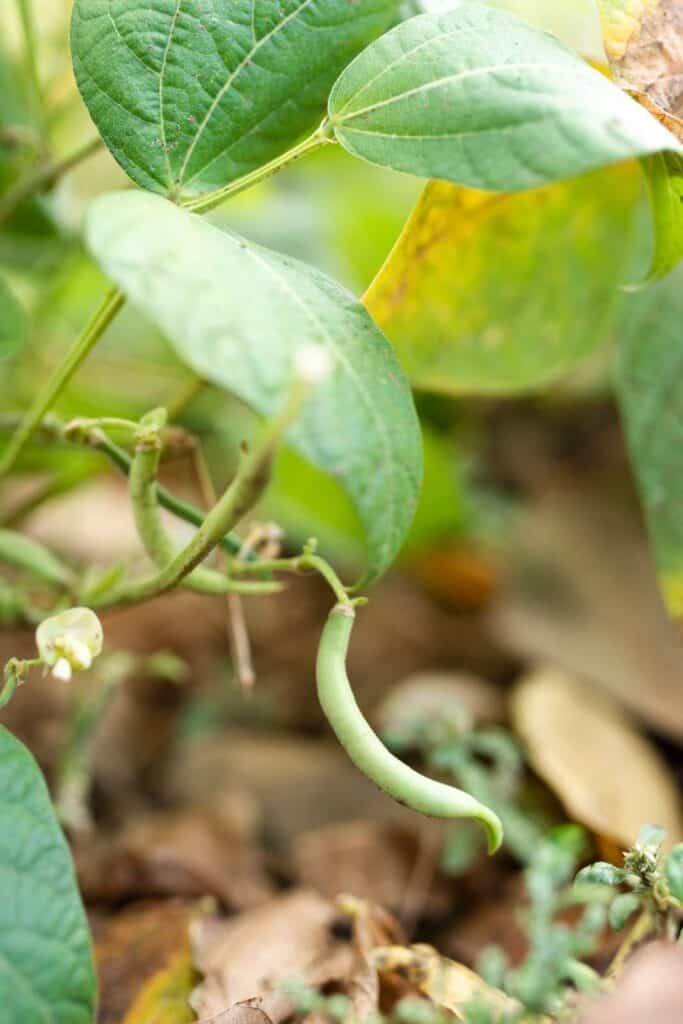
Black beans are an incredibly reliable and easy-to-grow crop that can be an excellent addition to any garden, especially for home gardeners. These compact plants are not only highly productive, but also yield delicious meaty beans that are perfect for soups, burritos, and other savory dishes. What makes them even better is that they thrive in garden beds or containers, making them a versatile option for different types of garden spaces. Unlike many other crops, black beans require minimal fussing during the growing season, which makes them a great choice for anyone looking to get started with growing beans or For beginners diving into the world of gardening.
Growing Black Beans at Home
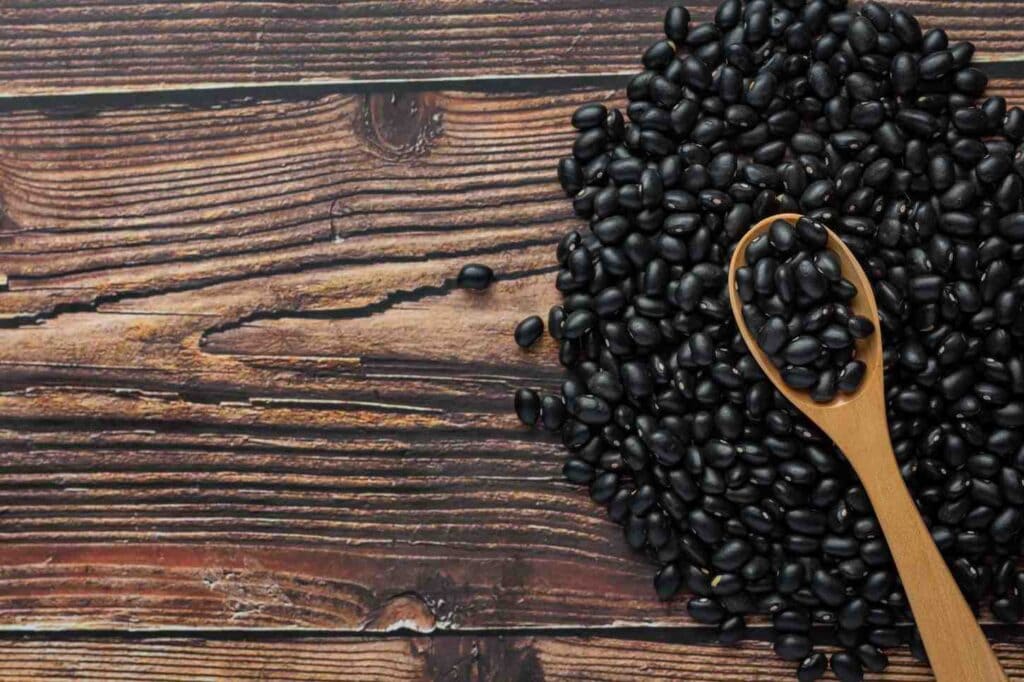
Starting with the right seeds is crucial to ensure that your crop flourishes. I’ve personally found that a healthy soil environment and proper watering can go a long way in achieving productive growth. As the plants mature, you can enjoy watching them produce dried beans, which can be harvested for later use. Whether you’re planting in garden beds or containers, you’ll find that growing black beans is not only satisfying but rewarding. Plus, once the beans are ready, they make for a great addition to your pantry, offering you a sustainable food source throughout the year.
What are Black Beans?
Black beans, native to Central and South America, have become a beloved staple in kitchens around the world. These dried seeds come from the immature pods of the plant, and their popularity stems from their meaty beans, which are rich in flavor and perfect for soups, burritos, and other dishes. The reason black beans are so favored by both commercial growers and home gardeners is their ability to thrive in warm season climates, and their relatively short growing period. The maturation time for black beans can vary based on the variety, with some reaching full maturity in 95 days, while others, particularly those with longer growth cycles, may take up to 105 days. In as few as 50 to 55 days.
These beans can be planted during spring or fall, but it’s important to time your planting with your frost dates. To thrive, black beans require plenty of sunlight and rich, well-draining soil. Black Turtle beans are a common variety, but heirloom varieties are also sought after for their unique flavors and textures. The plants themselves can be bush or semi-runner plants, with the latter requiring trellising or posts such as bamboo stakes to provide support. If you have short runners, trellising will help increase production by keeping the plants off the ground and allowing for better airflow and sun exposure. Whether grown in garden beds or containers, the plant produces pods filled with seeds that can be harvested when they’re fully mature, making black beans an ideal choice for any gardener looking for an easy-to-grow, reliable crop.
When to Plant Black Beans
When deciding the best time to plant black bean seeds, it’s essential to wait until spring has fully arrived and frost has passed. Black beans are a warm-season crop that flourish in soil temperatures between 68°F (20°C) and 80°F (27°C). If the soil is too cool or wet, it can inhibit germination and promote rot, so it’s important to avoid the temptation to rush planting too early. In my experience, ensuring that the temperature is consistent helps the beans germinate successfully, and planting them after the last frost guarantees that they will have the longest growing period possible. These beans are considered a long season crop, so giving them ample time in the right site to develop is critical. To ensure they get the best start, choose a location with at least six to eight hours of direct sun each day, and plant them in well-draining soil—whether in raised beds or containers. If you’re working with clay soils, make sure to amend soil with compost to improve drainage. To enhance your yield, it’s beneficial to inoculate your soil with rhizobium bacteria, which helps the plants fix nitrogen. This simple step can make a big difference in achieving a successful and productive crop.
How to Plant Black Beans
When planting black bean seeds, it’s important to ensure they are direct sown into the soil. I recommend planting them about half inch to one inch deep, and spacing them three inches apart in rows. Keep the rows about 15 inches to 18 inches apart, which allows the plants enough room to spread out without being too close. This spacing prevents the canopies from shading each other and allows the plants to access ample sunlight. Moreover, the ample spacing helps prevent weed growth, reducing competition for water and nutrients. As the seeds germinate, it’s important to water them deeply to encourage healthy root development while ensuring the soil remains lightly moist throughout the growing season.

For those who want to give their plants a head start, you can begin growing the seeds indoors under grow lights for about three weeks to four weeks before the last frost. This gives the seedlings a good chance to establish strong roots. Once the weather is warm and the frost danger has passed, harden off the seedlings gradually by moving them outdoors for a few hours each day. When transplanting, be careful not to disturb the roots, as this can cause a set back in their growth. If you choose to plant directly into your black bean bed, continue watering deeply and keeping the soil lightly moist to support their development.
Growing Black Beans
Black beans are a low-maintenance, reliable crop that doesn’t require extra attention once planted, making them ideal for gardeners looking for a hands-off approach. However, giving the plants a bit of care can significantly boost pod production and overall yield. Throughout the growing season, especially during summer, you’ll still need to focus on basic summer tasks like watering, weeding, and managing any pests or diseases that may arise. Regular attention to these details can help ensure that your black beans reach their full potential without requiring constant intervention. In my experience, keeping the soil moist and removing weeds early allows the plants to thrive with minimal fuss, producing a healthy harvest at the end of the season.
Watering Black Beans
Watering black beans is essential for ensuring healthy plants and a large harvest, but it’s important to be mindful of how and when you water. The plants have shallowed roots that typically reach the top two feet of the soil, so it’s crucial to water deeply to encourage the roots to grow deeper. I’ve found that if there’s no rain, it’s best to check the moisture levels of the soil by sticking your finger into the ground; if it feels dry, it’s time to water. Applying mulch like straw or shredded leaves helps retain moisture and keep the soil cool, especially during the summer. This can help maintain consistent hydration during the plant stage and pod development. During the flowering phase, the plants require extra moisture to stay hydrated and increase the yield. To avoid wetting the foliage, I prefer using a long-handled watering wand to focus the water directly at the soil. However, be cautious not to reduce or stop watering too early, as excessive moisture later in the season can delay pod maturation and cause yellowing of the pods. As the season winds down, gradually reduce watering to avoid encouraging disease, especially during the late season.
Weeding
Weeding is a crucial step in cultivating black beans, though it is frequently neglected. It’s a popular garden task that needs to be done regularly to ensure your bean patch thrives. I’ve discovered that the ideal time to remove weeds is at the start of the growing season, particularly when they are still young and not fully established. Aggressive weeds can be quite competitive and vigorous, easily crowding out your black beans and causing a significant reduction in yield. Using a tool like the Cobrahead Weeder makes this task quick and easy, allowing you to efficiently remove even the most stubborn weeds. As you continue throughout the growing season, keep an eye on your plants and stay on top of removing weeds to prevent them from taking over and interfering with your beans’ growth.
Black Bean Pests
Though black beans are generally easy to grow, like any crop, you may encounter pests that can cause trouble. I’ve found that good pest prevention begins with maintaining a healthy biodiversity in the garden, which can help naturally manage pests. Planting a mix of vegetables, herbs, and flowers not only supports pollinators but also attracts beneficial insects that keep harmful pests at bay. Regularly monitor your crop to spot any issues early, and take action as needed to address common pests. Keeping a close eye on your plants throughout the growing season ensures that any pest-related problems with your black beans are dealt with promptly, minimizing potential damage and preserving the health of your harvest. Below are some of the most common pests that target black beans.