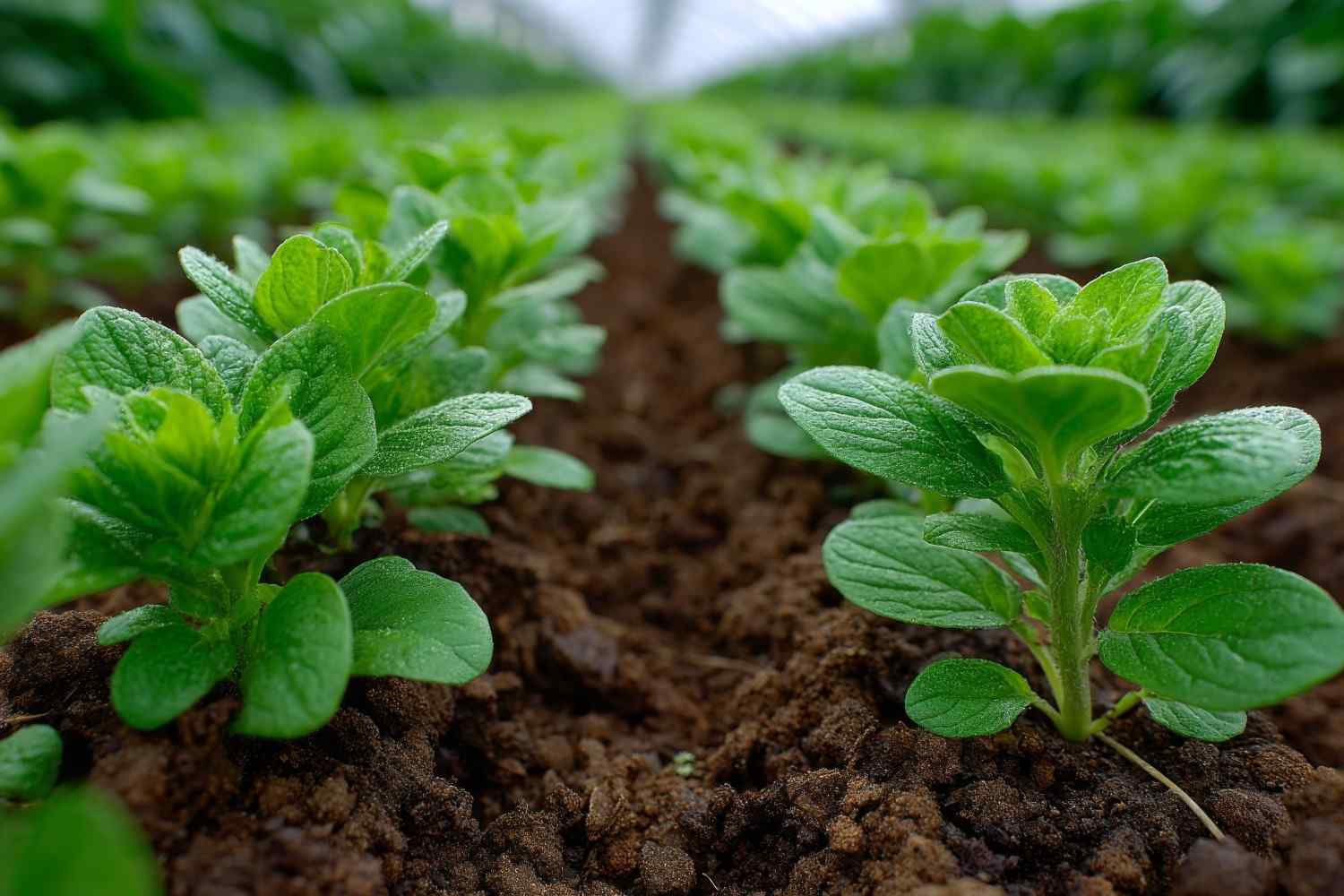
Selecting the right type of fertilizer is crucial for ensuring healthy crops. A farmer must understand the nutrients required by their plants and assess the soil content to make the right choice. Whether you’re growing vegetables, grains, or fruits, each crop has specific needs, and choosing the right fertilizer helps plants reach their full potential. For instance, if your crops need a mid-growth boost, applying the correct fertilizer can significantly enhance their growth. Over the years, I’ve realized that applying a precision tool such as the correct fertilizer based on the crop type and soil conditions helps achieve better results.
When considering fertilizers, size and form matter too. Granular fertilizers are widely used for their easy application, but liquid fertilizers are absorbed more quickly by plants, making them ideal for quick nutrient delivery. Farmers can also choose slow-release fertilizers for a long-term, steady supply of nutrients throughout the growing season. Each form has its own benefits depending on your crop needs and the timing of application. It’s about selecting the fertilizer that best matches the soil content and the plants you’re growing, ensuring that they get the nutrients they need at every stage of growth.
Table of Contents
ToggleTypes of Fertilizers: Discover the Best for Your Crops – Which One is Right for You?
The application of fertilizers is an essential part of farm operations. Farmers need to monitor their soil content regularly to determine which type of fertilizer is required to address any nutrient deficiencies. Applying fertilizers accurately is vital because both overuse and underuse can affect crop health. In my experience, adjusting fertilizer application based on crop growth and seasonal needs is an effective way to optimize results and reduce wastage. It’s all about making the right adjustments and creating a fertilization schedule that enhances plant health and ensures a successful harvest.
Choosing the right type of fertilizer requires effort and careful planning. Every farm and crop is unique, so farmers must assess the specific nutrients needed by their plants and match that with the soil content. It’s not just about picking any fertilizer off the shelf; it’s about understanding the needs of your crops and applying the most suitable product. Over time, you learn that the effort put into selecting and applying the right fertilizer pays off with higher yields and healthier crops.

Organic vs Inorganic Fertilizers
| Aspect | Organic Fertilizers | Inorganic Fertilizers |
|---|---|---|
| Source | Natural materials like manure, animal byproducts, fish meal | Manufactured in laboratories using chemicals |
| Nutrient Concentration | Lower concentration, requires larger quantities | Higher concentration, more economical packages |
| Impact on Soil | Improves soil health, adds organic matter | Quick nutrient boost, but doesn’t improve soil structure long-term |
| Sustainability | Environmentally friendly, supports soil sustainability | Less environmentally sustainable, relies on synthetic chemicals |
| Usage | Used in organic farming, improves long-term crop health | Common in conventional farming for faster results |
| Cost | Generally more expensive, depending on availability | More economical and widely available in the market |
Synthetic Fertilizers
-
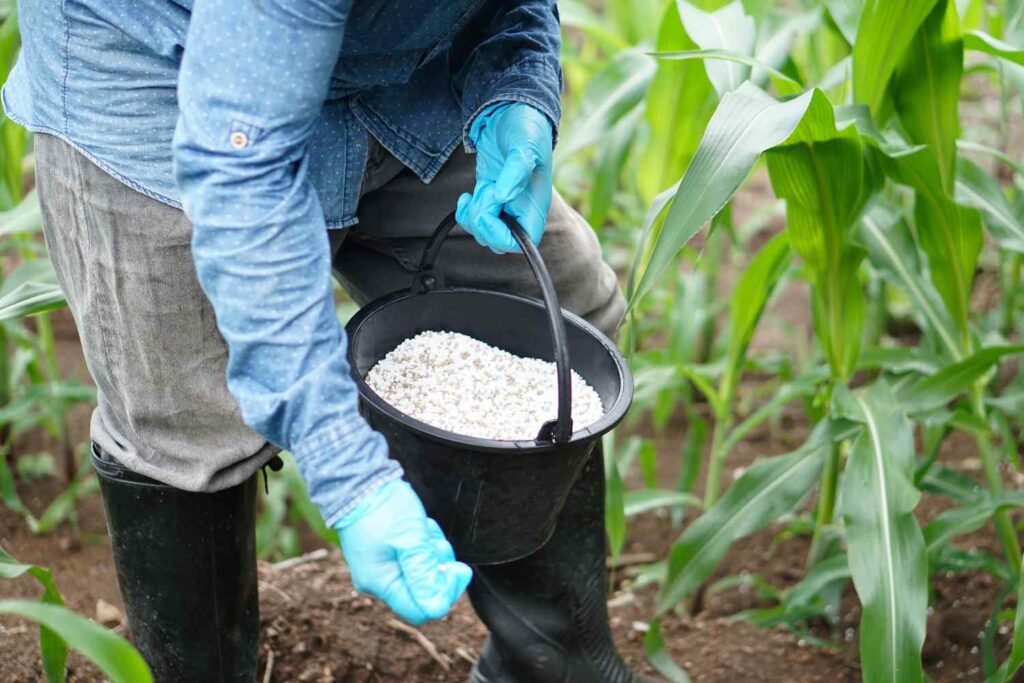
Synthetic fertilizers are powerful and fast-acting, providing a quick nutrient boost to plants.
-
They are cheaper and easier to obtain than organic fertilizers, making them accessible for large-scale farming.
-
They contain high concentrations of nitrogen, which is readily utilized by plants for rapid growth.
-
Overuse of synthetic fertilizers can lead to environmental issues, such as runoff, which contaminates water sources and harms surrounding ecosystems.
-
Excess nitrogen can scorch the plants, damaging the stems and roots, which affects their overall health.
-
While they offer immediate results, synthetic fertilizers can wreck the soil and its biological components if not used with care.
-
It’s essential to use them with caution to avoid long-term harm to the soil and the environment.
Organic Fertilizers
-
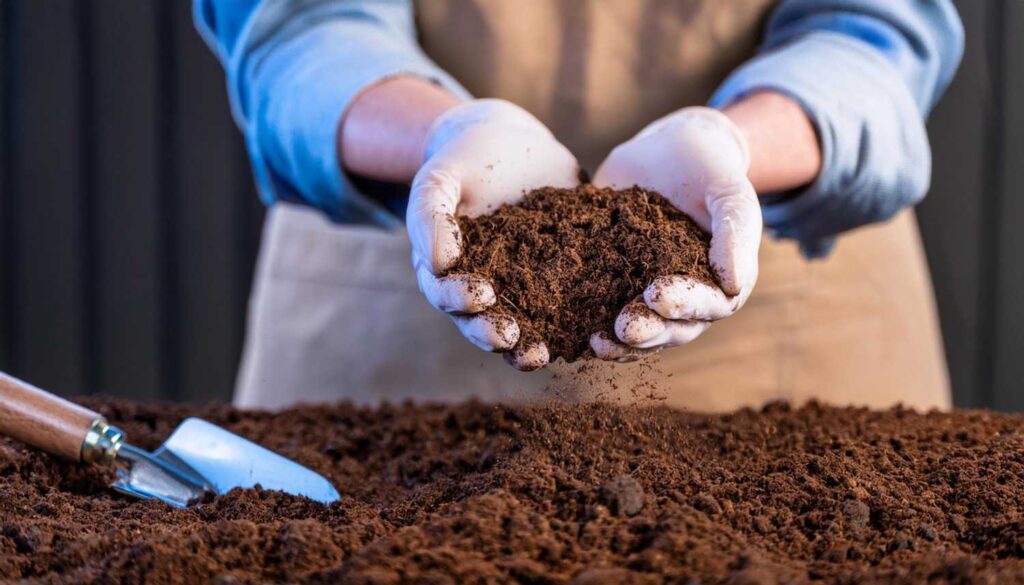
Organic fertilizers are derived from natural sources like compost, manure, and plant residues.
-
They are bulkier and slower-acting, providing nutrient replenishment over a longer period, typically throughout the season.
-
Their gradual release of nutrients helps improve soil health, fostering a healthier and more sustainable farming ecosystem.
-
Organic fertilizers can be expensive but offer long-term benefits by improving the overall quality of the soil and supporting better crop growth.
-
Regular use of organic fertilizers reduces reliance on synthetic fertilizers, which can degrade soil over time.
-
Using organic fertilizers in best practices can help maintain healthier and more productive farms, while being mindful to use them sparingly and only when needed.
Nutrient-Focused Fertilizers
Nutrient-focused fertilizers play a crucial role in providing the essential nutrients that plants need to thrive. These fertilizers are specifically formulated to target the core nutrients like nitrogen, phosphorus, and potassium—commonly known as NPK. Whether organic or synthetic, these fertilizers focus on delivering precise amounts of each nutrient to address specific deficiencies in the soil. From my experience in agriculture, using fertilizers with a targeted focus on these nutrients ensures that crops get what they need for optimal growth. By supplementing these core nutrients, plants can enhance their ability to absorb other vital elements, ultimately leading to healthier, more productive crops. Nutrient-focused fertilizers are an effective tool in maximizing yields and ensuring plants grow strong and resilient throughout the season.
Nitrogen-Based Fertilizers
-
Nitrogen-based fertilizers are essential for supporting plant growth by providing nitrogen, which helps produce chlorophyll for photosynthesis.
-
They enable plants to capture sunlight and convert it into energy, promoting stronger growth and better development of protein and amino acids.
-
Nitrogen fertilizers are especially beneficial for crops like legumes, peanuts, and soybeans, which need high levels of nitrogen.
-
Available in synthetic forms such as ammonium nitrate, urea ammonium nitrate, and natural sources like urine, these fertilizers enhance plant health and growth.
-
The right amount of nitrogen can help perk up stunted plants and boost their overall health, but overuse can harm the environment and the soil.
-
Nitrogen-specific fertilizers are designed to release nitrogen slowly, ensuring a steady supply throughout the seasons.
-
Rotating nitrogen-hungry crops with legumes can reduce the need for synthetic fertilizers, as legumes can fix nitrogen from the atmosphere into the soil.
Phosphorus-Based Fertilizers
-
Phosphorus-based fertilizers are vital for the development of roots, stems, and flowering in plants.
-
Phosphorus is crucial for seed development and fruit creation, supporting plants throughout their life cycle.
-
These fertilizers are slow-release, providing a steady supply of phosphorus over time, ensuring consistent growth.
-
Common phosphorus fertilizers include calcium superphosphate, triple superphosphate, and nitrophosphate , which are typically applied infrequently.
-
Water-soluble forms of phosphorus are easily absorbed by plants, especially when applied at the mid-cycle of their growth.
-
Phosphorus fertilizers are usually spread across the field before planting or around the root zone to provide the necessary support during key stages.
-
Over-application of phosphorus can harm plants’ health and disrupt soil quality, so it should be applied only when needed.
Potassium-Based Fertilizers
-
Potassium-based fertilizers are vital for root health and enzyme functions necessary for photosynthesis in plants.
-
Potassium acts as a backup nutrient, working alongside nitrogen and phosphorus to support overall plant growth.
-
Potassium fertilizer options include potassium chloride, muriate of potash, and potassium sulfate, each serving different crop needs.
-
Tall-growing grains like corn, rice, and wheat benefit from higher potassium levels for optimal growth.
-
On dry fields, potassium sulfate helps improve nutrient availability and plant resilience.
-
Smaller crops also benefit from potassium-based fertilizers, which improve stress tolerance and boost yield.
-
Potassium fertilizers are often part of mixtures, ensuring that plants get a balanced supply of necessary nutrients.
Multi-Nutrient Fertilizers (NPK)
-
Multi-nutrient fertilizers (NPK) are compound fertilizers that provide major nutrients like nitrogen, phosphorus, and potassium.
-
These fertilizers are formulated to deliver equal amounts of essential nutrients for balanced plant growth.
-
Using NPK fertilizers helps maintain soil health by supplying a comprehensive nutrient mix to plants.
-
Synthetic NPK fertilizers are commonly applied to the field either before planting or during the growth cycle to ensure adequate nutrient supply.
-
They are easy to spread, making them a convenient solution for enhancing crop yields and supporting overall plant development.
-
The versatility of multi-nutrient fertilizers makes them ideal for a wide range of crops, offering a simple solution to meet their nutrient needs.
Specialty Fertilizers
Specialty fertilizers are designed for particular cases, addressing specific plant needs or specialized fertilizers that target unique soil deficiencies. These are often used in unique farming situations where general-purpose fertilizers aren’t sufficient.
Micronutrients
-
Micronutrients are essential minerals needed in small amounts to support plant growth.
-
They include sulfur, magnesium, calcium, iron, zinc, copper, and boron.
-
These nutrients are often added in compound fertilizers to address deficiency in plants.
-
Micronutrients help enhance the effectiveness of NPK fertilizers by aiding in processes like photosynthesis and enzyme activation.
-
Adding the right balance of micronutrients ensures healthy, balanced growth and prevents nutrient imbalances in plants.
Slow-release
-
Slow-release fertilizers provide nutrients over an extended period, unlike synthetic fertilizers that act quickly.
-
These fertilizers are often coated with resins or polymers to gradually release nutrients, offering a steady supply.
-
Organic fertilizers like manure also function as slow-release, benefiting soil health and reducing nutrient loss.
-
Ideal for planting situations where consistent, long-term nutrition is required.
-
Particularly useful in drought-prone areas, as they reduce the risk of nutrient leaching during dry spells.
Spikes and Tablets
-
Spikes and tablets are efficient fertilizers designed for targeted nutrient delivery.
-
They provide a slow-release method, ensuring nutrients are available over an extended period.
-
Ideal for farmers working with smaller plots or those seeking convenience and reduced maintenance.
-
These options are inserted into the ground near the root level, offering a more controlled feeding process.
-
Spikes are placed around plants, while tablets dissolve gradually, providing a consistent nutrient supply.
-
Spikes and tablets are particularly effective for commercial operations or home gardeners who prefer a hands-off approach to fertilization.
-
These methods reduce the need for direct fertilizing methods, simplifying the fertilization process for plants.
Liquid Fertilizers
-
Liquid fertilizers are fast-acting, providing quick pick-ups of nutrients for plants.
-
Highly soluble, they are absorbed rapidly by the plants through both roots and leaves.
-
Ideal for plants that need immediate nutrient replenishment, especially during stress or growth spurts.
-
Prone to evaporation and runoff, especially in conditions with moderate sun or rain, making timely application crucial.
-
Best applied when weather conditions are stable to prevent nutrient loss and ensure efficient absorption.
Foliar Fertilizer
-
Foliar fertilizers are applied directly to the leaves, bypassing the soil and roots.
-
Effective for plants struggling with nutrient uptake, promoting rapid nutrient absorption.
-
Helps stimulate flower growth, fruit growth, and seed growth, enhancing plant development.
-
Ideal for providing a quick nutrient boost, especially during critical growth phases.
-
Inorganic foliar fertilizers provide fast results, but overuse can cause scorching and harm to the plant.
-
Best used on mature plants needing extra nourishment, with caution to avoid damage from excessive application.
Choosing the Right Fertilizer for Your Plants
In today’s world of efficient farming, where the growing human population demands more food, it is crucial for modern farmers to make smart decisions about fertilizers. A major issue that many face is balancing short term growth with the long-term health of the soil. Proper soil testing is the key to determining the nutrient content and ensuring that the specific ratios of NPK (nitrogen, phosphorus, and potassium) are tailored to meet the needs of your crops. Whether you’re cultivating leafy greens or flowering plants, adjusting the nitrogen and phosphorus levels can make a big difference in your yield.
When selecting the right fertilizer, consider whether to use natural fertilizers or synthetic fertilizers. While synthetic fertilizers offer a quick-fix solution with fast results, overuse can lead to long-term problems like deteriorating soil health and environmental impact due to runoff. On the other hand, natural fertilizers are more ecologically sustainable and may offer long-term benefits for the soil, but they might be slower in showing results. A combined approach using both types, along with techniques like crop rotation, can increase the effectiveness of your fertilizer regimen while maintaining soil health over time.
It is important to focus on balanced fertilization, considering both the short term needs of your crops and the long-term health of the land. By using specific ratios of NPK, understanding the nutrient content of your soil, and making informed decisions, you can optimize both the growth of your crops and the health of your land for future generations.
In conclusion, understanding the types of fertilizers and their appropriate use is essential for achieving healthy crops while maintaining soil health and environmental sustainability. Whether opting for synthetic fertilizers for quick-fix solutions or choosing natural fertilizers for long-term benefits, it’s crucial for farmers to adopt a balanced approach. Techniques like soil testing, adjusting NPK ratios, and incorporating crop rotation help optimize fertilizer use, ensuring that plants receive the necessary nutrients at every stage of growth. By considering both short term and long-term health factors, farmers can improve crop yields while promoting an ecologically sustainable farming system.
FAQS
What are 5 Fertilizers?
When it comes to phosphorus fertilizers, some common types include single superphosphate (SSP), triple superphosphate (TSP), monoammonium phosphate (MAP), di-ammonium phosphate (DAP), and ammonium polyphosphate liquid. These fertilizers are essential for promoting root development and flowering plants. From my experience, choosing the right phosphorus fertilizers ensures optimal nutrient delivery for plant growth.
What are the different types of urea fertilizer?
Urea fertilizer comes in various forms, each with a different release mechanism. Prilled urea is quick-dissolving, while granular urea is slower-dissolving. For more controlled-release, coated urea and liquid urea solutions like urea ammonium nitrate (UAN) are used for precision application. Nano urea, in liquid form, offers a highly efficient and low-volume application for targeted nutrient delivery.
What are the two names of fertilizers?
Urea and DAP (Diammonium Phosphate) are two common types of fertilizers widely used in agriculture. Urea is a high-nitrogen fertilizer that supports rapid growth, while DAP is rich in both phosphorus and nitrogen, promoting strong root development and flowering. These fertilizers are crucial for ensuring that plants get the essential nutrients they need for optimal growth.
What is synthetic fertilizer?
Synthetic fertilizer is an inorganic, chemical product manufactured through industrial processes and chemical reactions. These fertilizers are rich in essential nutrients like nitrogen, phosphorus, and potassium (N-P-K), providing quick-acting nutrients for rapid growth. While they offer fast results, overapplied synthetic fertilizers can negatively impact soil structure, leading to runoff and plant burn.