When the growing season of summer begins to wind down, it’s the perfect opportunity to focus on fall-harvested vegetables. The cooler temperatures of mid-to-late summer offer a second chance to plant and grow varieties that thrive in these conditions. By choosing the right varieties, you can ensure a better and more abundant fall harvest later in the year. It’s amazing how many spring-harvested vegetables can mature and flourish with just a little extra care during this time. Many gardeners overlook how well some vegetables can handle the shift in seasons, but those fall-harvested vegetables often end up producing the most flavorful crops. As the vegetable garden takes shape, it becomes evident that planning for these later months offers an exciting opportunity to expand what you can grow in your garden. I’ve personally seen how planting these crops at the right time not only helps me maximize my yields but also adds a delightful new variety to my meals as the seasons change.
FALL VEGETABLES
1.PUMPKINS
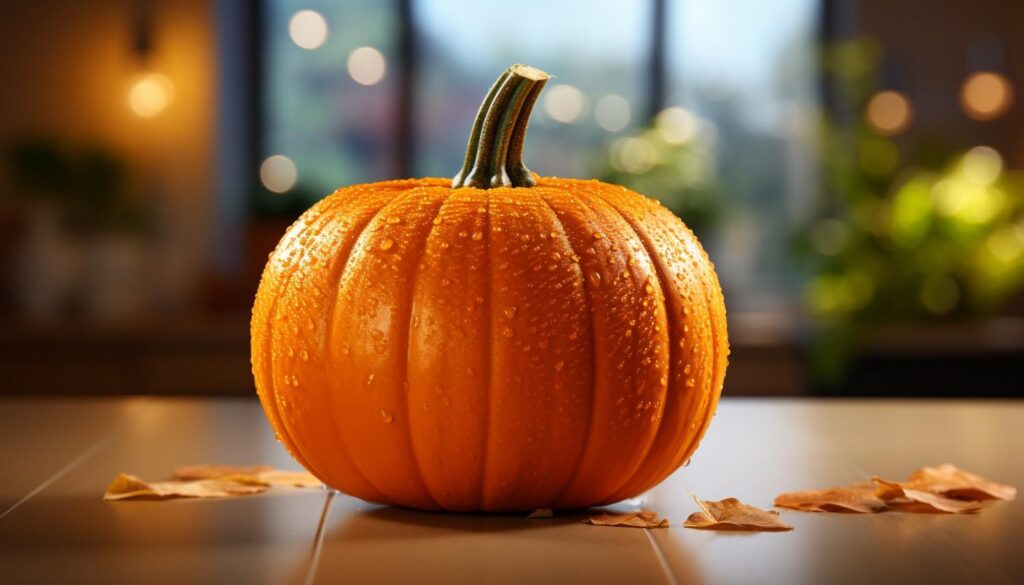
When it comes to fall vegetables, pumpkins are undoubtedly one of the most iconic and versatile choices. They come in a range of colors and sizes, from the classic orange Jack-o-lantern variety to smaller ones like Baby Pam and those with thicker flesh ideal for eating. I’ve personally enjoyed experimenting with different varieties, such as the delicious Long Pie pumpkin, known for its sweet, dense flesh that makes for perfect pie filling. Whether you grow them on sprawling vines that can stretch up to 30 feet or on trellises to save space, pumpkins thrive in ample growing space, with some requiring square feet of area to flourish. Their thick skin makes them resilient against pests and the changing weather, while the inside flesh is what we savor. Growing pumpkins requires attention, but the payoff is well worth it, offering a bounty that can be used for decorations, cooking, and even in fun fall activities.
2.WINTER SQUASH
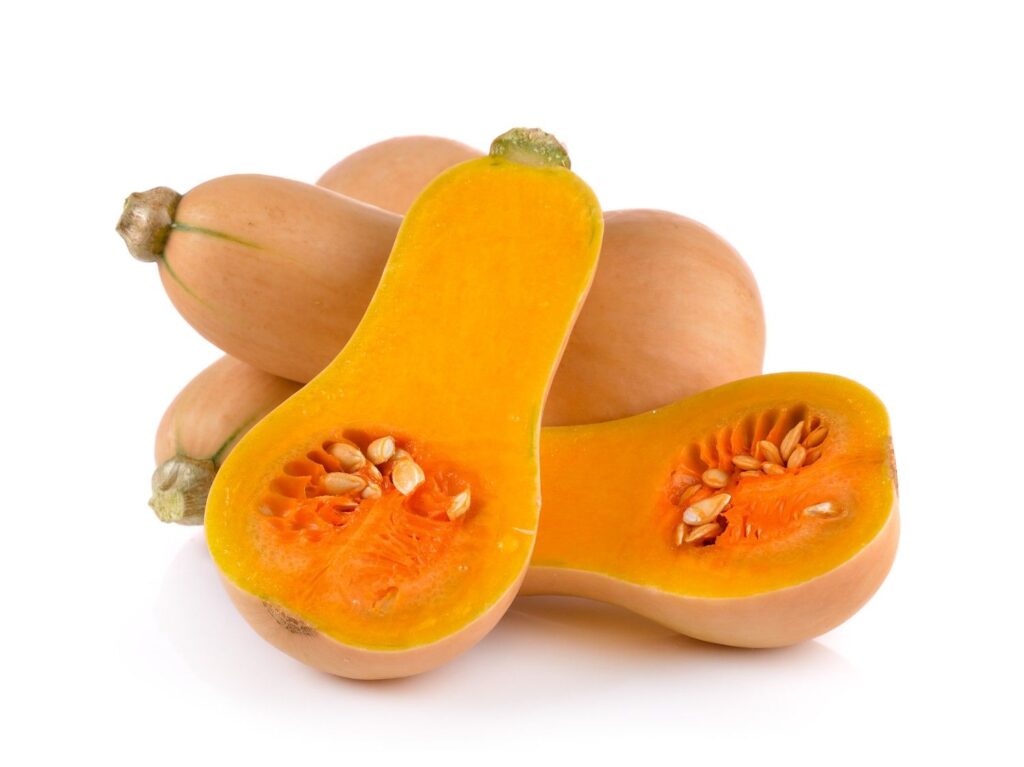
One of the great joys of fall vegetables is the variety of winter squash available, perfect for storing through the colder months. These squashes are not only delicious but also incredibly easy-to-store, maintaining their vitamin value when kept in cool temperatures for months. From the rich, nutty flavor of butternut squash to the iconic acorn and the stringy texture of spaghetti squash, there is something for every taste and culinary need. In her book Homegrown Pantry, Barbara Pleasant recommends these varieties as they thrive in cooler weather and can be enjoyed long after harvest. I personally find that winter squash is a staple in my kitchen, especially for hearty soups and roasted dishes during the fall. Their ability to hold up well in storage makes them an invaluable addition to the fall harvest, offering a comforting taste of the season well into winter.
3.BEETS
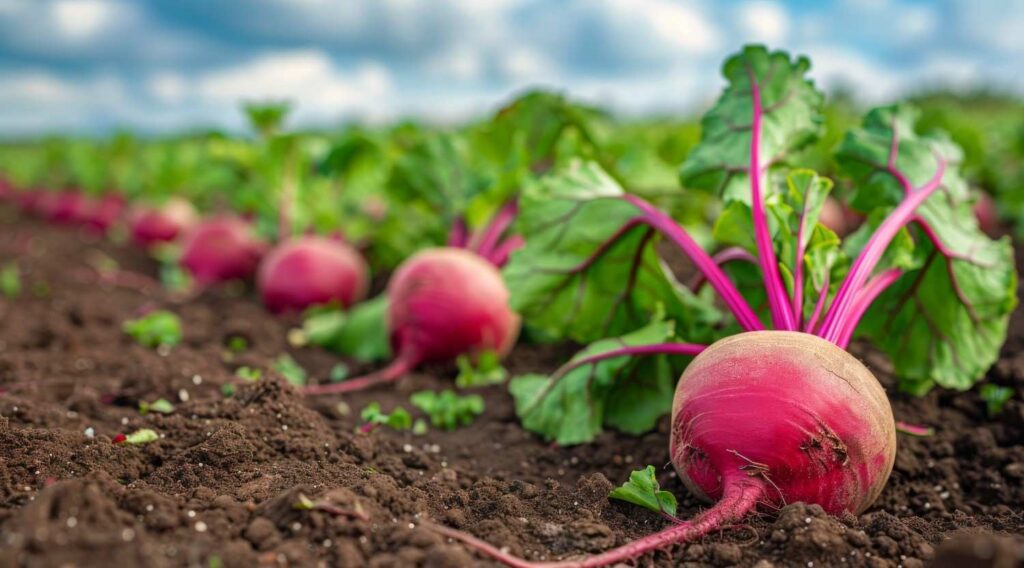
Beets are one of the most rewarding fall vegetables to grow, especially when you start them early in summer and provide them with shade cover to protect them from the heat. As the season shifts and the cooler soil temperatures arrive, beets begin to thrive, maturing into their full, earthy sweetness. These vegetables handle the fall temperatures well, and even a light frost can enhance their flavor, making them noticeably sweeter. I’ve found that planting beets in the right conditions allows them to grow robustly, often well past the first hard freeze of winter. They’re versatile too—whether you enjoy them roasted, boiled, or in a fresh salad. The best part is how easy it is to store them. After harvesting, they can be kept in the refrigerator or even pickled and canned for longer preservation, allowing you to enjoy their vibrant color and unique taste well beyond the growing season.
4.CARROTS
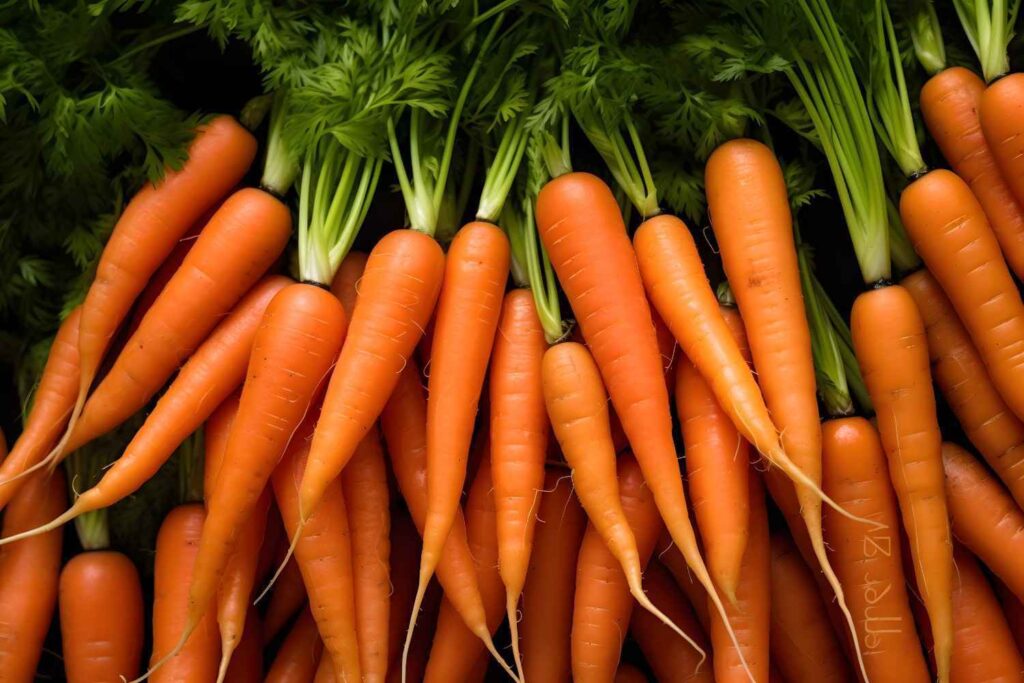
Growing carrots alongside beets is always a rewarding experience, especially when the soil begins to cool in the fall. Carrots thrive in the cooler fall soil, where they can mature slowly, becoming sweeter as the temperature drops. I’ve noticed that leaving them in the ground a little longer can often result in the sweetest carrots, especially if they’re of the orange types. It’s best to harvest them when they’re fully mature, allowing the roots to develop their full flavor. Once harvested, they can be easily stored in the refrigerator for up to 3 months, providing a crisp, fresh taste even in the heart of winter. I’ve learned that the longer carrots are left in the soil, the better the flavor, as they seem to develop even more sweetness when they are allowed to stay in the ground until the best time for pulling. There’s something deeply satisfying about the process, and the taste is always worth the wait.
5.BRUSSELS SPROUTS
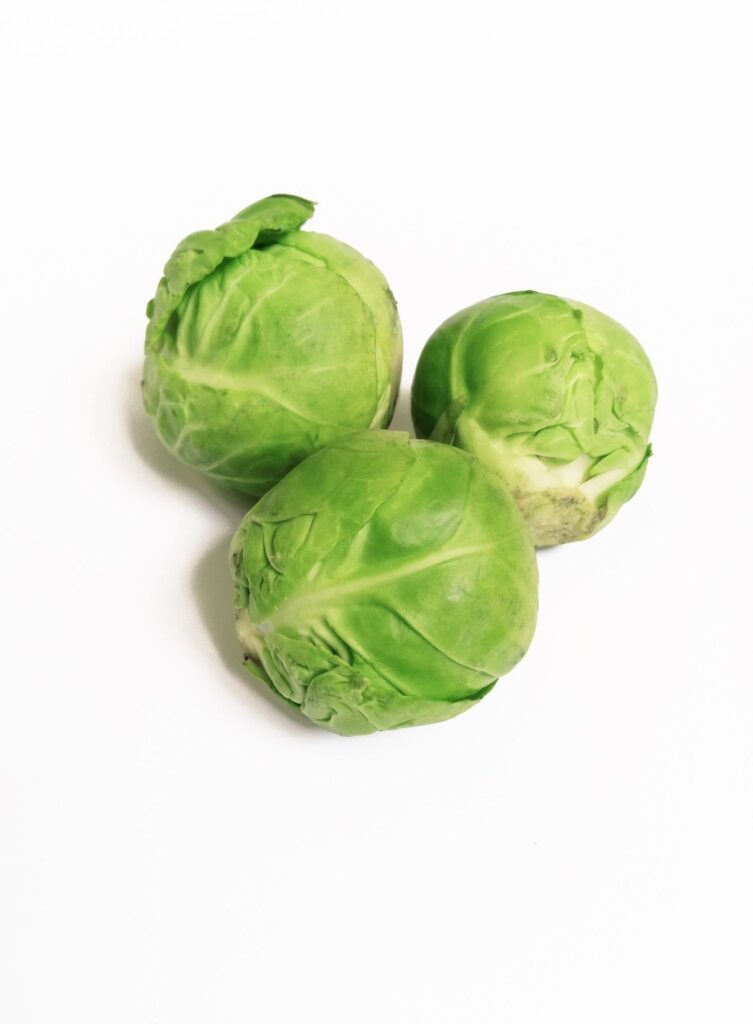
Brussels sprouts are a unique vegetable that I always look forward to growing in fall, often being the last veggie standing before winter sets in. These little cabbages are fun to grow, as they develop from the bottom up, with the smaller sprouts forming at the bottom of the stalk and the larger ones appearing toward the top. I’ve found that planting them near marigolds and nasturtiums not only brightens up the garden but also helps to repel cabbage moths and aphids, keeping my crop healthier. The best time to harvest is when the sprouts are firm and green, and they tend to do well in the cooler fall and winter months, making them a perfect addition to my seasonal dishes.
6.BROCCOLI
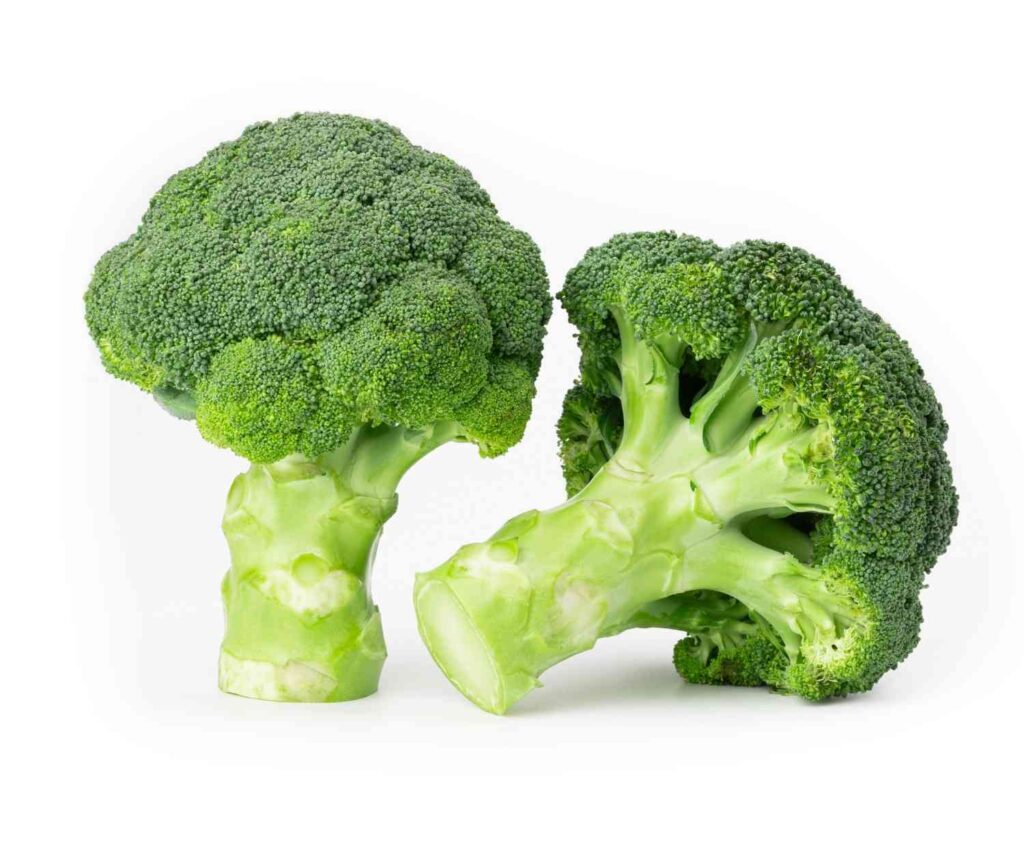
Growing broccoli has been one of my favorite experiences in the fall garden, especially when I start with seedlings in late summer. These plants can be a little tricky because they often require a bit more attention, as they tend to take longer to mature than some other fall crops. To get the best results, I’ve learned that starting seeds a bit earlier and transplanting them by mid-summer gives them the time they need to thrive. Broccoli can handle light frost, but I’ve found that waiting until after the first hard freeze makes them taste even sweeter. However, the risk of random freezes means that timing the harvest correctly is crucial; broccoli should be harvested before the weather gets too cold, especially if you want to avoid the plants suffering.
7.POTATOES
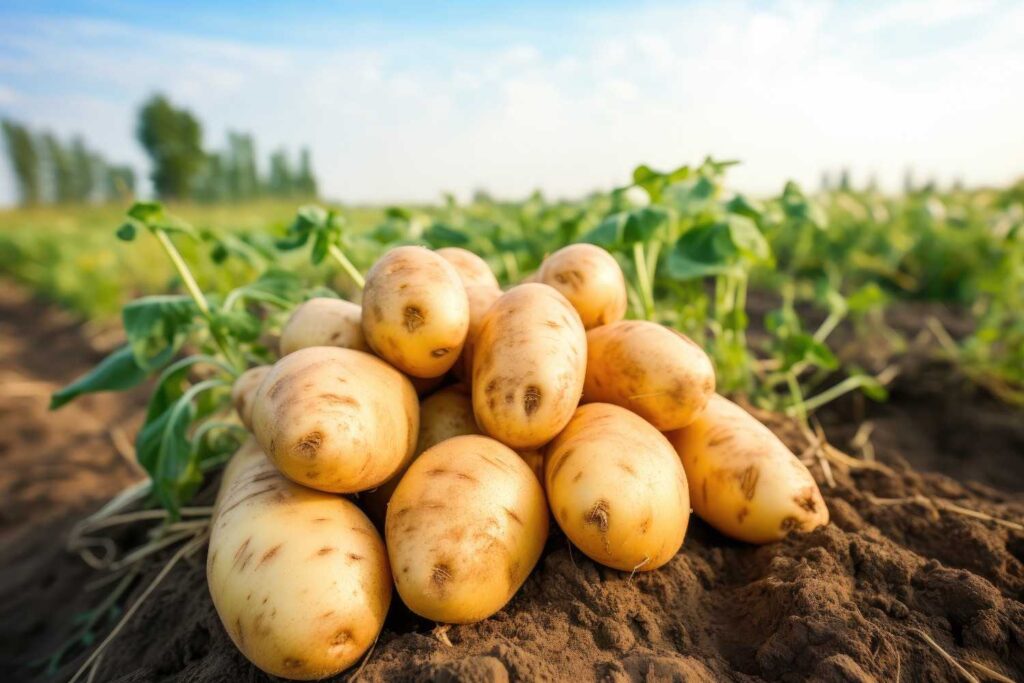
When I grow potatoes, I prefer to choose fast-maturing varieties to ensure a timely harvest, and I always opt for certified seed potatoes rather than grocery store potatoes, as the latter can be treated with growth inhibitors and may carry diseases. It’s essential to avoid planting them in the same beds where I’ve grown nightshades like tomatoes, peppers, and eggplant in the past 2 years, or even other potatoes, as this can increase the risk of soil-borne diseases. I usually pair them with cucumbers, pumpkin, or squash, as these crops are less likely to harbor the same issues.
8.CAULIFLOWER
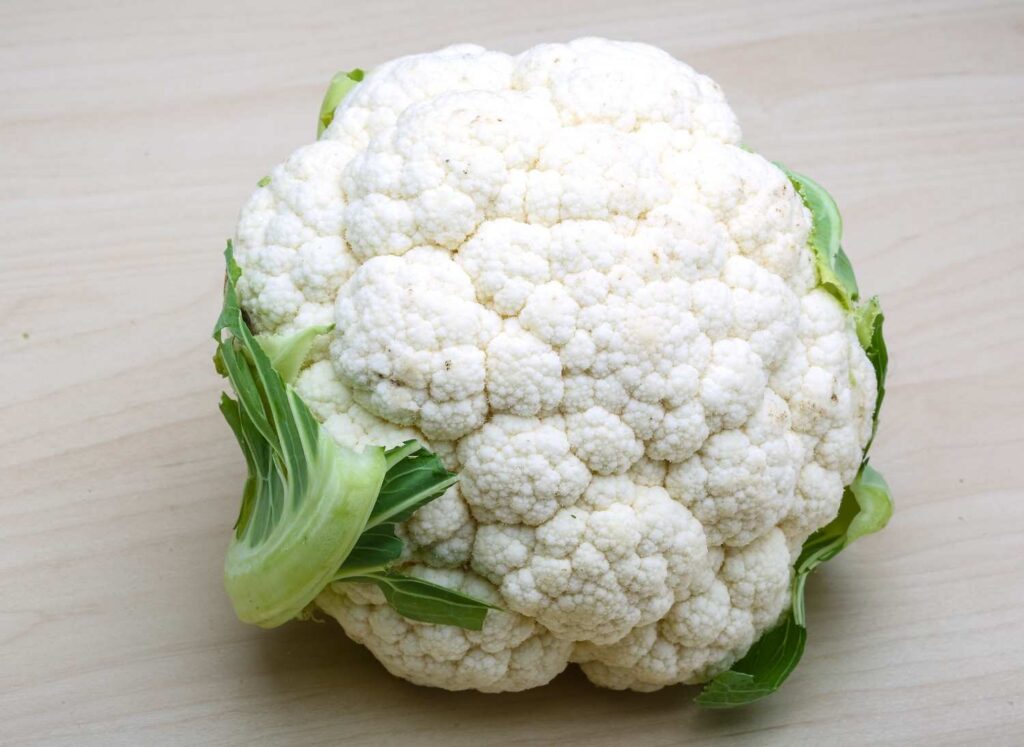
Cauliflower is one of the most rewarding fall vegetables I’ve grown, as it produces tight, tender heads when planted correctly. It thrives extremely well when you start the fall crop early. I’ve learned that planting seeds started indoors and transplanting the seedlings by mid-to-late summer ensures they have enough time to mature. Cauliflower does take a bit longer to mature, so it’s important to start earlier than you might with other crops. With careful planning and timing, these plants are ready for harvest in the fall, making them a perfect addition to the garden during this time.
9.ARUGULA
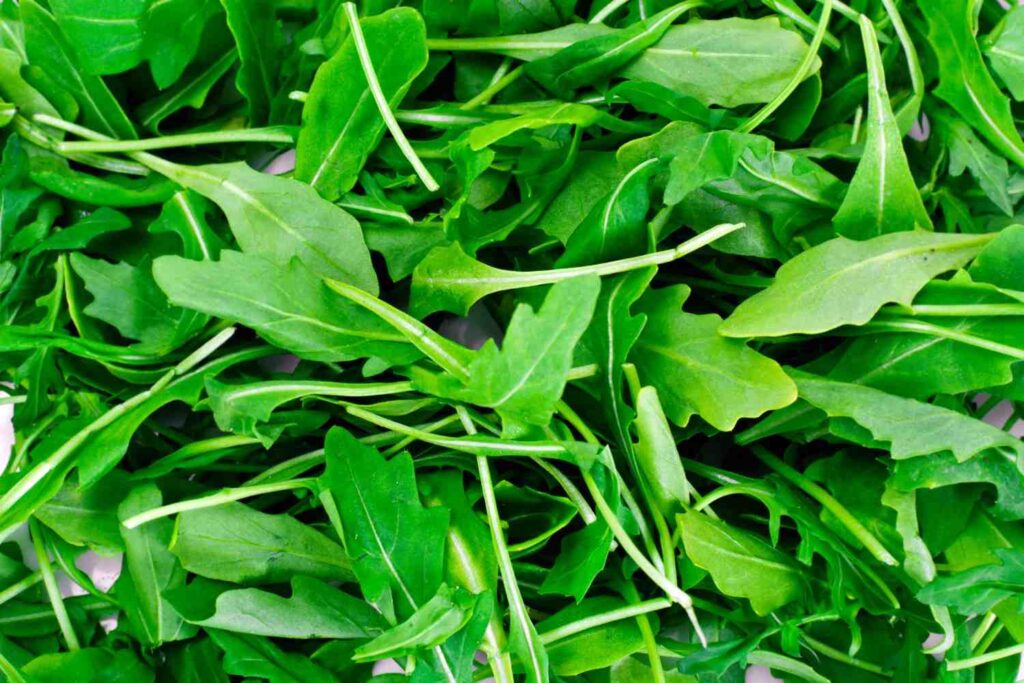
I’ve always found arugula to be a quick and rewarding addition to the fall garden. While it’s often grown in spring for its warm weather tolerance, I’ve noticed that it does even better when the cooler temperatures of fall arrive. The leaves tend to mature slower and develop a more robust flavor in these conditions. Unlike the rapid bolt of spring, when arugula flowers and sets seed, the cooler fall environment allows it to stay productive for a longer period. Planting it now gives me fresh, peppery greens to enjoy long after the hot weather fades.
10.BUSH BEANS
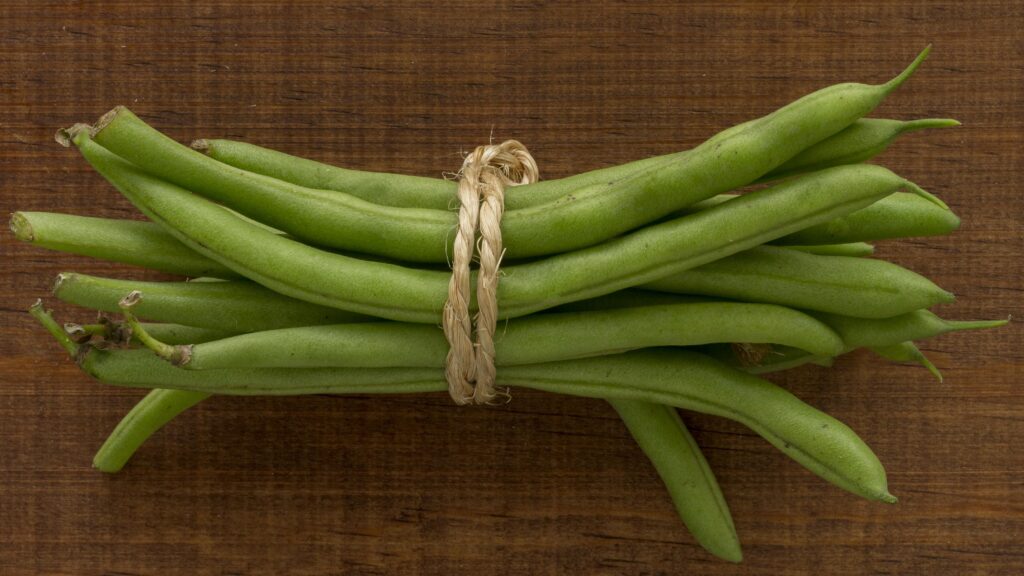
I’ve always enjoyed growing bush beans, especially in the cooler temperatures of fall. Unlike pole beans, which require more support to climb, bush beans grow compactly and quickly, making them a perfect choice for this time of year. These beans produce in just days, and I’ve found they thrive in soil lacking in nitrogen, as they naturally fix nitrogen from the air into the soil, offering great nitrogen-boosting benefits. Planting these beans provides a quick harvest before the season ends, and their varieties are well-suited for a fall crop that doesn’t need to be tilled like other plants.
11.CUCUMBERS
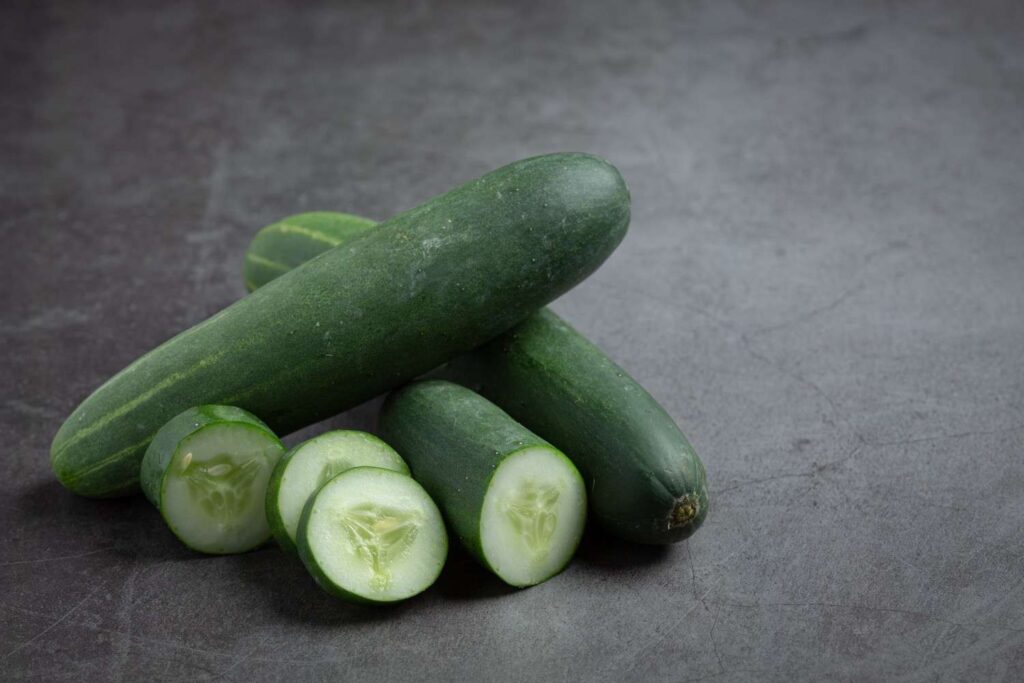
Cucumbers are a great addition to the fall garden, especially if you’re aiming for a second batch after the summer crop. I’ve learned that planting them in mid-to-late summer gives them the perfect amount of time to mature before the cooler weather sets in. To maximize space and make it easier to pick, I always raise them on a trellis, which not only keeps the vines organized but also allows the cucumbers to grow in a more manageable way. Planting them alongside dill is an excellent combination, as it complements the pickling process, providing fresh supply for jars throughout the fall, especially when the harvest is low in other areas. This method ensures a steady crop, even when it’s getting colder.
12.PARSNIPS
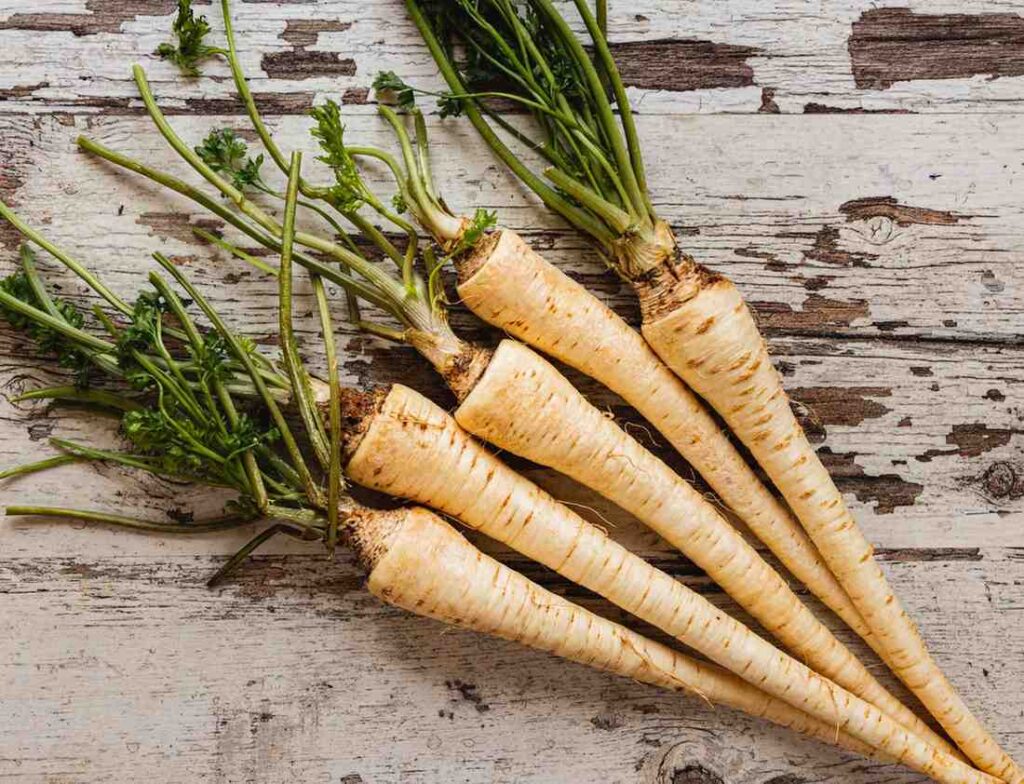
Parsnips are a fantastic root vegetable to include in your fall garden. They’re a bit slow to germinate, so I’ve found it’s best to get them started early by soaking the seeds in a damp paper towel before planting. Once they’re in the ground, they can stay there, even as the freezes set in, which helps enhance their flavor. When you’re ready to dig them up, if you want to keep them fresh for the winter, storing them in the refrigerator works great
13.RADISHES
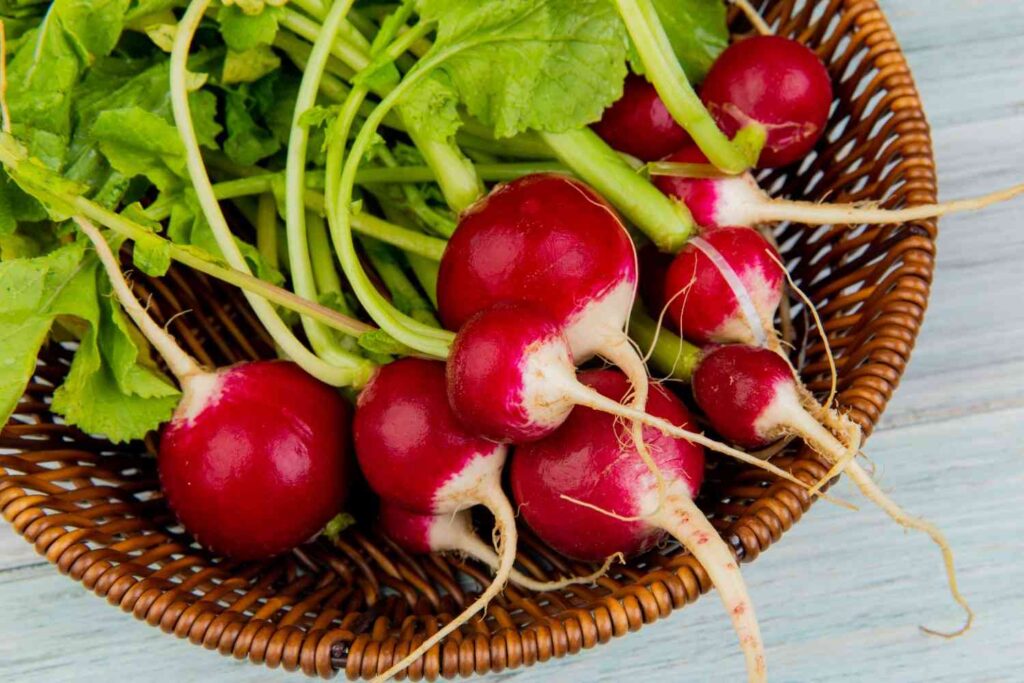
I’ve always enjoyed adding radishes to my fall garden as they grow quickly, making them perfect for succession planting alongside carrots and beets. Unlike the longer-growing root vegetables, radishes are ready in just a few weeks, offering a fresh burst of flavor in no time. They can be harvested in rounds, ensuring a steady supply throughout the fall. The crispness of a freshly harvested radish is a treat, especially when I toss them in a roasting pan to spin with olive oil, adding a savory twist to a fall meal. I love how they can handle harsh conditions and still thrive, providing a welcome addition to the garden and the kitchen even when other crops are winding down.
14.SPINACH
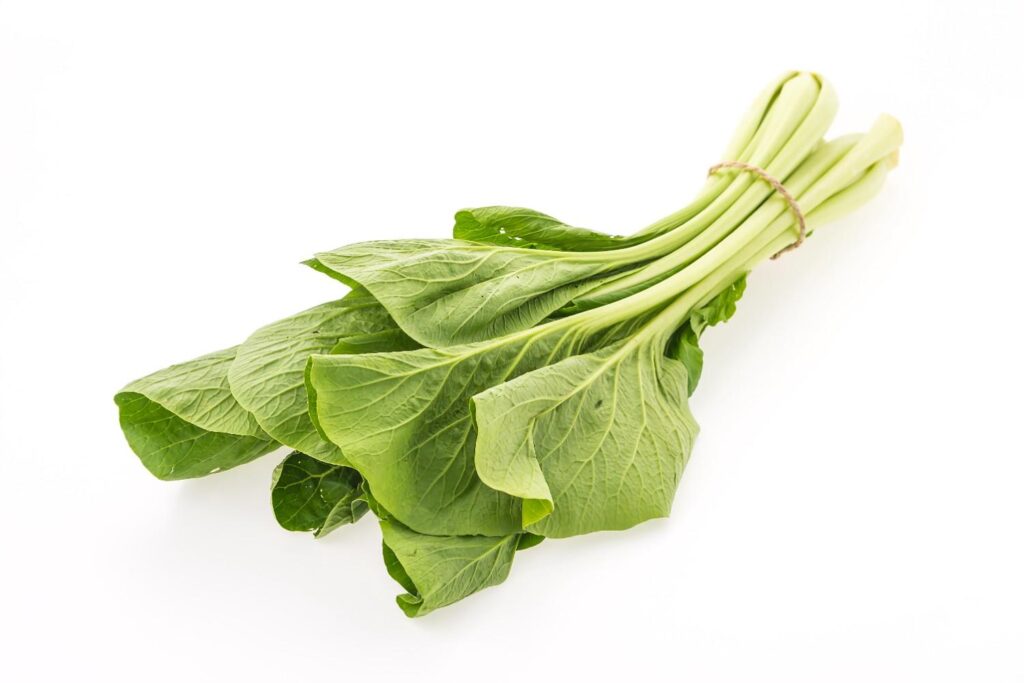
I love adding spinach to my fall garden, especially since it’s such a cold-tolerant salad green that thrives in the cooler temperatures of fall. Spinach tends to have better germination rates when planted in mid-to-late summer, giving it enough time to establish in the warmer soil before the weather cools down. As it matures, the leaves become more tender and tastier, perfect for salads or adding to cooked dishes. I often plant a batch of spinach alongside radishes, as they grow at similar speeds, and both can tolerate a light frost. Within just a few weeks, I can begin harvesting fresh, vibrant greens that will last me well into winter, offering a nutritious addition to meals even as the growing season winds down.
15.ZUCCHINI AND YELLOW SQUASH
Zucchini and yellow squash are both squashes that I love to grow in the fall, especially since they have a tendency to grow so rapidly. When planted in mid-to-late summer, they usually take about 60 days to reach full maturity, making them a quick and rewarding crop. I’ve found that harvesting them when they’re around 6-8 inches long keeps them fresh, tender, and packed with flavor. If I wait too long, they can quickly become overgrown and lose their best qualities, so it’s important to pick them at just the right time for optimal taste. These squashes are a perfect addition to the fall garden, and I often plant them in a batch to ensure I have a continuous supply throughout the season.
Suggestions for launching your autumn vegetable garden.
What to plant
With a limited growing season in fall, it’s important to choose faster maturing varieties of vegetables that can thrive within the limited days before the colder weather sets in. I’ve learned to select crops that have a shorter growing season to ensure they mature in time, usually within days, making them perfect for this time of year. Planting maturing varieties early gives them a better chance to grow and produce before the weather turns.
Calculate growing time
To calculate growing time for fall vegetables, I always check the maturing time on seed packets and add 2-3 weeks to account for cooler days. With the shorter days and cooler temperatures, plants tend to take longer to mature, so I make sure to adjust the growing time accordingly to ensure they have enough time to mature before the end of the growing season.
Determine when to plant
To determine when to plant, I always start by finding the estimated first frost date for my area. Then, I subtract the estimated growing time of the vegetables from the frost date to calculate the plant time. This way, I ensure the crops have enough time to grow and mature before the first frost hits.
Amend the soil
To ensure my fall vegetables grow healthy and strong, I always amend the soil by adding compost and fertilizer. After the summer crops have been grown, the soil can become depleted of nutrients, so it’s important to replenish it. I typically use a mix of compost and fertilizer application to restore vital nutrients, helping the soil bounce back for the next round of planting. This soil amendment is crucial for supporting the crops grown in the fall, ensuring they have the necessary resources to thrive.
Succession plant
One of the best techniques for extending my fall vegetables harvest is succession planting. I often plant fast growers like lettuces, carrots, and radishes in succession, allowing me to stagger the harvest over a longer period. By carefully timing the succession planting time, I ensure that the harvest time for each crop is spaced out, maximizing the yield from my garden. These fast-growing crops allow me to keep fresh produce on hand, even as the cooler weather sets in.
Companion plant
I love companion planting in my fall vegetables garden, as it allows me to help my plants thrive naturally. For instance, certain companion plants can boost growth and even deter pests. I’ve found that planting companion plants near crops like lettuces or carrots can help plants by attracting beneficial pollinators while keeping harmful insects away. The right plants will attract pollinators, which in turn improves the health of the entire garden. It’s amazing how companion planting can create a more harmonious and productive growing environment, making each plant work together.
Add mulch
As the late summer heat begins to fade, I always add a mulch layer around my fall vegetables to protect plants from the remaining heat. This insulating mulch helps to maintain a cool root zone, holding moisture and providing heat insulation through the changing seasons. It’s especially effective in keeping the soil temperature stable and preventing the summer heat from stressing the plants, ensuring they stay healthy as they grow into the cooler months.
In conclusion, planting fall vegetables offers an exciting opportunity to extend the growing season and enjoy a diverse array of crops that thrive in cooler temperatures. By selecting the right varieties and using techniques like succession planting, companion planting, and soil amendment, gardeners can ensure a bountiful harvest that adds flavor, color, and nutrition to their meals throughout the fall and into the winter. Whether it’s the sweetness of beets, the versatility of pumpkins, or the hearty comfort of winter squash, these fall-harvested vegetables not only enrich the garden but also bring a satisfying variety to the table as the seasons change. Proper timing and care in planting are key to making the most of this rewarding season.