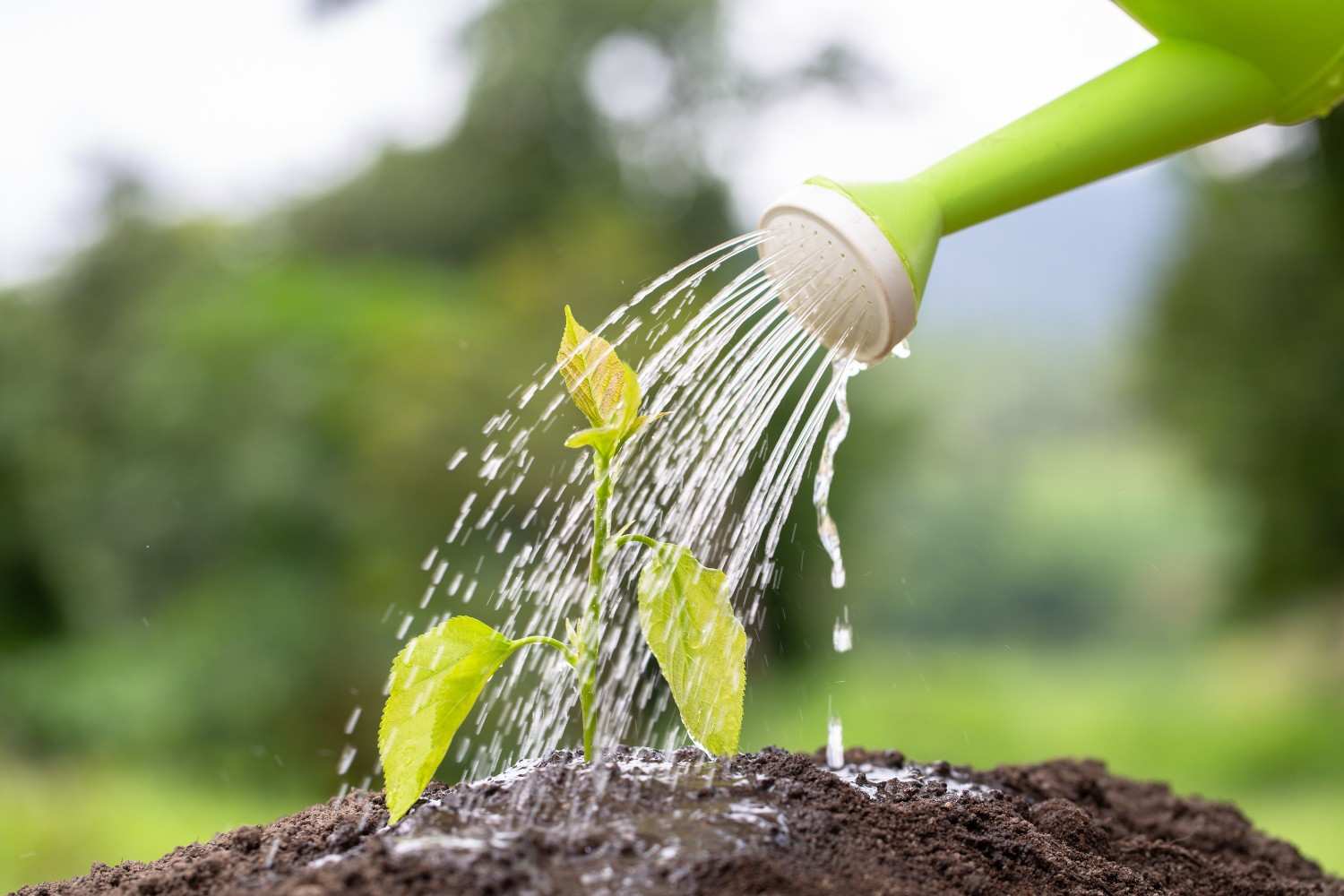
When it comes to watering plants, the dos and don’ts are crucial for their health. From personal experience in gardening, I can say that understanding how to water your plants is vital to their well-being. It’s not just about how much water you give them, but also when, where, and the essential techniques. Overwatering can lead to root rot and disease, while underwatering causes stress and, eventually, death.
For outdoor beds, especially with ornamental shrubs, water deeply but less frequently. This helps roots grow deep and strong, protecting them from incorrect practices like frequent shallow watering. On the other hand, indoor houseplants have different needs depending on the environment. For instance, a plant near a sunny window requires more frequent watering than one in low light.
Table of Contents
ToggleEssential Watering Plants Tips for Fast & Thriving Growth
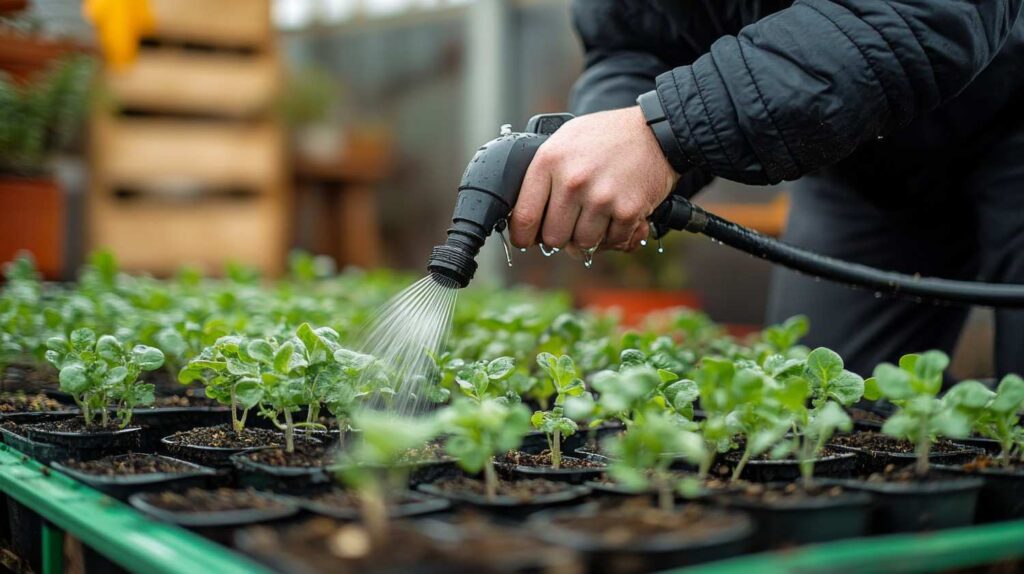
A common mistake I see is watering at the wrong time, particularly midday when water evaporates quickly. It’s better to water early in the morning or late in the evening, giving the soil enough time to absorb the moisture. Another mistake is not adjusting watering according to the season. During the warmer months, plants need more water, while in cooler weather, they require less.
Finally, cultivating vibrant greenery requires proper drainage. Avoid waterlogging your plants by ensuring their containers or garden beds drain well. Proper watering helps your plants flourish and adds to the overall beauty of your home or garden. By understanding the specific needs of your plants, you can create a healthy environment both indoors and outdoors.
Understanding the Basics: Why Proper Watering Matters
When it comes to watering plants, it’s essential to understand that each plant species has unique requirements based on its habitat, soil type, and the environmental conditions it thrives in. Over the years, I’ve realized that improper watering – whether overwatering or underwatering can severely affect a plant’s ability to survive. For example, overwatering can drown the roots, leading to poor nutrient uptake and weaker root strength, while underwatering can cause dehydration and stress. The goal is to strike a balance, ensuring that plants receive the right amount of water to develop strong roots and resist disease. This balance varies from plant to plant, as each has different needs. Some thrive in moist, well-drained soil, while others are adapted to dry conditions. By learning to identify these needs and adjusting water practices accordingly, we can help our plants thrive, ensuring they receive the hydration necessary for optimal growth and health.
The Dos of Watering Plants
1. Water early in the morning
-
Best time to water your garden plants is in the morning, before the sun heats up.
-
Cooler temperatures reduce evaporation, allowing water to reach the roots more effectively.
-
Ensures plants have time to absorb the water and stay hydrated throughout the day.
-
Avoids the loss of water due to evaporation, which happens when watering in the afternoon.
-
Late afternoon watering can leave moisture on the leaves too long, increasing the risk of fungal growth.
-
Night watering should be avoided as it can promote plant diseases by leaving water on the foliage overnight.
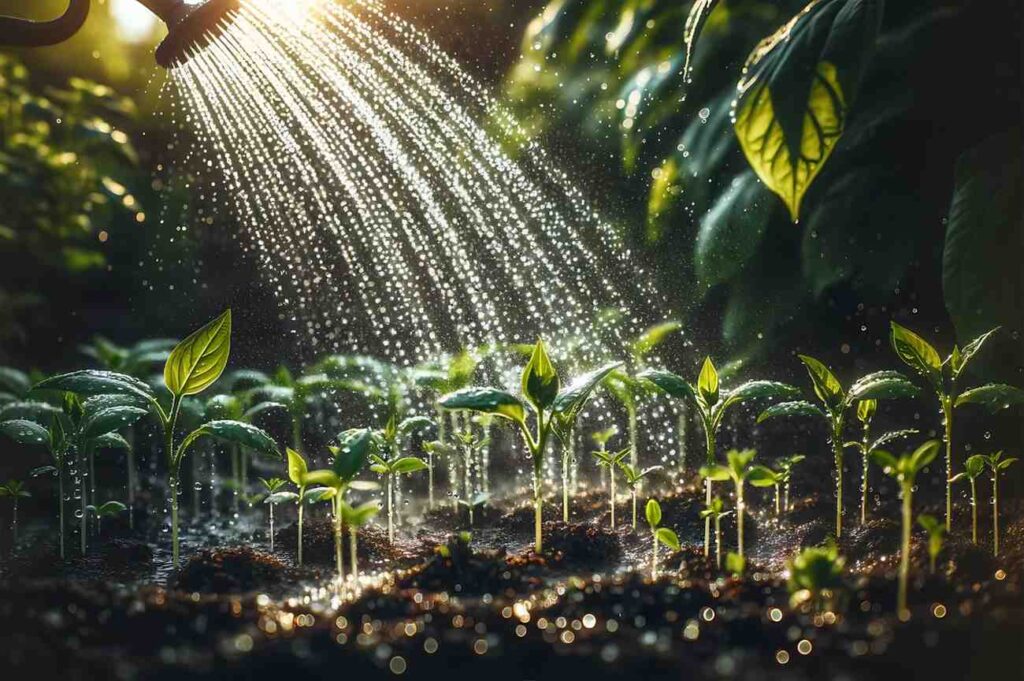
2. Focus on the roots, not the leaves
-
Roots are where plants absorb water, so it’s crucial to water them at the base of the plant.
-
Watering the leaves does not provide effective hydration to the plant’s root systems.
-
Focusing on the roots ensures more efficient water distribution to promote growth.
-
Watering the foliage can increase the risk of fungal diseases, as moisture on the leaves creates a conducive environment for growth.
-
Directing water to the roots helps the plant develop stronger, healthier root systems, reducing the chances of diseases.
3. Water deeply and thoroughly
-
Shallow watering leads to weak, shallow roots that struggle to access water deep in the soil.
-
Water deeply to encourage strong, resilient root systems that can withstand various conditions.
-
Most plants need about 1 inch of water per week, depending on plant type and climate.
-
Deep watering ensures moisture reaches the roots, providing essential hydration for healthy growth.
-
Shallow watering only moistens the surface, leaving the roots undernourished and vulnerable.
4. Check soil moisture first
-
Test the soil moisture before watering to ensure your plants need it.
-
Use your finger to check the top inch of the ground or a soil moisture meter for more accuracy.
-
If the soil feels dry, it’s time to water; if it’s still wet, wait a day or two.
-
Regularly checking soil moisture helps prevent overwatering or underwatering, promoting healthy plants.
-
Monitoring wetness at different depths ensures that water reaches the roots effectively.
5. Use Room Temperature Water
-
Cold or hot water can cause shock to the plant roots, leading to potential damage.
-
Cold water can freeze the root system, hindering nutrient uptake.
-
Hot water can burn the roots, causing them to die or become weak.
-
Use water at room temperature to keep the plant from experiencing stress.
-
Watering with room temperature water creates a stable environment for the roots, promoting healthy growth.
6. Use Mulch to Retain Moisture
-
Mulch helps reduce water loss by minimizing evaporation.
-
Keeps moisture in the root zones, ensuring consistent hydration.
-
Helps cool the soil and suppress weeds that compete for nutrients.
-
Prevents crusting on the surface, allowing water to penetrate more easily.
-
Maintains soil structure, improving water distribution and promoting healthy growth.
7. Group Plants with Similar Watering Needs
-
Cluster plants with similar water requirements to simplify watering.
-
Helps every plant get the proper amount of water it needs.
-
Reduces the risk of over-watering some plants and under-watering others.
-
Helps create a healthier environment by grouping plants that thrive in similar moisture levels.
8. Consider Drip Irrigation or Soaker Hoses
-
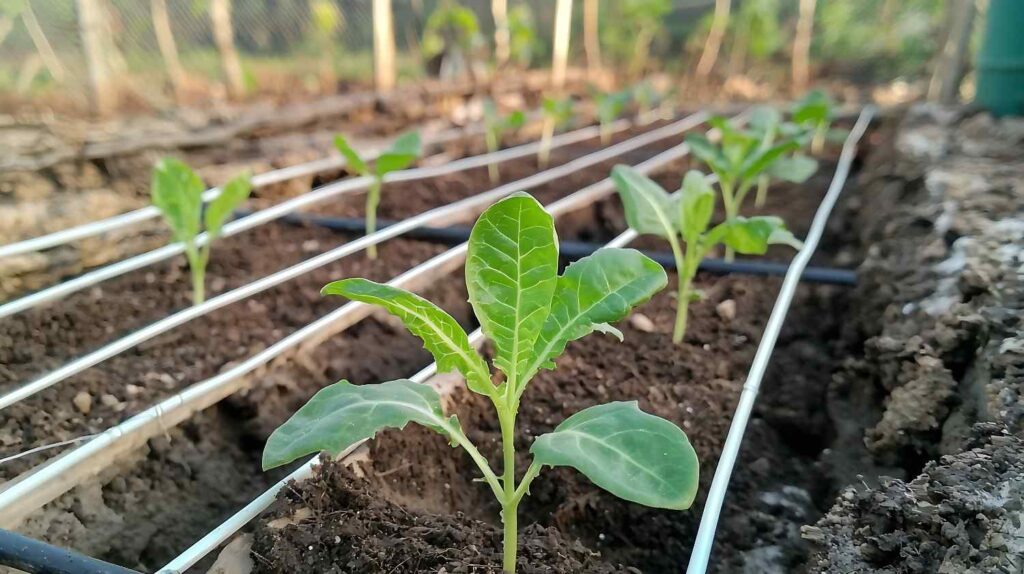
Efficient watering systems like drip irrigation or soaker hoses deliver water directly to the root zone.
-
Helps in minimizing water loss, reducing evaporation and runoff.
-
Reduces waste by targeting water exactly where it’s needed.
-
Avoids leaf wetting, which can promote disease by keeping foliage dry.
-
Ensures healthier plants with more precise watering.
The Don’ts of Watering Plants
1. Avoid Overwatering
-
Overwatering can deprive the roots of oxygen, leading to poor plant health.
-
Soggy soil prevents roots from absorbing nutrients, causing nutrient deficiencies.
-
Excess water can result in root rot, weakening the plant.
-
Allow the soil to dry out slightly between waterings to ensure proper root function.
-
Avoid keeping plants in wet conditions for too long, as this can damage the roots and stunt growth.
2. Don’t Water at Night
-
Evening watering can leave leaves wet for hours, creating a breeding ground for fungal growth and bacterial growth.
-
Watering too late prevents water from evaporating, leading to prolonged moisture on the plant.
-
Water your plants earlier in the day, ideally before sunset, to allow the leaves to dry quickly.
-
Late-night watering increases the risk of plant diseases due to excess moisture.
3. Avoid Frequent Light Watering
-
Watering lightly every day can lead to shallow root systems.
-
Frequent light watering prevents roots from growing deep enough to reach moisture.
-
Plants need to withstand dry spells, which is hindered by shallow watering.
-
It’s better to water deeply, but less often, allowing water to reach the roots.
-
Deep watering encourages stronger, more resilient roots, helping plants thrive during dry periods.
4. Don’t Water During Peak Sun Hours
-
Watering during the midday heat leads to rapid evaporation, wasting water.
-
The intense sunlight causes much of the water to evaporate before it reaches the roots.
-
Leaf burn can occur as droplets act like magnifying glasses, focusing the sun’s rays.
-
It’s best to water early in the morning or late in the evening when the sun is less intense, ensuring effective water absorption.
5. Avoid Using Cold Tap Water
-
Cold water can cause shock to plants, particularly tropical species.
-
Watering with cold water stresses the plant’s roots, hindering nutrient absorption.
-
Let water sit for a few minutes to reach room temperature before use.
-
Avoid using cold tap water to prevent unnecessary stress and promote healthier growth.
6. Don’t Rely Solely on Rain
-
Natural rain is a good source of water, but shouldn’t be your only source.
-
Use a rain gauge to track how much rainfall your area receives.
-
If rainfall is less than 1 inch per week, supplement with additional watering.
-
Sufficient watering is essential for garden health, especially during dry spells.
Watering Outdoor Plants
Watering Container Plants
When it comes to container plants in pots, I’ve found they tend to dry out faster than those in garden soil beds. These plants need daily watering, especially during hot weather. To avoid waterlogging, ensure proper drainage in your pots. Watering in the morning allows the soil to absorb moisture before the heat of the day kicks in. During the first growing season, newly planted container plants need extra attention, requiring water 2-3 times a week.
Watering Trees and Shrubs
For larger plants like trees and shrubs, mature plants usually need less frequent watering. Mature trees only require watering every two weeks during dry spells, while newly planted trees benefit from more regular watering, especially in the first growing season. Use a watering wand to direct water at the soil level, preventing damage to delicate blooms.
Watering in Hot Weather
In hot weather, plants need more attention. For shrub and tree care, additional afternoon watering may be necessary, particularly if the plants are newly planted or experiencing stress. Make sure to water deeply, allowing the moisture to reach the roots while preventing waterlogging by ensuring proper drainage.
Watering Garden Beds
For garden beds, watering once weekly is generally enough once the plants are established. Shallow watering can lead to weak root systems, so make sure to water deeply to encourage strong roots that can survive dry spells. Avoid watering directly onto leaves, as this can cause fungal issues or damage the foliage.
Watering Indoor Plants
1. Watering Can with a Narrow Spout for Precise Watering
When it comes to watering indoor plants, I’ve found that using a watering can with a narrow spout gives me more precise watering, allowing me to direct water exactly at the soil level without getting it on the leaves. This is important because wet leaves can easily dry out or create conditions for fungus growth. I prefer this method to ensure minimal mess and maximum efficiency, especially with delicate indoor plants. Avoiding softened water from water softeners, which contain sodium that can harm houseplants, is crucial. I also opt for filtered water when possible or use outdoor tap water if it’s not too harsh for the plants.
2. Choosing the Right Potting Mix
For the best results, I use soilless mixes like peat moss, coco coir, and perlite instead of traditional garden soil. These mixes provide better drainage, which is essential for indoor plants that are prone to water retention. Using a well-draining potting mix also helps prevent pests and fungi that can develop in overly wet conditions. When selecting pots, always ensure that they have drainage holes to avoid stagnant water, which can cause root rot.
3. Seasonal Watering Adjustments
I’ve learned to adjust my watering seasonally. In winter, I water less because indoor plants typically experience slower growth and get reduced sunlight. At this time, giving too much water may cause the roots to rot. In spring, however, as growth resumes, I gradually increase watering to match the plant’s needs as it becomes more active. I pay attention to the changes in the environment and the plant’s signals to ensure that I maintain the right balance of hydration.
4. Methods for Watering When Away
For times like short vacations, I use the wicking method to keep my plants hydrated. A cotton rope placed in a nearby water jar can draw water to the plant’s roots, providing steady moisture while I’m away. This technique ensures that the plants don’t get dehydrated and helps prevent the issues associated with overwatering or underwatering. Additionally, I always empty saucers and standing water from trays to avoid creating conditions for root rot.
5. Identifying Overwatering Signs
Finally, I keep an eye out for overwatering signs such as droopy stems, yellowing leaves, or the appearance of fungus gnats around the plant. These are clear indicators that the plant is receiving excess moisture. To help monitor moisture levels, I use a moisture gauge to make sure I’m giving my indoor plants the right balance of water. If the bottom leaves are brown and brittle, it might be a sign that I’ve been too generous with watering.
Watering Requirements by Plant Type
Watering Succulents
Succulents prefer dry soil and are extremely sensitive to overwatering. From experience, I’ve found that this is the fastest way to kill them. They thrive in conditions where the soil is allowed to dry out between waterings. Overwatering can lead to rot, so I make sure to let the soil completely dry out before watering again, ensuring they receive the right amount of moisture without being flooded.
Watering Tropical Plants
Tropical plants, such as ferns and orchids, thrive in moist environments. These plants need more frequent watering to maintain the humidity they love. However, it’s important to avoid soggy soil as it can lead to root rot. I keep their soil consistently moist but not waterlogged, ensuring the plants stay hydrated without the risk of overwatering.
Watering Vegetables and Seedlings
When it comes to vegetables, I water them about 1-2 inches of water per week, adjusting depending on the weather. Seedlings, on the other hand, need extra care. I water them twice a day, keeping the soil moist but not soaked, to ensure they grow strong and healthy. This frequent watering helps encourage their delicate root systems to establish themselves.
Watering Fruit Trees
Young fruit trees require regular, deep watering to help them establish strong roots early on. As they grow, I adjust to less frequent watering but ensure it is thorough enough to support their expanding root systems. Mature fruit trees need deep watering, but it becomes less frequent, as their roots can access water from deeper in the soil. This change in watering habits ensures the trees continue to thrive while preventing overwatering.
Watering Shrubs and Perennials
For shrubs and perennials, consistent watering is essential, especially during hot periods or dry periods. These plants require regular hydration to maintain healthy growth, and I make sure to adjust their watering schedule based on the changing weather. By providing consistent moisture, I help these plants endure through dry spells and keep them flourishing throughout the growing season.
Final Thoughts
Mastering the art of water management for your plants is a skill that truly pays off in the long run. Over the years, I’ve learned that watering plants correctly helps foster lush growth, encourages resilient roots, and minimizes the risk of diseases. By following the dos and don’ts consistently, whether in the garden or inside the home, you’ll see your plants thrive. The effort you put into understanding each plant’s needs will reward you with vibrant color and lasting health. With the right watering habits, your plants will be more beautiful, healthier, and stronger for years to come.
FAQS
How to Water Your Plants Correctly?
To water plants correctly, ensure you water deeply at the base of the plant, making sure the soil is moist but not soaked. I always recommend checking for dryness below the top layer before watering again, ideally in the morning to reduce evaporation. Using a soaker hose or watering wand helps direct the water to the roots without wetting the leaves.
What Should We Not Water the Plants?
Watering plants in the middle of the day, especially when the sky is clear and the sun is at its peak, is not a good idea. The hot hours of the afternoon can have an adverse effect on the plant’s growth, as the water quickly evaporates before the roots can absorb it.
What Are the Rules of Water in Plants?
Watering at the root point ensures that the water reaches the plant’s roots evenly, preventing one-sided root growth and promoting better nutrient absorption. Always aim to distribute the water across the entire irrigation area, allowing it to soak deep into the soil for healthier, well-balanced plants.
What Is the General Rule for Watering Plants?
The rule of thumb I follow is to water when the soil becomes dry about 1 to 2 inches below the surface. Ideally, I try to give my plants the equivalent of one inch of rainfall per week on average, and in hot weather, I may need to soak the soil deeper, up to six inches, to ensure the roots get enough moisture.
Is There a Wrong Way to Water Plants?
Yes, the wrong way to water plants is when you focus on leaves instead of the soil, as this can cause damage and encourage disease. I’ve learned that using a watering can with a spout properly aimed below the plant’s base ensures water goes directly to the roots, avoiding unnecessary splashing on the leaves, which can stress the plant.