
In India, nearly 50% of people depend on farming for their livelihood, and every farmer knows how important it is to maintain good soil conditions. I have often seen fields where the crop yield started to drop simply because the land was not replenished on time. The soil naturally deteriorates when the same crops are grown one after another, which decreases productivity and leaves the earth struggling to recover. To overcome this, both manures and fertilizers are used as they help the soil restore its balance, making it paramount for efficient production. From personal experience, I noticed that when plants receive a full set of nutrients, the harvest is not just healthy but also of better quality.
Why Farmers Add Manure & Fertilizers: The Real Reason
When a crop is harvested, many of those nutrients are removed from the land, and if they are not replenished, the natural fertility begins to deteriorate. This is why adding fertilizer becomes necessary it increases the ability of soil to grow stronger crops and ensures food on every dinner table. While nature struggles to replenish what is lost, farmers must actively follow the practice of applying manures and fertilizers. This process ensures that the cycle of production remains efficient, that soil stays rich and healthy, and that the crops we explore in markets are of good quality, carrying forward the legacy of sustainable farming.

What is Manure?
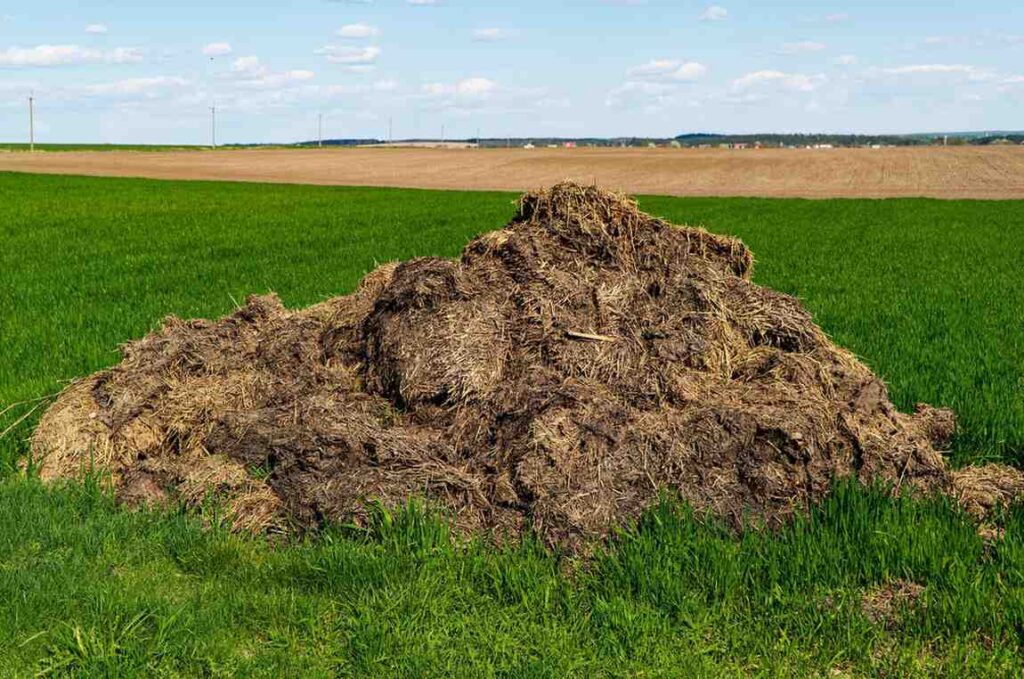
Manure is naturally obtained through the decomposition of dead plants and animals, and I have seen how its simple function plays a vital role in providing sustenance to crops. On my family’s field, its addition to the soil always seemed to help in the proper cultivation of different varieties, as it enables the ground to hold more water and improves its texture. Being organic in nature, manure also releases mild acids that slowly dissolve the nutrients, making them readily available for plants to absorb. This gradual supply ensures that the land stays fertile for longer periods, and that the crops continue to thrive with stability and resilience.
Advantages of Manure
-
Increases the water-holding capacity of the soil, allowing crops to withstand dry spells more effectively.
-
Makes the soil more porous, which facilitates the exchange of gases and keeps the root zone aerated.
-
Soil texture improves over time, leading to healthier root development and better crop growth.
-
Boosts the number of microbes, speeding up the natural process of decomposition and nutrient release.
-
The practice of adding manure, also known as manuring, is best done at regular intervals to maintain soil fertility.
-
Prevents plants from becoming weak due to nutrient deficiencies.
-
Though it has drawbacks, such as being bulky and difficult to transport, its benefits far outweigh the challenges.
-
Supplies a broad range of nutrients instead of just one specific element, making it a more balanced option for soil health.
What is Fertilizer?
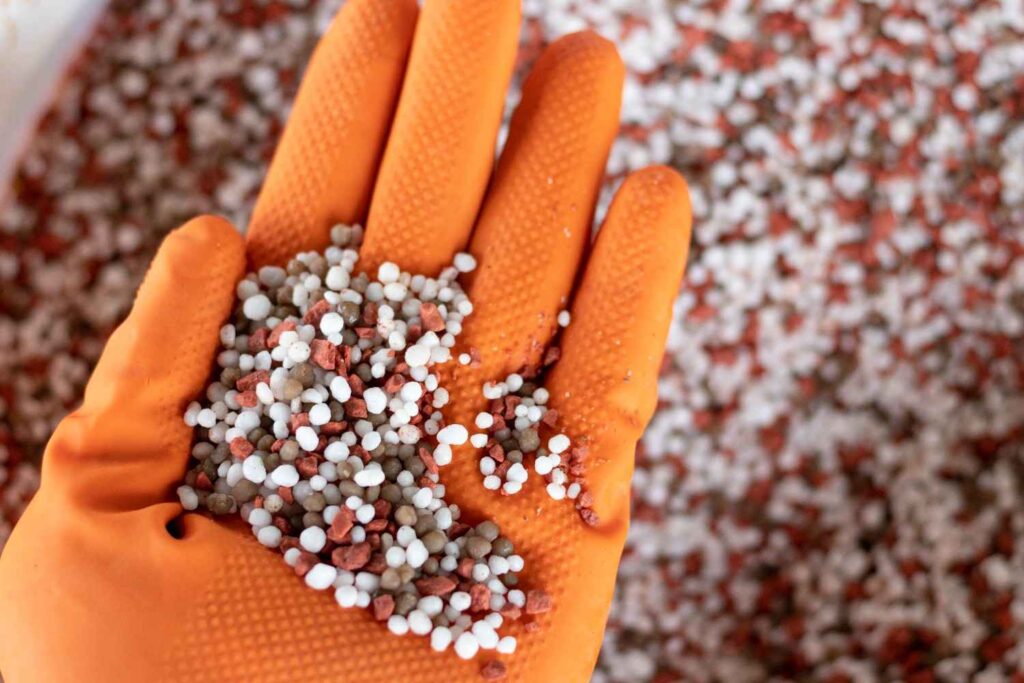
A fertilizer is a substance that directly feeds the soil with nutrients that plants need to grow, and I have seen how it improves the strength of roots, turning otherwise weak crops into strong ones. When soils become exhausted after continuous cultivation, they often turn deficient in nitrogen (N), phosphorus (P), and potassium (K) the three most common elements found in fertilizers. These are mineral-based inputs that help farmers restore soil fertility and apply nourishment where it is lacking. Seventy-three percent of the world’s agriculture depends on these inputs, and globally about 85% of food production relies on proper fertilizing practices, as highlighted by the International Fertilizer Association (IFA). In fact, analyzing the soil before deciding what to use is crucial because a careful estimate allows farmers to apply the right balance of nutrients.
From my own experience, the quality of grain, fruit, flower, and even the green leaves of crops becomes richer when fertilizers are used correctly, since they provide the essential elements that enable healthy development. Just as humans and animals need a balanced diet to maintain their body and nourishment, crops too must be properly fed to avoid lack of nutrition. Without this, the food chain weakens, and ultimately, the health of people is at risk. That is why fertilizers are not only about boosting yield but also about ensuring the nutritional value of the harvest that reaches every table.
Why Do Farmers Add Fertilizers to the Soil?
In Indian agriculture, the fertility of soil is the foundation of every harvest, and I have observed how farmers often struggle to maintain its strength after repeated cropping cycles. This is where fertilizers play a crucial role, as they supply the essential nutrients that the land loses over time. Without them, even the most carefully managed fields can become unproductive, but with proper application, the soil regains its vitality, enabling consistent growth and better yields.
1. To Provide Reduced Nutrients
After every harvest, the crops take away a significant amount of nutrients that the soil had stored, and these get consumed in the process of growth. Over time, the land naturally loses its fertility, and I have seen fields turn less productive when this cycle is ignored. The purpose of adding fertilizers is to restore this balance so that farmers can maintain healthy soil for subsequent plantings. Unlike a sudden boost, fertilizers often work gradually, supplying what is missing and helping the land stay productive season after season.
3. To Create Healthy and Rich Soil
In my own experience with farming, I have seen how soils often turn deficient when the same land is used repeatedly, and this directly affects the quality of every crop. By applying fertilizers, farmers can boost plant growth and enhance the natural fertility of the soil, making it more suitable for continuous cultivation. The nutrients supplied not only restore balance but also improve the suitability of the ground for diverse crops, ensuring that the soil remains productive over time. This is why many refer to fertilizers as essential tools in modern agriculture they allow farmers to maintain the richness of their land and secure sustainable harvests.
4. To Reduce Time and Obtain Faster Results
In modern farming, I have noticed that applying the right fertilizer at the correct stage not only saves effort but also money, since it allows farmers to make the crops grow faster and healthier. Instead of waiting two or even three seasons for the soil to naturally recover, fertilizers speed up the process, giving visible results within a single cycle. This efficiency means that annually, the land can produce more, using the same space, while still maintaining its strength. For small-scale farmers especially, this saving of time is critical, as it translates into better yields and more reliable harvests.
5. To Make Agriculture Sustainable and Modern
The use of fertilizers today is not just about higher yields but about making agriculture more innovative, modern, and sustainable. I have seen how carefully applied nutrients keep the soil suitable for continuous crop cycles while also aiding natural growth in a way that is environmentally friendly. With growing demands in the market, farmers must adapt practices that guarantee productivity while protecting the environment, ensuring that farming remains viable in the future. By adopting such approaches, agriculture transforms into a balanced system that supports both the farmer and the land without sacrificing long-term health.
Types of fertilizers used in agriculture
1. Chemical Fertilizers – Fast-Acting Nutrition for Crops
-
In Indian farming, many farmers rely on chemical fertilizers because they supply specific nutrients like nitrogen, phosphorus, and potassium in required amounts.
-
Urea provides a strong dose of nitrogen, DAP (Diammonium Phosphate) combines nitrogen and phosphorus, while MOP (Muriate of Potash) delivers essential potassium.
-
These are manufactured in factories, designed to be easy to apply, making them accessible for farmers.
-
They work quickly and give a quick boost to crop growth, making them a reliable choice for short-term results.
-
From experience, I’ve noticed they must be used carefully, because while they are effective, excess can be damaging to the soil and the environment.
2. Organic Fertilizers – Natural and Safe for Long-Term Soil Health
-
Organic fertilizers such as compost, cow dung manure, and vermi-compost made with earthworms improve soil quality in a safe, natural way.
-
They come from natural materials like plant remains, food waste, and other decomposed matter, making them easily available on farms and in villages.
-
These inputs restore soil fertility, enhance its texture and structure, and help it retain water, which supports plants in the long-term.
-
Unlike chemical options that may contain hazardous substances, organic choices are traditional, eco-friendly, and provide steady nourishment.
-
Green manures such as moong and dhaincha, when grown and ploughed into the lands, enrich the soil with nitrogen and other rich nutrients.
-
They encourage beneficial bacteria to thrive, giving a natural boost to crop growth and maintaining soil health across generations.
3. Bio-Fertilizers – Living Helpers for Your Soil
-
Bio-fertilizers are made of live microorganisms like fungi and bacteria that work with the soil and plants to supply essential nutrients.
-
They are organic, environmentally friendly, and serve as an alternative to chemical fertilizers, helping to enhance a plant’s capacity to absorb nutrients.
-
In India, they are widely used in agriculture for preserving biodiversity and maintaining a balanced environment.
-
Rhizobium is used with legume crops such as moong and urad to fix nitrogen from the air naturally.
-
For cereal crops like wheat, rice, and maize, strains of Azospirillum and Azotobacter are applied to boost nitrogen levels.
-
Phosphate Solubilizing Bacteria (PSB) help release locked phosphorus in the soil, making it available to crops.
-
In paddy fields, Blue-Green Algae (BGA) are introduced to enrich the soil and improve growth.
-
From my own experience, these inputs reduce dependence on synthetics and strengthen long-term soil fertility, supporting sustainable farming practices.
Importance of fertilizers in agriculture
1. Better Plant Growth
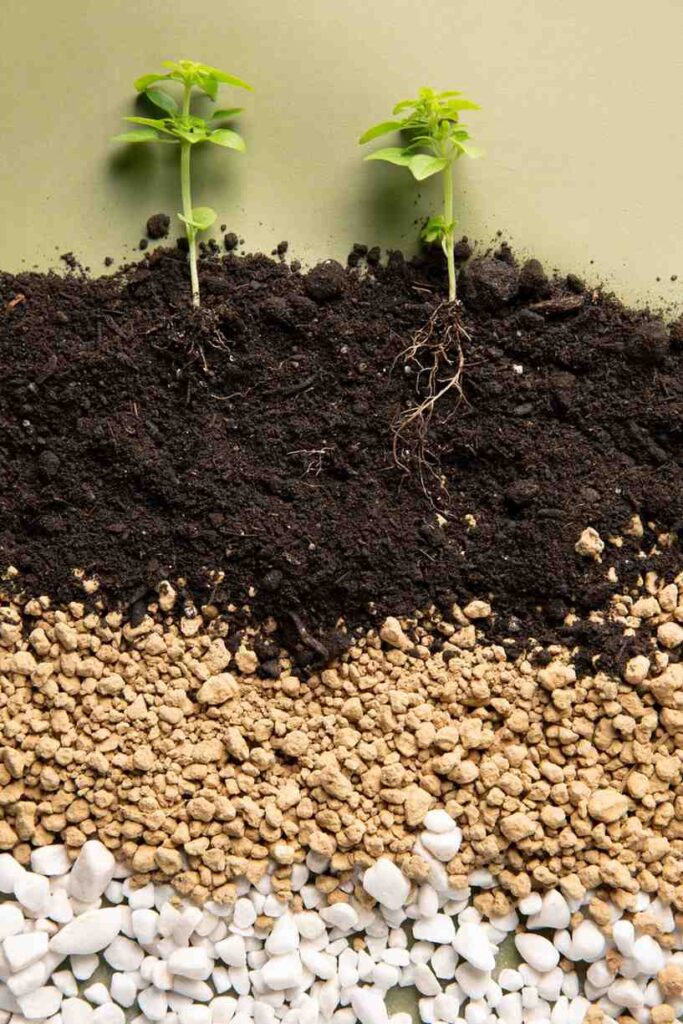
From my own field visits, I’ve noticed how fertilizers supply essential nutrients that directly help plants grow with strong roots and vibrant leaves, making crops look greener, taller, and far more healthier. When applied correctly, they ensure that the plants are developing well, not just in appearance but also in resilience, which makes the harvest more reliable and rewarding for the farmer.
2. Higher Crop Yield
I have often seen that when healthy plants are nourished with the right fertilizers, they produce more, leading to a clear increase in the number of grains, fruits, and vegetables that can be harvested from every acre of land. This boost in output means farmers can make better use of their limited fields, ensuring both their livelihood and the community’s food supply remain secure.
3. Stronger Against Pests and Diseases
In my experience, well-nourished plants grown with the right balance of fertilizers are far better at fighting pests, insects, and crop diseases because they are naturally stronger and more resilient. This strength helps in reducing the chances of severe loss and damage, allowing farmers to protect their fields without depending entirely on chemical sprays, while still maintaining healthy yields.
4. Better Quality Produce
I have seen firsthand how the use of fertilizers can improve the taste, size, and appearance of the produce, making crops not only bigger but also healthier. Such qualities are highly valued in markets, where better-looking harvests fetch higher prices, giving farmers the confidence that their efforts will be rewarded and their livelihoods more secure.
5. More Profit for the Farmer
When crops grow better with the help of fertilizers, the yield increases, and farmers can sell their produce at a good rate, which directly boosts their total income. From what I’ve observed, the extra effort put into proper soil management pays off across each season, as consistent harvests mean steady profits, giving farmers the financial stability they need to continue their work with confidence.
1. Soil Damage from Overuse
From my own observation, the excessive use of chemical fertilizers can harm the soil by reducing its natural fertility and causing hardening that makes it less productive over time. This often leads to nutrient imbalance, where some elements build up while others are depleted, creating conditions that are harmful for crops. If such practices continue in the long-term, the land may face severe degradation, making it difficult for farmers to sustain healthy yields in the future.
2. Water Pollution
When fertilizers are over-applied, I have seen how rainfall or irrigation can cause them to wash into rivers, ponds, and even seep into groundwater, leading to serious water pollution. This contamination not only harms fish and other aquatic animals but also poses risks to human health, as the polluted water eventually enters the food chain. Such outcomes show that while fertilizers are valuable, their careless use can create long-lasting problems for both farming and the wider ecosystem.
3. Health Hazards to Farmers
Working closely with chemical fertilizers, I have seen how they can cause serious health problems for those who apply them without care. Direct contact often leads to skin irritation, while inhaling the dust or fumes may trigger breathing issues that worsen over time. These risks highlight the need for fertilizers to be handled with proper protection, ensuring that farmers safeguard themselves while still benefiting from their use.
4. Harm to Soil Microorganisms
I have noticed that while fertilizers are useful, overusing synthetic fertilizers can kill the natural microbes in the soil. These helpful organisms are essential because they support plants to grow stronger by breaking down organic matter and cycling nutrients. When their population declines, it ends up affecting the soil’s ability to sustain crops in the long term, reducing fertility and making the land less productive over time.
How to Use Fertilizers
From years of field visits, I start by Testing the soil to learn its needs, then choose inputs for the crop because fields are different in the nutrients they require; I often mix and combine on-farm compost with chemical fertilizers, following the 4Rs the right type, dose, time, and place and I lean on expert advice from local agricultural officers to fine-tune the plan so plants grow faster, stay healthy, build strength, and deliver good crops.
Used well, these practices improve yields and the farmer’s income; remember to apply carefully, because it’s important not to use too little or too much both are bad so I always schedule applications smartly and sustainably in line with weather and growth stages.
In the end, farmers add manure and fertilizers because healthy soil is the engine of reliable harvests: organic inputs like compost, cow dung, vermicompost, and green manures rebuild structure and water-holding capacity; bio-fertilizers such as Rhizobium, Azospirillum , Azotobacter, PSB, and BGA unlock nutrients naturally; and mineral fertilizers (urea, DAP, MOP) deliver fast, precise nutrition when crops need it most together driving better growth, higher yields, stronger plants, and market-ready quality while using limited land efficiently. The gains are real, but so are the risks soil degradation, water pollution, health hazards, and harm to beneficial microbes so the path that works in practice is disciplined and balanced: Evaluate the soil, follow the 4Rs (right type, quantity, timing, and placement), integrate organic, biological, and chemical inputs, and prioritize the safe management of materials. After seasons of watching fields rise and fade, I’ve learned that good farming is really good stewardship feed the soil wisely and it will feed families, farms, and the future.
Frequently Asked Questions
Why are manure and fertilizers applied to the soil?
On Fields, adding manures and fertilisers supplies plant nutrients to the soil, enhancing fertility and ensuring strong vegetative growth.
This leads to high crop output through the enrichment of organic matter and an increase in soil health.
Why do farmers add fertilizers to the soil?
From seasons spent advising cooperatives, I’ve seen how Farmers spread measured doses of fertilizers and well-cured manures across their fields to enhance soil fertility, provide the necessary nutrients that every plant needs for steady growth, and ultimately increase crop yield.
What do farmers add manure to the soil?
From seasons in village plots, I’ve watched Farmers add manure to their fields to replenish nutrients in the soil, a process of manuring that turns organic waste carefully dumped in pits into a steady supply as microbes decompose it for plants.
Whenever tests show insufficient fertility, I guide them on rates and timing, because improper applications can leave weak stands; done right, the routine keeps crops resilient.
Does NPK fertilizer harm the soil?
From the field soil tests I’ve run, NPK fertilizer used with the right dose, timing, and placement rarely hurts a well-managed field; trouble begins when it’s overused salt buildup and nutrient imbalance scorch roots, stall biology, and compact tilth, which harms structure and can wash into waterways, creating harmful conditions for aquatic life and the broader food web.
Which chemical is used in fertilizers?
On mixed farms I’ve worked with, the go-to compound is Ammonium nitrate, a concentrated source of nitrogen that proves a dependable ingredient in the production of granular fertilizers; alongside it, carriers of phosphorus and potassium are included so all three macronutrients the most essential for crop growth are present in plant-available forms.